

 Anteprima in scala reale
 Condividi
 Condividi
 Dettagli
 Guida stampabile

 Scarica
 Articoli simili
 Radiografia
 Slideshow
 Statistiche
Life of St Augustine Saint Augustine Disputing with the Donatists
 Oil On Canvas
- WallArt
- Rococo Style
 1753
1753- Early Modern
 400.0 x 550.0 cm
 Basilica Notre
 Leggi tutto
Riproduzione a olio fatta a mano
Olio su tela dipinto a mano nelle tue dimensioni e con la tua cornice, realizzato su ordinazione dai nostri artisti. ( Passa alle stampe Passa all'immagine digitale)




P118B €10

P118H €10

P118W €10

P438Z €10

P508JH €12

P508YH €12

P805H €10

P805Z €10

P919BZ €10

P919G €10

P919XJ €10

P959ZH €10

P968JZ €12

W106C €8

W218G €10

W218JH €8

W218Y €10

W307PJ €10

W316G €10

W316PJ €8

W316Y €10

W398PJ €8

W4111J €10

W500HY €15

W500JH €15

W692G €12

W849H €8

W940BG €15

W953PJ €8




Scegli tra le nostre dimensioni predefinite, che rispettano le proporzioni originali dell'opera d'arte.

Inserisci la larghezza e l'altezza di cui hai bisogno, per adattarle alla tua cornice o alla tua parete. Trattandosi di un'opera dipinta a mano, in caso di dimensioni con una forma differente, l'artista può dipingere un po' più oltre i bordi dell'immagine o ritagliare leggermente — la scelta spetta a te. Ti invieremo un mockup digitale da approvare prima che la pittura abbia inizio. L'immagine mostrata in questa pagina non rappresenta il risultato reale — solo il mockup lo fa.
Dopo l'ordine, il team di OriginalUniqueArt.com contatterà il cliente via e-mail per ricevere le istruzioni e fornirà un'anteprima del mockup
Consegna in tutto il mondo () in 3/4 settimane anziché nelle normali 5 settimane. (24 Ottobre). Nessun compromesso sulla qualità.

Spedizione espressa gratuita in tutto il mondo

Tela in lino di alta qualità

Assicurazione completa sulla spedizione

Garanzia di rimborso dei dazi doganali

Garanzia di perfetta fedeltà cromatica

Politica di reso entro 100 giorni (solo per difetti di fabbricazione)

Garanzia di rimborso al 100%

Sconto per acquisti multipli
 L'opzione vetro è disponibile solo per dimensioni inferiori a 110 cm

Life of St Augustine Saint Augustine Disputing with the Donatists
Tecnica di riproduzione
Dimensioni della riproduzione
-


Prezzo totale
€ 264
A Window Into Enlightenment: The Intellectual Drama of Van Loo
In the grand tapestry of eighteenth-century art, few works capture the electric tension between faith and reason as masterfully as Charles-André van Loo’s 1753 masterpiece, Life of St Augustine Saint Augustine Disputing with the Donatists. This expansive oil on canvas is far more than a mere historical reconstruction; it is a meticulously crafted tableau that breathes life into the intellectual fervor of the Enlightenment era. As the eye wanders across the vast composition, it is immediately arrested by the central figure of Saint Augustine, whose animated posture and fervent expression embody a relentless pursuit of truth. Surrounded by companions engaged in spirited debate, the scene transcends its theological subject matter to mirror the philosophical dialogues that defined the reign of Louis XV, inviting every viewer to witness a moment where dogma meets scrutiny.
The setting itself serves as a silent protagonist in this drama. Arranged around a table laden with heavy books and scattered documents, the figures exist within an atmosphere of academic rigor and spiritual urgency. Van Loo utilizes the dramatic technique of chiaroscuro—the masterful interplay of light and shadow—to heighten the emotional stakes of the dispute. The light does not merely illuminate; it carves out the importance of each participant’s stance, casting deep shadows that suggest the gravity of the Donatist heresy and the weight of the theological consequences at stake. This strategic use of light creates a sense of depth and movement, pulling the observer into the very heart of the conversation.
Rococo Elegance and the Art of the Brush
While the subject matter is heavy with historical significance, Van Loo executes the scene with the unmistakable grace of the Rochoco style. The painting is a triumph of delicate brushwork and a luxurious, luminous palette. Eschewing the somber tones often associated with religious history painting, Van Loo embraces a spectrum of pastel hues—creams, golds, soft pinks, and ethereal blues—to create an atmosphere that feels both regal and transcendent. This lightness of color provides a breathtaking contrast to the darker architectural elements, lending the work an almost dreamlike quality that is characteristic of the era's refined ornamentation.
For the discerning collector or interior designer, this piece offers a profound sense of prestige and narrative depth. The artist’s ability to render the intricate folds of drapery and the subtle nuances of facial expressions demonstrates a level of technical virtuosity that commands attention in any grand space. Whether placed in a library, a formal study, or a sophisticated gallery setting, the painting acts as a focal point of conversation. It does not merely decorate a wall; it anchors a room with its historical weight and aesthetic splendor, offering a timeless connection to an age where art, intellect, and divinity were inextricably entwined.
Domande e risposte
Di cosa è fatto "Life of St Augustine Saint Augustine Disputing with the Donatists" e in quale stile è realizzato?
"Life of St Augustine Saint Augustine Disputing with the Donatists" è realizzata in Oil On Canvas, nello stile Rococo Style.
"Life of St Augustine Saint Augustine Disputing with the Donatists" presenta forti contrasti chiaroscurali?
Il contrasto chiaroscurale di "Life of St Augustine Saint Augustine Disputing with the Donatists" è registrato come Balanced. Il contrasto descrive quanto marcata sia la differenza tra le aree chiare e quelle scure.
Qual è il posto di "Life of St Augustine Saint Augustine Disputing with the Donatists" di Charles-André van Loo nella storia dell'arte?
Storicamente, "Life of St Augustine Saint Augustine Disputing with the Donatists" è un'opera Rococo Style appartenente alla più ampia epoca Early Modern.
Biografia dell'artista
Primi Anni e Formazione
- Nascita: 15 febbraio 1705, a Nizza, Francia
- Origini Familiari: Figlio di Louis-Abraham van Loo e fratello minore di Jean-Baptiste van Loo. Membro di una dinastia olandese di pittori di successo.
- Educazione Iniziale: Formazione iniziale a Torino, seguita da studi a Roma (1712) sotto la guida di Benedetto Luti e Pierre Legros.
- Studi Parigini: Frequentò l'Académie Royale, vincendo il primo premio per disegno nel 1723 e per pittura storica nel 1727.
Carriera Artistica e Opere Principali
- Stile: Principalmente noto come pittore rococò, caratterizzato da eleganza, grazia e dettagli ornamentati.
- Soggetti: Ampia gamma di soggetti tra cui ritratti, scene mitologiche, dipinti storici, allegorie e scene di genere.
- Opere Significative:
- Venere e Amore (Kunsthalle Bremen) – Dimostra la padronanza dello stile rococò.
- La Battuta di Caccia (The Metropolitan Museum of Art) – Cattura le attività aristocratiche.
- Ritratto di Maria Leszczynska, Regina di Francia – Un notevole ritratto reale.
- Giove e Antiope – Illustra temi mitologici.
- Autoritratto – Fornisce uno sguardo all'auto-percezione dell'artista.
- Perseo e Andromeda (multiple versioni) – Dimostra abilità nel rappresentare la mitologia classica.
- Mademoiselle Clairon come Medea (piccola versione) - Un affascinante ritratto rococò del 1760.
Patrocinio e Riconoscimenti Reali
- Patrocinio Regale: Godette del patrocinio di Madame de Pompadour e della corte francese.
- Nomina alla Corte: Divenne Primo Pittore al servizio di Luigi XV nel 1762, una posizione prestigiosa.
- Ordine di San Michele: Decorato con l'Ordine di San Michele, a testimonianza del favore reale.
Influenze e Significato Storico
- Influenza Familiare: Fortemente influenzato dal padre e dal fratello, entrambi pittori affermati.
- Rivalità: Competizione con François Boucher, un altro importante artista rococò.
- Scuola Francese Moderna: La sua "semplicità di stile e correttezza del disegno" ha influenzato significativamente la scuola francese moderna della pittura.
- Fortuna Critica: Sebbene il suo status critico sia variato nel tempo, la sua abilità e l'ampiezza del suo lavoro meritano rispetto.
Collezioni Museali ed Esplorazioni Ulteriori
- Presenza nei Musei: Opere presenti in musei importanti tra cui il Louvre (Il Matrimonio della Vergine), Kunsthalle Bremen e The Metropolitan Museum of Art.
- Risorse Aggiuntive:
- Pagina di OriginalUniqueArt su Charles-André van Loo: https://www.OriginalUniqueArt.com/artists/charles-andre-van-loo/
- Pagina di OriginalUniqueArt sui più grandi artisti di tutti i tempi: https://www.OriginalUniqueArt.com/greatest-artists
- Museo Virtuale OriginalUniqueArt: https://www.OriginalUniqueArt.com/
- Articolo Wikipedia: https://en.wikipedia.org/wiki/Charles-Andr%C3%A9_van_Loo
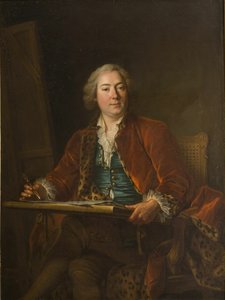
Charles-André van Loo
1705 - 1765 , Francia
Informazioni rapide
- Artisti Influenti:
- Benedetto Luti
- Pierre Le Gros
- Artisti Influenzati: ['Scuola francese moderna']
- Data Di Nascita: 15 febbraio 1705
- Full Name: Charles-André van Loo
- Luogo Di Nascita: Nizza, Francia
- Movimento Artistico: Rococò
- Nazionalità: Francese
- Opere Notevoli:
- Venere e Amore
- La Battuta di Caccia
- Ritratto di Marie Leszczynska
- Giove e Antiope
- Autoritratto
- Perseo e Andromeda
Articoli correlati

Carlo-André van Loo e lo Studio sulla Ritrattistica Rococò alla Corte Francese
Esplora l'arte di Carlo-André van Loo e il raffinato mondo della ritrattistica rococò alla corte francese del XVIII secolo. Analisi approfondite, tecniche pittoriche e contesto storico per collezionisti ed esperti.

Rembrandt van Rijn: I 25 Capolavori Immortali da Ammirare | OriginalUniqueArt
Esplora i 25 capolavori di Rembrandt van Rijn, da 'La Ronda di Notte' ai suoi intensi autoritratti. Scopri la storia, le tecniche e l'arte barocca del maestro olandese. Riproduzioni di alta qualità su OriginalUniqueArt.com.

I 10 Capolavori della Pittura Fiamminga Antica: Arte, Storia e Stile per la Tua Casa
Esplora i 10 capolavori della pittura fiamminga antica! Jan van Eyck, Rogier van der Weyden e altri maestri rinascimentali. Scopri storia, tecnica e simbolismo di questi dipinti iconici. Trova riproduzioni d'arte di alta qualità per la tua casa su OriginalUniqueArt.com.

I 10 Capolavori Rococò che Hanno Definito un'Epoca | Arte e Decorazioni di Lusso
Esplora i 10 capolavori del Rococò con ! Scopri Fragonard, Boucher e Tiepolo e lasciati ispirare da colori pastello e decorazioni di lusso. Quadri antichi e riproduzioni d'arte per interni eleganti. Esplora la collezione online!
I 10 Capolavori del Rinascimento Netherlandese: Arte, Storia e Decorazioni di Lusso
Esplora i 10 capolavori del Rinascimento Netherlandese: Jan van Eyck, Rogier van der Weyden e altri maestri fiamminghi. Scopri la storia, le tecniche e il simbolismo di questi dipinti iconici. Riproduzioni d'arte di lusso su OriginalUniqueArt.com.


