

 Anteprima in scala reale
 Condividi
 Condividi
 Dettagli
 Guida stampabile

 Scarica
 Articoli simili
 Radiografia
 Slideshow
 Statistiche
HALTE DE CHASSE


 Leggi tutto
Giclée / Stampe d'arte
Stampa giclée o su tela di qualità museale, con produzione rapida e diverse opzioni di finitura. ( Ordina la riproduzione dipinta a mano Passa all'immagine digitale)




P118B €10

P118H €10

P118W €10

P438Z €10

P508JH €12

P508YH €12

P805H €10

P805Z €10

P919BZ €10

P919G €10

P919XJ €10

P959ZH €10

P968JZ €12

W106C €8

W218G €10

W218JH €8

W218Y €10

W307PJ €10

W316G €10

W316PJ €8

W316Y €10

W398PJ €8

W4111J €10

W500HY €15

W500JH €15

W692G €12

W849H €8

W940BG €15

W953PJ €8




Scegli tra le nostre dimensioni predefinite, che rispettano le proporzioni originali dell'opera d'arte.

Inserisci la larghezza e l'altezza desiderate, per adattarle alla tua cornice o alla tua parete. Una stampa può essere solo ritagliata, mai resa più grande dell'immagine originale; pertanto, un formato con una forma differente comporterà la perdita di una parte dell'opera. Ti invieremo un mockup digitale da approvare prima di procedere con la stampa. L'immagine mostrata in questa pagina non rappresenta il ritaglio reale — solo il mockup lo mostra.
Consegna in tutto il mondo () in 2 settimane invece delle normali 4/5 settimane. (19 Ottobre)

Spedizione espressa gratuita in tutto il mondo

Tela in lino di alta qualità

Assicurazione completa sulla spedizione

Garanzia di rimborso dei dazi doganali

Garanzia di perfetta fedeltà cromatica

Politica di reso entro 100 giorni (solo per difetti di fabbricazione)

Garanzia di rimborso al 100%

Sconto per acquisti multipli
 L'opzione vetro è disponibile solo per dimensioni inferiori a 110 cm

HALTE DE CHASSE
Giclée / Stampe d'arte
Dimensioni della riproduzione
-


Prezzo totale
€ 70
A Symphony of Rococo Splendor
In the heart of the French Rococo era, few works capture the sheer opulence and leisurely grace of aristocratic life as vividly as Charles-André van Loo’s “HALTE DE CHASSE.” Painted in 1738, this masterpiece serves as a breathtaking window into the reign of Louis XV, offering much more than a mere depiction of a hunting expedition. It is an exquisitely crafted tableau, a carefully orchestrated celebration where the thrill of the chase meets the refined indulgence of a woodland feast. As the eye wanders through the lush, dappled sunlight filtering through the canopy, one does not simply observe a scene; one is invited to participate in a moment of timeless, aristocratic splendor.
The composition is a masterclass in Rococo density, designed to immerse the viewer in a world of abundance. Van Loo skillfully arranges his figures to create a sense of rhythmic movement and social harmony. In the foreground, a magnificent table serves as the anchor for the scene, laden with a cornucopia of delicacies—glinting wine glasses, ripe fruits, and delicate pastries that promise sensory delight. This central gathering of noblemen and ladies, draped in silks and fine linens, provides a static, elegant counterpoint to the dynamic squadron of horseback riders sweeping across the right side of the canvas. Through the clever use of diagonal lines, the artist guides our gaze from the intimate details of the picnic toward the energetic pursuit in the distance, ensuring that every corner of the painting vibrates with life.
The Artistry of Light and Texture
Technically, “HALTE DE CHASSE” is a triumph of oil on canvas, showcasing Van Loo’s ability to manipulate light and color to evoke deep emotional responses. The artist employs a sophisticated palette where warm, sun-drenched hues—russet reds, golden yellows, and creamy whites—interplay beautifully with the cooler, refreshing tones of emerald green and teal found in the surrounding foliage. This contrast not only mirrors the natural environment but also serves to highlight the exquisite textures of the nobility's attire. One can almost feel the tactile richness of the heavy fabric folds, the softness of the lace, and the smooth sheen of silk, all rendered with meticulous precision.
The lighting within the piece is profoundly naturalistic, suggesting a soft, diffused glow that bathes the entire assembly in a romantic, dreamlike atmosphere. Subtle highlights dance upon faces and glassware, creating a sense of three-dimensional volume and depth. As the landscape recedes into a hazy, atmospheric distance, Van Loo utilizes aerial perspective to expand the world beyond the immediate clearing, hinting at a vast, untamed wilderness that exists just beyond this pocket of civilization. For the collector or interior designer, this painting offers an unparalleled sense of depth and grandeur, making it a commanding focal point for any sophisticated space.
A Legacy of Elegance and Emotion
Beyond its technical brilliance, the painting resonates with profound symbolic weight. The abundance of food and drink is not merely decorative; it is a potent symbol of prosperity, peace, and the effortless indulgence characteristic of the 18th-century French court. There is an undeniable sense of camaraderie and joy permeating the scene—a shared moment of respite that celebrates the bonds of social class and the pleasures of nature. The elegance of the figures reflects a period where art was used to idealize life, turning a momentary pause in a hunt into an eternal monument of grace.
For those seeking to bring a touch of historical prestige and classical beauty into their homes, a high-quality reproduction of this work offers more than just decoration; it offers an atmosphere. Whether placed in a grand salon or a refined study, “HALTE DE CHASSE” evokes a sense of nostalgia for an era of unparalleled refinement. It remains a captivating choice for anyone looking to inspire awe and conversation through the timeless language of the Rococo style.
Domande e risposte
Come posso acquistare una stampa di "HALTE DE CHASSE" di Charles-André van Loo?
È possibile ordinare una stampa di "HALTE DE CHASSE" di Charles-André van Loo direttamente sulla sua pagina Stampa Fine Art: una stampa fine art su tela di cotone o carta canvas d'archivio.
Esiste una scheda informativa su "HALTE DE CHASSE" di Charles-André van Loo per gli studenti?
La pagina Schede didattiche di "HALTE DE CHASSE" di Charles-André van Loo offre una scheda informativa stampabile in due fogli: l'opera d'arte con la sua tabella identificativa, una linea temporale decennale che la colloca nel periodo di vita dell'artista, altre opere dello stesso autore, la tavolozza dei colori misurata e citazioni pronte per essere copiate in quattro stili diversi.
Quale soggetto e quale atmosfera combinano "HALTE DE CHASSE" di Charles-André van Loo?
"HALTE DE CHASSE" di Charles-André van Loo ritrae hunting scene, aristocracy, celebration, picnic, landscape, elegant figures, food abundance, con un'atmosfera Elegant. Il soggetto e l'atmosfera insieme descrivono l'opera.
Biografia dell'artista
Primi Anni e Formazione
- Nascita: 15 febbraio 1705, a Nizza, Francia
- Origini Familiari: Figlio di Louis-Abraham van Loo e fratello minore di Jean-Baptiste van Loo. Membro di una dinastia olandese di pittori di successo.
- Educazione Iniziale: Formazione iniziale a Torino, seguita da studi a Roma (1712) sotto la guida di Benedetto Luti e Pierre Legros.
- Studi Parigini: Frequentò l'Académie Royale, vincendo il primo premio per disegno nel 1723 e per pittura storica nel 1727.
Carriera Artistica e Opere Principali
- Stile: Principalmente noto come pittore rococò, caratterizzato da eleganza, grazia e dettagli ornamentati.
- Soggetti: Ampia gamma di soggetti tra cui ritratti, scene mitologiche, dipinti storici, allegorie e scene di genere.
- Opere Significative:
- Venere e Amore (Kunsthalle Bremen) – Dimostra la padronanza dello stile rococò.
- La Battuta di Caccia (The Metropolitan Museum of Art) – Cattura le attività aristocratiche.
- Ritratto di Maria Leszczynska, Regina di Francia – Un notevole ritratto reale.
- Giove e Antiope – Illustra temi mitologici.
- Autoritratto – Fornisce uno sguardo all'auto-percezione dell'artista.
- Perseo e Andromeda (multiple versioni) – Dimostra abilità nel rappresentare la mitologia classica.
- Mademoiselle Clairon come Medea (piccola versione) - Un affascinante ritratto rococò del 1760.
Patrocinio e Riconoscimenti Reali
- Patrocinio Regale: Godette del patrocinio di Madame de Pompadour e della corte francese.
- Nomina alla Corte: Divenne Primo Pittore al servizio di Luigi XV nel 1762, una posizione prestigiosa.
- Ordine di San Michele: Decorato con l'Ordine di San Michele, a testimonianza del favore reale.
Influenze e Significato Storico
- Influenza Familiare: Fortemente influenzato dal padre e dal fratello, entrambi pittori affermati.
- Rivalità: Competizione con François Boucher, un altro importante artista rococò.
- Scuola Francese Moderna: La sua "semplicità di stile e correttezza del disegno" ha influenzato significativamente la scuola francese moderna della pittura.
- Fortuna Critica: Sebbene il suo status critico sia variato nel tempo, la sua abilità e l'ampiezza del suo lavoro meritano rispetto.
Collezioni Museali ed Esplorazioni Ulteriori
- Presenza nei Musei: Opere presenti in musei importanti tra cui il Louvre (Il Matrimonio della Vergine), Kunsthalle Bremen e The Metropolitan Museum of Art.
- Risorse Aggiuntive:
- Pagina di OriginalUniqueArt su Charles-André van Loo: https://www.OriginalUniqueArt.com/artists/charles-andre-van-loo/
- Pagina di OriginalUniqueArt sui più grandi artisti di tutti i tempi: https://www.OriginalUniqueArt.com/greatest-artists
- Museo Virtuale OriginalUniqueArt: https://www.OriginalUniqueArt.com/
- Articolo Wikipedia: https://en.wikipedia.org/wiki/Charles-Andr%C3%A9_van_Loo
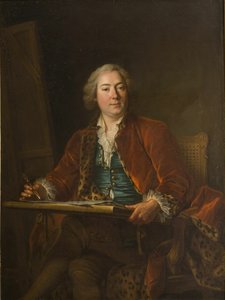
Charles-André van Loo
1705 - 1765 , Francia
Informazioni rapide
- Artisti Influenti:
- Benedetto Luti
- Pierre Le Gros
- Artisti Influenzati: ['Scuola francese moderna']
- Data Di Nascita: 15 febbraio 1705
- Full Name: Charles-André van Loo
- Luogo Di Nascita: Nizza, Francia
- Movimento Artistico: Rococò
- Nazionalità: Francese
- Opere Notevoli:
- Venere e Amore
- La Battuta di Caccia
- Ritratto di Marie Leszczynska
- Giove e Antiope
- Autoritratto
- Perseo e Andromeda
Articoli correlati

The Rococo Aesthetic: Opulence, Rebellion & the Pursuit of Pleasure in 18th-Century Art
Explore the opulent world of Rococo art! Discover its origins, key artists like Watteau & Boucher, and lasting influence on design. Expert insights for collectors & enthusiasts.
From Grandeur to Grace: Exploring the Evolution of Baroque & Rococo Art
Explore the captivating evolution from Baroque's drama to Rococo's grace! Discover key artists, characteristics & lasting influence of these art movements with expert insights at OriginalUniqueArt.

Baroque vs. Rococo: A Definitive Guide to the Drama of Grandeur and the Elegance of Grace
Explore the profound differences between Baroque drama and Rococo elegance. Our expert guide delves into art history, chiaroscuro, and the evolution of European masterpieces for collectors and enthusiasts seeking deep historical context.
Baroque vs. Rococo: A Definitive Guide to High-Drama Shadows and Golden Elegance
Explore the dramatic evolution from Baroque's intense chiaroscuro to Rococo's golden elegance. Our expert guide decodes the shift from high-drama shadows to playful, ornate grace for art enthusiasts and collectors seeking deep historical insight.

The Allure of Elegance in Art: A Historical & Aesthetic Exploration of Refinement & Grace
Explore the exquisite world of Rococo art! Discover its history, masters (Watteau, Boucher & more), and defining elegance. Expert insights for collectors seeking museum-quality reproductions & custom portraits.


