

 Anteprima in scala reale
 Condividi
 Condividi
 Dettagli
 Guida stampabile

 Scarica
 Articoli simili
 Radiografia
 Slideshow
 Statistiche
St Roch
 Oil On Panel
- Renaissance
 1493
1493- Renaissance
 40.0 x 12.0 cm
 Wallace Collection
 Leggi tutto
Giclée / Stampe d'arte
Stampa giclée o su tela di qualità museale, con produzione rapida e diverse opzioni di finitura. ( Ordina la riproduzione dipinta a mano Passa all'immagine digitale)




P118B €10

P118H €10

P118W €10

P438Z €10

P508JH €12

P508YH €12

P805H €10

P805Z €10

P919BZ €10

P919G €10

P919XJ €10

P959ZH €10

P968JZ €12

W106C €8

W218G €10

W218JH €8

W218Y €10

W307PJ €10

W316G €10

W316PJ €8

W316Y €10

W398PJ €8

W4111J €10

W500HY €15

W500JH €15

W692G €12

W849H €8

W940BG €15

W953PJ €8




Scegli tra le nostre dimensioni predefinite, che rispettano le proporzioni originali dell'opera d'arte.

Inserisci la larghezza e l'altezza desiderate, per adattarle alla tua cornice o alla tua parete. Una stampa può essere solo ritagliata, mai resa più grande dell'immagine originale; pertanto, un formato con una forma differente comporterà la perdita di una parte dell'opera. Ti invieremo un mockup digitale da approvare prima di procedere con la stampa. L'immagine mostrata in questa pagina non rappresenta il ritaglio reale — solo il mockup lo mostra.
Consegna in tutto il mondo () in 2 settimane invece delle normali 4/5 settimane. (21 Ottobre)

Spedizione espressa gratuita in tutto il mondo

Tela in lino di alta qualità

Assicurazione completa sulla spedizione

Garanzia di rimborso dei dazi doganali

Garanzia di perfetta fedeltà cromatica

Politica di reso entro 100 giorni (solo per difetti di fabbricazione)

Garanzia di rimborso al 100%

Sconto per acquisti multipli
 L'opzione vetro è disponibile solo per dimensioni inferiori a 110 cm

St Roch
Giclée / Stampe d'arte
Dimensioni della riproduzione
-


Prezzo totale
€ 70
A Glimpse into Renaissance Devotion: Carlo Crivelli's St Roch
To stand before Carlo Crivelli’s St Roch is to step directly into the richly colored, deeply symbolic world of the late Italian Quattrocento. This exquisite panel painting, dating from 1493, captures not merely a portrait, but a moment suspended between piety and survival. The central figure, clad in striking red medieval attire, commands attention as he stands with his hands resting upon his hips, adopting a posture that is both resolute and contemplative. Though the face remains obscured, suggesting an inward focus or perhaps a downward gaze toward earthly concerns, the entire composition pulses with the quiet dignity of faith confronting hardship.
Mastery in Detail: Technique and Composition
Crivelli’s technical brilliance shines through every visible thread of this work. His characteristic attention to minute detail elevates the piece beyond simple representation; it becomes an artifact of devotion. The execution on panel, combined with the vibrant application of oil paint, allows for a luminosity that seems almost alive. Observe the background: two partially visible figures flank the main subject, hinting at a larger narrative tapestry woven around St Roch’s story. Furthermore, the subtle inclusion of what appears to be a bird near the upper left corner adds an element of natural symbolism, drawing the eye and inviting deeper scholarly contemplation from the viewer.
The Weight of History: Symbolism and Context
The subject matter itself anchors the painting within profound historical currents. St Roch was revered during the Middle Ages as a protector and caregiver to those afflicted by the plague. This depiction is thus more than an artistic study; it is a visual testament to compassion in times of epidemic dread. The rich symbolism inherent in his attire, the staff he carries, and the very act of his presence speak volumes about resilience. For the modern admirer, this piece offers a powerful conduit to understanding the deep spiritual anxieties and profound acts of charity that defined life during the Renaissance.
Bringing Sacred Art Home: An Aesthetic Experience
For those who seek to infuse their interiors with the gravitas and artistry of history, a reproduction of St Roch by Carlo Crivelli offers unparalleled depth. The combination of its intense color palette—dominated by that arresting red—and its intricate narrative quality makes it a breathtaking focal point for any curated space. Owning this piece is not simply acquiring art; it is curating a dialogue with Renaissance masters, allowing the quiet power and enduring message of faith to resonate within your walls. It remains a captivating confluence of historical documentation and sublime artistic achievement.
Domande e risposte
Dove posso trovare una guida per "St Roch"?
È disponibile una pagina Schede didattiche per "St Roch" di Carlo Crivelli: una scheda informativa stampabile sull'opera d'arte, progettata per studenti e uso didattico in classe.
Chi ha creato "St Roch" e in quale anno?
L'autore di "St Roch" è Carlo Crivelli e l'opera risale al 1493.
Quale origine nazionale si cela dietro il Renaissance di "St Roch"?
"St Roch" connette il movimento Renaissance con Italia attraverso il luogo di nascita del suo creatore.
Biografia dell'artista
La Vita e la Formazione di Carlo Crivelli
Carlo Crivelli, pittore rinascimentale italiano, nacque intorno al 1430-35 a Venezia. Proveniente da una famiglia di pittori, ricevette la sua formazione artistica sia a Venezia che a Padova. La sua prima formazione è attribuita a Jacobello del Fiore, attivo ancora nel 1436. Studiò anche presso la scuola dei Vivarini a Venezia.Il Periodo Veneziano e le Prime Influenze
I primi anni di Crivelli furono trascorsi nel Veneto, dove assorbì influenze da Vivarini, Squarcione e Mantegna. Questi maestri contribuirono a plasmare il suo stile iniziale, ma fu la sua successiva permanenza nell'Ancona a definire la sua unicità artistica. Si nota una forte influenza gotica decorativa nei suoi primi lavori, sebbene già si intravedano elementi che anticipano l’avvento del Rinascimento.L'Ancona e lo Sviluppo di uno Stile Personale
Nel 1458, Crivelli lasciò il Veneto e trascorse la maggior parte della sua carriera nel Marchio d'Ancona. Qui sviluppò un suo stile distintivo che si contrapponeva a quello del contemporaneo veneziano Giovanni Bellini. Il suo lavoro è caratterizzato da una sensibilità decorativa gotica tardiva, segnata da una qualità lineare, attenzione ai dettagli e l’uso di tecniche "trompe-l'oeil". Questa fase rappresenta il culmine della sua originalità artistica.Opere Principali e Collaborazioni
* La pittura "Madonna e Bambino in trono" (106 x 55 cm, Museo di Belle Arti, Budapest, Ungheria) è un esempio emblematico del suo stile. * Crivelli collaborò con il fratello minore, Vittorio Crivelli, su diversi progetti artistici, dimostrando una forte coesione familiare nel campo dell'arte. * Pietro Alemanno, pittore immigrato dal Germania/Austria nel Marchio d’Ancona, fu allievo e collaboratore di Crivelli, beneficiando del suo insegnamento e contribuendo alla diffusione del suo stile.Eredità e Significato Storico
Carlo Crivelli morì intorno al 1495. La sua eredità artistica risiede nella capacità di aver saputo coniugare elementi gotici con influenze rinascimentali, creando uno stile unico e inconfondibile. Sebbene non sia stato un innovatore radicale come altri artisti del suo tempo, la sua attenzione al dettaglio, l'uso magistrale delle tecniche decorative e la profonda spiritualità che permea le sue opere lo rendono una figura importante nella storia dell’arte italiana. Le sue opere sono oggi conservate in importanti musei e collezioni:- Pinacoteca di Brera a Milano, Italia, che espone diverse opere di Crivelli, tra cui la "Pietà" (128 x 241 cm).
- Museo San Giovanni in Bragora a Venezia, Italia, che possiede una collezione di opere d'arte di vari periodi e stili, tra cui alcune attribuite a Crivelli.

Carlo Crivelli
1435 - 1495 , Italia
Informazioni rapide
- Artisti Influenti:
- Jacobello del Fiore
- Vivarini
- Squarcione
- Mantegna
- Collaboratori:
- Vittorio Crivelli
- Pietro Alemanno
- Data Di Nascita: 1435
- Luogo Di Nascita: Venezia, Italia
- Movimento Artistico: Rinascimento, Gotico tardo
- Nazionalità: Italiana
- Nome Completo: Carlo Crivelli
- Opere Notevoli: ['Madonna e Bambino in trono']
Articoli correlati

I 10 Capolavori dell'Alto Medioevo: Arte, Storia e Decorazioni Raffinate
Esplora i 10 capolavori dell'Alto Medioevo! Affreschi romanici, icone gotiche e mosaici bizantini raccontano storie di fede e arte. Trova riproduzioni di alta qualità e idee per decorare la tua casa con OriginalUniqueArt.com.

Giclée Prints: Archival Quality & Aesthetic Nuances for the Discerning Collector
Explore the world of giclée prints with OriginalUniqueArt. Learn about archival quality, aesthetic nuances & investment potential. Expert guidance for discerning art collectors seeking museum-quality reproductions and lasting value.

Echoes of Time: Exploring the Enduring Appeal & Historical Context of Vintage Art Prints
Explore the captivating world of vintage art prints! Discover their history, collecting tips & enduring appeal. Expert insights on chromolithography and building a legacy collection with OriginalUniqueArt.
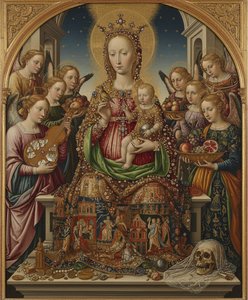
Carlo Crivelli: Misticismo e Materialità nel Rinascimento Veneziano
Esplora il misticismo e la straordinaria materialità nelle opere di Carlo Crivelli, maestro del Rinascimento veneziano. Analisi approfondita della sua tecnica pittorica, iconografia e eredità artistica.

The Enduring Legacy of Fine Art Prints: Technique, History & Aesthetic Impact
Explore the rich history & techniques of fine art prints. Discover investment potential, assess authenticity, and learn how to preserve your collection with expert guidance. Trusted insights for discerning collectors.


