 Anteprima in scala reale
 Condividi
 Condividi
 Dettagli

 Scarica immagine
 Articoli simili
 Radiografia
 Slideshow
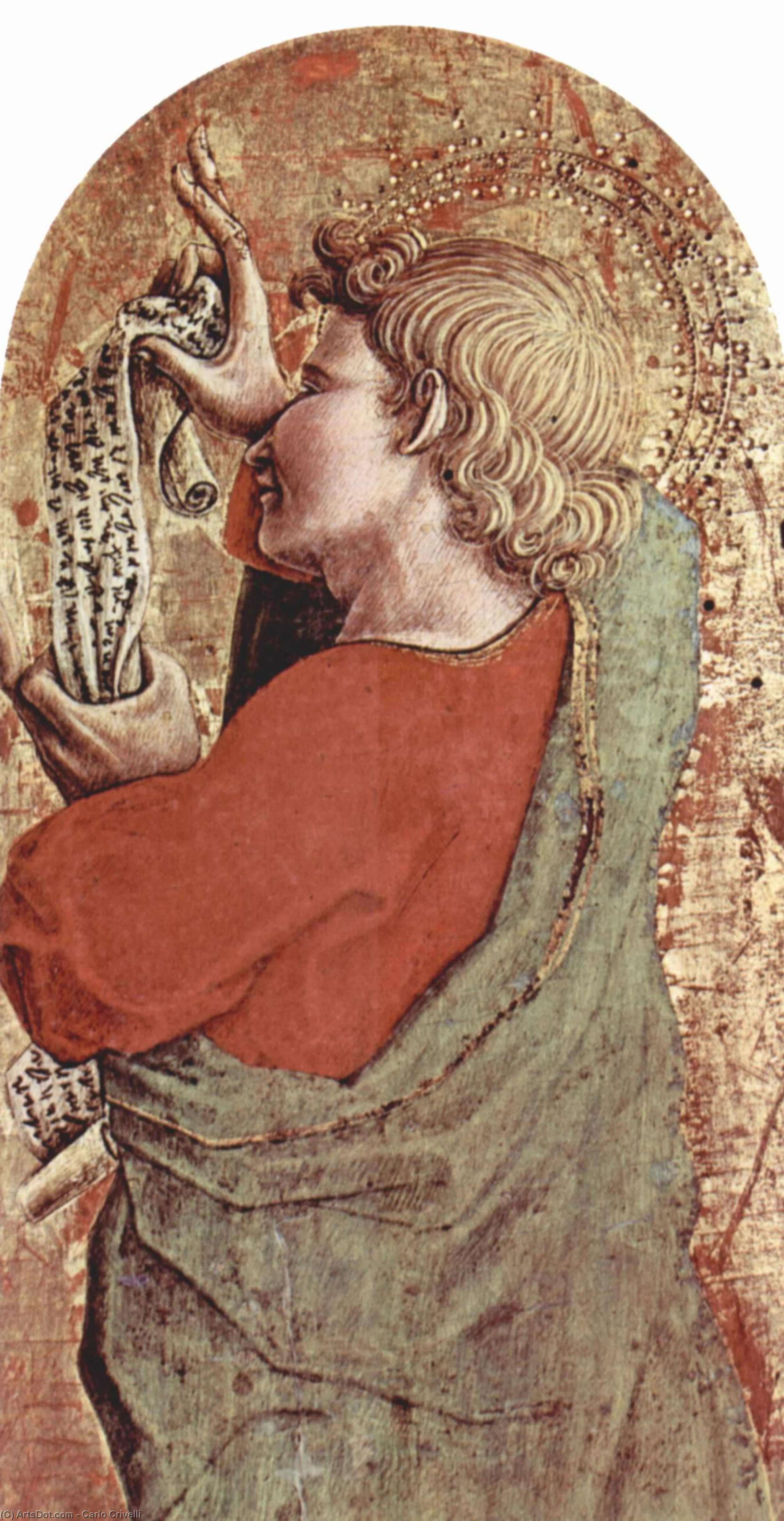
Saint James
 Oil On Panel
- Early Renaissance
 1473
1473- Renaissance
 29.0 x 17.0 cm
 Leggi tutto
Riproduzione a olio fatta a mano
Olio su tela dipinto a mano nelle tue dimensioni e con la tua cornice, realizzato su ordinazione dai nostri artisti. ( Passa alla stampa Passa all'immagine)




P118B $10

P118H $10

P118W $10

P438Z $10

P508JH $12

P508YH $12

P805H $10

P805Z $10

P919BZ $10

P919G $10

P919XJ $10

P959ZH $10

P968JZ $12

W106C $8

W218G $10

W218JH $8

W218Y $10

W307PJ $10

W316G $10

W316PJ $8

W316Y $10

W398PJ $8

W4111J $10

W500HY $15

W500JH $15

W692G $12

W849H $8

W940BG $15

W953PJ $8




Scegli tra le nostre dimensioni predefinite, che rispettano le proporzioni originali dell'opera d'arte.

È possibile inserire dimensioni personalizzate per adattare l'opera a una cornice o a uno spazio specifico. Se la dimensione selezionata non corrisponde alle proporzioni dell'immagine originale, provvederemo a ritagliare l'opera o a estendere il dipinto con elementi aggiuntivi dipinti a mano. Un mockup digitale ti sarà inviato per approvazione prima dell'inizio della produzione.
Si prega di notare che l'anteprima a schermo non riflette il ritaglio o l'estensione effettivi. Solo il mockup mostrerà accuratamente la composizione finale.
Sebbene siano disponibili dimensioni personalizzate, consigliamo di selezionare una dimensione dall'elenco predefinito per preservare le proporzioni originali.
Dopo l'ordine, il team di OriginalUniqueArt.com contatterà il cliente via e-mail per le istruzioni e fornirà un'anteprima del mockup
Consegna in tutto il mondo () in 3/4 settimane anziché nelle normali 5 settimane. (10 Agosto). Nessun compromesso sulla qualità.

Spedizione espressa gratuita in tutto il mondo

Tela in lino di alta qualità

Assicurazione completa sulla spedizione

Garanzia di rimborso dei dazi doganali

Garanzia di fedeltà cromatica dell'originale

Politica di reso entro 60 giorni (solo per difetti di fabbricazione)

Garanzia di rimborso al 100%

Sconto per acquisti multipli
 L'opzione vetro è disponibile solo per dimensioni inferiori a 110 cm

Saint James
Tecnica di riproduzione
Dimensioni della riproduzione
-


Prezzo totale
$ 300
Descrizione dell'opera
A Divine Encounter in Oil
In the quiet, textured depths of Carlo Crivelli’s Saint James, painted in 1473, viewers are transported to the dawn of the Italian Renaissance. This intimate masterpiece, rendered on a delicate wood panel, captures a moment of profound spiritual connection. The composition centers on a noble male figure—often identified through his attributes as a saintly presence—who rests his hand with gentle authority upon the head of a winged lion. There is an immediate, palpable sense of reverence in the way the figure holds his book, a symbol of divine wisdom and sacred scripture, while the lion gazals outward, bridging the gap between the earthly and the celestial. The painting does not merely depict a scene; it invites the observer into a meditative state, where the weight of history and the lightness of grace coexist.
The artistry of Crivelli is nothing short of mesmerizing, characterized by a meticulous attention to detail that defines his unique Venetian-influenced style. As an expert in the nuances of the Early Renaissance, one cannot help but admire the way the artist utilizes impasto techniques to breathe life into the fabric of the saint's crimson robes. The red pigments are layered with such richness that they seem to catch the light even in shadow, creating a tactile sensation of heavy, luxurious drapery. Crivelli’s mastery of trompe l'oeil—the art of optical illusion—is evident in the way the organic shapes of the lion’s wings and the anatomical precision of the figure’s hands emerge from a mottled, earthy background. This textured backdrop, far from being a mere void, acts as a weathered tapestry of time, lending the work an ancient, venerable soul.
Symbolism and the Renaissance Spirit
Beyond its aesthetic splendor, Saint James serves as a profound vessel for religious and civic symbolism. The presence of the winged lion is particularly evocative; while it serves as a companion to the saint, it also carries the heavy weight of Venetian identity, representing strength, majesty, and the watchful eye of the Republic. The interplay between the human form and the beast suggests a harmony between man’s intellect—represented by the book—and the untamed power of nature and divinity. For the discerning collector or interior designer, this piece offers more than just decoration; it provides a focal point of intellectual depth. The subtle lighting, descending from above to cast soft shadows across the musculature of the figure, creates a three-dimensional presence that commands attention in any curated space.
Integrating a reproduction of such historical significance into a modern environment allows for a sophisticated dialogue between the past and the present. Whether placed in a sunlit study or a grand, classical hallway, the work’s muted, earthy tones and dramatic highlights provide a sense of permanence and prestige. It is an artwork that rewards prolonged contemplation, offering new layers of meaning with every glance at its fine lines and masterful brushwork. To possess such a piece is to hold a fragment of the 15th century, a testament to the enduring power of Crivelli’s vision and the timeless beauty of the Renaissance spirit.
Biografia dell'artista
La Vita e la Formazione di Carlo Crivelli
Carlo Crivelli, pittore rinascimentale italiano, nacque intorno al 1430-35 a Venezia. Proveniente da una famiglia di pittori, ricevette la sua formazione artistica sia a Venezia che a Padova. La sua prima formazione è attribuita a Jacobello del Fiore, attivo ancora nel 1436. Studiò anche presso la scuola dei Vivarini a Venezia.Il Periodo Veneziano e le Prime Influenze
I primi anni di Crivelli furono trascorsi nel Veneto, dove assorbì influenze da Vivarini, Squarcione e Mantegna. Questi maestri contribuirono a plasmare il suo stile iniziale, ma fu la sua successiva permanenza nell'Ancona a definire la sua unicità artistica. Si nota una forte influenza gotica decorativa nei suoi primi lavori, sebbene già si intravedano elementi che anticipano l’avvento del Rinascimento.L'Ancona e lo Sviluppo di uno Stile Personale
Nel 1458, Crivelli lasciò il Veneto e trascorse la maggior parte della sua carriera nel Marchio d'Ancona. Qui sviluppò un suo stile distintivo che si contrapponeva a quello del contemporaneo veneziano Giovanni Bellini. Il suo lavoro è caratterizzato da una sensibilità decorativa gotica tardiva, segnata da una qualità lineare, attenzione ai dettagli e l’uso di tecniche "trompe-l'oeil". Questa fase rappresenta il culmine della sua originalità artistica.Opere Principali e Collaborazioni
* La pittura "Madonna e Bambino in trono" (106 x 55 cm, Museo di Belle Arti, Budapest, Ungheria) è un esempio emblematico del suo stile. * Crivelli collaborò con il fratello minore, Vittorio Crivelli, su diversi progetti artistici, dimostrando una forte coesione familiare nel campo dell'arte. * Pietro Alemanno, pittore immigrato dal Germania/Austria nel Marchio d’Ancona, fu allievo e collaboratore di Crivelli, beneficiando del suo insegnamento e contribuendo alla diffusione del suo stile.Eredità e Significato Storico
Carlo Crivelli morì intorno al 1495. La sua eredità artistica risiede nella capacità di aver saputo coniugare elementi gotici con influenze rinascimentali, creando uno stile unico e inconfondibile. Sebbene non sia stato un innovatore radicale come altri artisti del suo tempo, la sua attenzione al dettaglio, l'uso magistrale delle tecniche decorative e la profonda spiritualità che permea le sue opere lo rendono una figura importante nella storia dell’arte italiana. Le sue opere sono oggi conservate in importanti musei e collezioni:- Pinacoteca di Brera a Milano, Italia, che espone diverse opere di Crivelli, tra cui la "Pietà" (128 x 241 cm).
- Museo San Giovanni in Bragora a Venezia, Italia, che possiede una collezione di opere d'arte di vari periodi e stili, tra cui alcune attribuite a Crivelli.

Carlo Crivelli
1435 - 1495 , Italia
Informazioni rapide
- Artisti Influenti:
- Jacobello del Fiore
- Vivarini
- Squarcione
- Mantegna
- Collaboratori:
- Vittorio Crivelli
- Pietro Alemanno
- Data Di Nascita: 1435
- Luogo Di Nascita: Venezia, Italia
- Movimento Artistico: Rinascimento, Gotico tardo
- Nazionalità: Italiana
- Nome Completo: Carlo Crivelli
- Opere Notevoli: ['Madonna e Bambino in trono']
Articoli correlati

James Abbott McNeill Whistler: I 25 Capolavori che Definirono un'Epoca - Arte e Decorazioni di Lusso
Esplora i 25 capolavori di James Abbott McNeill Whistler, il maestro dell'estetismo e dei notturni. Scopri la storia, le tecniche e l'armonia unica nei suoi dipinti più famosi. Stampe d'arte e riproduzioni di alta qualità su OriginalUniqueArt.com.

Sir Alfred James Munnings: I 25 Capolavori che Celebrano la Bellezza del Cavallo e della Campagna Inglese
Esplora i 25 capolavori di Alfred James Munnings, pittore inglese celebrato per la sua arte equestre e i paesaggi rurali. Scopri storie, tecniche e colori unici. Stampe d'arte e riproduzioni su OriginalUniqueArt.com!
Oil on Board: A Historical Survey of Technique, Aesthetic Qualities & Enduring Appeal
Explore the rich history of oil on board painting! Discover techniques, aesthetic qualities & enduring appeal from early masters to modern practice. Expert insights for collectors and art enthusiasts.

The Enduring Legacy of Oil on Canvas: Technique, History & Aesthetic Impact
Explore the rich history & techniques of oil painting – from Renaissance masters to Impressionism. Discover pigments, layering methods, and why this timeless medium endures. Expert insights for artists & art enthusiasts.

Oil on Canvas: A Historical & Technical Exploration of a Timeless Artistic Medium
Explore the rich history & enduring techniques of oil painting on canvas. Discover the science behind its longevity, conservation practices, and contemporary relevance. Expert insights for art enthusiasts.