

 Anteprima in scala reale
 Condividi
 Condividi
 Dettagli
 Guida stampabile

 Scarica
 Articoli simili
 Radiografia
 Slideshow
 Statistiche
Enthroned Madonna


 Leggi tutto
Giclée / Stampe d'arte
Stampa giclée o su tela di qualità museale, con produzione rapida e diverse opzioni di finitura. ( Ordina la riproduzione dipinta a mano Passa all'immagine digitale)




P118B €10

P118H €10

P118W €10

P438Z €10

P508JH €12

P508YH €12

P805H €10

P805Z €10

P919BZ €10

P919G €10

P919XJ €10

P959ZH €10

P968JZ €12

W106C €8

W218G €10

W218JH €8

W218Y €10

W307PJ €10

W316G €10

W316PJ €8

W316Y €10

W398PJ €8

W4111J €10

W500HY €15

W500JH €15

W692G €12

W849H €8

W940BG €15

W953PJ €8




Scegli tra le nostre dimensioni predefinite, che rispettano le proporzioni originali dell'opera d'arte.

Inserisci la larghezza e l'altezza desiderate, per adattarle alla tua cornice o alla tua parete. Una stampa può essere solo ritagliata, mai resa più grande dell'immagine originale; pertanto, un formato con una forma differente comporterà la perdita di una parte dell'opera. Ti invieremo un mockup digitale da approvare prima di procedere con la stampa. L'immagine mostrata in questa pagina non rappresenta il ritaglio reale — solo il mockup lo mostra.
Consegna in tutto il mondo () in 2 settimane invece delle normali 4/5 settimane. (22 Ottobre)

Spedizione espressa gratuita in tutto il mondo

Tela in lino di alta qualità

Assicurazione completa sulla spedizione

Garanzia di rimborso dei dazi doganali

Garanzia di perfetta fedeltà cromatica

Politica di reso entro 100 giorni (solo per difetti di fabbricazione)

Garanzia di rimborso al 100%

Sconto per acquisti multipli
 L'opzione vetro è disponibile solo per dimensioni inferiori a 110 cm

Enthroned Madonna
Giclée / Stampe d'arte
Dimensioni della riproduzione
-


Prezzo totale
€ 70
A Throne of Faith: Carlo Crivelli’s “Enthroned Madonna”
The year is 1473, and within the bustling workshops of Venice, Carlo Crivelli was meticulously crafting an image destined to resonate through centuries – the “Enthroned Madonna.” This isn't merely a portrait; it’s a profound meditation on faith, royalty, and divine motherhood, rendered with the meticulous detail characteristic of the early Renaissance. The panel painting, measuring an unknown size but radiating an undeniable presence, immediately draws the viewer into its richly layered composition, a testament to Crivelli’s skill in blending Venetian influences with his own developing artistic voice.
Crivelli's journey began in Venice, absorbing the linear elegance of Jacopo Bellini and the vibrant color palettes of Giovanni Bellini. However, he soon sought his own path, establishing a base in the March of Ancona, where he cultivated a style that prioritized clarity, decorative elements, and a subtly restrained emotionality. This piece exemplifies that approach perfectly – it’s not an explosion of feeling, but rather a carefully constructed tableau of piety and reverence.
A Symphony of Figures: Composition and Technique
The painting centers on the Virgin Mary, seated upon a magnificent throne adorned with intricate gold leaf and geometric patterns. She holds the Christ Child in her lap, his gaze serene and accepting. Surrounding them is a carefully orchestrated procession of saints and biblical figures – St. John the Baptist, St. Peter, and various other prophets and martyrs – each rendered with remarkable precision. The arrangement follows a clear hierarchical structure, reflecting the importance of Mary and Christ within Christian theology. Crivelli masterfully employs perspective, creating a sense of depth through overlapping forms and subtle shading, though it’s characteristic of the period's panel painting techniques rather than a fully developed Renaissance approach.
The technique itself is rooted in tempera on wood panel, a medium favored for its durability and ability to achieve luminous colors. The surface has a slightly textured quality, indicative of multiple layers of paint applied over time. Close examination reveals the artist’s deliberate attention to detail – the folds of the drapery, the intricate patterns on the throne, and the delicate rendering of each figure's facial features all speak to Crivelli’s dedication to his craft.
Symbolism Woven into the Fabric
Beyond its formal composition, the “Enthroned Madonna” is laden with symbolic meaning. The throne itself represents Mary’s divine status and her role as Queen of Heaven. The gold leaf symbolizes wealth, glory, and the sacredness of the subject matter. The lilies held by Mary are a traditional symbol of purity and innocence. Christ's presence signifies his divinity and humanity, while his gestures suggest acceptance and grace. Even the positioning of the figures – Mary seated centrally, with Christ nestled in her lap – reinforces their central importance within the Christian narrative.
The inclusion of various saints serves to underscore the universality of faith and the interconnectedness of the heavenly court. Each figure is carefully chosen to represent a specific virtue or aspect of Christian belief, contributing to the painting’s overall message of spiritual authority and devotion. The use of halos, a common feature in Renaissance art, further emphasizes the holiness of these figures.
A Legacy of Devotion
Carlo Crivelli's “Enthroned Madonna” is more than just a beautiful artwork; it’s a window into the religious and artistic sensibilities of 15th-century Italy. Its enduring appeal lies in its masterful composition, meticulous technique, and profound symbolism – a testament to the power of art to convey complex theological ideas with grace and elegance. Reproductions of this piece offer a captivating glimpse into a world where faith, royalty, and beauty converged, continuing to inspire contemplation and reverence today.
Domande e risposte
A quale emozione è associata "Enthroned Madonna"?
"Enthroned Madonna" di Carlo Crivelli trasmette un tono emotivo Spiritual.
Che atmosfera trasmette "Enthroned Madonna"?
"Enthroned Madonna" ha un'atmosfera Elegant.
È disponibile un download ad alta risoluzione di "Enthroned Madonna"?
Per ottenere un file digitale di "Enthroned Madonna" di Carlo Crivelli, ordina download di un'immagine digitale ad alta risoluzione nella sua pagina Immagine Digitale.
Biografia dell'artista
La Vita e la Formazione di Carlo Crivelli
Carlo Crivelli, pittore rinascimentale italiano, nacque intorno al 1430-35 a Venezia. Proveniente da una famiglia di pittori, ricevette la sua formazione artistica sia a Venezia che a Padova. La sua prima formazione è attribuita a Jacobello del Fiore, attivo ancora nel 1436. Studiò anche presso la scuola dei Vivarini a Venezia.Il Periodo Veneziano e le Prime Influenze
I primi anni di Crivelli furono trascorsi nel Veneto, dove assorbì influenze da Vivarini, Squarcione e Mantegna. Questi maestri contribuirono a plasmare il suo stile iniziale, ma fu la sua successiva permanenza nell'Ancona a definire la sua unicità artistica. Si nota una forte influenza gotica decorativa nei suoi primi lavori, sebbene già si intravedano elementi che anticipano l’avvento del Rinascimento.L'Ancona e lo Sviluppo di uno Stile Personale
Nel 1458, Crivelli lasciò il Veneto e trascorse la maggior parte della sua carriera nel Marchio d'Ancona. Qui sviluppò un suo stile distintivo che si contrapponeva a quello del contemporaneo veneziano Giovanni Bellini. Il suo lavoro è caratterizzato da una sensibilità decorativa gotica tardiva, segnata da una qualità lineare, attenzione ai dettagli e l’uso di tecniche "trompe-l'oeil". Questa fase rappresenta il culmine della sua originalità artistica.Opere Principali e Collaborazioni
* La pittura "Madonna e Bambino in trono" (106 x 55 cm, Museo di Belle Arti, Budapest, Ungheria) è un esempio emblematico del suo stile. * Crivelli collaborò con il fratello minore, Vittorio Crivelli, su diversi progetti artistici, dimostrando una forte coesione familiare nel campo dell'arte. * Pietro Alemanno, pittore immigrato dal Germania/Austria nel Marchio d’Ancona, fu allievo e collaboratore di Crivelli, beneficiando del suo insegnamento e contribuendo alla diffusione del suo stile.Eredità e Significato Storico
Carlo Crivelli morì intorno al 1495. La sua eredità artistica risiede nella capacità di aver saputo coniugare elementi gotici con influenze rinascimentali, creando uno stile unico e inconfondibile. Sebbene non sia stato un innovatore radicale come altri artisti del suo tempo, la sua attenzione al dettaglio, l'uso magistrale delle tecniche decorative e la profonda spiritualità che permea le sue opere lo rendono una figura importante nella storia dell’arte italiana. Le sue opere sono oggi conservate in importanti musei e collezioni:- Pinacoteca di Brera a Milano, Italia, che espone diverse opere di Crivelli, tra cui la "Pietà" (128 x 241 cm).
- Museo San Giovanni in Bragora a Venezia, Italia, che possiede una collezione di opere d'arte di vari periodi e stili, tra cui alcune attribuite a Crivelli.

Carlo Crivelli
1435 - 1495 , Italia
Informazioni rapide
- Artisti Influenti:
- Jacobello del Fiore
- Vivarini
- Squarcione
- Mantegna
- Collaboratori:
- Vittorio Crivelli
- Pietro Alemanno
- Data Di Nascita: 1435
- Luogo Di Nascita: Venezia, Italia
- Movimento Artistico: Rinascimento, Gotico tardo
- Nazionalità: Italiana
- Nome Completo: Carlo Crivelli
- Opere Notevoli: ['Madonna e Bambino in trono']
Articoli correlati
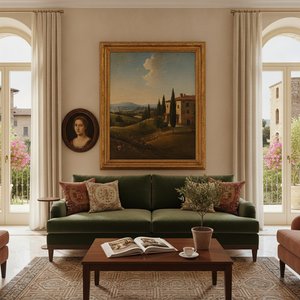
The Art of Italian Living: Transform Your Home with Timeless Landscapes and Renaissance Masterpieces
Elevate your home with the timeless romance of Italy. Discover expert-curated, hand-painted Italian landscapes and Renaissance-inspired masterpieces. From bespoke oil reproductions to custom portraits from photos, transform your space with elegance and artistic passion.
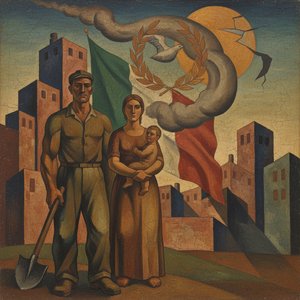
Mario Sironi: Poesia dell'Identità Italiana tra Simbolismo e Commento Sociale nel Novecento
Esplora la poetica di Mario Sironi e il suo ruolo chiave nel Novecento Italiano. Analisi approfondita del simbolismo, dell'impegno sociale e dell'influenza della Metafisica sulla sua arte. Scopri l'eredità di questo maestro italiano.

Carlo Carrà: Visioni Futuriste e Trasformazioni Metafisiche nella Pittura Italiana del Primo Novecento
Esplora la vita e le opere di Carlo Carrà, figura chiave del Futurismo e della Pittura metafisica italiana. Analisi approfondite, contesto storico e l'eredità artistica di un maestro del Novecento.
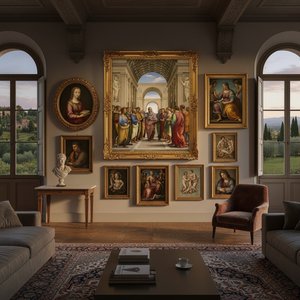
Raffaello Sanzio: I 25 Capolavori Immortali dell'Arte Rinascimentale | OriginalUniqueArt
Esplora i 25 capolavori immortali di Raffaello Sanzio, il maestro del Rinascimento italiano. Scopri la storia, le tecniche e l'emozione dietro dipinti iconici come 'La Scuola di Atene'. Trova riproduzioni d'arte di alta qualità per decorare casa tua su OriginalUniqueArt.com.
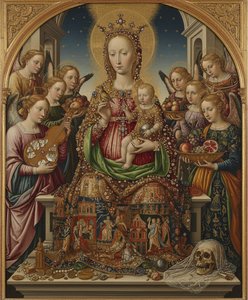
Carlo Crivelli: Misticismo e Materialità nel Rinascimento Veneziano
Esplora il misticismo e la straordinaria materialità nelle opere di Carlo Crivelli, maestro del Rinascimento veneziano. Analisi approfondita della sua tecnica pittorica, iconografia e eredità artistica.


