
 Anteprima in scala reale
 Condividi
 Condividi
 Dettagli

 Scarica immagine
 Articoli simili
 Radiografia
 Slideshow
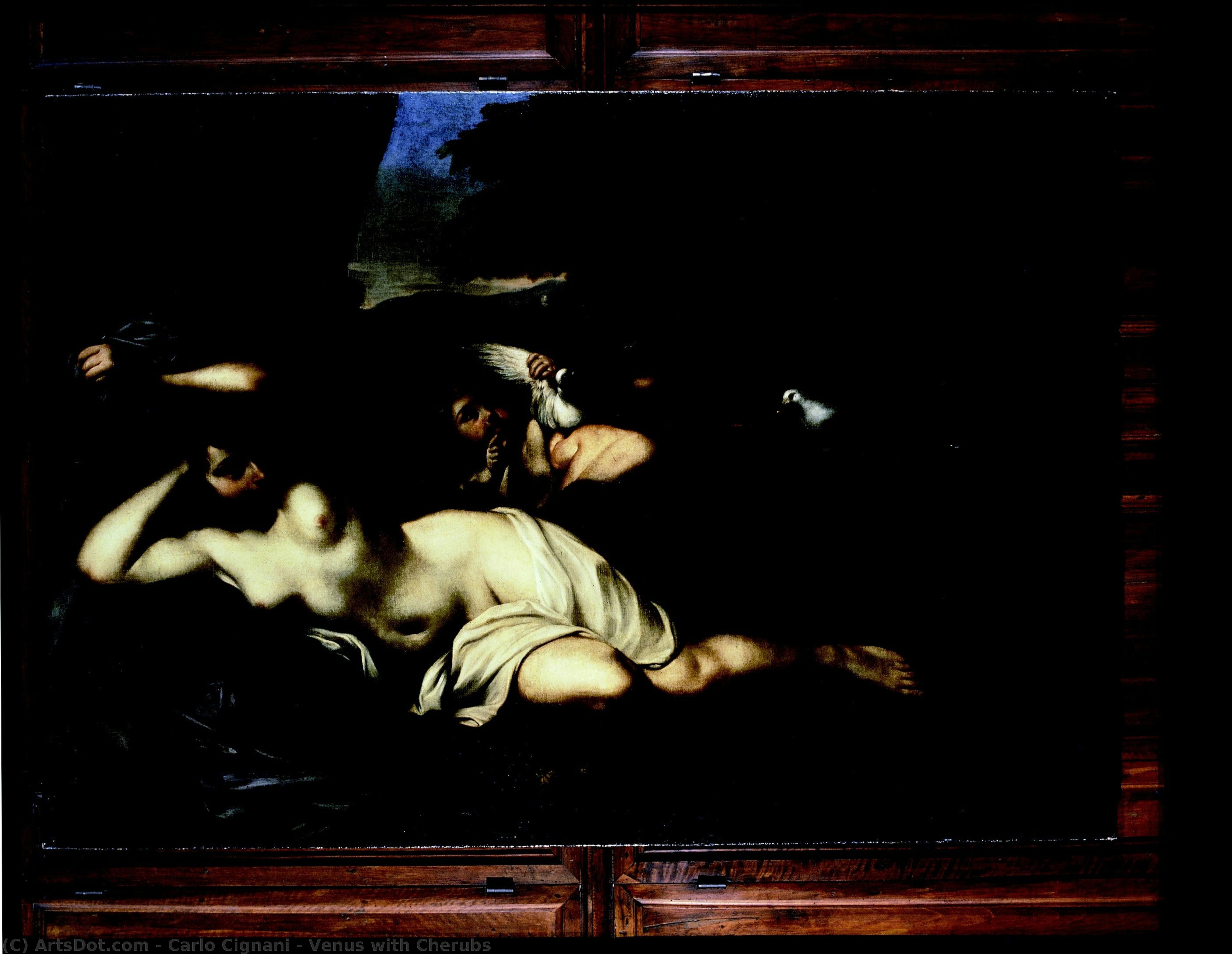
Venus with Cherubs
 Oil On Canvas
- WallArt
- Baroque
 185.0 x 130.0 cm
 Fondazione Cariplo
 Leggi tutto
Riproduzione a olio fatta a mano
Olio su tela dipinto a mano nelle tue dimensioni e con la tua cornice, realizzato su ordinazione dai nostri artisti. ( Passa alla stampa Passa all'immagine)




P118B $10

P118H $10

P118W $10

P438Z $10

P508JH $12

P508YH $12

P805H $10

P805Z $10

P919BZ $10

P919G $10

P919XJ $10

P959ZH $10

P968JZ $12

W106C $8

W218G $10

W218JH $8

W218Y $10

W307PJ $10

W316G $10

W316PJ $8

W316Y $10

W398PJ $8

W4111J $10

W500HY $15

W500JH $15

W692G $12

W849H $8

W940BG $15

W953PJ $8




Scegli tra le nostre dimensioni predefinite, che rispettano le proporzioni originali dell'opera d'arte.

È possibile inserire dimensioni personalizzate per adattare l'opera a una cornice o a uno spazio specifico. Se la dimensione selezionata non corrisponde alle proporzioni dell'immagine originale, provvederemo a ritagliare l'opera o a estendere il dipinto con elementi aggiuntivi dipinti a mano. Un mockup digitale ti sarà inviato per approvazione prima dell'inizio della produzione.
Si prega di notare che l'anteprima a schermo non riflette il ritaglio o l'estensione effettivi. Solo il mockup mostrerà accuratamente la composizione finale.
Sebbene siano disponibili dimensioni personalizzate, consigliamo di selezionare una dimensione dall'elenco predefinito per preservare le proporzioni originali.
Dopo l'ordine, il team di OriginalUniqueArt.com contatterà il cliente via e-mail per le istruzioni e fornirà un'anteprima del mockup
Consegna in tutto il mondo () in 3/4 settimane anziché nelle normali 5 settimane. (8 Agosto). Nessun compromesso sulla qualità.

Spedizione espressa gratuita in tutto il mondo

Tela in lino di alta qualità

Assicurazione completa sulla spedizione

Garanzia di rimborso dei dazi doganali

Garanzia di fedeltà cromatica dell'originale

Politica di reso entro 60 giorni (solo per difetti di fabbricazione)

Garanzia di rimborso al 100%

Sconto per acquisti multipli
 L'opzione vetro è disponibile solo per dimensioni inferiori a 110 cm

Venus with Cherubs
Tecnica di riproduzione
Dimensioni della riproduzione
-


Prezzo totale
$ 300
Descrizione dell'opera
Carlo Cignani’s Venus with Cherubs: A Symphony of Baroque Sensuality
Carlo Cignani (1628–1719) stands as a pivotal figure in the waning years of the Baroque era, embodying its refined elegance and intellectual depth. Unlike some contemporaries who embraced radical innovation, Cignani championed ‘new manner,’ marking a subtle shift away from the dramatic fervor of earlier masters—a stylistic evolution that profoundly influenced artists like Guido Reni and Guercino. His legacy resides not in groundbreaking experimentation but in masterful consolidation, securing his place as one of the last great exponents of Bolognese classicism – a tradition he skillfully revived after decades of stylistic decline. Details surrounding his formative years remain somewhat elusive; biographical records indicate he hailed from a noble family possessing modest resources, and his subsequent artistic journey would propel him to international acclaim.- Subject Matter: The painting depicts Venus reclining with two cherubic figures—a scene steeped in mythological allusion and embodying the ideals of beauty and love central to classical culture.
- Style & Movement: Cignani’s work firmly anchors itself within Baroque aesthetics, characterized by dramatic chiaroscuro lighting, emotional intensity, and dynamic compositional arrangements. This stylistic approach reflects a broader trend toward portraying human experience with heightened expressive power.
- Technique: Executed in oil paints on canvas, the artwork demonstrates meticulous attention to detail—evident in the subtle blending of colors and gradations of tone achieved through masterful brushwork. The artist’s technique prioritizes capturing the essence of form and texture, resulting in a luminous surface finish.
Historical Context & Artistic Influences
Cignani's artistic development coincided with a period of significant cultural transformation in Bologna—a city renowned for its vibrant artistic milieu during the Baroque zenith. He absorbed influences from masters such as Correggio and Melozzo da Forlì, whose explorations of light and perspective profoundly impacted Bolognese painters. Furthermore, Cignani’s oeuvre bears testament to the enduring legacy of Caravaggio's revolutionary realism—a stylistic impulse that championed naturalism alongside expressive emotion. The artist’s engagement with these precedents underscores his commitment to upholding artistic traditions while simultaneously pushing boundaries within established conventions.Symbolism & Emotional Resonance
The painting’s symbolism transcends mere depiction; it speaks to deeper philosophical concepts concerning femininity, divine grace, and the pursuit of spiritual contemplation. Venus herself embodies idealized beauty—a reflection of humanist ideals prevalent during the Baroque period—while the cherubs serve as emblems of innocence and celestial benevolence. The artist skillfully orchestrates visual elements to evoke a palpable sense of serenity and sensual allure—capturing not only the physical form but also the psychological state of the depicted figures. This masterful manipulation of artistic conventions contributes significantly to the artwork’s enduring emotional impact.Provenance & Reproduction Quality
A print of approximately 1730 by Giovanni Antonio Lorenzini, commissioned for Palazzo Pitti and subsequently housed in the Grand Prince Ferdinand's collection, provides valuable insight into Cignani’s artistic reputation during his lifetime. Recent scholarship suggests that Venus with Cherubs—alongside a second version—was destined for Cosimo III of Tuscany’s Gallery of Uffizi, demonstrating its recognition as among the finest achievements of Cignani’s oeuvre. Reproductions crafted by OriginalUniqueArt.com adhere to stringent quality standards, ensuring faithful representation of the original artwork's luminosity and textural nuances—a testament to the artist’s enduring legacy and a captivating addition to any discerning collector’s portfolio.Biografia dell'artista
Early Life and Artistic Training
- Born: Around 1630 in Bologna, Italy
- Family Background: Details scarce; known to have had a son, Felice Cignani (1660–1724), also a painter, and a nephew, Paolo Cignani (1709–1764).
- Early Influences: Deeply inspired by Correggio's frescoes in the cupola of the Cathedral of Parma and Melozzo da Forlì’s perspective techniques.
- Artistic Training: Initially trained under Albani, absorbing his elaborate finish and use of color.
- Accademia del Nudo: Established an accademia del nudo in Bologna for painting from models, demonstrating a commitment to anatomical study. Giuseppe Maria Crespi was one of his pupils.
Major Works and Artistic Development
- Assumption of Saint Rose of Lima: A significant work painted in Forlì, showcasing his ability to create dramatic compositions under ceilings.
- Entry of Paul III into Bologna: Depicts a historical event with characteristic intellectual character.
- Francis I Touching for Kings Evil: Demonstrates skill in portraying royal figures and courtly scenes.
- Power of Love: Painted under a ceiling by Agostino Carracci, highlighting his versatility across different artistic styles.
- Adam and Eve: Exhibited at Dresden and Copenhagen, reflecting his international recognition.
- Joseph and Potiphar's Wife: Multiple versions exist (Dresden, Ajaccio), illustrating a recurring theme in his oeuvre.
Artistic Influences and Style
- Correggio: Profound influence on his use of color and dramatic compositions, particularly evident in the Assumption of Saint Rose of Lima.
- Melozzo da Forlì: Inspired his perspective techniques and ability to create illusionistic space.
- Albani: Absorbed Albani’s style, though developed a distinct intellectual character in his works.
- Agostino Carracci: Collaborated with Carracci on the Power of Love, demonstrating versatility across different artistic styles.
- Style Characteristics: Intellectual character, elaborate finish, use of color inspired by Correggio, and mastery of perspective techniques influenced by Melozzo da Forlì.
Historical Significance and Legacy
- International Recognition: Works exhibited at Dresden and Copenhagen, reflecting his international acclaim.
- Pupil Influence: Mentored numerous artists including Giuseppe Maria Crespi, Paolo Antonio Paderna., and Sante Vandi, contributing to the development of Bolognese art.
- Self-Portrait: A valuable record of his appearance and artistic identity.
- Pinacoteca Civica in Forlì: Several works housed in the Pinacoteca Civica, ensuring preservation and accessibility for future generations.
- Lasting Impact: Recognized as a significant figure in Bolognese art history, known for intellectual character, mastery of perspective, and influence on subsequent artists.
Later Years and Death
- Circolo della Scranna, Forlì: Aurora painted here.
- Pinacoteca Civica: Incoronazione di Santa Rosa (Coronation of Saint Rose of Lima) housed here.
- Death: Details scarce; presumed to have died after a prolific career.

Carlo Cignani
1628 - 1719 , Italia
Informazioni rapide
- Artistic Movement Or Style: Barocco bolognese
- Artists Or Movements Influenced By This Artist:
- Sante Vandi
- Scuola bolognese
- Artists Who Influenced This Artist:
- Paolo Antonio Paderna
- Giuseppe Maria Crespi
- Date Of Birth: 1692
- Full Name: Paolo Antonio Paderna
- Nationality: Italiana
- Notable Artworks:
- Ritratto di Sante Vandi
- Allegoria della Pittura
- San Carlo Borromeo
- Bacco e Arianna
- Place Of Birth: Bologna, Italia
Articoli correlati

Baroque Classicism: The Grandeur of Order and Drama in 17th-Century Art History
Explore the profound elegance of Baroque Classicism. Discover how 17th-century masters synthesized dramatic emotion with classical order through the lens of the Counter-Reformation and the works of legends like Carlo Maratta and Andrea Sacchi.
Echoes of Olympus: Mythological Narratives in Western Art Through the Ages
Explore the captivating history of mythological narratives in Western art! From ancient Greece to modern masterpieces, discover iconic artworks & symbolism. Expert analysis and high-quality reproductions at OriginalUniqueArt.

Il Dramma Barocco: Portare Splendore ed Emozione negli Interni Contemporanei
Scopri come portare il dramma e lo splendore dell'arte barocca nei tuoi interni con . Riproduzioni di alta qualità, consulenza d'arte personalizzata e ispirazione per uno stile unico.

The Dramatic Flourish: Exploring the Baroque Movement's Enduring Legacy in Art History
Explore the dramatic world of Baroque art! Discover iconic artists like Caravaggio & Rubens, defining techniques, and its lasting impact on art history. Expert insights for collectors & enthusiasts at OriginalUniqueArt.

I 10 Capolavori Barocchi che Hanno Definito un'Epoca | Arte e Decorazioni di Lusso
Esplora i 10 capolavori barocchi di Caravaggio, Bernini e Rembrandt che hanno rivoluzionato l'arte. Scopri storie, tecniche e colori iconici. Trova riproduzioni d'arte di alta qualità per la tua casa su !


