
 Anteprima in scala reale
 Invia
Invia Condividi
 Dettagli opera
 Guida
Guida

 Scarica
 Simili
 Radiografia
 Slideshow
 Q&A
Q&A Statistiche
Untitled (AQTDLT)


 Espandi i dettagli
Giclée / Stampe d'arte
Stampa giclée o su tela di qualità museale, con produzione rapida e diverse opzioni di finitura. ( Acquista il dipinto realizzato a mano Passa all'immagine digitale)




P118B €10

P118H €10

P118W €10

P438Z €10

P508JH €12

P508YH €12

P805H €10

P805Z €10

P919BZ €10

P919G €10

P919XJ €10

P959ZH €10

P968JZ €12

W106C €8

W218G €10

W218JH €8

W218Y €10

W307PJ €10

W316G €10

W316PJ €8

W316Y €10

W398PJ €8

W4111J €10

W500HY €15

W500JH €15

W692G €12

W849H €8

W940BG €15

W953PJ €8




Scegli tra le nostre dimensioni predefinite, che rispettano le proporzioni originali dell'opera d'arte.

Inserisci la larghezza e l'altezza desiderate, per adattarle alla tua cornice o alla tua parete. Una stampa può essere solo ritagliata, mai resa più grande dell'immagine originale; pertanto, un formato con una forma differente comporterà la perdita di una parte dell'opera. Ti invieremo un mockup digitale da approvare prima di procedere con la stampa. L'immagine mostrata in questa pagina non rappresenta il ritaglio reale — solo il mockup lo mostra.
Consegna in tutto il mondo () in 2 settimane invece delle normali 4/5 settimane. (1 Novembre)

Spedizione espressa gratuita in tutto il mondo

Tela in lino di alta qualità

Assicurazione completa sulla spedizione

Garanzia di rimborso dei dazi doganali

Garanzia di fedeltà cromatica assoluta

Politica di reso entro 100 giorni (solo per difetti di fabbricazione)

Garanzia di rimborso al 100%

Offerta per acquisti multipli
 L'opzione vetro è disponibile solo per dimensioni inferiori a 110 cm

Untitled (AQTDLT)
Giclée / Stampe d'arte
Dimensioni riproduzione
-


Prezzo finale calcolato
€ 71
A Majestic Vista: Carleton Watkins’ 1883 Depiction of Mountain & Town Life
- Subject and Composition: This striking black and white photograph by Carleton Watkins presents a compelling juxtaposition of the natural world and burgeoning human settlement. A dominant, imposing mountain forms the backdrop, its scale dwarfing the town nestled at its base. The composition skillfully balances these elements – the rugged wilderness versus the ordered structures of civilization. Numerous buildings, identifiable by their chimneys, populate the townscape, suggesting a thriving community. The inclusion of a train adds another layer to this narrative, hinting at connectivity and progress.
- Technique & Style: Watkins was a master of the collodion wet-plate process, demanding meticulous preparation and execution in the field. This technique resulted in images characterized by incredible detail, tonal range, and sharpness – qualities readily apparent here. The photograph isn’t merely a record; it's an *interpretation* of the landscape. Watkins didn’t simply capture what was there; he carefully selected viewpoints, controlled exposure, and utilized large-format cameras to create images that conveyed his artistic vision. His style leans towards Pictorialism, emphasizing aesthetic beauty and atmospheric effects over purely documentary accuracy.
Historical Context: The American West & the Railroad’s Influence
- The Era of Expansion: Created in 1883, this photograph exists within a pivotal moment in American history – the rapid expansion westward. Following the Civil War, the completion of the transcontinental railroad spurred settlement and economic development across the West. Watkins’ work often documented these changes, serving as both artistic statements and visual records of a transforming nation.
- Watkins & Preservation: Interestingly, while documenting this expansion, Watkins' photographs also played a crucial role in advocating for the preservation of Western landscapes. His images were instrumental in convincing Congress to establish Yosemite National Park – a testament to the power of photography as an agent of conservation.
- The train visible within the scene is not merely a detail; it’s symbolic of this era, representing progress, connection, and the changing relationship between humans and the environment.
Emotional Impact & Symbolic Resonance
- A Sense of Awe: The photograph evokes a powerful sense of awe in the face of nature’s grandeur. The sheer scale of the mountain inspires humility, while the town represents human ambition and resilience.
- Contrasts & Tensions: There's an underlying tension within the image – a contrast between the untamed wilderness and the ordered world created by humans. This duality speaks to the complex relationship between civilization and nature, a theme that continues to resonate today.
- Timeless Appeal: Watkins’ masterful composition and technical skill ensure this photograph remains captivating for contemporary viewers. It offers not only a glimpse into the past but also prompts reflection on our own place within the natural world.
Domande e risposte
In che modo "Untitled (AQTDLT)" si inserisce nel percorso artistico di Carleton Watkins?
"Untitled (AQTDLT)" condivide con le altre opere di Carleton Watkins lo stile American Romanticism e i temi ricorrenti: american romanticism, westward expansion, landscape pioneer, railroad era views, conservationist themes, yosemite advocacy, photographic documentation, early landscape photography.
Quanto sono armoniosi i colori di "Untitled (AQTDLT)" di Carleton Watkins?
"Untitled (AQTDLT)" di Carleton Watkins presenta un'armonia cromatica Strong Color Unity.
Dove posso trovare una guida dedicata a "Untitled (AQTDLT)"?
È disponibile una pagina Schede didattiche per "Untitled (AQTDLT)" di Carleton Watkins: una scheda informativa stampabile sull'opera d'arte, pensata per studenti e per l'uso didattico in classe.
Biografia dell'artista
Carleton Watkins: Il pioniere della fotografia di paesaggio
Le origini e la giovinezza (1829-1851)
- Nascita: 11 novembre 1829, a Oneonta, New York.
- Carleton E. Watkins era il primogenito di otto figli nati da John e Julia Watkins, rispettivamente un carpentiere e una locandiera.
- Trascorse un'infanzia immersa nella natura, sviluppando abilità come cacciatore e pescatore e partecipando ad attività locali come il coro della chiesa presbiteriana e il glee club.
- Nel 1851, spinto dalla promessa di fortuna, Watkins intraprese un viaggio verso San Francisco insieme al suo amico d'infanzia, Collis Huntington.
L'inizio della carriera e le prime sperimentazioni fotografiche (1851-1861)
- Sebbene inizialmente non riuscirono a trovare l'oro, sia Watkins che Huntington trovarono il proprio successo in campi differenti.
- Watkins iniziò lavorando come fornitore di rifornimenti per le operazioni minerarie, prima di diventare commesso nella libreria di George Murray.
- Un momento cruciale: Un'imprevista vacanza nello studio del dagherrotipista Robert H. Vance portò Watkins all'apprendistato, nonostante non avesse alcuna esperienza fotografica precedente.
- Egli padroneggiò rapidamente l'arte della fotografia, superando il suo maestro e costruendo una reputazione basata sulla qualità del proprio lavoro.
- Entro il 1858, Watkins stabilì la propria attività fotografica, accettando incarichi come l'illustrazione della California per James Mason Hutchings e la documentazione di proprietà minerarie.
Yosemite ed era delle lastre Mammoth (1861-1867)
- La svolta: Nel luglio 1861, Watkins si recò nella Yosemite Valley, equipaggiato con la sua fotocamera per lastre mammoth (che utilizzava vetri da 18x2 22 pollici) e una fotocamera stereoscopica.
- Egli catturò alcune delle prime fotografie dettagliate di Yosemite, mostrando la sua maestosità al pubblico dell'est americano.
- Queste immagini furono fondamentali per convincere il Congresso a preservare la Yosemite Valley come parco nazionale – una vera testimonianza del potere della documentazione visiva.
- Nel 1864, ricevette l'incarico dal California State Geological Survey di fotografare Yosemite.
- Aprì la sua prima galleria pubblica nel 1867 ed espose all'Esposizione Universale di Parigi, dove ricevette una medaglia per il suo lavoro.
Successo, difficoltà e gli anni della maturità (1867-1916)
- La “Yosemite Art Gallery” di Watkins esponeva oltre cento ampie vedute della costa del Pacifico e migliaia di immagini stereoscopiche.
- Sfide imprenditoriali: Nonostante il successo artistico, Watkins ebbe difficoltà nella gestione aziendale e perse la sua galleria a favore del creditore J.J. Cook, il quale riprodusse le sue opere senza riconoscerne la paternità, a causa della mancanza di leggi sul copyright fotografico all'epoca.
- Egli rispose creando una “Nuova Serie” di immagini, nel tentativo di rivendicare la propria visione artistica.
- Watkins sposò Frances Sneed nel 1879 e ebbe due figli: Julia (nata nel 1881) e Collis (nato nel 1883).
- Il progressivo deterioramento della vista ostacolò il suo lavoro negli anni '90, culminando nell'impossibilità di completare un incarico per Phoebe Hearst.
Gli ultimi anni e l'eredità lasciata al mondo
- Le difficoltà finanziarie costrinsero la famiglia Watkins a vivere in un vagone ferroviario per diciotto mesi.
- Il terremoto e l'incendio di San Francisco del 1906 distrussero il suo studio, insieme a innumerevoli fotografie e negativi.
- Watkins si ritirò al Capay Ranch e fu dichiarato incapace nel 1910, venendo ricoverato nel Napa State Hospital for the Insane.
- Morte: Morì nel 1916 e fu sepolto in una tomba senza nome nei pressi dell'ospedale.
- L'eredità di Watkins perdura come quella di un pioniere della fotografia di paesaggio, le cui immagini non hanno solo catturato la bellezza dell'Ovest americano, ma hanno giocato un ruolo cruciale nella sua stessa conservazione.

Carleton Watkins
1829 - 1916 , Stati Uniti
Dettagli rapidi
- Artistic Movement Or Style: Landscape Photography
- Artists Or Movements Influenced By This Artist: ['Hudson River School']
- Artists Who Influenced This Artist: ['Robert H. Vance']
- Date Of Birth: 1829-11-11
- Full Name: Carleton Emmons Watkins
- Nationality: American
- Notable Artworks:
- The Devil
- Pohono, Bridal Veil, 900 Feet, Yosemite
- Place Of Birth: Oneonta, New York
Articoli correlati

Grant Wood e il Regionalismo Americano: Identità, Mito e Paesaggio Rurale
Esplora il Regionalismo Americano con Grant Wood e i suoi capolavori. Analisi approfondita di 'American Gothic', contesto storico, influenze artistiche e l'eredità di questo movimento iconico. Scopri la vera essenza dell'arte rurale americana.

Albert Bierstadt: Luce, Paesaggio e l'Ideale Americano – Un Viaggio nell'Epica della Frontiera
Esplora l'arte di Albert Bierstadt, il pittore che ha immortalato la bellezza del West americano. Analisi approfondita della sua tecnica, stile e impatto sulla storia dell'arte.
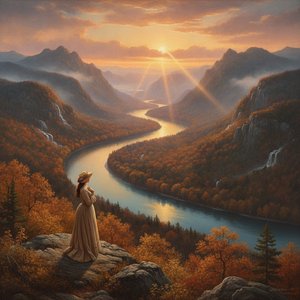
Capturing the Soul of Nature: A Journey Through the Sublime Majesty of American Romanticism
Explore the breathtaking beauty of American Romanticism. Discover how Hudson River School masters captured the sublime spirit of the wilderness through luminous oil landscapes and emotional depth. A journey into the soul of nature for the true art enthusiast.

Evocations of Place: A Historical Journey Through Landscape Art
Explore the rich history of landscape art with OriginalUniqueArt. Discover renowned artists, movements like Impressionism & Romanticism, and expert guidance for collecting timeless pieces. Find your perfect serene escape today!

Herman Herzog: Capturing American Landscapes & the Pursuit of Domestic Idealism
Explore the captivating landscapes of Herman Herzog, a pivotal American artist known for his realistic depictions of Yosemite & Florida scenes. Discover his legacy, artistic journey, and market value with OriginalUniqueArt.


