Anteprima in scala reale
 Invia
Invia Condividi
 Dettagli opera
 Guida
Guida

 Scarica
 Simili
 Radiografia
 Slideshow
 Domande e risposte
 Statistiche
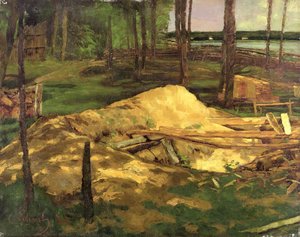
German Waldsee

- 55.0 x 66.0 cm


 Espandi i dettagli
Giclée / Stampe d'arte
Stampa giclée o su tela di qualità museale, con produzione rapida e diverse opzioni di finitura. ( Acquista il dipinto realizzato a mano Passa all'immagine digitale)




P118B €10

P118H €10

P118W €10

P438Z €10

P508JH €12

P508YH €12

P805H €10

P805Z €10

P919BZ €10

P919G €10

P919XJ €10

P959ZH €10

P968JZ €12

W106C €8

W218G €10

W218JH €8

W218Y €10

W307PJ €10

W316G €10

W316PJ €8

W316Y €10

W398PJ €8

W4111J €10

W500HY €15

W500JH €15

W692G €12

W849H €8

W940BG €15

W953PJ €8




Scegli tra le nostre dimensioni predefinite, che rispettano le proporzioni originali dell'opera d'arte.

Inserisci la larghezza e l'altezza desiderate, per adattarle alla tua cornice o alla tua parete. Una stampa può essere solo ritagliata, mai resa più grande dell'immagine originale; pertanto, un formato con una forma differente comporterà la perdita di una parte dell'opera. Ti invieremo un mockup digitale da approvare prima di procedere con la stampa. L'immagine mostrata in questa pagina non rappresenta il ritaglio reale — solo il mockup lo mostra.
Consegna in tutto il mondo () in 2 settimane invece delle normali 4/5 settimane. (7 Novembre)

Spedizione espressa gratuita in tutto il mondo

Tela in lino di alta qualità

Assicurazione completa sulla spedizione

Garanzia di rimborso dei dazi doganali

Garanzia di fedeltà cromatica assoluta

Politica di reso entro 100 giorni (solo per difetti di fabbricazione)

Garanzia di rimborso al 100%

Offerta per acquisti multipli
 L'opzione vetro è disponibile solo per dimensioni inferiori a 110 cm

German Waldsee
Giclée / Stampe d'arte
Dimensioni riproduzione
-


Prezzo finale calcolato
€ 72
A Sanctuary of Light and Shadow
In the quietude of 1872, Carl Eduard Schuch captured a moment of profound stillness in his masterpiece, German Waldsee. This evocative landscape invites the viewer into a secluded woodland sanctuary, where the boundaries between the earth and the sky seem to dissolve in a gentle, sun-drenched haze. The composition is anchored by a lush canopy of trees, their leaves rendered with such vitality that one can almost feel the warmth of a summer afternoon filtering through the branches. Within this verdant enclosure, the scene breathes with life; birds dance through the air, some skimming the forest floor while others drift lazily in the upper reaches of the atmosphere, creating a sense of rhythmic movement against the stationary majesty of the ancient trees.
At the heart of this natural cathedral stands a solitary figure, a quiet observer whose presence imbues the landscape with a sense of human connection and contemplative depth. This person does not dominate the scene but rather serves as a focal point for our own introspection, mirroring the way we might stand before such beauty—humbled and mesmerized. The interplay between the human element and the untamed forest suggests a harmonious coexistence, a theme that resonates deeply with those seeking peace in an increasingly chaotic world.
The Mastery of Austrian Impressionism
Schuch, a virtuoso of the late nineteenth-century Viennese school, brings a sophisticated technical prowess to this work. Having refined his skills under the tutelage of Ludwig Halauska, Schuch demonstrates an exceptional command over light and atmosphere. The technique employed in German Waldsee transcends mere representation; it is an exercise in capturing the "luminous transition." Through delicate brushwork and a nuanced palette of forest greens, golden ambers, and soft cerulean, he achieves a painterly texture that gives the foliage a palpable weight and the sunlight a shimmering, ethereal quality.
For the discerning collector or interior designer, this piece offers more than just visual beauty; it provides an emotional anchor. The painting’s ability to evoke serenity makes it an ideal centerpiece for spaces dedicated to relaxation and thought, such as a library, a study, or a master suite. As a high-quality reproduction, the depth of color and the intricate details of the avian life and forest textures are preserved, allowing the soul of Schuch's 1872 vision to breathe new life into contemporary interiors. To possess this work is to invite the timeless, tranquil essence of the German woods into one's own private sanctuary.
Domande e risposte
A quale periodo appartiene "German Waldsee" di Carl Eduard Schuch?
"German Waldsee" di Carl Eduard Schuch risale al periodo 19th Century, epoca che ne definisce il contesto storico.
Dove dovrebbe essere appesa una riproduzione di "German Waldsee" di Carl Eduard Schuch?
Con il suo formato Landscape, una riproduzione di "German Waldsee" è ideale per un Wellness Center.
Quale dimensione è consigliata per "German Waldsee" in un/una Wellness Center?
L'abbinamento consigliato per "German Waldsee" di Carl Eduard Schuch: una stampa di dimensioni Medium in un/una Wellness Center.
Biografia dell'artista
La Transizione Luminosa: Il Viaggio Artistico di Carl Eduard Schuch
Carl Eduard Schuch, pittore austriaco la cui vita abbracciò il vibrante e tumultuoso tardo Ottocento, rimane una figura affascinante all'incrocio dei movimenti artistici. Nato a Vienna nel 1846, il suo spirito creativo trovò tuttavia il terreno più fertile lontano dalla sua terra natale. I suoi viaggi lo condussero attraverso i crogioli culturali di Germania, Italia e Francia, geografie che plasmarono profondamente la tavolozza e la filosofia della sua arte. L'attenzione primaria di Schuch si concentrò sulla quieta dignità dei nature morti e sul respiro vasto dei paesaggi. All'inizio della sua formazione accademica, tra il 1865 e il 1867, studiò pittura di paesaggio sotto l'estimato accademico Ludwig Halauska, un apprendistato che gli fornì una comprensione fondamentale di composizione e luce.
Eppure, anche in questi primi studi, Schuch nutriva una curiosità intellettuale unica. Descrisse una volta i suoi primi tentativi di studiare le teste come se fossero nature morte: un desiderio di catturare il tono pezzo dopo pezzo, spogliando il velo effimero dell'emozione manifesta. Questo approccio stesso—l'osservazione meticolosa sottostante soggetti apparentemente semplici—divenne un marchio distintivo del suo stile maturo.
Echi dei Maestri: Influenze e Sviluppo
Lo sviluppo artistico di Schuch fu segnato da un intenso assorbimento dei grandi maestri della storia, in particolare durante il suo periodo a Parigi tra il 1882 e il 1894. Fu qui che lo spirito rivoluzionario dell'Impressionismo iniziò a risuonare profondamente in lui. Si sentì profondamente colpito da Claude Monet, che ammirava abbastanza da paragonarlo favorevolmente a Rembrandt nel regno della pittura en plein-air. Tuttavia, il suo sguardo si voltava spesso indietro nel tempo, trovando un legame più profondo con il profondo chiaroscuro e la profondità psicologica insiti nell'opera di Rembrandt stesso, accanto al realismo terroso promosso dagli artisti della Scuola di Barbizon.
La sua dedizione al colore fu forse più evidente durante le estati trascorse nei Paesi Bassi. Nel 1884 e nel 1885, si immerse nell'eredità dei Maestri Olandesi, riempiendo meticolosamente i suoi quaderni di dettagliate osservazioni cromatiche tratte da tele ammirate. Questo profondo studio del pigmento e della luce lo collegò strettamente al circolo di Wilhelm Leibl, un gruppo verso cui Schuch si dimostrò più devotamente sintonizzato riguardo al puro potere del colore.
Una Vita Condivisa: Amicizia e Collaborazione Artistica
Tra le molte relazioni che colorarono la sua vita, forse nessuna fu tanto formativa o drammatica quanto il suo legame con l'artista Karl Hagemeister. I due uomini si incontrarono in Baviera e intrapresero un viaggio condiviso attraverso l'Europa centrale, stabilendosi infine per tre anni nel piccolo villaggio di Ferch, a sud di Berlino. In questo ambiente intimo, non solo condividero una modesta dimora, ma un intero esistenza artistica. Mentre il robusto Hagemeister si prendeva cura del più sensibile Schuch attraverso atti di cura quotidiana—cucinare, cacciare e pescare—il loro legame si approfondì in qualcosa che i biografi ipotizzano fosse molto più di una semplice amicizia.
Questo periodo idilliaco si frantumò infine quando Schuch tornò a Parigi. L'ultimo incontro tra loro fu carico di tensione, culminando in un disaccordo sui meriti del lavoro appena completato da Hagemeister, "Teller mit Austern". Questa lite portò a una drammatica rottura: Hagemeister avrebbe dilapidato sei delle proprie opere nel fiume Senna, segnando una fine improvvisa e dolorosa al loro capitolo condiviso.
Colmare le Ere: L'Importanza Storica di Schuch
L'opera di Carl Eduard Schuch non è semplicemente una collezione di bei dipinti; rappresenta un momento cruciale nella storia dell'arte. La sua arte si erge come un ponte tangibile, tracciando il passaggio dalle convenzioni stabilite del realismo accademico verso le crescenti libertà dell'espressione artistica moderna a Vienna e oltre. Assorbì l'osservazione strutturata dei Maestri Antichi abbracciando al contempo l'immediatezza del movimento en plein-air. Sia che stesse catturando la quieta dignità di un nature morto o la luce mutevole su un paesaggio, il tocco di Schuch parla di un artista profondamente impegnato sia con la tradizione che con il cambiamento inevitabile.
Il suo lascito ci invita a vedere l'arte non come una destinazione, ma come una conversazione continua tra ciò che è stato e ciò che sta per venire.

Carl Eduard Schuch
1846 - 1903 , Austria
Dettagli rapidi
- Artistic Movement Or Style: Dal Realismo al Modernismo
- Artists Who Influenced This Artist:
- Claude Monet
- Rembrandt
- Date Of Birth: 1846
- Date Of Death: 1903
- Full Name: Carl Eduard Schuch
- Nationality: Austriaco
- Place Of Birth: Vienna, Austria
Articoli correlati

Nature’s Sanctuary: Curating Enchanting Forest Artworks to Transform Your Home into a Serene Woodland Retreat
Transform your home into a serene woodland retreat with enchanting forest artworks. Discover museum-quality oil reproductions and custom landscape commissions designed to bring the peaceful beauty of nature indoors.
Le 10 Opere d'Arte Più Rilassanti di Sempre | .it
Scopri le 10 opere d'arte più rilassanti di sempre, da Monet a Van Gogh. Esplora la storia, i colori e l'emozione dietro questi capolavori senza tempo. Trova stampe artistiche di alta qualità per una casa serena su .
Cultivating Inner Peace: Serenity as Subject & Aesthetic in Visual Art
Explore the art of serenity with OriginalUniqueArt. Discover historical & contemporary artworks evoking peace & tranquility. Find paintings for relaxation, meditation, and a calming home aesthetic. Expert guidance included.
Le 10 Opere d'Arte Più Rilassanti: Emozioni di Pace e Serenità |
Scopri le 10 opere d'arte più rilassanti di Monet, Van Gogh e Klimt. Esplora la storia, i colori e le emozioni che rendono questi capolavori senza tempo perfetti per creare un'atmosfera zen in casa. Acquista riproduzioni artistiche su !

I 25 Capolavori di Pierre-Auguste Renoir: L'Essenza dell'Impressionismo
Scopri i 25 capolavori di Renoir e la magia dell'Impressionismo. Esplora la collezione su OriginalUniqueArt.com.