

 Anteprima in scala reale
 Condividi
 Condividi
 Dettagli
 Guida stampabile

 Scarica
 Articoli simili
 Radiografia
 Slideshow
 Statistiche
Fisherman


 Leggi tutto
Riproduzione a olio fatta a mano
Olio su tela dipinto a mano nelle tue dimensioni e con la tua cornice, realizzato su ordinazione dai nostri artisti. ( Passa alle stampe Passa all'immagine digitale)




P118B €10

P118H €10

P118W €10

P438Z €10

P508JH €12

P508YH €12

P805H €10

P805Z €10

P919BZ €10

P919G €10

P919XJ €10

P959ZH €10

P968JZ €12

W106C €8

W218G €10

W218JH €8

W218Y €10

W307PJ €10

W316G €10

W316PJ €8

W316Y €10

W398PJ €8

W4111J €10

W500HY €15

W500JH €15

W692G €12

W849H €8

W940BG €15

W953PJ €8




Scegli tra le nostre dimensioni predefinite, che rispettano le proporzioni originali dell'opera d'arte.

Inserisci la larghezza e l'altezza di cui hai bisogno, per adattarle alla tua cornice o alla tua parete. Trattandosi di un'opera dipinta a mano, in caso di dimensioni con una forma differente, l'artista può dipingere un po' più oltre i bordi dell'immagine o ritagliare leggermente — la scelta spetta a te. Ti invieremo un mockup digitale da approvare prima che la pittura abbia inizio. L'immagine mostrata in questa pagina non rappresenta il risultato reale — solo il mockup lo fa.
Dopo l'ordine, il team di OriginalUniqueArt.com contatterà il cliente via e-mail per ricevere le istruzioni e fornirà un'anteprima del mockup
Consegna in tutto il mondo () in 3/4 settimane anziché nelle normali 5 settimane. (23 Ottobre). Nessun compromesso sulla qualità.

Spedizione espressa gratuita in tutto il mondo

Tela in lino di alta qualità

Assicurazione completa sulla spedizione

Garanzia di rimborso dei dazi doganali

Garanzia di perfetta fedeltà cromatica

Politica di reso entro 100 giorni (solo per difetti di fabbricazione)

Garanzia di rimborso al 100%

Sconto per acquisti multipli
 L'opzione vetro è disponibile solo per dimensioni inferiori a 110 cm

Fisherman
Tecnica di riproduzione
Dimensioni della riproduzione
-


Prezzo totale
€ 264
A Serene Moment Captured in Monochrome
In the delicate, monochromatic strokes of Carl Blechen’s 1839 drawing, Fisherman, we are transported to a tranquil era where the rhythm of life was dictated by the gentle ebb and flow of the tides. This exquisite work captures a quiet tableau on the water, presenting a scene of profound stillness and communal harmony. Through a masterful use of light and shadow, Blechen invites the viewer to drift alongside several small boats scattered across the reflective surface of the water. The composition is anchored by three primary vessels, each populated by figures engaged in the timeless labor of fishing or the simple leisure of rowing. There is a palpable sense of peace in the way the individuals are positioned—some standing poised near the edges of their crafts, others seated in quiet contemplation—creating a balanced, rhythmic arrangement that guides the eye across the watery expanse.
The technical execution of this piece speaks to Blechen’s profound ability to manipulate tone to suggest depth and atmosphere. Without the distraction of color, the viewer is forced to confront the raw essence of the scene: the texture of the ripples, the weight of the boats, and the soft, diffused light that seems to emanate from a hidden horizon. The artist utilizes subtle gradations of grey to create a sense of atmospheric perspective, making the distant figures feel as though they are emerging from a light mist. For the discerning collector or interior designer, this drawing offers a sophisticated study in minimalism and tonal harmony, making it an ideal centerpiece for spaces that value understated elegance and a connection to the contemplative side of nature.
The Romantic Spirit and the Dawn of Change
To understand Fisherman, one must look through the lens of the German Romantic movement, a period defined by an intense emotional response to the natural world. While many of his contemporaries sought to depict the sublime power of storms or the terrifying grandeur of mountains, Blechen possessed a unique sensitivity to the quiet, everyday intersections of humanity and nature. This drawing serves as a poignant window into 1839, capturing a way of life that was on the precipice of transformation. As an artist who would later become famous for documenting the encroaching shadows of early industrialization, Blechen’s earlier works like this one possess a bittersweet quality—a documentation of a pristine, undisturbed world that felt both eternal and fragile.
The symbolism within the piece lies in its very stillness. The boats, acting as small vessels of human endeavor, represent our delicate relationship with the elements. There is no struggle depicted here, only a coexistence. For those looking to adorn a home or gallery with a reproduction of this work, it brings with it an emotional resonance of stability and calm. It is more than just a depiction of a fishing excursion; it is an invitation to slow down, to breathe, and to find beauty in the quiet, unobserved moments of existence. This piece remains a testament to Blechen’s enduring legacy as a pioneer who could find the profound within the simple.
Domande e risposte
Quali stati d'animo ed emozioni si fondono in "Fisherman"?
L'atmosfera impressa in "Fisherman" di Carl Blechen è Serene, e il suo tono emotivo è Calm.
Come è strutturata la composizione cromatica di "Fisherman" di Carl Blechen?
In "Fisherman", un Serene contrasto si sposa con una Unified Palette armonia.
"Fisherman" di Carl Blechen è un ritratto, un paesaggio o una composizione quadrata?
Il formato di "Fisherman" è Panoramic. Questo è utile quando si pianifica dove posizionare una riproduzione.
Biografia dell'artista
Un Pioniere dell'Industrializzazione Romantica: La Vita e l'Arte di Carl Blechen
Carl Eduard Ferdinand Blechen, nato a Cottbus, in Germania, nel 1798, occupa una posizione unica e spesso trascurata nella tradizione della pittura paesaggistica. La sua vita fu segnata da brillantezza artistica e tormento personale, una dualità che plasmò profondamente la sua opera evocativa e rivoluzionaria. Inizialmente destinato a una pragmatica carriera bancaria a causa delle difficoltà finanziarie familiari, le innate inclinazioni artistiche di Blechen prevalsero alla fine. Intraprese studi all'Accademia d'Arte di Berlino nel 1822, intraprendendo un percorso che lo avrebbe portato a essere uno dei primi artisti ad affrontare le sfide estetiche – e le possibilità – presentate dai primi sviluppi industriali.
Gli anni formativi di Blechen furono immersi negli ideali romantici che spazzavano l'Europa. Tuttavia, a differenza di molti suoi contemporanei che si concentravano esclusivamente sulla bellezza naturale idealizzata o sulla grandezza storica, lo sguardo di Blechen fu attratto da un mondo in cambiamento. Un viaggio fondamentale in Italia nel 1828-1829 si rivelò trasformativo. Immerso nella luce e nell'atmosfera della campagna italiana, affinò le sue capacità nello schizzo en plein air, catturando momenti fugaci ed effetti drammatici con notevole sensibilità. Questi schizzi non erano semplici studi preparatori; erano intrisi di un’energia vibrante che avrebbe caratterizzato il suo stile maturo. Tornò a Berlino non solo come pittore tecnicamente abile, ma come artista con una visione distinta – una che cercava di conciliare la sublime bellezza della natura con le crescenti realtà della modernità.
Navigare tra Tradizione e Trasformazione
La produzione artistica di Blechen è caratterizzata da una convincente tensione tra sensibilità romantica e un nascente realismo. Non rifuggì dalla rappresentazione del fiorente paesaggio industriale, ma non lo celebrò nemmeno in modo acritico. Opere come Bau der Teufelsbrücke (Costruzione del Ponte del Diavolo), dipinta tra il 1830 e il 1832, esemplificano questo approccio. Il dipinto non glorifica l'impresa ingegneristica; invece, presenta una scena di arduo lavoro sullo sfondo di un drammatico scenario, accennando sia all’ambizione umana che al potenziale di sconvolgimento dell'ordine naturale. Questa volontà di confrontarsi con le complessità del suo tempo lo distingue da molti dei suoi contemporanei.
I suoi paesaggi sono spesso intrisi di un'atmosfera malinconica, riflettendo non solo l'ambiente fisico in evoluzione ma anche le sue lotte interiori. Waldweg bei Spandau (Sentiero nella Foresta vicino a Spandau), ad esempio, evoca un senso di solitudine e introspezione, mostrando al contempo la maestria di Blechen nella luce e nell'ombra. Impiegò abilmente la prospettiva atmosferica per creare profondità e atmosfera, attirando lo spettatore nella scena e invitandolo alla contemplazione. Non si limitava a registrare ciò che vedeva; stava trasmettendo una risposta emotiva ad esso.
Un Genio Tormentato e un'Eredità Duratura
Nonostante i suoi successi artistici, la vita di Blechen fu tragicamente interrotta dalla malattia mentale. Nominato Professore di Pittura Paesaggistica all'Accademia di Berlino nel 1831 – una testimonianza della sua crescente reputazione – le sue condizioni iniziarono a deteriorarsi rapidamente dopo il 1835. Costretto a congedarsi e infine ricoverato in ospedale, continuò a creare arte anche tra le sue sofferenze, producendo toccanti disegni che offrono uno scorcio del suo tormentato mondo interiore. Morì a Berlino nel 1840 all'età di 41 anni.
Sebbene la sua carriera sia stata relativamente breve, l'influenza di Carl Blechen sulle generazioni successive di artisti è innegabile. Le sue pionieristiche rappresentazioni dei paesaggi industriali hanno aperto la strada ai pittori realisti e impressionisti successivi che cercavano di catturare il volto mutevole della vita moderna. Ha dimostrato che era possibile trovare bellezza – e significato – anche nel bel mezzo della trasformazione, una lezione che continua a risuonare con gli artisti oggi. La sua opera rimane un potente promemoria del complesso rapporto tra umanità, natura e progresso.
Opere Chiave & Collezioni
- Im Berliner Tiergarten (Lo Zoo di Berlino), 1825: Un primo esempio della sua capacità di catturare effetti atmosferici e scene quotidiane con una sensibilità romantica.
- Waldweg bei Spandau (Sentiero nella Foresta vicino a Spandau): Un paesaggio inquietante che esemplifica la sua maestria nella luce, nell'ombra e nell'atmosfera.
- Bau der Teufelsbrücke (Costruzione del Ponte del Diavolo), 1830–32: Una rappresentazione rivoluzionaria dei primi sviluppi industriali, che mostra sia l’ambizione umana che il suo impatto sul mondo naturale.
Oggi, le opere di Blechen si trovano in importanti collezioni museali in tutto il mondo, tra cui la Kunsthalle Bielefeld in Germania, il Fitzwilliam Museum a Cambridge e la National Gallery a Londra. Queste istituzioni preservano la sua eredità per le generazioni future, assicurando che la sua visione innovativa continui a ispirare e sfidare gli spettatori.
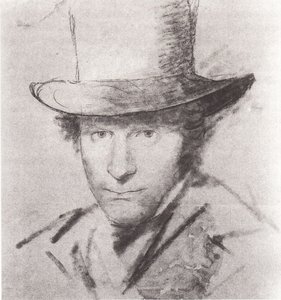
Carl Blechen
1798 - 1840 , Germania
Informazioni rapide
- Artisti Che Lo Influenzarono:
- Caspar David Friedrich
- Johann Christian Dahl
- Data Di Morte: 23 luglio 1840
- Data Di Nascita: 29 luglio 1798
- Luogo Di Nascita: Cottbus, Germania
- Movimento Artistico: Romanticismo
- Nazionalità: Tedesca
- Nome Completo: Carl Eduard Ferdinand Blechen
- Opere Notevoli:
- Im Berliner Tiergarten
- Waldweg bei Spandau
- Bau der Teufelsbrücke
Articoli correlati

Bianco Sublime: I 10 Dipinti Più Famosi Dominati dal Colore Bianco | .it
Esplora i 10 dipinti più celebri dominati dal bianco, da Monet a Malevich. Scopri la storia, le tecniche e l'impatto di queste opere iconiche. Trova stampe su tela e riproduzioni d'arte di alta qualità per decorare casa con stile su .
Claude Monet: I 25 Capolavori Essenziali per Amare l'Impressionismo | OriginalUniqueArt
Esplora i 25 capolavori di Claude Monet, il maestro dell'Impressionismo. Scopri la storia, i colori e le tecniche dietro ninfee, paesaggi iconici e dipinti famosi. Trova riproduzioni artistiche di alta qualità per arredare casa con stile su OriginalUniqueArt.com.
Fluid Reflections: Exploring Water's Symbolism in Art History – From Myth to Impressionism
Explore the rich symbolism of water in art history – from ancient myths to Impressionism's fleeting beauty. Discover masterpieces & find your perfect serene artwork with OriginalUniqueArt.com.
Le 10 Opere d'Arte Più Rilassanti di Sempre | OriginalUniqueArt
Scopri le 10 opere d'arte più rilassanti di sempre, da Monet a Van Gogh. Esplora la storia e il significato di capolavori iconici che evocano pace e serenità. Trova stampe artistiche di alta qualità per la tua casa su OriginalUniqueArt.com

I 10 Dipinti Più Famosi Dominati dal Nero: Maestri e Storie d'Arte
Esplora i 10 dipinti più iconici dominati dal nero, da Caravaggio a Munch. Scopri storie, tecniche e il potere espressivo di artisti come Rembrandt e Goya. Trova stampe d'arte di alta qualità per la tua casa su .

