

 Anteprima in scala reale
 Condividi
 Condividi
 Dettagli
 Guida stampabile

 Scarica
 Articoli simili
 Radiografia
 Slideshow
 Statistiche
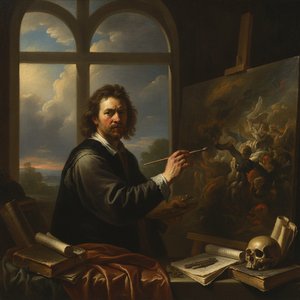
Self-Portrait
 Oil On Panel
- Baroque Painting
 1645
1645 65.0 x 49.0 cm
 Museo Boijmans Van Beuningen
 Leggi tutto
Giclée / Stampe d'arte
Stampa giclée o su tela di qualità museale, con produzione rapida e diverse opzioni di finitura. ( Ordina la riproduzione dipinta a mano Passa all'immagine digitale)




P118B €10

P118H €10

P118W €10

P438Z €10

P508JH €12

P508YH €12

P805H €10

P805Z €10

P919BZ €10

P919G €10

P919XJ €10

P959ZH €10

P968JZ €12

W106C €8

W218G €10

W218JH €8

W218Y €10

W307PJ €10

W316G €10

W316PJ €8

W316Y €10

W398PJ €8

W4111J €10

W500HY €15

W500JH €15

W692G €12

W849H €8

W940BG €15

W953PJ €8




Scegli tra le nostre dimensioni predefinite, che rispettano le proporzioni originali dell'opera d'arte.

Inserisci la larghezza e l'altezza desiderate, per adattarle alla tua cornice o alla tua parete. Una stampa può essere solo ritagliata, mai resa più grande dell'immagine originale; pertanto, un formato con una forma differente comporterà la perdita di una parte dell'opera. Ti invieremo un mockup digitale da approvare prima di procedere con la stampa. L'immagine mostrata in questa pagina non rappresenta il ritaglio reale — solo il mockup lo mostra.
Consegna in tutto il mondo () in 2 settimane invece delle normali 4/5 settimane. (22 Ottobre)

Spedizione espressa gratuita in tutto il mondo

Tela in lino di alta qualità

Assicurazione completa sulla spedizione

Garanzia di rimborso dei dazi doganali

Garanzia di perfetta fedeltà cromatica

Politica di reso entro 100 giorni (solo per difetti di fabbricazione)

Garanzia di rimborso al 100%

Sconto per acquisti multipli
 L'opzione vetro è disponibile solo per dimensioni inferiori a 110 cm

Self-Portrait
Giclée / Stampe d'arte
Dimensioni della riproduzione
-


Prezzo totale
€ 70
A Window Into the Soul: Carel Fabritius’s “Self-Portrait”
The year is 1645. Within the bustling studio of Rembrandt in Amsterdam, a young artist named Carel Fabritius was meticulously crafting a portrait unlike any seen before. This wasn't merely a likeness; it was an intimate unveiling – the "Self-Portrait," a remarkably candid and profoundly moving depiction of the artist himself. More than just paint on panel, this work offers a rare glimpse into the mind of a man grappling with his craft, his identity, and perhaps, the anxieties inherent in artistic creation. The painting, now housed within the Museum Boijmans Van Beuningen in Rotterdam, is a testament to Fabritius’s burgeoning talent and his willingness to experiment with light, shadow, and the very nature of self-representation.
Fabritius's early work was deeply influenced by Rembrandt, inheriting his masterful use of chiaroscuro – the dramatic interplay of light and dark. However, this self-portrait marks a decisive shift. While retaining Rembrandt’s foundational techniques, Fabritius develops a distinctly personal style, prioritizing color and an almost palpable sense of immediacy. The painting isn't about formal perfection; it’s about capturing a fleeting moment, a particular mood. The loose brushstrokes and slightly asymmetrical composition contribute to this feeling of raw authenticity, as if the artist is offering us not just a portrait, but a fragment of his inner world.
Deconstructing the Image: Technique and Detail
Examining the details reveals Fabritius’s meticulous approach. The painting is executed in oil on panel, a medium that allowed for rich color saturation and subtle gradations of tone – crucial to achieving the dramatic lighting effects characteristic of his style. Notice how he renders the texture of his clothing: the folds of the open-necked shirt, the rough weave of the fabric, all rendered with remarkable precision. The artist’s hands, resting casually on his lap, are particularly noteworthy; they possess a delicate sensitivity and an evident awareness of their own form. The long, curly hair, falling across his shoulders, adds to the sense of relaxed contemplation, while the slightly off-center gaze invites the viewer into a silent conversation.
The background is deliberately dark and indistinct, serving not as a mere backdrop but as a powerful tool for emphasizing the subject’s face. This technique draws our attention directly to Fabritius's features – his thoughtful expression, the subtle lines around his eyes hinting at both intelligence and weariness. The careful modeling of light and shadow creates a three-dimensional effect, giving depth and volume to the image, as if we are truly observing him in person.
A Reflection on Identity and Art
Beyond its technical brilliance, the "Self-Portrait" is imbued with a profound sense of introspection. Fabritius’s contemplative gaze suggests a moment of quiet reflection – perhaps a consideration of his own artistic journey, or simply a pause in the creative process. The painting speaks to the universal human desire for self-understanding and the challenges inherent in defining one's identity. It is a remarkably vulnerable work, offering an unprecedented level of intimacy with its creator.
The historical context further enriches our understanding of this compelling image. Fabritius’s brief but impactful career coincided with the flourishing of Dutch Golden Age painting – a period marked by artistic innovation and a celebration of realism. His association with Rembrandt, coupled with his membership in the Delft School, positioned him within a vibrant artistic community that valued both technical skill and emotional expression. The tragic circumstances surrounding his death—caught in the devastating explosion of the Delft gunpowder magazine—only amplify the poignant beauty of this self-portrait, transforming it into a powerful meditation on life, loss, and the enduring legacy of art.
Bringing Fabritius Home: Reproductions and Legacy
Today, reproductions of “Self-Portrait” are available through OriginalUniqueArt.com, offering art lovers the opportunity to own a piece of this remarkable artistic achievement. These meticulously crafted hand-painted reproductions capture not only the visual details of the original but also its emotional depth and atmospheric quality. Whether displayed in a private residence or a corporate space, this iconic image will undoubtedly serve as a source of inspiration and contemplation for years to come.
For those seeking to delve deeper into the life and work of Carel Fabritius, we encourage you to visit https://en.wikipedia.org/wiki/Carel_Fabritius for further information. And don’t miss the Google Arts & Culture page: https://artsandculture.google.com/asset/self-portrait/JwGBKHEZH4veSA?hl=en, where you can explore high-resolution images and learn more about this extraordinary artist.
Domande e risposte
Quali sono le dimensioni reali di "Self-Portrait" di Carel Fabritius?
"Self-Portrait" misura 65 x 49 cm nella sua forma originale. Le dimensioni originali sono un utile riferimento quando si sceglie la dimensione di una riproduzione.
A quale fase dello sviluppo di Carel Fabritius appartiene "Self-Portrait"?
"Self-Portrait" rappresenta il Mature Period di Carel Fabritius.
Che tipo di opera è "Self-Portrait"?
"Self-Portrait" è un'opera di tipo wall art.
Biografia dell'artista
Una breve vita illuminata: l'enigmatico mondo di Carel Fabritius
Carel Fabritius, un nome sussurrato con riverenza tra i conoscitori dell'Età dell'Oro olandese, rimane una figura elusiva nonostante il profondo impatto che la sua breve carriera ebbe sullo sviluppo della pittura. Nato a Middenbeemster nel 1622 e tragicamente perduto nell'esplosione della polveriera di Delft nel 1654 all'età di soli trentadue anni, Fabritius ha lasciato dietro di sé un corpus di opere straordinariamente piccolo ma intensamente potente, che continua a affascinare e ispirare. I suoi dipinti non sono semplici rappresentazioni della realtà; sono indagini sulla luce, sulla percezione e sull'essenza stessa dell'esperienza visiva.
Il viaggio artistico di Fabritius ebbe inizio nell'ambiente protettivo della sua casa familiare. Suo padre, Pieter Carelsz Fabritius, era egli stesso un pittore: un maestro elementare che praticava anche l'arte della pittura, instillando nel giovane Carel un precoce apprezzamento per le arti. Questa base lo condusse ad Amsterdam intorno al 1641, dove entrò nella bottega di Rembrandt van Rijn. Sebbene la durata esatta del suo apprendistato sia ancora oggetto di dibattito, l'influenza del maestro è innegabile. Tuttavia, Fabritius non fu un semplice imitatore. Iniziò presto a tracciare il proprio percorso, allontanandosi dal caratteristico tenebrismo di Rembrandt e sviluppando uno stile unico che privilegiava la chiarezza, armonie fredde e un'osservazione quasi scientifica degli effetti della luce.
La Scuola di Delft e una visione distintiva
Dopo il periodo trascorso con Rembrandt, Fabritius si stabilì a Delft, diventando membro della locale corporazione dei pittori nel 1652. Fu qui, all'interno della fiorencente comunità artistica nota come Scuola di Delft, che il suo stile maturo fiorì veramente. A differenza di molti suoi contemporanei, concentrati su grandi narrazioni storiche o vivaci scene di genere, Fabrit
Fabritius si gravitò verso intimi interni domestici e studi accuratamente osservati di oggetti quotidiani. I suoi dipinti possiedono una straordinaria staticità, un'intensità silenziosa che trascina lo spettatore in un mondo sospeso nel tempo.
Ciò che distingue Fabritius è la sua magistrale manipolazione della luce. Egli non si limitava a ritrarre l'illuminazione; la analizzava, catturandone le sottili sfumature e la capacità di definire la forma e creare atmosfera. Questa fascinazione per l'ottica lo portò a sperimentare con la prospettiva, impiegando spesso punti di vista insoliti che esaltano il senso del realismo e coinvolgono lo spettatore nella scena. Il Cardellino, forse la sua opera più celebre, ne è l'esempio perfetto. La rappresentazione apparentemente semplice di un cardellino incatenato contro una parete bianca e spoglia è, in realtà, un tour de force della tecnica del trompe-l'oeil e dell'illusione spaziale. L'uccello sembra fluttuare appena oltre il piano del quadro, con le piume rese con uno straordinario dettaglio, mentre l'interazione tra luce e ombra crea un senso di profondità quasi palpabile.
Opere principali e un'eredità duratura
Oltre a Il Cardellino, l'opera di Fabritius include altri lavori coinvolgenti che mostrano la sua visione distintiva. Veduta di Delft (1652) è un paesaggio urbano affascinante, degno di nota per la sua prospettiva unica e la resa atmosferica dell'architettura cittadina. Il dipinto non è semplicemente un registro topografico; è un'evocazione del luogo, intrisa di un senso di tranquillità e bellezza poetica. La Sentinella, dipinta poco prima della sua morte, è forse la sua opera più enigmatica: un ritratto inquietante di un soldato solitario che invita alla contemplazione su temi come il dovere, l'isolamento e la condizione umana.
La tragicamente breve carriera di Fabritius ha fatto sì che producesse solo circa dodici dipinti sopravvissuti. Eppure, queste poche opere hanno avuto un'influenza sproporzionata sulle generazioni successive di artisti. Si crede ampiamente che il suo uso innovativo della luce e della prospettiva abbia influenzato profondamente Johannes Vermeer, che condivideva una simile fascinazione per gli effetti ottici e gli interni domestici. Le tonalità fredde, la resa precisa e la quieta intimità che caratterizzano i capolavori di Vermeer possono essere ricondotte al lavoro pionieristico di Fabritius.
Un pittore avanti rispetto ai suoi tempi
L'esplosione a Delft interruppe non solo la vita di Fabritius, ma anche una traiettoria artistica potenzialmente rivoluzionaria. I suoi dipinti offrono uno sguardo nella mente di un artista che stava spingendo i confini della rappresentazione, esplorando la natura stessa del vedere e della percezione. Mentre i suoi contemporanei erano spesso preoccupati dalla narrazione o dal simbolismo, Fabritius si concentrava sugli elementi fondamentali della pittura — luce, colore, forma — creando opere che sono allo stesso tempo visivamente sbalorditive e intellettualmente stimolanti.
Oggi, Carel Fabritius è riconosciuto come una figura chiave dell'Età dell'Oro olandese, un pittore la cui breve ma brillante carriera ha lasciato un segno indelebile nella storia dell'arte. I suoi dipinti continuano a risuonare negli spettatori, offrendo una testimonianza senza tempo del potere dell'osservazione, dell'innovazione e dell'eterna bellezza della luce.

Carel Fabritius
1622 - 1654 , Paesi Bassi
Informazioni rapide
- Artistic Movement Or Style: Barocco
- Artists Or Movements Influenced By This Artist: ['Caravaggisti']
- Artists Who Influenced This Artist: ['Rembrandt van Rijn']
- Date Of Birth: 27 febbraio 1622
- Date Of Death: 12 ottobre 1654
- Full Name: Carel Pietersz Fabritius
- Nationality: Olandese
- Notable Artworks:
- La Resurrezione di Lazaro
- Vista di Delft
- Il Goldfinch
- Place Of Birth: Muiden, Paesi Bassi
Articoli correlati

I 10 Capolavori Barocchi che Hanno Definito un'Epoca | Arte e Decorazioni di Lusso
Esplora i 10 capolavori barocchi di Caravaggio, Bernini e Rembrandt che hanno rivoluzionato l'arte. Scopri storie, tecniche e colori iconici. Trova riproduzioni d'arte di alta qualità per la tua casa su !

Rembrandt van Rijn: Luce, Ombra e Anima del Secolo d'Oro Olandese – Innovazione, Emozione e il Ritratto dell'Umanità
Esplora la vita e l'opera di Rembrandt van Rijn, il maestro del Secolo d'Oro olandese. Approfondisci la sua tecnica rivoluzionaria del chiaroscuro, i suoi ritratti intensi e l'eredità artistica che continua a ispirare.

Rembrandt van Rijn: I 25 Capolavori Immortali da Ammirare | OriginalUniqueArt
Esplora i 25 capolavori di Rembrandt van Rijn, da 'La Ronda di Notte' ai suoi intensi autoritratti. Scopri la storia, le tecniche e l'arte barocca del maestro olandese. Riproduzioni di alta qualità su OriginalUniqueArt.com.
Dutch Baroque Unlocked: Mastering Chiaroscuro, Epic Drama, and the High-Impact Legacy of Rembrandt
Explore the dramatic power of Dutch Baroque art. Master the secrets of Rembrandt’s chiaroscuro, discover the epic scale of the Golden Age, and learn how to bring high-impact, hand-painted historical masterpieces into your modern collection with expert precision.

I 10 Capolavori del Barocco Olandese che Hanno Definito un'Epoca | OriginalUniqueArt
Esplora i 10 capolavori del Barocco olandese con OriginalUniqueArt. Scopri Rembrandt, Vermeer e altri maestri. Quadri antichi, luce intensa e storie affascinanti per decorare la tua casa con arte di qualità museale. Esplora la collezione online!

