Anteprima in scala reale
 Invia
Invia Condividi
 Dettagli opera
 Guida
Guida

 Scarica
 Simili
 Radiografia
 Slideshow
 Statistiche
John Moore


 Espandi i dettagli
Giclée / Stampe d'arte
Stampa giclée o su tela di qualità museale, con produzione rapida e diverse opzioni di finitura. ( Acquista il dipinto realizzato a mano Passa all'immagine digitale)




P118B €10

P118H €10

P118W €10

P438Z €10

P508JH €12

P508YH €12

P805H €10

P805Z €10

P919BZ €10

P919G €10

P919XJ €10

P959ZH €10

P968JZ €12

W106C €8

W218G €10

W218JH €8

W218Y €10

W307PJ €10

W316G €10

W316PJ €8

W316Y €10

W398PJ €8

W4111J €10

W500HY €15

W500JH €15

W692G €12

W849H €8

W940BG €15

W953PJ €8




Scegli tra le nostre dimensioni predefinite, che rispettano le proporzioni originali dell'opera d'arte.

Inserisci la larghezza e l'altezza desiderate, per adattarle alla tua cornice o alla tua parete. Una stampa può essere solo ritagliata, mai resa più grande dell'immagine originale; pertanto, un formato con una forma differente comporterà la perdita di una parte dell'opera. Ti invieremo un mockup digitale da approvare prima di procedere con la stampa. L'immagine mostrata in questa pagina non rappresenta il ritaglio reale — solo il mockup lo mostra.
Consegna in tutto il mondo () in 2 settimane invece delle normali 4/5 settimane. (25 Ottobre)

Spedizione espressa gratuita in tutto il mondo

Tela in lino di alta qualità

Assicurazione completa sulla spedizione

Garanzia di rimborso dei dazi doganali

Garanzia di fedeltà cromatica assoluta

Politica di reso entro 100 giorni (solo per difetti di fabbricazione)

Garanzia di rimborso al 100%

Offerta per acquisti multipli
 L'opzione vetro è disponibile solo per dimensioni inferiori a 110 cm

John Moore
Giclée / Stampe d'arte
Dimensioni riproduzione
-


Prezzo finale calcolato
€ 70
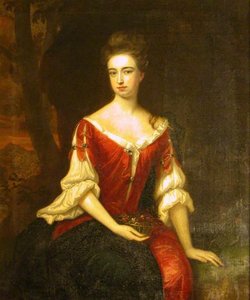
A Glimpse Into Georgian Grandeur
In the quiet dignity of Sir Godfrey Kneller’s portrait of John Moore, we find more than just a likeness; we encounter a window into the refined elegance of the early eighteenth century. Painted in 1705, this work serves as a profound testament to the era of the Restoration and the burgeoning sophistication of Georgian Britain. The subject, John Moore, is presented with a commanding yet intimate presence, his gaze meeting the viewer with an unwavering directness that bridges the centuries. As he sits poised in his chair, the subtle details of his attire—the crisp, long white collar and the somber, structured black vest—speak volumes of a man of status, embodying the formal decorum that defined the upper echelons of society during Kneller's prolific career.
The composition is masterfully orchestrated to draw the eye toward Moore’s countenance, yet it does not leave the viewer in isolation. The presence of secondary figures in the periphery adds a layer of narrative depth, suggesting a social milieu filled with movement and connection. This arrangement creates a sense of lived experience, as if we have stumbled upon a private moment within a bustling aristocratic estate. For the discerning collector or interior designer, such a piece offers an unparalleled opportunity to introduce a sense of historical weight and classical poise to a contemporary space, acting as a focal point that commands respect and invites contemplation.
The Mastery of Light and Shadow
To understand the allure of this portrait, one must delve into the technical brilliance of Sir Godfrey Kneller, a painter whose name became synonymous with the English Baroque. Kneller was a virtuoso of chiaroscuro, utilizing the dramatic interplay between light and shadow to sculpt the features of his subjects with remarkable three-dimensionality. In this depiction of Moore, the light does not merely illuminate; it breathes life into the textures of the fabric and the subtle contours of the face. By employing techniques such as grisaille—the application of delicate white pigments over darker underpaintings—Kneller achieved a luminous quality that makes the highlights on the collar and skin appear to glow from within.
This meticulous approach to light serves a dual purpose: it provides a hyper-realistic texture that satisfies the eye, and it imbues the portrait with a psychological depth. The shadows are not merely absences of light but are used to suggest the gravity and character of the man portrayed. This interplay creates an emotional resonance, evoking a sense of nostalgia for a lost age of refinement. For those seeking to adorn a room with art that possesses both substance and soul, Kneller’s ability to capture the very essence of his subject through technical precision offers a timeless aesthetic appeal that transcends mere decoration.
A Legacy of Prestige and Presence
The historical significance of this work is inextricably linked to Kneller's role as the preeminent portraitist of his age. As the court painter to successive monarchs, including Charles II and George I, Kneller shaped the visual identity of a nation. His "Kit-Cat" portraits and individual commissions like that of John Moore were instrumental in documenting the power structures and cultural aspirations of the British elite. To possess a reproduction of such a work is to hold a piece of art history—a fragment of the era when the visual landscape of Britain was being redefined by the brushstrokes of a master.
Beyond its historical value, the portrait offers a profound emotional impact. It evokes a sense of permanence and stability in an ever-changing world. The dignified posture of Moore and the classical balance of the composition provide a calming, sophisticated energy to any setting, whether it be a formal library, a stately dining room, or a modern gallery space. It is an investment in atmosphere, bringing the prestige of the Baroque period into the heart of the modern home, and ensuring that the elegance of 1705 continues to inspire generations to come.
Domande e risposte
Quale origine nazionale si cela dietro il Baroque di "John Moore"?
"John Moore" è stata creata da Godfrey Kneller, nato in Germania, nell'ambito del movimento Baroque. L'origine dell'artista lega l'opera al Baroque così come praticato dagli artisti di Germania.
"John Moore" di Godfrey Kneller è di pubblico dominio?
Stato del copyright per "John Moore" di Godfrey Kneller: l'opera è di pubblico dominio - il copyright è scaduto. Ciò determina se sia possibile effettuare liberamente riproduzioni dell'immagine.
Quanto sono vivaci i colori di "John Moore"?
I colori di "John Moore" di Godfrey Kneller presentano una saturazione Muted e un'intensità Monochromatic.
Biografia dell'artista
Sir Godfrey Kneller: Il Maestro del Grand Manner
Godfrey Kneller (1646-1723) si erge come una figura monumentale nell'arte barocca inglese, riconosciuto principalmente per la sua ineguagliabile abilità nel catturare i tratti di individui eminenti – in particolare ciò che divenne noto come i “ritratti Kit-Cat”. Queste raffigurazioni squisitamente dettagliate, dove elementi decorativi e soggetti nobili si fondono, esemplificano la sua tecnica meticolosa e una profonda comprensazione della cultura visiva dell'epoca. Nato Gottfried Kniller a Lübeck, in Germania, emigrò in Inghilterra intorno al 1675, affermandosi come un ritrattista prolifico e assicurandosi prestigiose commissioni dalla corona e dalla nobiltà durante i regni di Carlo II e Giorgio I. La sua eredità trascende il semplice successo artistico; egli giocò un ruolo cruciale nel plasmare il paesaggio visivo della Gran Bretagna georgiana, alimentando una duratura fascinazione per il mecenatismo reale.- Giovinezza e Formazione: Gli anni formativi di Kneller furono trascorsi studiando sotto la guida del fratello Johann Zacharias Kneller, che gli trasmise un approccio rigoroso al disegno e alla pittura, pilastro fondamentale della sua filosofia artistica. Questa formazione disciplinata affinò le sue capacità osservative e lo preparò alle sfide di produrre ritrattistica capace di trasmettere non solo l'aspetto fisico, ma anche il carattere psicologico dei soggetti.
- Il Fenomeno del Ritratto Kit-Cat: La fama di Kneller crebbe vertiginosamente grazie ai suoi innovativi “ritratti Kit-Cat”. Queste tele presentavano soggetti ritratti con meticolosità accanto a elementi che riflettevano le tendenze delle arti decorative, segnalando uno spostamento verso la rappresentazione dei soggetti all'interno dei loro ambienti domestici. Il simbolismo intrinseco in questi ritratti — che rappresentava ricchezza, status e ambizioni intellettuali — dimostra l'astuta consapevolezza di Kneller delle convenzioni sociali contemporanee.
- Mecenatismo Reale e Sviluppo Artistico: La carriera di Kneller fiorì sotto la protezione di Carlo II e Giorgio I, ottenendo commissioni che gli permisero di affinare il proprio stile ed esplorare progetti ambiziosi. Divenne pittore di corte per entrambi i monarchi, realizzando ritratti di re, regine, principi e diplomatici — opere che consolidarono la sua reputazione come uno dei più grandi artisti d'Inghilterra. La sua meticolosa attenzione al dettaglio e l'uso magistrale del chiaroscuro esemplificano la grandiosità dello stile Grand Manner prevalente nella sua epoca.
- Opere Celebri ed Eredità: Tra i traguardi più celebrati di Kneller figurano i ritratti di Carlo II, Henry Purcell, Christopher Wren, Isaac Newton e Benjamin Franklin — ognuno dei quali cattura il soggetto con straordinaria accuratezza e sensibilità. La sua influenza si estese oltre la ritrattistica; servì come direttore della Royal Military School of Music a Twickenham per decenni, promuovendo il talento artistico e contribuendo alla vivacità culturale della Londra georgiana.
- Un'Impressione Duratura: La tecnica meticolosa e le innovazioni stilistiche di Kneller continuano a ispirare gli artisti odierni. Egli rimane un simbolo di eccellenza artistica, esemplificando il potere duraturo del ritratto come mezzo per documentare la storia e catturare l'essenza del carattere umano. Le sue opere risiedono nei principali musei di tutto il mondo, garantendo che il suo contributo all'arte barocca inglese sia ricordato per le generazioni a venire.
Influenze e Stile Artistico
La visione artistica di Kneller fu profondamente plasmata dalle tradizioni della pittura barocca fiamminga e italiana — in particolare da Rembrandt van Rijn e Caravaggio — il cui uso drammatico di luce e ombra stabilì un precedente per la rappresentazione dell'emozione e della complessità psicologica. Egli abbracciò lo stile Grand Manner, caratterizzato da una scala monumentale, figure idealizzate e composizioni accuratamente orchestrate, progettate per trasmetrebbe dignità e autorità. Questo approccio stilistico rifletteva le aspirazioni della monarchia inglese del suo tempo e cementava la posizione di Kneller come campione dell'innovazione artistica.Kneller Hall e il suo Significato
La dimora che Kneller costruì a Whitton, vicino a Twickenham, divenne sede della Kneller Hall nella metà del XIX secolo — una testimonianza della sua influenza duratura sulla società e la cultura britannica. Questa maestosa villa servì come casa per la Royal Military School of Music, simboleggiando l'impegno di Kneller verso l'educazione artistica e promuovendo una tradizione di eccellenza musicale. La sala stessa si erge come un monumento architettonico, riflettendo la grandezza della Gran Bretagna georgiana e incarnando i valori sostenuti da Kneller: disciplina, raffinatezza e curiosità intellettuale.Ulteriori Approfondimenti
Per approfondire la vita e le opere di Godfrey Kneller, consultate risorse quali:
Godfrey Kneller
1646 - 1723 , Germania
Dettagli rapidi
- Artistic Movement Or Style: Barocco
- Artists Who Influenced This Artist:
- Johann Zacharias Kneller
- Ferdinand Bol
- Date Of Birth: 8 agosto 1646
- Date Of Death: 19 ottobre 1723
- Full Name: Godfrey Kneller
- Nationality: Italiano
- Notable Artworks:
- Ritratto di Carlo II
- Ritratto di Enrico Grey
- Place Of Birth: Lübeck, Italia
Articoli correlati

Baroque Classicism: The Grandeur of Order and Drama in 17th-Century Art History
Explore the profound elegance of Baroque Classicism. Discover how 17th-century masters synthesized dramatic emotion with classical order through the lens of the Counter-Reformation and the works of legends like Carlo Maratta and Andrea Sacchi.

The Dramatic Flourish: Exploring the Baroque Movement's Enduring Legacy in Art History
Explore the dramatic world of Baroque art! Discover iconic artists like Caravaggio & Rubens, defining techniques, and its lasting impact on art history. Expert insights for collectors & enthusiasts at OriginalUniqueArt.

I 10 Capolavori Barocchi che Hanno Definito un'Epoca | Arte e Decorazioni di Lusso
Esplora i 10 capolavori barocchi di Caravaggio, Bernini e Rembrandt che hanno rivoluzionato l'arte. Scopri storie, tecniche e colori iconici. Trova riproduzioni d'arte di alta qualità per la tua casa su !
Sir Godfrey Kneller: Portraiture, Power & Artistic Identity in Restoration England
Explore the life & work of Sir Godfrey Kneller, leading portraitist of Restoration England. Discover his Baroque style, influence on aristocratic society, and lasting legacy in English art history. Learn about Kit-Cat portraits & more!

Il Dramma Barocco: Portare Splendore ed Emozione negli Interni Contemporanei
Scopri come portare il dramma e lo splendore dell'arte barocca nei tuoi interni con . Riproduzioni di alta qualità, consulenza d'arte personalizzata e ispirazione per uno stile unico.