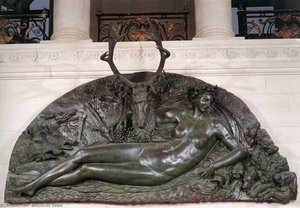
Anteprima in scala reale
 Invia
Invia Condividi
 Dettagli opera
 Guida
Guida

 Scarica
 Simili
 Radiografia
 Slideshow
 Statistiche
Project for a seal


 Espandi i dettagli
Riproduzione a olio fatta a mano
Olio su tela dipinto a mano nelle tue dimensioni e con la tua cornice, realizzato su ordinazione dai nostri artisti. ( Passa alle stampe Passa all'immagine digitale)




P118B €10

P118H €10

P118W €10

P438Z €10

P508JH €12

P508YH €12

P805H €10

P805Z €10

P919BZ €10

P919G €10

P919XJ €10

P959ZH €10

P968JZ €12

W106C €8

W218G €10

W218JH €8

W218Y €10

W307PJ €10

W316G €10

W316PJ €8

W316Y €10

W398PJ €8

W4111J €10

W500HY €15

W500JH €15

W692G €12

W849H €8

W940BG €15

W953PJ €8




Scegli tra le nostre dimensioni predefinite, che rispettano le proporzioni originali dell'opera d'arte.

Inserisci la larghezza e l'altezza desiderate, per adattarle alla tua cornice o alla tua parete. Trattandosi di un'opera dipinta a mano, in caso di dimensioni con un formato differente, l'artista può estendere leggermente il dipinto oltre i bordi dell'immagine o ritagliare una piccola parte — la scelta spetta a te. Ti invieremo un mockup digitale da approvare prima che la realizzazione abbia inizio. L'immagine mostrata in questa pagina non rappresenta il risultato finale — solo il mockup lo fa.
Dopo l'ordine, il team di OriginalUniqueArt.com contatterà il cliente via e-mail per ricevere le istruzioni e fornirà un'anteprima del mockup
Consegna in tutto il mondo () in 3/4 settimane anziché nelle normali 5 settimane. (27 Ottobre). Nessun compromesso sulla qualità.

Spedizione espressa gratuita in tutto il mondo

Tela in lino di alta qualità

Assicurazione completa sulla spedizione

Garanzia di rimborso dei dazi doganali

Garanzia di fedeltà cromatica assoluta

Politica di reso entro 100 giorni (solo per difetti di fabbricazione)

Garanzia di rimborso al 100%

Offerta per acquisti multipli
 L'opzione vetro è disponibile solo per dimensioni inferiori a 110 cm

Project for a seal
Tecnica di riproduzione
Dimensioni riproduzione
-


Prezzo finale calcolato
€ 264
A Renaissance Vision in Ink: The Mastery of Benvenuto Cellini
In the heart of the sixteenth century, amidst the vibrant intellectual ferment of Florence, Benvenuto Cellini breathed life into a vision that would serve as a cornerstone for artistic identity. His Project for a Seal, executed around 1563, is far more than a mere preparatory sketch; it is a profound window into the Mannerist soul. As one gazes upon this delicate interplay of pen and brown ink over black chalk, there is an immediate sense of stepping into an era where art, science, and myth were inextricably entwined. The drawing serves as a design for the official seal of the Accademia del Disegno, and in its meticulous lines, we find the very essence of the Florentine commitment to excellence and classical revival.
The composition is a mesmerizing dance of symbolism and cosmic order. At its center, Cellini presents a personification of Natura—a winged figure that embodies the primal, creative forces of the universe. This celestial being is not alone; she is flanked by powerful emblems that anchor the work in the political and spiritual reality of her time. A lion, representing the strength of Florence, stands sentinel alongside a serpent, a subtle nod to the authority of Duke Cosim I de' Medici. Surrounded by astrological symbols and an alphabet composed of the very instruments of the arts, the piece suggests that all human creativity is a reflection of a higher, divine geometry. To behold this work is to witness the Renaissance belief that understanding the heavens is the key to mastering the earthly realm.
Technique and the Elegance of Mannerism
For the discerning collector or designer, the technical brilliance of Cellini’s draughtsmanship offers endless inspiration. The piece exemplifies the Mannerist style, a period that moved beyond the balanced harmony of the High Renaissance to embrace dramatic flair, elongated forms, and intricate complexity. Cellini utilizes a sophisticated layering technique, employing pen and brown ink with a light wash over traces of black chalk to create a sense of ethereal depth. The use of chiaroscuro—the subtle modulation of light and shadow—gives the central figure a sculptural presence, as if the ink itself were being molded by the hand of a master goldsmith.
The texture of the work, reminiscent of aged parchment, carries an evocative weight of history. Every stroke is deliberate, from the fine, spindly lettering of the archaic script to the soft, feathered edges of the wings. This meticulous attention to detail creates a dense, layered aesthetic that rewards prolonged contemplation. For those looking to integrate classical grandeur into a contemporary interior, such a piece provides a sophisticated focal point, offering a sense of intellectual depth and timelessness that transcends modern trends.
An Emotional Journey Through Antiquity
Beyond its historical and technical merits, the Project for a Seal possesses a haunting emotional resonance. There is an undeniable aura of mystery and esoteric knowledge clinging to its lines, evoking the feeling of discovering a lost manuscript from an alchemist's study. The way the geometric shapes—circles, squares, and lozenges—interact with the organic forms of the chimera creates a tension between order and chaos, between the known and the occult. It is a work that speaks to the human desire for transformation and the pursuit of wisdom.
Whether displayed as a high-quality reproduction in a private library, an executive office, or a curated gallery space, this artwork invites conversation. It does not merely decorate a wall; it enriches the atmosphere with the spirit of the Renaissance polymath. To possess a reproduction of this masterpiece is to bring a fragment of Cellini’s flamboyant genius into one's own environment, fostering a space of reflection, creativity, and profound historical connection.
Domande e risposte
Quando è stata creata "Project for a seal" e a quale movimento appartiene?
"Project for a seal" è stata realizzata nel 1563, nell'ambito del movimento Mannerism.
Per quale uso è consigliata una riproduzione di "Project for a seal" di Benvenuto Cellini?
L'uso consigliato per una stampa di "Project for a seal" è Accent.
Che posto occupa "Project for a seal" tra i temi ricorrenti di Benvenuto Cellini?
Tra i temi ricorrenti di Benvenuto Cellini - cellini's obsessions, autobiographical symbolism, display of skill & power, personal mythology, renaissance symbolism, alchemical tradition, manuscript illumination, italian mannerism - "Project for a seal" pone un particolare accento su astrology, alchemy, chimera, manuscript, symbolism, renaissance, esotericism.
Biografia dell'artista
Benvenuto Cellini: Un Poliedrico del Rinascimento
- Nato: Firenze, Italia (1 novembre 1500)
- Morto: 13 febbraio 1571
Benvenuto Cellini fu una figura straordinaria del Rinascimento italiano, rinomato come abile orafo, scultore, disegnatore, soldato, musicista e scrittore. I suoi molteplici talenti e la sua personalità flamboyant sono vividamente catturati nella sua celebre autobiografia, considerata un'opera letteraria significativa accanto ai suoi risultati artistici. Incarna lo spirito del Manierismo, un periodo successivo all’Alto Rinascimento caratterizzato da slancio drammatico e complessità stilistica.
Primi Anni e Formazione Artistica
Nato in una famiglia con inclinazioni musicali – suo padre era musicista e costruttore di strumenti musicali – Cellini inizialmente mostrò promesse nella musica. Tuttavia, all'età di quindici anni, perseguì appassionatamente una carriera come orafo, convincendo il suo riluttante padre ad apprenderlo a Antonio di Sandro (conosciuto come Marcone). Questo segnò l'inizio della sua formazione artistica formale. I suoi primi anni non furono privi di incidenti; all'età di sedici anni, si trovò coinvolto in una rissa con i compagni, portando al suo esilio da Firenze e a un periodo lavorativo a Siena sotto l'orafo Fracastoro.
Opere Artistiche Principali e Stile
- Saliera: Questo elaborato capolavoro d’argento, commissionato dal re Francesco I di Francia, è probabilmente la sua opera più famosa. Mostra dettagli intricati e figure dinamiche, ora custodita presso il Kunsthistorisches Museum di Vienna.
- Perseo con la Testa di Medusa: Una scultura in bronzo raffigurante Perseo che trionfa tenendo la testa mozzata di Medusa, questo pezzo esemplifica la padronanza di Cellini nella forma e nella composizione drammatica. È una testimonianza della sua abilità nel catturare movimento ed emozione nel metallo.
- Medaglia d'Oro di Leda e il Cigno: Creata per Gonfaloniere Gabriello Cesarino, questa medaglia dimostra l’abilità di Cellini nel fondere la mitologia classica con l’artigianato squisito.
- Progetto per un Sigillo: Un disegno conservato al British Museum, che mostra le sue capacità di progettazione.
Lo stile di Cellini è caratterizzato dal suo dinamismo, realismo e attenzione ai dettagli. Trasse ispirazione dall'antichità classica e dalle potenti figure di Michelangelo, ma infuse il suo lavoro con una sensibilità manierista distintiva: forme allungate, pose esagerate e un senso di teatralità.
Vita Oltre l’Arte: Soldato, Musicista e Autobiografo
La vita di Cellini si estese ben oltre la bottega. Servì come soldato durante gli assedi, sostenendo di aver giocato un ruolo cruciale nella difesa di Roma contro le forze imperiali. Era anche un musicista esperto, suonando il cornetto e il flauto alla corte papale. Tuttavia, è la sua autobiografia che lo distingue veramente.
- La Vita di Benvenuto Cellini: Questo resoconto franco e spesso presuntuoso fornisce preziose informazioni sull'arte, la cultura e la società del Rinascimento. È una narrazione avvincente piena di aneddoti su patroni, rivali e avventure personali, offrendo una prospettiva unica sull’epoca.
La sua autobiografia non è semplicemente un resoconto di eventi; è un autoritratto attentamente costruito progettato per mostrare i suoi talenti e giustificare le sue azioni. Sebbene a volte inaffidabile a causa dei propri pregiudizi di Cellini, rimane una fonte primaria essenziale per comprendere la vita rinascimentale.
Eredità e Significato Storico
Benvenuto Cellini morì a Firenze nel 1571, lasciando dietro di sé un’eredità come uno degli artisti più importanti del Manierismo. La sua abilità tecnica, l'innovazione artistica e la sua affascinante autobiografia continuano a ispirare artisti e appassionati d'arte. Rappresenta l'ideale rinascimentale per eccellenza: un poliedrico dotato di competenze in molteplici discipline, guidato dall’ambizione e senza paura di esprimere la propria individualità. Le sue opere sono celebrate per la loro bellezza, artigianalità e potenza drammatica, consolidando il suo posto come figura fondamentale nella storia dell'arte occidentale.

Benvenuto Cellini
1500 - 1571 , Italia
Dettagli rapidi
- Artistic Movement Or Style: Manierismo
- Artists Who Influenced This Artist: ['Michelangelo']
- Date Of Birth: 3 novembre 1500
- Date Of Death: 13 febbraio 1571
- Full Name: Benvenuto Cellini
- Nationality: Italiano
- Notable Artworks:
- Saliera di Francesco I
- Perseo con la testa di Medusa
- Place Of Birth: Firenze, Italia
Articoli correlati
Oltre l'Imitazione: Il Ruolo Strategico delle Riproduzioni d'Arte nelle Pratiche Contemporanee delle Gallerie d'Elite
Scopri come le gallerie d'élite utilizzano strategicamente le riproduzioni d'arte per ampliare l'accesso, supportare artisti e offrire consulenza personalizzata ai collezionisti. Investi con fiducia nel mondo dell'arte.

Oltre la Replica: Come le Riproduzioni Ispirate Preservano l'Eredità Artistica nell'Abitazione Contemporanea
Scopri riproduzioni artistiche di alta qualità e commissiona opere personalizzate con OriginalUniqueArt.com. Artisti esperti, materiali pregiati e consulenza gratuita per arredare la tua casa con stile ed eleganza.
Oltre l'Imitazione: La Risonanza Culturale della Riproduzione Artistica e i Collezionisti Esigenti
Scopri riproduzioni artistiche di alta qualità realizzate da maestri qualificati. Personalizza la tua opera e arricchisci il tuo spazio con arte autentica. Consulenza gratuita e spedizione sicura.

Benvenuto Cellini: Orefice, Scultore e l'Arte dell'Auto-Rappresentazione nel Rinascimento Italiano
Esplora la vita e l'opera di Benvenuto Cellini, virtuoso del Rinascimento italiano. Analisi approfondita della sua autobiografia, tecniche artistiche innovative e il contesto storico del Manierismo. Scopri l'eredità di questo maestro.

Riproduzioni d'Arte: Guida Comparativa tra Olio su Tela, Stampa su Cotone e Poster con Cornice
Scopri la guida completa alle riproduzioni d'arte: confronto tra olio su tela, stampa su cotone e poster. Scegli la qualità per arredare con stile!