Anteprima in scala reale
 Invia
Invia Condividi
 Dettagli opera
 Guida
Guida

 Scarica
 Simili
 Radiografia
 Slideshow
 Statistiche
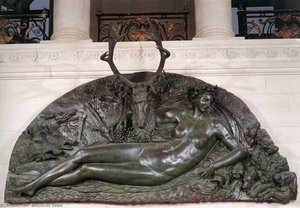
Perseus (13)


 Espandi i dettagli
Giclée / Stampe d'arte
Stampa giclée o su tela di qualità museale, con produzione rapida e diverse opzioni di finitura. ( Acquista il dipinto realizzato a mano Passa all'immagine digitale)




P118B €10

P118H €10

P118W €10

P438Z €10

P508JH €12

P508YH €12

P805H €10

P805Z €10

P919BZ €10

P919G €10

P919XJ €10

P959ZH €10

P968JZ €12

W106C €8

W218G €10

W218JH €8

W218Y €10

W307PJ €10

W316G €10

W316PJ €8

W316Y €10

W398PJ €8

W4111J €10

W500HY €15

W500JH €15

W692G €12

W849H €8

W940BG €15

W953PJ €8




Scegli tra le nostre dimensioni predefinite, che rispettano le proporzioni originali dell'opera d'arte.

Inserisci la larghezza e l'altezza desiderate, per adattarle alla tua cornice o alla tua parete. Una stampa può essere solo ritagliata, mai resa più grande dell'immagine originale; pertanto, un formato con una forma differente comporterà la perdita di una parte dell'opera. Ti invieremo un mockup digitale da approvare prima di procedere con la stampa. L'immagine mostrata in questa pagina non rappresenta il ritaglio reale — solo il mockup lo mostra.
Consegna in tutto il mondo () in 2 settimane invece delle normali 4/5 settimane. (27 Ottobre)

Spedizione espressa gratuita in tutto il mondo

Tela in lino di alta qualità

Assicurazione completa sulla spedizione

Garanzia di rimborso dei dazi doganali

Garanzia di fedeltà cromatica assoluta

Politica di reso entro 100 giorni (solo per difetti di fabbricazione)

Garanzia di rimborso al 100%

Offerta per acquisti multipli
 L'opzione vetro è disponibile solo per dimensioni inferiori a 110 cm

Perseus (13)
Giclée / Stampe d'arte
Dimensioni riproduzione
-


Prezzo finale calcolato
€ 70
Benvenuto Cellini’s “Perseus with the Head of Medusa”: A Masterpiece of Mannerist Drama
Benvenuto Cellini's bronze sculpture of Perseus with the Head of Medusa, completed around 1545-1554 for Duke Cosimo I de’ Medici in Florence, is far more than a mere depiction of a mythological hero. It’s a profound statement on skill, ambition, and the very nature of artistic creation—a testament to Cellini's extraordinary talent and his audacious embrace of the Mannerist style. Standing nearly four feet tall, this imposing figure commands attention not just for its scale but for the sheer dynamism and emotional intensity it conveys. The sculpture isn’t simply a narrative illustration; it’s an embodiment of triumph over terror, a celebration of human ingenuity, and a subtle commentary on the artist's own journey to mastery.
The story behind the piece is intrinsically linked to Cellini’s tumultuous life. He had spent years working in the service of King Francis I of France, honing his skills in the opulent courts of Paris. Returning to Florence, he sought patronage from Duke Cosimo, a powerful and discerning collector who recognized Cellini's genius. The commission for “Perseus” was a deliberate challenge—a chance for Cellini to demonstrate not only his technical prowess but also his ability to infuse a classical narrative with deeply personal expression. The sculpture’s creation coincided with a period of intense political intrigue in Florence, and the work itself can be interpreted as a metaphor for Cellini's own struggles against adversity and his relentless pursuit of artistic recognition.
A Study in Mannerist Drama: Form and Emotion
Cellini’s “Perseus” is a quintessential example of Mannerism—a style characterized by elongated forms, exaggerated poses, dramatic lighting, and an intense focus on emotional expression. Unlike the idealized beauty favored during the High Renaissance, Cellini deliberately departs from classical proportions, creating a figure that is both powerfully muscular and subtly unsettling. Perseus’s stance is not one of heroic repose; he's caught in a moment of decisive action, his body coiled with tension as he raises the severed Medusa’s head aloft. The sculpture isn’t about capturing a static image but rather conveying the *feeling* of victory—the raw energy and almost violent exertion required to overcome such a formidable foe.
The artist's masterful use of bronze allows for incredible detail, from the intricate folds of Perseus’s armor to the glistening sheen of his helmet. The texture is remarkably realistic, lending weight and physicality to the figure. Notice particularly the expressive details on Medusa’s face—her eyes wide with terror, her mouth frozen in a silent scream. Cellini doesn't shy away from depicting the horror of the scene; he forces the viewer to confront the monstrous nature of his adversary. The dramatic lighting, achieved through careful manipulation of the bronze surface, further enhances the sculpture’s emotional impact, casting deep shadows that accentuate the figure’s musculature and heighten the sense of drama.
Symbolism and Interpretation: Beyond Myth
While rooted in Greek mythology, “Perseus” is rich with symbolic meaning. The severed head of Medusa represents not just a vanquished monster but also the triumph over fear and darkness. The winged helmet, bestowed upon Perseus by Athena, symbolizes divine guidance and protection—a reminder that even the most daunting challenges can be overcome with wisdom and courage. The act of holding the head aloft is particularly significant; it’s a gesture of both victory and vulnerability—a recognition that even the greatest hero must confront the consequences of his actions.
Furthermore, the sculpture can be interpreted as an allegory for Cellini's own artistic journey. He was known for his self-aggrandizing autobiography, in which he frequently emphasized his own exceptional talent and skill. “Perseus” is a visual manifestation of this ego—a declaration of mastery achieved through relentless dedication and unwavering ambition. The sculpture’s placement within the Loggia dei Lanzi in Florence served as a deliberate statement of pride, showcasing Cellini's work to the public and asserting his position among the city's leading artists.
A Legacy of Dramatic Power
Benvenuto Cellini’s “Perseus with the Head of Medusa” remains one of the most compelling and emotionally resonant sculptures of the Renaissance. Its dramatic composition, masterful technique, and profound symbolism continue to captivate viewers centuries after its creation. Reproductions capture a fraction of the original's power, but the sculpture’s ability to evoke a visceral response—a sense of awe, terror, and ultimately, admiration—is unparalleled. It stands as a testament to Cellini’s genius and a powerful reminder of the enduring allure of classical mythology.
Domande e risposte
È disponibile il download di "Perseus (13)"?
L'immagine di "Perseus (13)" di Benvenuto Cellini può essere scaricata dalla pagina dedicata all'opera Scarica l'opera: download di un'immagine digitale ad alta risoluzione.
Quanto sono armoniosi i colori di "Perseus (13)" di Benvenuto Cellini?
"Perseus (13)" di Benvenuto Cellini presenta un'armonia cromatica Strong Color Unity.
In quale fase della carriera di Benvenuto Cellini si colloca "Perseus (13)", considerando la sua datazione?
"Perseus (13)", realizzata nel 1540, appartiene al Mannerist Style della carriera di Benvenuto Cellini.
Biografia dell'artista
Benvenuto Cellini: Un Poliedrico del Rinascimento
- Nato: Firenze, Italia (1 novembre 1500)
- Morto: 13 febbraio 1571
Benvenuto Cellini fu una figura straordinaria del Rinascimento italiano, rinomato come abile orafo, scultore, disegnatore, soldato, musicista e scrittore. I suoi molteplici talenti e la sua personalità flamboyant sono vividamente catturati nella sua celebre autobiografia, considerata un'opera letteraria significativa accanto ai suoi risultati artistici. Incarna lo spirito del Manierismo, un periodo successivo all’Alto Rinascimento caratterizzato da slancio drammatico e complessità stilistica.
Primi Anni e Formazione Artistica
Nato in una famiglia con inclinazioni musicali – suo padre era musicista e costruttore di strumenti musicali – Cellini inizialmente mostrò promesse nella musica. Tuttavia, all'età di quindici anni, perseguì appassionatamente una carriera come orafo, convincendo il suo riluttante padre ad apprenderlo a Antonio di Sandro (conosciuto come Marcone). Questo segnò l'inizio della sua formazione artistica formale. I suoi primi anni non furono privi di incidenti; all'età di sedici anni, si trovò coinvolto in una rissa con i compagni, portando al suo esilio da Firenze e a un periodo lavorativo a Siena sotto l'orafo Fracastoro.
Opere Artistiche Principali e Stile
- Saliera: Questo elaborato capolavoro d’argento, commissionato dal re Francesco I di Francia, è probabilmente la sua opera più famosa. Mostra dettagli intricati e figure dinamiche, ora custodita presso il Kunsthistorisches Museum di Vienna.
- Perseo con la Testa di Medusa: Una scultura in bronzo raffigurante Perseo che trionfa tenendo la testa mozzata di Medusa, questo pezzo esemplifica la padronanza di Cellini nella forma e nella composizione drammatica. È una testimonianza della sua abilità nel catturare movimento ed emozione nel metallo.
- Medaglia d'Oro di Leda e il Cigno: Creata per Gonfaloniere Gabriello Cesarino, questa medaglia dimostra l’abilità di Cellini nel fondere la mitologia classica con l’artigianato squisito.
- Progetto per un Sigillo: Un disegno conservato al British Museum, che mostra le sue capacità di progettazione.
Lo stile di Cellini è caratterizzato dal suo dinamismo, realismo e attenzione ai dettagli. Trasse ispirazione dall'antichità classica e dalle potenti figure di Michelangelo, ma infuse il suo lavoro con una sensibilità manierista distintiva: forme allungate, pose esagerate e un senso di teatralità.
Vita Oltre l’Arte: Soldato, Musicista e Autobiografo
La vita di Cellini si estese ben oltre la bottega. Servì come soldato durante gli assedi, sostenendo di aver giocato un ruolo cruciale nella difesa di Roma contro le forze imperiali. Era anche un musicista esperto, suonando il cornetto e il flauto alla corte papale. Tuttavia, è la sua autobiografia che lo distingue veramente.
- La Vita di Benvenuto Cellini: Questo resoconto franco e spesso presuntuoso fornisce preziose informazioni sull'arte, la cultura e la società del Rinascimento. È una narrazione avvincente piena di aneddoti su patroni, rivali e avventure personali, offrendo una prospettiva unica sull’epoca.
La sua autobiografia non è semplicemente un resoconto di eventi; è un autoritratto attentamente costruito progettato per mostrare i suoi talenti e giustificare le sue azioni. Sebbene a volte inaffidabile a causa dei propri pregiudizi di Cellini, rimane una fonte primaria essenziale per comprendere la vita rinascimentale.
Eredità e Significato Storico
Benvenuto Cellini morì a Firenze nel 1571, lasciando dietro di sé un’eredità come uno degli artisti più importanti del Manierismo. La sua abilità tecnica, l'innovazione artistica e la sua affascinante autobiografia continuano a ispirare artisti e appassionati d'arte. Rappresenta l'ideale rinascimentale per eccellenza: un poliedrico dotato di competenze in molteplici discipline, guidato dall’ambizione e senza paura di esprimere la propria individualità. Le sue opere sono celebrate per la loro bellezza, artigianalità e potenza drammatica, consolidando il suo posto come figura fondamentale nella storia dell'arte occidentale.

Benvenuto Cellini
1500 - 1571 , Italia
Dettagli rapidi
- Artistic Movement Or Style: Manierismo
- Artists Who Influenced This Artist: ['Michelangelo']
- Date Of Birth: 3 novembre 1500
- Date Of Death: 13 febbraio 1571
- Full Name: Benvenuto Cellini
- Nationality: Italiano
- Notable Artworks:
- Saliera di Francesco I
- Perseo con la testa di Medusa
- Place Of Birth: Firenze, Italia
Articoli correlati

I 10 Capolavori Bronzei che Hanno Rivoluzionato la Storia dell'Arte | OriginalUniqueArt
Esplora i 10 capolavori bronzei che hanno segnato la storia dell'arte! Da Rodin a Michelangelo, scopri le storie e le tecniche dietro queste sculture iconiche. Trova riproduzioni d'arte di alta qualità per decorare la tua casa con OriginalUniqueArt.com.

I 10 Capolavori in Bronzo che Hanno Rivoluzionato la Storia dell'Arte | OriginalUniqueArt
Esplora i 10 capolavori in bronzo che hanno segnato la storia dell'arte! Da Michelangelo a Rodin, scopri le storie e le tecniche dietro queste statue iconiche. Trova riproduzioni artistiche di alta qualità per decorare casa tua con OriginalUniqueArt.com.
The Enduring Legacy of Bronze: History, Technique & Artistic Expression for the Collector
Explore the rich history & enduring appeal of bronze sculpture with expert insights for collectors at OriginalUniqueArt. Learn about casting techniques, iconic artists, and collecting tips.

The Enduring Legacy of Bronze: A Historical & Artistic Exploration for the Collector
Explore the rich history & enduring appeal of bronze sculpture with expert insights for collectors at OriginalUniqueArt. Learn about casting techniques, iconic artists, collecting tips & contemporary interpretations.

The Enduring Legacy of Bronze Sculpture: A Collector's Guide to Form & Cultural Significance
Explore the rich history & enduring appeal of bronze sculpture with expert insights for collectors at OriginalUniqueArt. Learn about casting techniques, iconic artists, and collecting tips to build a discerning art collection.