Anteprima in scala reale
 Condividi
 Condividi
 Dettagli
 Guida stampabile

 Scarica
 Articoli simili
 Radiografia
 Slideshow
 Statistiche
Triptych


 Leggi tutto
Riproduzione a olio fatta a mano
Olio su tela dipinto a mano nelle tue dimensioni e con la tua cornice, realizzato su ordinazione dai nostri artisti. ( Passa alle stampe Passa all'immagine digitale)




P118B €10

P118H €10

P118W €10

P438Z €10

P508JH €12

P508YH €12

P805H €10

P805Z €10

P919BZ €10

P919G €10

P919XJ €10

P959ZH €10

P968JZ €12

W106C €8

W218G €10

W218JH €8

W218Y €10

W307PJ €10

W316G €10

W316PJ €8

W316Y €10

W398PJ €8

W4111J €10

W500HY €15

W500JH €15

W692G €12

W849H €8

W940BG €15

W953PJ €8




Scegli tra le nostre dimensioni predefinite, che rispettano le proporzioni originali dell'opera d'arte.

Inserisci la larghezza e l'altezza di cui hai bisogno, per adattarle alla tua cornice o alla tua parete. Trattandosi di un'opera dipinta a mano, in caso di dimensioni con una forma differente, l'artista può dipingere un po' più oltre i bordi dell'immagine o ritagliare leggermente — la scelta spetta a te. Ti invieremo un mockup digitale da approvare prima che la pittura abbia inizio. L'immagine mostrata in questa pagina non rappresenta il risultato reale — solo il mockup lo fa.
Dopo l'ordine, il team di OriginalUniqueArt.com contatterà il cliente via e-mail per ricevere le istruzioni e fornirà un'anteprima del mockup
Consegna in tutto il mondo () in 3/4 settimane anziché nelle normali 5 settimane. (22 Ottobre). Nessun compromesso sulla qualità.

Spedizione espressa gratuita in tutto il mondo

Tela in lino di alta qualità

Assicurazione completa sulla spedizione

Garanzia di rimborso dei dazi doganali

Garanzia di perfetta fedeltà cromatica

Politica di reso entro 100 giorni (solo per difetti di fabbricazione)

Garanzia di rimborso al 100%

Sconto per acquisti multipli
 L'opzione vetro è disponibile solo per dimensioni inferiori a 110 cm

Triptych
Tecnica di riproduzione
Dimensioni della riproduzione
-


Prezzo totale
€ 263
A Vision in Wood: The Devotional Splendor of the Triptych
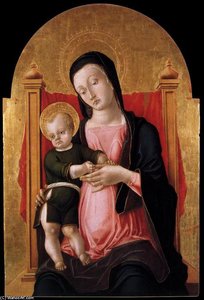
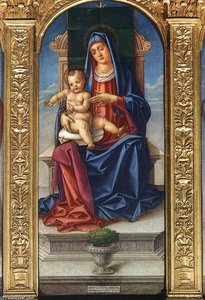
To stand before this magnificent triptych is to step directly into the hushed, sacred atmosphere of a late Gothic chapel. This work, dating from 1460, is not merely a painting; it is a devotional portal, crafted with painstaking reverence for the divine narrative. The structure itself—the three hinged panels—invites an intimate viewing experience, suggesting that the viewer must physically open the piece to reveal its full spiritual scope. At its heart lies the central panel, where the Virgin Mary cradles the infant Jesus Christ, surrounded by celestial attendants and saints whose gazes seem to follow the eye across centuries of faith.
Mastery in Tempera: Technique and Detail
The technical brilliance evident in this piece speaks volumes about the skill of its creator. Executed in tempera on wood panels, the medium lends a characteristic luminosity and permanence to the colors. One can almost feel the subtle texture of the aged wood beneath the vibrant pigments. Observe the meticulous rendering of the drapery; the folds of the garments are not simply painted but seem to possess weight and life, catching the light as if they were woven from silk and prayer. The attention paid to every detail, from the delicate wings of the surrounding angels to the rich embroidery on the saints' vestments, speaks to an era where art was considered a form of sacred labor.
Symbolism Woven into Sacred Scenes
The narrative complexity is breathtaking. On the left wing, St. John the Baptist stands in contemplative repose, his traditional attire and the presence of the lamb serving as potent symbols of innocence and prophecy. The right panel offers a contrasting scene, perhaps within the cool embrace of a cloister, where another saint engages in deep study from a manuscript, suggesting the enduring power of scripture and contemplation. These flanking scenes do not merely decorate; they frame the central mystery—the Incarnation—with supporting pillars of Christian virtue: prophecy, devotion, and wisdom. The pointed Gothic arches framing each section further anchor the piece within an architectural vocabulary that speaks of heavenly aspiration.
Historical Echoes and Enduring Piety
This triptych belongs to a period when religious art served as both high art and essential teaching tool for the faithful. It captures the profound piety characteristic of the late Gothic era, a time deeply invested in personal spiritual experience. While the artist's hand may have been guided by the traditions of masters like Bartolomeo Vivarini, the emotional resonance is universal. For the modern collector or designer, owning such a reproduction offers more than mere decoration; it provides an immediate connection to the deep currents of European spirituality and artisanal excellence.
Domande e risposte
Dove posso acquistare un'immagine digitale di "Triptych" di Bartolomeo Vivarini?
È possibile acquistare un'immagine digitale di "Triptych" di Bartolomeo Vivarini nella sua pagina Immagine Digitale: download di un'immagine digitale ad alta risoluzione.
Quale ambiente si abbina ai colori di "Triptych" di Bartolomeo Vivarini?
Considerando i suoi colori Earthy, si consiglia di inserire "Triptych" in un/una Living Room.
A quale emozione è associata "Triptych"?
Il tono emotivo registrato per "Triptych" di Bartolomeo Vivarini è Tranquil. Esso riassume la sensazione espressa dall'opera.
Biografia dell'artista
Un'eredità di luce e devozione veneziana
Nell'atmosfera vibrante e scintillante del Quattrocento, Bartolomeo Vivarini emerse come una figura cruciale nell'evoluzione della pittura veneziana. Nato nel celebre centro vetrario di Murano, Italia, egli faceva parte di un'inflessibile dinastia di artisti che contribuì a plasmare l'identità visiva della Repubblica di Venezia. Come membro della famiglia Vivarini, la sua vita e la sua opera furono profondamente intrecciate con il battito artistico della sua terra natale, fungendo da ponte nella transizione dalle ornate e dorate tradizioni del tardo Gotico al nascente umanesimo del primo Rinascimento.
L'arte di Vivarini è caratterizzata da un profondo senso di spiritualità e precisione tecnica. Sebbene fosse un maestro della tempera, utilizzando spesso la foglia d'oro per infondere alle sue composizioni un lusso celeste, fu anche un innovatore nell'uso di nuovi mezzi espressivi. È noto che apprese l'arte della pittura a olio da Antonello da Messina, e gli viene attribuita la produzione di quello che si ritiene sia il primo dipinto a olio a Venezia intorno al 1473. Questa maestria gli permise di manipolare luce e consistenza in modi che portarono un nuovo livello di intimità e serenità ai suoi soggetti religiosi.
Maestria della forma e del simbolismo
L'opera di Vivarini presenta spesso un equilibrio sorprendente tra contorni netti e definiti e una tavoluzione cromatica ricca ed emotiva. Le sue figure possiedono frequentemente un'espressione dignitosa e devota, catturando la solennità richiesta per le pale d'altare che adornavano le basiliche veneziane. Questa capacità di trasmettere l'emozione umana attraverso forme strutturate lo rese un pittore molto ricercato per importanti committenze religiose. Un esempio notevole della sua abilità si trova nella sua Madonna e Bambino, dove utilizza la luce che entra dalle finestre e profondi drappeggi rossi per creare un senso di spazio sacro.
Oltre alle figure stesse, i dipinti di Vivarini sono spesso stratificati di significati simbolici:
- L'uso dell'oro: La sua frequente applicazione della foglia d'oro funge non solo da decorazione, ma come mezzo per rappresentare la luce divina.
- Motivi naturali: In un affascinante richiamo al suo nome — poiché vivarino si traduce con cardellino in italiano — egli includeva occasionalmente il piccolo uccello come una sottile firma all'interno delle sue opere.
- Profondità architettonica: Le sue composizioni, come il Polittico di Conversano, dimostrano una sofisticata comprensione della prospettiva e dell'integrazione di figure sacre in strutture complesse e multipannello.
Significato storico e influenza artistica
L'importanza storica di Bartolomeo Vivarini risiede nel suo ruolo di ponte tra epoche diverse. Egli si trovò all'incrocio tra le tradizioni di influenza bizantina dei suoi predecessori e gli stili rivoluzionari del Rinascimento portati da artisti come Fra Angelico e Giovanni Bellini. Fondendo queste diverse influenze, contribuì a stabilire un linguaggio visivo veneziano unico, che privilegiava il colore luminoso e la risonanza emotiva.
La sua influenza si estese attraverso la sua stirpe familiare, impattando notevolmente l'opera del nipote, Alvise Vivarini, che sarebbe diventato un artista di primo piano a Venezia prima dell'ascesa di Bellini. Attraverso il suo dettaglio meticoloso e la sua pionieristica adozione delle tecniche a olio, Bartolomeo Vivarini ha lasciato un segno indelebile nella storia dell'arte italiana, assicurando che la grandezza spirituale ed estetica di Murano e Venezia venisse preservata per le generazioni a venire.

Bartolomeo Vivarini
1440 - 1499 , Italia
Informazioni rapide
- Artisti Che Hanno Influenzato Questo Artista:
- Antonello da Messina
- Fra Angelico
- Artisti O Movimenti Influenzati Da Questo Artista: ['Alvise Vivarini']
- Data Di Morte: 1499
- Data Di Nascita: 1440
- Luogo Di Nascita: Murano, Italia
- Movimento O Stile Artistico: Rinascimento veneziano
- Nazionalità: Italiana
- Nome Completo: Bartolomeo Vivarini
- Opere D'Arte Note:
- Madonna e bambino
- Polittico di Conversano
- Trittico (dettaglio)
Articoli correlati

The Beauty of Late Gothic Art: Elegance, Intricate Detail, and the Dawn of the Renaissance
Explore the exquisite elegance of Late Gothic art. Discover how masters like Carlo Crivelli and Stefan Lochner blended intricate detail and religious devotion to bridge the Middle Ages and the Renaissance in this expert art history guide for true connoisseurs.
The Radiant Dusk of Medieval Vision: Exploring Late Gothic Art's Synthesis of Faith, Form & Emotionality (c. 1300-1500)
Explore the exquisite beauty & spiritual depth of Late Gothic art (c. 1300-1500). Discover key artists, symbolism, and its lasting influence on the Renaissance. Expert insights at OriginalUniqueArt.
Late Gothic Art: The Divine Transition from Medieval Symbolism to Renaissance Naturalism
Explore the profound transition of Late Gothic art from medieval symbolism to Renaissance naturalism. Discover the elegance of International Gothic, the legacy of Master Theodoric, and the evolution of European courtly masterpieces through an expert art-historical lens.

Giclée Prints: Archival Quality & Aesthetic Nuances for the Discerning Collector
Explore the world of giclée prints with OriginalUniqueArt. Learn about archival quality, aesthetic nuances & investment potential. Expert guidance for discerning art collectors seeking museum-quality reproductions and lasting value.

Gothic Glamour Reimagined: How Late Medieval Aesthetics are Driving the Next Big Interior Design Trend
Discover how Late Medieval art is revolutionizing modern interiors. From Gothic drama to Renaissance naturalism, learn to integrate high-impact, historical aesthetics into your urban space with expert trend forecasts and design inspiration.