

 Anteprima in scala reale
 Invia
Invia Condividi
 Dettagli opera
 Guida
Guida

 Scarica
 Simili
 Radiografia
 Slideshow
 Statistiche
The Charity


 Espandi i dettagli
Giclée / Stampe d'arte
Stampa giclée o su tela di qualità museale, con produzione rapida e diverse opzioni di finitura. ( Acquista il dipinto realizzato a mano Passa all'immagine digitale)




P118B €10

P118H €10

P118W €10

P438Z €10

P508JH €12

P508YH €12

P805H €10

P805Z €10

P919BZ €10

P919G €10

P919XJ €10

P959ZH €10

P968JZ €12

W106C €8

W218G €10

W218JH €8

W218Y €10

W307PJ €10

W316G €10

W316PJ €8

W316Y €10

W398PJ €8

W4111J €10

W500HY €15

W500JH €15

W692G €12

W849H €8

W940BG €15

W953PJ €8




Scegli tra le nostre dimensioni predefinite, che rispettano le proporzioni originali dell'opera d'arte.

Inserisci la larghezza e l'altezza desiderate, per adattarle alla tua cornice o alla tua parete. Una stampa può essere solo ritagliata, mai resa più grande dell'immagine originale; pertanto, un formato con una forma differente comporterà la perdita di una parte dell'opera. Ti invieremo un mockup digitale da approvare prima di procedere con la stampa. L'immagine mostrata in questa pagina non rappresenta il ritaglio reale — solo il mockup lo mostra.
Consegna in tutto il mondo () in 2 settimane invece delle normali 4/5 settimane. (27 Ottobre)

Spedizione espressa gratuita in tutto il mondo

Tela in lino di alta qualità

Assicurazione completa sulla spedizione

Garanzia di rimborso dei dazi doganali

Garanzia di fedeltà cromatica assoluta

Politica di reso entro 100 giorni (solo per difetti di fabbricazione)

Garanzia di rimborso al 100%

Offerta per acquisti multipli
 L'opzione vetro è disponibile solo per dimensioni inferiori a 110 cm

The Charity
Giclée / Stampe d'arte
Dimensioni riproduzione
-


Prezzo finale calcolato
€ 70
Bartolomeo Schedoni’s ‘The Charity’: A Baroque Meditation on Compassion
Bartolomeo Schedoni's “The Charity,” painted in 1611, is more than just a depiction of an act of generosity; it’s a profound meditation on human compassion rendered with the dramatic intensity characteristic of the Parma Baroque. This work, currently residing within the Museo Nazionale di Capodimonte in Naples, offers a captivating glimpse into the artistic sensibilities of a young master grappling with the burgeoning stylistic currents of his time. Schedoni, born in Modena in 1578, benefited from an unusual upbringing – his father’s involvement in mask-making instilled a deep understanding of theatricality and visual spectacle, skills that would undoubtedly inform his later work. His early training included a brief but significant apprenticeship with Federico Zuccari in Rome, securing the patronage of Ranuccio I Farnese, Duke of Parma, a connection that firmly established him within the influential Famese court – a crucible for artistic innovation.
- Subject and Composition: The scene unfolds with meticulous detail, focusing on five figures arranged around an act of giving. A central figure, robed in red and white, extends a loaf of bread to a child clad in blue and white stripes – the recipient of this charitable offering. Surrounding them are three additional individuals: a contemplative woman observing from the left, a woman assisting with a basket on the right, and a distant child adding to the scene’s depth.
- Baroque Technique: Schedoni masterfully employs the hallmarks of the Baroque style – dramatic chiaroscuro, utilizing strong contrasts between light and shadow to heighten emotional impact and create a sense of movement within the composition. The use of rich pigments and meticulous detail in rendering fabrics and textures further enhances the painting’s visual richness.
- Historical Context: Painted in 1611, “The Charity” reflects the religious and social anxieties of the early 17th century. The Catholic Church was actively promoting charitable works as a means of combating the spread of Protestantism, and Schedoni's depiction aligns with this broader societal imperative.
Symbolic Layers: Faith, Humanity, and Divine Grace
Beyond its surface narrative, “The Charity” is laden with symbolic meaning. The act of giving bread itself represents sustenance – both physical and spiritual – a core tenet of Christian faith. The central figure’s red robe, often associated with Christ's sacrifice, elevates the scene to a higher plane, suggesting divine grace at work through human action. The contemplative woman, holding a staff, embodies wisdom and reflection, while the children represent innocence and vulnerability – figures frequently depicted in religious art as emblems of purity and hope. The carefully orchestrated spatial arrangement contributes to the painting’s overall sense of harmony and balance, reflecting a desire for order within a world often characterized by chaos.
The Artist's Vision: Schedoni's Place in Parma Baroque
Bartolomeo Schedoni’s artistic trajectory was tragically cut short; he succumbed to illness in 1615 at the young age of thirty-seven. Despite his brief career, Schedoni left a significant mark on the artistic landscape of Parma. His work demonstrates a remarkable ability to synthesize influences from Roman classicism and the more emotionally charged style of the Famese court. While overshadowed by some of his contemporaries, Schedoni’s “The Charity” stands as a testament to his talent and vision – a poignant reminder of a master whose brief but brilliant career illuminated the Baroque period.
Recreating ‘The Charity’: A Hand-Painted Reproduction
OriginalUniqueArt.com offers meticulously crafted hand-painted reproductions of Bartolomeo Schedoni’s “The Charity,” capturing the essence and emotional power of this iconic Baroque masterpiece. Each reproduction is created by skilled artisans, employing traditional techniques to faithfully recreate Schedoni's original composition and color palette. Whether for a grand salon or a smaller interior space, a hand-painted reproduction of "The Charity" will bring a touch of timeless beauty and profound meaning to your surroundings.
Domande e risposte
A quale periodo della carriera di Bartolomeo Schedoni appartiene "The Charity"?
"The Charity" appartiene al Early Baroque della carriera di Bartolomeo Schedoni. Questa classificazione riconduce l'opera all'evoluzione dell'artista.
Il copyright di "The Charity" di Bartolomeo Schedoni consente la riproduzione dell'opera?
L'originale "The Charity" si trova presso Museo e Real Bosco di Capodimonte e l'opera è di pubblico dominio - il copyright è scaduto.
Come posso visualizzare "The Charity" di Bartolomeo Schedoni in modalità presentazione?
È disponibile un diaporama: la pagina Slideshow di "The Charity" di Bartolomeo Schedoni.
Biografia dell'artista
Il Visionario di Parma: La Vita e l'Eredità di Bartolomeo Schedoni
Bartolomeo Schedoni rimane una delle figure più affascinanti ed enigmatiche del primo Barocco italiano. Nato a Modena nel 1578, il suo viaggio nel mondo delle belle arti non ebbe inizio con un pennello, ma attraverso l'intricata maestria artigianale del mestiere di mascheraro di suo padre. Questa precoce immersione nel teatrale e nell'ornamentale gli fornì una prospettiva unica sullo spettacolo e sul carattere, una base che si sarebbe manifestata in seguito nell'intensità drammatica delle sue pitture. Il suo talento lo spinse rapidamente verso il cuore del crepuscolo del Rinascimento italiano, conducendolo a Roma nel 1595. Fu proprio qui, sotto la tutela di Federico Zuccari, che Schedoni iniziò a perfezionare le sue abilità tecniche, ottenendo infine il prestigioso patrocinio di Ranuccio I Farnese, Duca di Parma. Questo legame con la corte Farnese sarebbe diventato la pietra angolare della sua identità professionale, ancorando la sua carriera all'interno dei più influenti circoli artistici dell'epoca.Una Maestria di Luce e Ombra
L'evoluzione dello stile di Schedoni è una testimonianza del suo profondo coinvolgimento con i maestri che lo hanno preceduto. Sebbene le cronache storiche discutano occasionalmente la sua esatta formazione, esiste un legame palpabile con le tecniche rivoluzionarie di Annibale Carracci e con la luminosa grazia di Correggio. La sua opera funge da ponte tra le qualità morbide ed eteree del tardo Rinascimento e il nascente dramma ad alto contrasto del Barocco. Schedoni divenne un maestro del chiaroscuro, utilizzando contrasti netti e teatrali tra luce e ombra per scolpire le forme ed evocare profonde risposte emotive. Questa tecnica gli permise di infondere alle sue figure un senso di peso e presenza, spesso caratterizzate da drappeggi angolari e un'atmosfera sobria e contemplativa. La sua capacità di manipolare la luce non era solo una prodezza tecnica, ma uno strumento narrativo, utilizzato per guidare l'occhio dello spettatore attraverso composizioni complesse verso il cuore spirituale dei suoi soggetti.Traguardi Monumentali e Impatto Artistico
Lungo la sua breve ma incisiva carriera, Schedoni ha lasciato opere che continuano a risuonare per la loro profondità emotiva e grandezza strutturale. Uno dei suoi successi più significativi fu la collaborazione con Ercole dell’Abate al monumentale affresco del soffitto per la Sala del Consiglio Vecchio nel Palazzo Comunale di Parma, un progetto che consolidò la sua reputazione di decoratore primario di spazi civili e religiosi. I suoi capolavori individuali, come la commissione del 1607 “La Carità”, dimostrano la sua capacità di intrecciare complesse narrazioni teologiche in composizioni visivamente avvincenti. Attraverso queste opere, Schedoni ha contribuito a un momento cruciale della storia dell'arte, in cui la stabilità del Rinascimento cedette il passo al movimento e alla tensione del Barocco. Sebbene la sua vita sia stata tragicamente interrotta dalla malattia nel 1615, la sua influenza è perdurata, lasciando un segno indelebile nel panorama artistico di Parma e nella traiettoria più ampia della pittura italiana.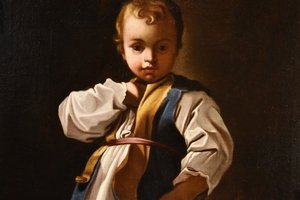
Bartolomeo Schedoni
1578 - 1615 , Italia
Dettagli rapidi
- Artistic Movement Or Style: Barocco precoce
- Artists Or Movements Influenced By This Artist: ['Caravaggio']
- Artists Who Influenced This Artist:
- Federico Zuccari
- Annibale Carracci
- Correggio
- Date Of Birth: 1578
- Date Of Death: 23 dicembre 1615
- Full Name: Bartolomeo Schedoni
- Nationality: Italian
- Notable Artworks:
- La Speranza
- Gli Angeli
- La Deposizione
- Place Of Birth: Modena, Italia
Articoli correlati

I 10 Dipinti Più Famosi Dominati dal Blu Ardesia: Storia, Arte e Decorazioni Raffinate
Esplora i 10 dipinti più iconici dominati dal blu ardesia! Scopri la storia, gli artisti e le tecniche dietro capolavori impressionisti e moderni. Trova riproduzioni artistiche di alta qualità per decorare casa con .

Drama and Light: A Definitive Guide to the Italian Baroque Masterpieces and the Revolution of Chiaroscuro
Explore the dramatic world of Italian Baroque art. Discover how masters like Caravaggio used chiaroscuro and tenebrism to revolutionize painting through light, shadow, and profound realism. A definitive guide for history lovers and art collectors.

Serene Blue Backgrounds: Discover Soulful Art to Transform Your Space with Timeless Elegance
Transform your home with soulful blue art. From serene Monet impressions to modern textured sculptures, discover curated masterpieces designed to inspire calm. Explore expert art consultations and bespoke hand-painted reproductions to create your personal sanctuary.

The Allure of Azure: Exploring the Symbolic & Aesthetic Depths of Blue in Art History
Explore the rich history of blue in art! Discover its symbolism, from ancient pigments to modern masterpieces by Kandinsky & Seurat. Uncover the psychological impact and cultural meanings behind this captivating hue.

Bianco Sublime: I 10 Dipinti Più Famosi Dominati dal Colore Bianco | .it
Esplora i 10 dipinti più celebri dominati dal bianco, da Monet a Malevich. Scopri la storia, le tecniche e l'impatto di queste opere iconiche. Trova stampe su tela e riproduzioni d'arte di alta qualità per decorare casa con stile su .
