

 Anteprima in scala reale
 Invia
Invia Condividi
 Dettagli opera

 Scarica immagine
 Simili
 Radiografia
 Slideshow
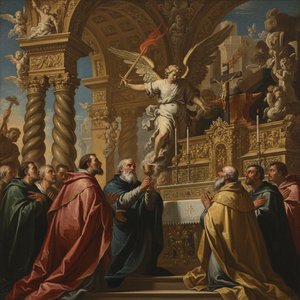
The Flight into Egypt
 Acrylic On Canvas
- WallArt
- Baroque Painting
 1670
1670 155.0 x 125.0 cm
 Museo delle Belle Arti
 Espandi i dettagli
Riproduzione a olio fatta a mano
Olio su tela dipinto a mano nelle tue dimensioni e con la tua cornice, realizzato su ordinazione dai nostri artisti. ( Acquista stampa Acquista immagine)




P118B $10

P118H $10

P118W $10

P438Z $10

P508JH $12

P508YH $12

P805H $10

P805Z $10

P919BZ $10

P919G $10

P919XJ $10

P959ZH $10

P968JZ $12

W106C $8

W218G $10

W218JH $8

W218Y $10

W307PJ $10

W316G $10

W316PJ $8

W316Y $10

W398PJ $8

W4111J $10

W500HY $15

W500JH $15

W692G $12

W849H $8

W940BG $15

W953PJ $8




Scegli tra le nostre dimensioni predefinite, che rispettano le proporzioni originali dell'opera d'arte.

È possibile inserire dimensioni personalizzate per adattare l'opera a una cornice o a uno spazio specifico. Se la dimensione selezionata non corrisponde alle proporzioni dell'immagine originale, provvederemo a ritagliare l'opera o a estendere il dipinto con elementi aggiuntivi dipinti a mano. Un mockup digitale ti sarà inviato per approvazione prima dell'inizio della produzione.
Si prega di notare che l'anteprima a schermo non riflette il ritaglio o l'estensione effettivi. Solo il mockup mostrerà accuratamente la composizione finale.
Sebbene siano disponibili dimensioni personalizzate, consigliamo di selezionare una dimensione dall'elenco predefinito per preservare le proporzioni originali.
Dopo l'ordine, il team di OriginalUniqueArt.com contatterà il cliente via e-mail per le istruzioni e fornirà un'anteprima del mockup
Consegna in tutto il mondo () in 3/4 settimane anziché nelle normali 5 settimane. (4 Settembre). Nessun compromesso sulla qualità.

Spedizione espressa gratuita in tutto il mondo

Tela in lino di alta qualità

Assicurazione completa sulla spedizione

Garanzia di rimborso dei dazi doganali

Garanzia di fedeltà cromatica

Politica di reso entro 60 giorni (solo per difetti di fabbricazione)

Garanzia di rimborso al 100%

Offerta per acquisti multipli
 L'opzione vetro è disponibile solo per dimensioni inferiori a 110 cm

The Flight into Egypt
Tecnica di riproduzione
Dimensioni riproduzione
-


Prezzo totale calcolato
$ 300
Bartolomé Esteban Murillo’s “The Flight into Egypt”: A Seville Sunset of Faith and Family
Bartolomé Esteban Murillo's "The Flight into Egypt," painted around 1645-1650, isn’t merely a depiction of a biblical narrative; it’s a luminous distillation of Seville’s golden age, a moment captured in oil on canvas that radiates with both religious devotion and the quiet intimacy of family. Born into a modest barber-surgeon's household in 1617, Murillo’s early life was marked by loss – the deaths of his parents casting him under the care of his sister’s husband, a circumstance that subtly shaped his artistic trajectory. This formative period instilled within him a deep appreciation for realism and an ability to imbue everyday scenes with profound emotional resonance, qualities he would later master in his celebrated religious works.
The painting immediately draws the eye with its masterful use of light – a hallmark of Murillo’s style. He employs a warm, diffused glow, reminiscent of the late afternoon sun filtering through the orange groves surrounding Seville, bathing the figures in a soft, almost ethereal radiance. This isn't the stark illumination favored by earlier Baroque masters like Zurbarán; instead, it creates an atmosphere of gentle serenity and familial warmth. The colors are rich and earthy – deep browns, ochres, and reds—grounded in the vibrant hues of Andalusian life, yet elevated through Murillo’s delicate handling of pigment.
A Study in Composition and Symbolism
The composition is remarkably balanced, guiding the viewer's eye seamlessly across the scene. Mary, depicted as a youthful and serene figure, sits astride a horse, her posture conveying both strength and vulnerability. She holds the infant Jesus close to her breast, radiating an aura of protective love. Joseph, positioned beside her, appears steadfast and watchful, his gaze fixed on the horizon—a subtle suggestion of their perilous journey ahead. The two horses, rendered with meticulous detail, are not simply mounts but symbols of movement and destiny, propelling them towards an uncertain future.
Beyond the immediate narrative, Murillo subtly incorporates symbolic elements. The angels, depicted as benevolent observers in the upper corners of the painting, represent divine guidance and protection. Their presence underscores the idea that this flight is not merely a physical journey but also a spiritual one, guided by God’s grace. The landscape itself—a stylized representation of the Judean wilderness—adds to the sense of mystery and foreboding, hinting at the challenges awaiting the family.
The Seville School and Murillo's Legacy
Murillo’s style is often categorized as part of the “Seville School,” a movement that emerged in the mid-17th century and distinguished itself from the more dramatic and emotionally charged works produced by artists like Ribera. While influenced by Flemish masters, Murillo developed his own distinctive approach—one characterized by its realism, luminous color palette, and focus on intimate scenes of everyday life. He skillfully blended religious iconography with secular subjects, creating a unique visual language that resonated deeply with the bourgeois clientele of Seville.
His “Flight into Egypt” exemplifies this synthesis perfectly. It’s not just a retelling of a biblical story; it's a celebration of family, faith, and the enduring spirit of humanity. Murillo’s ability to capture such profound emotion within a seemingly simple composition is what continues to captivate viewers centuries later. Reproductions of this iconic work offer a window into the heart of Seville during its golden age—a testament to the artistry and vision of one of Spain's most beloved painters.
Technical Details & Reproduction Considerations
Originally executed on canvas, “The Flight into Egypt” showcases Murillo’s mastery of oil painting techniques. Note the delicate layering of glazes, creating a remarkable sense of depth and luminosity. The artist’s attention to detail is evident in every brushstroke—from the texture of Mary's robes to the musculature of the horses. When considering reproductions, it’s crucial to select a high-quality print on archival canvas or fine art paper to accurately capture the painting’s rich colors and subtle nuances.
OriginalUniqueArt offers meticulously crafted reproductions that faithfully recreate Murillo’s original vision, ensuring that this timeless masterpiece continues to inspire and delight for generations to come. Explore our selection of prints and discover how you can bring a touch of Seville's golden age into your home or office.
Biografia dell'artista
La Vita e la Formazione di Bartolomé Esteban Murillo
Bartolomé Esteban Murillo, un pittore spagnolo barocco di spicco, nacque a Siviglia, in Spagna, alla fine del dicembre 1617 e fu battezzato il 1° gennaio 1618. Era il figlio più giovane di Gaspar Esteban e María Pérez, con una famiglia di quattordici figli. Dopo la morte dei suoi genitori nel 1627 e 1628, Murillo divenne sotto la tutela del marito della sua sorella, Juan Agustín Lagares. Murillo iniziò i suoi studi artistici a Siviglia sotto Juan del Castillo, un parente di sua madre, che era anche lui un artista. I suoi primi lavori furono influenzati dall'approccio realista dei pittori Zurbarán, Jusepe de Ribera e Alonzo Cano.L’Evoluzione dello Stile Artistico e le Opere Principali
Lo stile artistico di Murillo si evolse nel tempo, inizialmente influenzato dalla pittura fiamminga e dal "trattato sulle immagini sacre" di Molanus. Man mano che maturava, il suo lavoro sviluppò uno stile raffinato che si adattava ai gusti borghesi e aristocratici dell'epoca, in particolare nelle sue opere religiose cattoliche romane.- Giovane uomo con un cesto di frutta o personificazione dell’estate (c. 1640-50), che mostra il suo approccio realista iniziale.
- Il giovane mendicante (c. 1645, Musée du Louvre, Parigi, Francia), a dimostrazione dell'influenza di Velázquez.
- San Girolamo (c. 1650-52), che esemplifica il suo stile maturo, delicatamente luminoso.
Influenze e Eredità
Murillo fu influenzato da diversi artisti, tra cui Zurbarán per il suo realismo, Velázquez per la sua abilità nel catturare l'umanità dei soggetti e i pittori fiamminghi per la loro attenzione ai dettagli e alla luce. Il suo stile ebbe un impatto significativo su altri artisti, tra cui Thomas Gainsborough e Jean-Baptiste Greuze. Murillo ebbe numerosi allievi e seguaci, assicurando la sua reputazione in Spagna e la sua fama in tutta Europa. La sua influenza si estese ben oltre il suo tempo, ispirando generazioni di pittori successivi.Opere Significative e Musei che Espongono i Suoi Dipinti
Le opere di Murillo sono esposte in numerosi musei in tutto il mondo, tra cui:- Museo del Prado (Madrid, Spagna)
- Ermitage Museum (San Pietroburgo, Russia)
- Wallace Collection (Londra)
- Timken Museum of Art (San Diego, con Cristo sulla Croce)
- Krannert Art Museum (Champaign, Illinois, con Cristo dopo la flagellazione)

Bartolome Esteban Murillo
1618 - 1682 , Spagna
Dati rapidi
- Artisti Influenti:
- Zurbarán
- Jusepe de Ribera
- Alonzo Cano
- Velázquez
- Artisti Influenzati:
- Gainsborough
- Greuze
- Data Di Nascita: Dicembre 1617/Gennaio 1618
- Luogo Di Nascita: Siviglia, Spagna
- Movimento Artistico: Barocco spagnolo
- Nazionalità: Spagnola
- Nome Completo: Bartolomé Esteban Murillo
- Opere Notevoli:
- Giovane con cesta di frutta
- Il giovane mendicante
- San Girolamo
- Adorazione dei Pastori
- Bambino Gesù che distribuisce pane
Articoli correlati
The Golden Age Reforged: Dramatic Realism & Religious Zeal in Spanish Baroque Art
Explore the dramatic world of Spanish Baroque art! Discover masters like Zurbarán & the powerful influence of religious zeal on painting techniques – a guide for collectors and enthusiasts.

Bartolomé Esteban Murillo: Luce Divina e Commento Sociale nella Siviglia dell'Età d'Oro
Esplora la vita e le opere di Bartolomé Esteban Murillo, maestro del Siglo de Oro spagnolo. Analisi approfondite delle sue tele religiose e impegno sociale. Guida per collezionisti.

The Dramatic Flourish: Exploring the Baroque Movement's Enduring Legacy in Art History
Explore the dramatic world of Baroque art! Discover iconic artists like Caravaggio & Rubens, defining techniques, and its lasting impact on art history. Expert insights for collectors & enthusiasts at OriginalUniqueArt.

The Visceral Stage: Exploring Dramatic Narratives & Emotional Intensity in Baroque Art
Explore the dramatic world of Baroque art! Discover iconic masters like Caravaggio & Rembrandt, their techniques, and the movement's lasting impact. Expert insights for collectors & enthusiasts at OriginalUniqueArt.

Theatricality & Triumph: Baroque Drama in Painting & Sculpture
Explore the dramatic world of Baroque art! Discover its history, defining characteristics, & lasting influence on painting & sculpture. Expert insights into Caravaggio, Zurbarán, and Bernini – plus high-quality reproductions at OriginalUniqueArt.



