

 Anteprima in scala reale
 Condividi
 Condividi
 Dettagli
 Guida stampabile

 Scarica
 Articoli simili
 Radiografia
 Slideshow
 Statistiche
The Annunciation
 Oil On Canvas
- WallArt
- Spanish Baroque
 1680
1680 98.0 x 100.0 cm
 Leggi tutto
Riproduzione a olio fatta a mano
Olio su tela dipinto a mano nelle tue dimensioni e con la tua cornice, realizzato su ordinazione dai nostri artisti. ( Passa alle stampe Passa all'immagine digitale)




P118B €10

P118H €10

P118W €10

P438Z €10

P508JH €12

P508YH €12

P805H €10

P805Z €10

P919BZ €10

P919G €10

P919XJ €10

P959ZH €10

P968JZ €12

W106C €8

W218G €10

W218JH €8

W218Y €10

W307PJ €10

W316G €10

W316PJ €8

W316Y €10

W398PJ €8

W4111J €10

W500HY €15

W500JH €15

W692G €12

W849H €8

W940BG €15

W953PJ €8




Scegli tra le nostre dimensioni predefinite, che rispettano le proporzioni originali dell'opera d'arte.

Inserisci la larghezza e l'altezza di cui hai bisogno, per adattarle alla tua cornice o alla tua parete. Trattandosi di un'opera dipinta a mano, in caso di dimensioni con una forma differente, l'artista può dipingere un po' più oltre i bordi dell'immagine o ritagliare leggermente — la scelta spetta a te. Ti invieremo un mockup digitale da approvare prima che la pittura abbia inizio. L'immagine mostrata in questa pagina non rappresenta il risultato reale — solo il mockup lo fa.
Dopo l'ordine, il team di OriginalUniqueArt.com contatterà il cliente via e-mail per ricevere le istruzioni e fornirà un'anteprima del mockup
Consegna in tutto il mondo () in 3/4 settimane anziché nelle normali 5 settimane. (22 Ottobre). Nessun compromesso sulla qualità.

Spedizione espressa gratuita in tutto il mondo

Tela in lino di alta qualità

Assicurazione completa sulla spedizione

Garanzia di rimborso dei dazi doganali

Garanzia di perfetta fedeltà cromatica

Politica di reso entro 100 giorni (solo per difetti di fabbricazione)

Garanzia di rimborso al 100%

Sconto per acquisti multipli
 L'opzione vetro è disponibile solo per dimensioni inferiori a 110 cm

The Annunciation
Tecnica di riproduzione
Dimensioni della riproduzione
-


Prezzo totale
€ 263
A Moment of Grace: Bartolomé Murillo’s ‘The Annunciation’
Bartolomé Esteban Murillo's “The Annunciation,” painted in 1680, is more than just a depiction of a biblical scene; it’s a profound meditation on faith, humility, and the transformative power of divine intervention. Measuring 98 x 100 cm, this exquisite work transports us to a moment of quiet reverence within the heart of Seville, Spain – the very city that nurtured Murillo's extraordinary talent. The painting captures the pivotal event of the Archangel Gabriel announcing Mary’s impending motherhood to the Virgin herself, an encounter laden with spiritual significance and rendered with breathtaking sensitivity.
- Subject Matter: The composition centers on Mary, seated thoughtfully on a bench, her posture conveying both vulnerability and profound contemplation. An angel stands beside her, not with imposing grandeur but with gentle attentiveness, holding a book – a symbol of divine knowledge and revelation – as he delivers the momentous news.
- Technical Brilliance: Murillo’s mastery of light and color is immediately apparent. He employs a warm, rich palette dominated by ochres, browns, and reds, creating an atmosphere of deep intimacy and spiritual warmth. The use of chiaroscuro—the dramatic interplay of light and shadow—adds depth to the figures and enhances the sense of drama within the scene.
- Compositional Harmony: The balanced composition, with its carefully arranged figures, contributes significantly to the painting’s serene effect. Murillo skillfully guides the viewer's eye through the scene, drawing attention to Mary’s expression of wonder and the angel’s solemn announcement.
The Sevillean Style & Baroque Influence
Murillo’s artistic style is deeply rooted in the traditions of Spanish Baroque painting, yet he developed a distinctly personal approach that would come to define his legacy. Influenced by artists like Juan del Castillo, Murillo initially focused on religious subjects, particularly depictions of children and women – themes that resonated powerfully with the devout populace of Seville. His work reflects the prevailing artistic currents of the era, characterized by emotional intensity, dramatic lighting, and a focus on narrative clarity. However, unlike some of his contemporaries who embraced the more flamboyant excesses of Baroque style, Murillo favored a restrained elegance and a profound sense of human emotion.
- Baroque Elements: The use of dynamic composition, strong contrasts in light and shadow, and expressive gestures are hallmarks of the Baroque period, evident in “The Annunciation.”
- Humanism: Murillo’s emphasis on the emotional experience of his subjects – Mary's vulnerability, the angel’s solemnity – reflects a growing humanist sensibility within Spanish art.
Symbolism and Spiritual Resonance
“The Annunciation” is rich in symbolic meaning, reflecting the profound religious beliefs of 17th-century Spain. The book held by the angel represents divine revelation, while Mary’s posture embodies humility and acceptance of God's will. The inclusion of the infant Jesus, cradled in Mary’s arms, foreshadows his future role as savior and reinforces the central themes of faith and redemption. Beyond its religious significance, the painting speaks to universal human experiences – the search for guidance, the acceptance of destiny, and the profound connection between humanity and the divine.
- The Angel’s Gesture: The angel's outstretched hand and downward gaze symbolize his role as a messenger of God’s grace.
- Mary’s Expression: Mary’s serene expression conveys both surprise and acceptance, reflecting her unwavering faith.
A Timeless Masterpiece – A Reproduction for Your Space
This meticulously crafted hand-painted reproduction of Bartolomé Esteban Murillo's “The Annunciation” captures the essence of this iconic artwork with exceptional fidelity. Created using traditional techniques and archival quality materials, it offers a stunning addition to any art collection or interior design scheme. Its warm tones and serene composition evoke a sense of tranquility and spiritual contemplation, making it ideal for bedrooms, studies, or any space where you seek beauty and inspiration. Bring the timeless grace of Murillo’s masterpiece into your home with OriginalUniqueArt.
Domande e risposte
Dove posso scaricare "The Annunciation" di Bartolome Esteban Murillo?
È disponibile un download per "The Annunciation": la pagina Scarica dell'opera offre download di un'immagine digitale ad alta risoluzione.
In quale stanza si consiglia di esporre "The Annunciation" di Bartolome Esteban Murillo?
Una riproduzione di "The Annunciation" si adatta perfettamente a un/una Living Room.
Quanto è satura la tavolozza di "The Annunciation"?
"The Annunciation" di Bartolome Esteban Murillo è registrato con una saturazione Balanced Soft.
Biografia dell'artista
La Vita e la Formazione di Bartolomé Esteban Murillo
Bartolomé Esteban Murillo, un pittore spagnolo barocco di spicco, nacque a Siviglia, in Spagna, alla fine del dicembre 1617 e fu battezzato il 1° gennaio 1618. Era il figlio più giovane di Gaspar Esteban e María Pérez, con una famiglia di quattordici figli. Dopo la morte dei suoi genitori nel 1627 e 1628, Murillo divenne sotto la tutela del marito della sua sorella, Juan Agustín Lagares. Murillo iniziò i suoi studi artistici a Siviglia sotto Juan del Castillo, un parente di sua madre, che era anche lui un artista. I suoi primi lavori furono influenzati dall'approccio realista dei pittori Zurbarán, Jusepe de Ribera e Alonzo Cano.L’Evoluzione dello Stile Artistico e le Opere Principali
Lo stile artistico di Murillo si evolse nel tempo, inizialmente influenzato dalla pittura fiamminga e dal "trattato sulle immagini sacre" di Molanus. Man mano che maturava, il suo lavoro sviluppò uno stile raffinato che si adattava ai gusti borghesi e aristocratici dell'epoca, in particolare nelle sue opere religiose cattoliche romane.- Giovane uomo con un cesto di frutta o personificazione dell’estate (c. 1640-50), che mostra il suo approccio realista iniziale.
- Il giovane mendicante (c. 1645, Musée du Louvre, Parigi, Francia), a dimostrazione dell'influenza di Velázquez.
- San Girolamo (c. 1650-52), che esemplifica il suo stile maturo, delicatamente luminoso.
Influenze e Eredità
Murillo fu influenzato da diversi artisti, tra cui Zurbarán per il suo realismo, Velázquez per la sua abilità nel catturare l'umanità dei soggetti e i pittori fiamminghi per la loro attenzione ai dettagli e alla luce. Il suo stile ebbe un impatto significativo su altri artisti, tra cui Thomas Gainsborough e Jean-Baptiste Greuze. Murillo ebbe numerosi allievi e seguaci, assicurando la sua reputazione in Spagna e la sua fama in tutta Europa. La sua influenza si estese ben oltre il suo tempo, ispirando generazioni di pittori successivi.Opere Significative e Musei che Espongono i Suoi Dipinti
Le opere di Murillo sono esposte in numerosi musei in tutto il mondo, tra cui:- Museo del Prado (Madrid, Spagna)
- Ermitage Museum (San Pietroburgo, Russia)
- Wallace Collection (Londra)
- Timken Museum of Art (San Diego, con Cristo sulla Croce)
- Krannert Art Museum (Champaign, Illinois, con Cristo dopo la flagellazione)

Bartolome Esteban Murillo
1618 - 1682 , Spagna
Informazioni rapide
- Artisti Influenti:
- Zurbarán
- Jusepe de Ribera
- Alonzo Cano
- Velázquez
- Artisti Influenzati:
- Gainsborough
- Greuze
- Data Di Nascita: Dicembre 1617/Gennaio 1618
- Luogo Di Nascita: Siviglia, Spagna
- Movimento Artistico: Barocco spagnolo
- Nazionalità: Spagnola
- Nome Completo: Bartolomé Esteban Murillo
- Opere Notevoli:
- Giovane con cesta di frutta
- Il giovane mendicante
- San Girolamo
- Adorazione dei Pastori
- Bambino Gesù che distribuisce pane
Articoli correlati

The Dramatic Flourish: Exploring the Baroque Movement's Enduring Legacy in Art History
Explore the dramatic world of Baroque art! Discover iconic artists like Caravaggio & Rubens, defining techniques, and its lasting impact on art history. Expert insights for collectors & enthusiasts at OriginalUniqueArt.

Bartolomé Esteban Murillo: Luce Divina e Commento Sociale nella Siviglia dell'Età d'Oro
Esplora la vita e le opere di Bartolomé Esteban Murillo, maestro del Siglo de Oro spagnolo. Analisi approfondite delle sue tele religiose e impegno sociale. Guida per collezionisti.
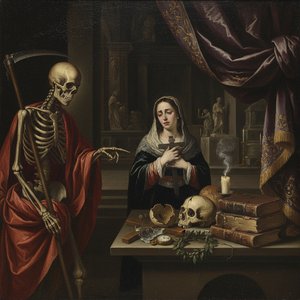
Juan de Valdés Leal: Baroque Realism, Memento Mori & Theatricality of Spanish Grief
Explore the powerful Baroque realism of Juan de Valdés Leal (1622-1690). Discover his somber masterpieces, iconic 'In Ictu Oculi', and profound explorations of mortality. Museum-quality reproductions available at OriginalUniqueArt.
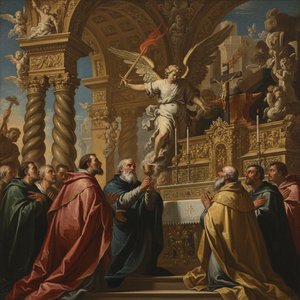
The Golden Age Reforged: Dramatic Realism & Religious Zeal in Spanish Baroque Art
Explore the dramatic world of Spanish Baroque art! Discover masters like Zurbarán & the powerful influence of religious zeal on painting techniques – a guide for collectors and enthusiasts.

Giclée Prints: Archival Quality & Aesthetic Nuances for the Discerning Collector
Explore the world of giclée prints with OriginalUniqueArt. Learn about archival quality, aesthetic nuances & investment potential. Expert guidance for discerning art collectors seeking museum-quality reproductions and lasting value.


