Anteprima in scala reale
 Invia
Invia Condividi
 Dettagli opera
 Guida
Guida

 Scarica
 Simili
 Radiografia
 Slideshow
 Domande e risposte
 Statistiche
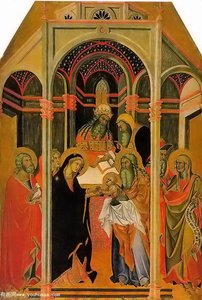
Saint augustine.
 Espandi i dettagli
Giclée / Stampe d'arte
Stampa giclée o su tela di qualità museale, con produzione rapida e diverse opzioni di finitura. ( Acquista il dipinto realizzato a mano Passa all'immagine digitale)




































Scegli tra le nostre dimensioni predefinite, che rispettano le proporzioni originali dell'opera d'arte.

Inserisci la larghezza e l'altezza desiderate, per adattarle alla tua cornice o alla tua parete. Una stampa può essere solo ritagliata, mai resa più grande dell'immagine originale; pertanto, un formato con una forma differente comporterà la perdita di una parte dell'opera. Ti invieremo un mockup digitale da approvare prima di procedere con la stampa. L'immagine mostrata in questa pagina non rappresenta il ritaglio reale — solo il mockup lo mostra.
Consegna in tutto il mondo () in 2 settimane invece delle normali 4/5 settimane. (13 Novembre)

Spedizione espressa gratuita in tutto il mondo

Tela in lino di alta qualità

Assicurazione completa sulla spedizione

Garanzia di rimborso dei dazi doganali

Garanzia di fedeltà cromatica assoluta

Politica di reso entro 100 giorni (solo per difetti di fabbricazione)

Garanzia di rimborso al 100%

Offerta per acquisti multipli
 L'opzione vetro è disponibile solo per dimensioni inferiori a 110 cm

Saint augustine.
Giclée / Stampe d'arte
Dimensioni riproduzione
-


Prezzo finale calcolato
€ 72
Biografia dell'artista
L'Eredità Luminosa di Bartolo di Fredi
Nel cuore della Toscana del XIV secolo, un periodo definito dalla transizione dalla grazia eterea dell'era gotica al nascente umanesimo del Rinascimento, Bartolo di Fredi emerse come un maestro della luce e della narrazione. Nato a Siena intorno al 1330, egli era molto più di un semplice pittore; era un ponte tra due mondi. La sua opera, spesso caratterizzata da una luminosità ultraterrena e da una meticolosa devozione al dettaglio, catturava il fervore spirituale della sua epoca introducendo al contempo una complessità decorativa che avrebbe lasciato un segno indelebile nella Scuola Senese. Osservare un capolavoro di Fredi significa entrare in un regno dove il sacro e l'ornamentale danzano in una perfetta, dorata armonia.
Le fondamenta della sua carriera erano profondamente radicate nelle prestigiose corporazioni di Siena. Già nel 1355, egli era entrato ufficialmente nell'Arte dei Maestri di Tavola e Dipinto, un traguardo che gli garantì l'accesso alle più significative reti di mecenatismo in Italia. Questa stabilità professionale gli permise di collaborare con altri luminari dell'epoca, come Andrea Varga, su progetti monumentali quali la decorazione del Duomo di Siena. Questi primi anni furono formativi, poiché assorbì l'eleganza aristocratica di Simone Martini e le tradizioni fondanti di Duccio, affinando uno stile che rifiutava la freddezza del rigido realismo in favore di una bellezza più emotiva e simbolica.
Un Maestro dell'Affresco e del Dramma Narrativo
Forse la testimonianza più mozzafiato del genio di Fredi si trova tra le mura della Cattedrale di San Gimignano. Tra il 1356 e il 1367, egli intraprese un ambizioso ciclo di affreschi che trasformò la navata sinistra in un vivido arazzo biblico. In queste opere, come la viscerale Uccisione dei servi di Giobbe, si può testimoniare la sua capacità di dominare composizioni su vasta scala con un'intensa tensione drammatica. Egli non si limitava a ritrarre scene; le orchestrava, usando il colore e il movimento per guidare lo spettatore attraverso storie di profonda sofferenza e intervento divino. La sua tecnica in questi affreschi mostrava una precoce maestria nello spazio illusionistico, spingendo i confini di ciò che lo stile gotico poteva raggiungere.
Oltre la scala monumentale dei suoi affreschi, Fredi eccelleva nel mezzo intimo delle pale d'altare. La sua Annunciazione (1383) funge da esempio quintessenziale della sua capacità di fondere il sacro con l'esquisito. In quest'opera, l'uso della luce non è solo un virtuosismo tecnico ma uno strumento teologico, che illumina i delicati dettagli dell'ambiente della Vergine creando un'atmosfera di profonda santità. Il suo approccio alla pittura su tavola permetteva un livello di ornamentazione — foglia d'oro, motivi intricati e linee sottili — che soddisfaceva il desiderio di splendore dell'epoca, mantenendo al contempo un profondo focus spirituale.
Significato Storico e Influenza Artistica
L'importanza storica di Bartolo di Fredi risiede nel suo ruolo di perno stilistico. Pur rimanendo fedele alle tradizioni decorative che definivano l'arte senese, egli possedeva un'innata curiosità per le tecniche in evoluzione del suo tempo. Si trovò al crocevia della storia, preservando le delicate qualità oniriche del tardo periodo gotico mentre preparava il terreno per l'approccio più strutturato e antropocentrico del Rinascimento. La sua capacità di sintetizzare queste forze opposte creò un linguaggio visivo unico, allo stesso tempo nostalgico e lungimirante.
Oggi, i suoi contributi sono riconosciuti come componenti essenziali dell'identità artistica toscana. L'eredità di Bartolo di Fredi può essere riassunta attraverso alcuni pilastri fondamentali del suo impatto:
- Sintesi Stilistica: Egli riuscì a fondere con successo l'eleganza aristocratica della tradizione senese con una nuova, più dinamica energia narrativa.
- Innovazione Narrativa: I suoi cicli di affreschi a San Gimignano hanno ridefinito il modo in cui le storie bibliche potevano essere raccontate attraverso immagini su larga scala ed emotivamente cariche.
- Maestria Decorativa: Elevò l'uso del colore e dell'ornamento, rendendo la pala d'altare un veicolo sia di devozione che di meraviglia estetica.
- Continuità Culturale: Come membro eminente delle corporazioni senesi, contribuì a mantenere il prestigio dell'arte toscana durante un periodo di significativa transizione sociale e artistica.
Sebbene le maree della storia dell'arte si siano infine spostate verso l'intenso realismo dei maestri successivi, il mondo luminoso ed incantato creato da Bartolo di Fredi rimane un capitolo vitale nella storia dell'arte occidentale, ricordandoci un tempo in cui la pittura era una finestra sul divino.

Bartolo Di Fredi
1330 - 1410 , Italia
Dettagli rapidi
- Artistic Movement Or Style: Sienese School
- Artists Who Influenced This Artist:
- Simone Martini
- Duccio
- Date Of Birth: c. 1330
- Date Of Death: january 26, 1410
- Full Name: Bartolo di Fredi
- Nationality: Italian
- Notable Artworks:
- The Coronation of the Virgin
- Abraham is divided by Lot in the land of Canaan
- Killing of the servants of Job
- Place Of Birth: Siena, Italy
Articoli correlati

I 25 capolavori di Fra Angelico: la luce divina del Rinascimento
Scopri i 25 capolavori di Fra Angelico e la luce del Rinascimento. Esplora la collezione completa su OriginalUniqueArt.com.

I 25 Capolavori di Duccio di Buoninsegna: L'Anima della Scuola Senese
Esplora i 25 capolavori di Duccio di Buoninsegna: un viaggio tra l'oro bizantino e il gotico senese. Scopri la storia e l'emozione dietro ogni opera e trova riproduzioni d'arte di qualità museale per i tuoi interni su OriginalUniqueArt.com. Esplora l'intera collezione online.

I 25 Capolavori di Giotto di Bondone: Il Padre del Rinascimento
Scopri i 25 capolavori di Giotto di Bondone, il maestro che ha dato anima al Rinascimento. Un viaggio tra affreschi e realismo per ispirare il tuo arredamento con riproduzioni d'arte di qualità museale. Esplora l'intera collezione su OriginalUniqueArt.com.

Bellezza Divina: i 25 Capolavori più Iconici di Fra Angelico
Esplora i 25 capolavori di Fra Angelico tra luce e devozione. Scopri le riproduzioni d'arte su OriginalUniqueArt.com.

I 25 Capolavori di Duccio di Buoninsegna: L'Anima della Pittura Sienese
Scopri i 25 capolavori di Duccio di Buoninsegna e l'arte gotica senese. Esplora la collezione su OriginalUniqueArt.com.