

 Anteprima in scala reale
 Condividi
 Condividi
 Dettagli
 Guida stampabile

 Scarica
 Articoli simili
 Radiografia
 Slideshow
 Statistiche
Classical Landscape with Ruins
 Watercolor
- WallArt
- Romantic Landscape Painting
 1629
1629- Early Modern
 21.0 x 21.0 cm
 Fitzwilliam College
 Leggi tutto
Riproduzione a olio fatta a mano
Olio su tela dipinto a mano nelle tue dimensioni e con la tua cornice, realizzato su ordinazione dai nostri artisti. ( Passa alle stampe Passa all'immagine digitale)




P118B $10

P118H $10

P118W $10

P438Z $10

P508JH $12

P508YH $12

P805H $10

P805Z $10

P919BZ $10

P919G $10

P919XJ $10

P959ZH $10

P968JZ $12

W106C $8

W218G $10

W218JH $8

W218Y $10

W307PJ $10

W316G $10

W316PJ $8

W316Y $10

W398PJ $8

W4111J $10

W500HY $15

W500JH $15

W692G $12

W849H $8

W940BG $15

W953PJ $8




Scegli tra le nostre dimensioni predefinite, che rispettano le proporzioni originali dell'opera d'arte.

È possibile inserire dimensioni personalizzate per adattare l'opera a una cornice o a uno spazio specifico. Se la dimensione selezionata non corrisponde alle proporzioni dell'immagine originale, provvederemo a ritagliare l'opera o a estendere il dipinto con elementi aggiuntivi dipinti a mano. Un mockup digitale ti sarà inviato per approvazione prima dell'inizio della produzione.
Si prega di notare che l'anteprima a schermo non riflette il ritaglio o l'estensione effettivi. Solo il mockup mostrerà accuratamente la composizione finale.
Sebbene siano disponibili dimensioni personalizzate, consigliamo di selezionare una dimensione dall'elenco predefinito per preservare le proporzioni originali.
Dopo l'ordine, il team di OriginalUniqueArt.com contatterà il cliente via e-mail per ricevere le istruzioni e fornirà un'anteprima del mockup
Consegna in tutto il mondo () in 3/4 settimane anziché nelle normali 5 settimane. (26 Settembre). Nessun compromesso sulla qualità.

Spedizione espressa gratuita in tutto il mondo

Tela in lino di alta qualità

Assicurazione completa sulla spedizione

Garanzia di rimborso dei dazi doganali

Garanzia di perfetta fedeltà cromatica

Politica di reso entro 100 giorni (solo per difetti di fabbricazione)

Garanzia di rimborso al 100%

Sconto per acquisti multipli
 L'opzione vetro è disponibile solo per dimensioni inferiori a 110 cm

Classical Landscape with Ruins
Tecnica di riproduzione
Dimensioni della riproduzione
-


Prezzo totale
$ 300
A Vision of Roman Decay: The Melancholy Beauty of Breenbergh
In the quiet corners of the Fitzwilliam Museum, there exists a window into a lost era—a watercolor titled Classical Landscape with Ruins by the Dutch master Bartholomeus Breenbergh. Created around 1629, this delicate work is far more than a mere topographical record; it is a profound meditation on the passage of time and the inevitable triumph of nature over human ambition. As one gazes upon the crumbling stone structures in the foreground, there is an immediate sense of the sublime—that intoxicating mixture of awe and terror that comes from witnessing the slow, relentless decay of once-great civilizations. Breenbergh captures a moment where the grandeur of Rome meets the quiet persistence of the earth, inviting the viewer to contemplate their own place within the vast, cyclical rhythm of history.
The composition is masterfully orchestrated to lead the eye through a narrative of light and shadow. In the foreground, the skeletal remains of classical architecture serve as a poignant memento mori, while life continues in its humble, unbothered forms around them. Two figures wander near the ruins, perhaps travelers or shepherds lost in thought, their small scale emphasizing the monumental weight of the past. Scattered throughout this pastoral scene are the gentle rhythms of rural life: cows and sheep graze peacefully, a horse rests in the mid-ground, and a solitary bird drifts through the sky. Even the presence of a tranquil body of water near the right edge of the frame adds a layer of reflective stillness, mirroring the contemplative mood that permeates the entire landscape.
The Alchemy of Light and Italianate Grace
Technically, Breenbergh departs from the rigid, microscopic realism often associated with his Dutch contemporaries. Instead, he embraces an Italianate sensibility, characterized by a soft, atmospheric perspective that breathes life into the paper. His brushwork is loose and expressive, eschewing sharp outlines in favor of luminous transitions. Light is the true protagonist of this piece; shafts of sunlight pierce through the architectural debris, illuminating patches of verdant foliage and casting long, dramatic shadows that stretch across the terrain. This manipulation of light creates a sense of depth and drama, pulling the viewer into a world where the air feels heavy with humidity and history.
The color palette is a sophisticated study in muted elegance. Dominated by earthy browns, deep ochres, and mossy greens, the painting evokes the feeling of an ancient, sun-drenched landscape. Yet, Breenbergh punctuates these somber tones with subtle splashes of crimson and gold, reminiscent of the dramatic chiaroscuro found in the works of Caravaggio. For the discerning collector or interior designer, this piece offers a remarkable versatility. Its tonal depth and classical subject matter allow it to serve as a sophisticated focal point in a traditional study, a serene anchor in a contemporary minimalist space, or a soulful addition to a gallery wall dedicated to the Golden Age of painting.
An Eternal Echo for the Modern Collector
To possess a reproduction of this work is to bring a piece of the 17th-century soul into the modern home. Breenbergh’s ability to weave together the architectural ghosts of antiquity with the living, breathing pulse of nature creates an emotional resonance that transcends centuries. The painting does not merely depict a scene; it evokes a feeling of nostalgia for a greatness we can no longer touch, yet still deeply admire. It is an invitation to slow down, to observe the play of light upon stone, and to find beauty in the ephemeral. Whether you are drawn to its historical significance, its masterful use of atmospheric perspective, or its quiet, melancholic grace, this artwork remains a timeless testament to the enduring power of the classical spirit.
Biografia dell'artista
Primi Anni e Formazione
- Nome: Bartholomeus Breenbergh
- Nato: Prima del 13 novembre 1598, a Deventer, Paesi Bassi
- Morto: Dopo il 3 ottobre 1657, ad Amsterdam, Paesi Bassi
- I dettagli della sua vita iniziale sono scarsi. La famiglia si trasferì a Hoorn dopo la morte del padre nel 1607.
- Fu un contemporaneo di Jacques Waben e probabilmente ricevette una prima formazione lì.
- Insegnanti registrati includono Pieter Lastman e Jacob Symonsz Pynas.
Carriera: Roma e lo Stile Italianeggiante
- Registrato per la prima volta come pittore ad Amsterdam nel 1619.
- Nel 1619, viaggiò a Roma, dove risiedette fino al 1630 circa.
- Lavorò con il pittore fiammingo Frans van de Kasteele ed è stato fortemente influenzato da Paul Bril.
- Sviluppò uno stile paesaggistico italianeggiante distintivo, caratterizzato da raffigurazioni idealizzate della Campagna Romana (zona rurale).
- Influenzato dai paesaggi di Cornelis van Poelenburgh; i loro stili divennero a volte difficili da distinguere.
- Divenne uno dei fondatori dei Bentvueghels ("Gilda dei pittori") a Roma, guadagnandosi il soprannome "het fret" (il tasso).
Ritorno ad Amsterdam e Sviluppo Artistico
- Tornò ad Amsterdam intorno al 1630.
- Sposato nel 1633 e ricevette un salario annuale da Re Carlo I di Gran Bretagna.
- Il suo lavoro iniziò a incorporare figure mitologiche e bibliche nei paesaggi italiani, influenzato da artisti come Pieter Lastman.
- Sviluppò uno stile più monumentale con tipi espressivi di figure.
- L'unico allievo registrato fu Jan de Bisschop, che studiò con lui negli anni '40 del 1600.
Influenze e Eredità
- Influenze: Pieter Lastman, Nicolaes Moeyaert, Paul Bril, Cornelis van Poelenburgh, Claude Lorrain.
- Influenza su Altri: Jan Linsen, Scipione Compagno, Laurens Barata, Charles Cornelisz. de Hooch, Pieter Anthonisz. van Groenewegen, Francois van Knibbergen e Catharina van Knibbergen.
- Breenbergh è stato una figura chiave nello sviluppo dello stile paesaggistico italianeggiante nei Paesi Bassi.
- Il suo lavoro ha contribuito a diffondere le raffigurazioni di rovine classiche e paesaggi idealizzati tra gli artisti dell'Europa settentrionale.
- Ha colmato il divario tra i maestri olandesi precedenti e i pittori paesaggisti successivi, più raffinati.
Significato Storico
- Il contributo di Breenbergh risiede nel suo ruolo pionieristico nell'istituire lo stile italianeggiante all'interno dell'arte olandese.
- La sua capacità di sintetizzare influenze da vari artisti - Lastman, Moeyaert, Bril, Poelenburgh - ha creato una voce artistica unica e riconoscibile.
- Ha svolto un ruolo significativo nel plasmare le preferenze estetiche del Secolo d'Oro olandese, ispirando generazioni successive di pittori paesaggisti.
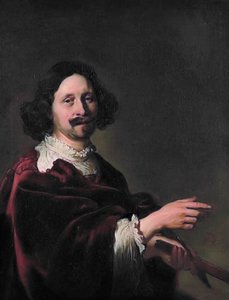
Bartholomeus Breenbergh
1598 - 1657 , Paesi Bassi
Informazioni rapide
- Artisti Che Hanno Influenzato:
- Paul Bril
- Cornelis van Poelenburgh
- Artisti Influenzati:
- Jan Linsen
- Claude Lorrain
- Data Di Morte: 5 ottobre 1657
- Data Di Nascita: 13 novembre 1598
- Luogo Di Nascita: Deventer, Paesi Bassi
- Movimento Artistico: Paesaggi Italianati
- Nazionalità: Olandese
- Nome Completo: Bartholomeus Breenbergh
Articoli correlati

I 10 Capolavori dell'Età d'Oro Olandese: Arte, Storia e Stile per la Tua Casa
Esplora i 10 capolavori dell'Età d'Oro Olandese con ! Rembrandt, Vermeer e altri maestri rivivono in dipinti iconici. Scopri storia, tecnica e colori di opere senza tempo per arredare la tua casa con arte di qualità museale. Esplora la collezione online!

Golden Light & Dutch Skies: The Timeless Magic of Dutch Golden Age Landscapes
Discover the breathtaking beauty of Dutch Golden Age landscapes. Explore the mastery of light, chiaroscuro, and 17th-century realism through an expert art history lens, celebrating the enduring legacy of the Dutch Masters for discerning collectors and art lovers.

Golden Light & Dutch Skies: Bringing the Magic of Dutch Golden Age Landscapes into Your Home
Transform your home with the breathtaking light of Dutch Golden Age landscapes. Discover how hand-painted oil reproductions of masterworks like Ruisdael and Vermeer bring timeless elegance, atmosphere, and soulful texture to modern interiors. Elevate your space with museum-quality art.

Golden Age Reflections: Dutch Baroque Painting & Cultural Innovation
Explore the Dutch Golden Age of painting! Discover key artists like Vermeer & ter Borch, their innovative techniques, and the rich cultural context behind these Baroque masterpieces. Learn about collecting & appreciating this iconic art period.
Nicolaes Berchem e l'Età dell'Oro Olandese: Un Rifugio Idilliaco tra Realismo e Mito
Esplora l'incantevole mondo di Nicolaes Berchem e la pittura del Secolo d'Oro Olandese. Analisi approfondita, simbolismo nascosto e l'eredità artistica di un maestro del paesaggio arcadiaco.
