
 Anteprima in scala reale
 Condividi
 Condividi
 Dettagli

 Scarica immagine
 Articoli simili
 Radiografia
 Slideshow
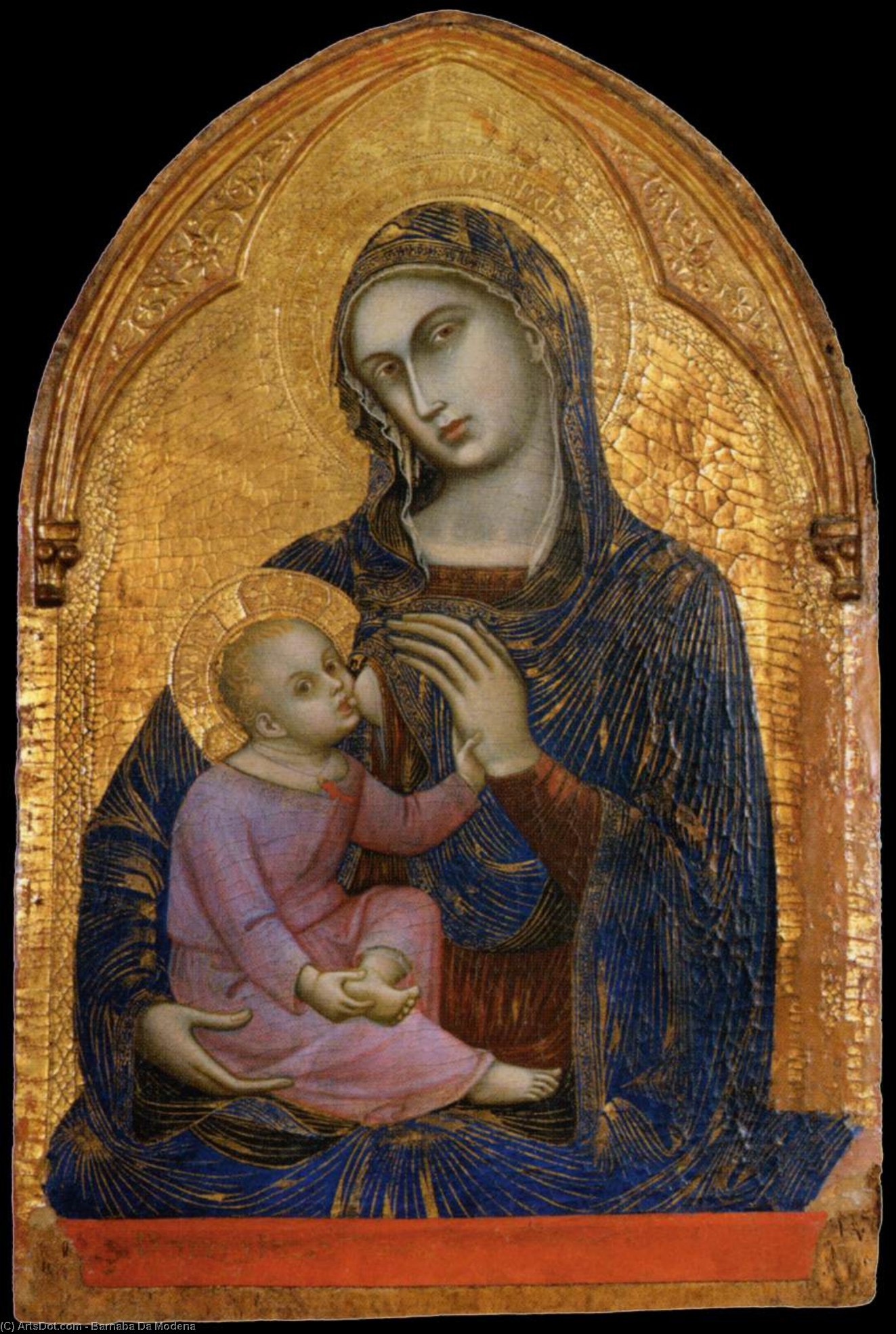
Virgin and Child
 Oil On Canvas
- WallArt
- Byzantine Echo
 1370
1370- Late Medieval
 109.0 x 72.0 cm
 Musée du Louvre
 Leggi tutto
Riproduzione a olio fatta a mano
Olio su tela dipinto a mano nelle tue dimensioni e con la tua cornice, realizzato su ordinazione dai nostri artisti. ( Passa alla stampa Passa all'immagine)




P118B $10

P118H $10

P118W $10

P438Z $10

P508JH $12

P508YH $12

P805H $10

P805Z $10

P919BZ $10

P919G $10

P919XJ $10

P959ZH $10

P968JZ $12

W106C $8

W218G $10

W218JH $8

W218Y $10

W307PJ $10

W316G $10

W316PJ $8

W316Y $10

W398PJ $8

W4111J $10

W500HY $15

W500JH $15

W692G $12

W849H $8

W940BG $15

W953PJ $8




Scegli tra le nostre dimensioni predefinite, che rispettano le proporzioni originali dell'opera d'arte.

È possibile inserire dimensioni personalizzate per adattare l'opera a una cornice o a uno spazio specifico. Se la dimensione selezionata non corrisponde alle proporzioni dell'immagine originale, provvederemo a ritagliare l'opera o a estendere il dipinto con elementi aggiuntivi dipinti a mano. Un mockup digitale ti sarà inviato per approvazione prima dell'inizio della produzione.
Si prega di notare che l'anteprima a schermo non riflette il ritaglio o l'estensione effettivi. Solo il mockup mostrerà accuratamente la composizione finale.
Sebbene siano disponibili dimensioni personalizzate, consigliamo di selezionare una dimensione dall'elenco predefinito per preservare le proporzioni originali.
Dopo l'ordine, il team di OriginalUniqueArt.com contatterà il cliente via e-mail per le istruzioni e fornirà un'anteprima del mockup
Consegna in tutto il mondo () in 3/4 settimane anziché nelle normali 5 settimane. (8 Agosto). Nessun compromesso sulla qualità.

Spedizione espressa gratuita in tutto il mondo

Tela in lino di alta qualità

Assicurazione completa sulla spedizione

Garanzia di rimborso dei dazi doganali

Garanzia di fedeltà cromatica dell'originale

Politica di reso entro 60 giorni (solo per difetti di fabbricazione)

Garanzia di rimborso al 100%

Sconto per acquisti multipli
 L'opzione vetro è disponibile solo per dimensioni inferiori a 110 cm

Virgin and Child
Tecnica di riproduzione
Dimensioni della riproduzione
-


Prezzo totale
$ 300
Descrizione dell'opera
A Tender Echo of Byzantine Grace
To gaze upon this depiction of the Virgin and Child is to step directly into the devotional heart of fourteenth-century Italy. The scene unfolds with an almost palpable intimacy; the Virgin Mary, adorned in rich blue robes and crowned with regal grace, cradles her infant son close to her breast. It is a moment suspended in time—a tender communion that speaks volumes of maternal love intertwined with divine mystery. Barnaba da Modena masterfully captures this bond, presenting not merely a portrait, but an emotional narrative rendered with exquisite care.
The Hand of Barnaba da Modena: A Byzantine Legacy
Barnaba da Modena stands as a fascinating conduit between artistic epochs. Active during the vibrant period of the late Middle Ages, his style is remarkable for its steadfast adherence to the grandeur and spiritual formality of the Byzantine tradition, even as the Italian Renaissance began to stir with new naturalistic impulses. This commitment to an older, more formalized aesthetic gives the piece an air of timeless solemnity. His work suggests a painter deeply rooted in established sacred iconography, yet executing it with enough finesse to draw the modern eye into its devotional depth.
Symbolism and Spiritual Resonance
The symbolism inherent in this painting is rich and multilayered. The blue mantle traditionally alludes to heavenly grace and royalty, while the act of nursing itself elevates the scene beyond mere domesticity; it becomes an allegory for divine sustenance and humanity's first connection to the sacred. The inclusion of a magnificent gold frame, as seen here, does more than simply decorate—it frames the holiness within, suggesting that the figures themselves are imbued with eternal value. It invites contemplation on themes of motherhood, divinity, and enduring spiritual bonds.
Craftsmanship for the Modern Sanctuary
Measuring 109 x 72 cm, this piece possesses a substantial presence, making it a breathtaking focal point for any grand hall, chapel, or richly decorated drawing-room. For those seeking to bring the profound artistry of the Italian Quattrocento into their contemporary space, acquiring a high-quality reproduction allows one to possess a tangible link to such historical mastery. The technique employed by Barnaba da Modena—characterized by its rich patterning and spiritual weight—translates beautifully into reproductions that maintain the illusion of age and sacred patina, offering both aesthetic beauty and deep cultural resonance.
Biografia dell'artista
Barnaba da Modena (c. 1328 – c. 1386): A Byzantine Echo in Lombard Painting
Barnaba da Modena stands as a singular figure in the artistic landscape of fourteenth-century Italy—a pioneer who bravely championed a stylistic tradition largely abandoned by his contemporaries, firmly rooted in the grandeur and spirituality of Byzantium. Born around 1328 in Modena (Emilia), he emerged from obscurity to become arguably the first Lombard painter of considerable renown, leaving behind an impressive oeuvre that testifies to his unwavering devotion to this venerable artistic heritage. His activity spanned Lombardy, Piedmont, and Pisa in Tuscany, establishing him as a pivotal artist within the burgeoning cultural dynamism of the era.- Early Life & Training: Precise biographical details surrounding Barnaba’s formative years remain elusive. Records indicate he was active in Genoa from approximately 1364, where he secured patronage and honed his craft amidst a vibrant artistic milieu. This Genoese engagement undoubtedly exposed him to the prevailing stylistic currents of the time—a stark contrast to the increasingly naturalistic tendencies gaining traction elsewhere in Italy. Despite limited documentation, scholars believe Barnaba’s training likely occurred within the Byzantine workshops of Constantinople, absorbing the techniques and aesthetic ideals that would define his distinctive artistic vision.
- Byzantine Influence: Barnaba’s stylistic hallmark is undeniably his unwavering adherence to Byzantine painting conventions—a conscious decision that distinguished him from many of his peers. He meticulously replicated techniques perfected centuries earlier, prioritizing luminous color palettes and compositional schemes that emphasized symbolic grandeur rather than realistic representation. This commitment to tradition speaks volumes about his artistic sensibilities and reflects a profound understanding of the visual language of religious art. The use of gold leaf—a cornerstone of Byzantine iconography—dominates his backgrounds, creating radiant surfaces reminiscent of imperial cathedrals and conveying an aura of divine majesty.
- Notable Works & Patronage: Barnaba’s prolific output encompassed around fifty paintings—a remarkable achievement considering the period—primarily focused on depictions of the Virgin Mary and Christ, often framed within elaborate architectural settings reminiscent of Byzantine churches. His commissions included prominent roles in Genoa’s Palazzo Ducale and contributed significantly to the artistic embellishment of ecclesiastical spaces throughout Lombardy. Among his most celebrated masterpieces are monumental frescoes adorning churches in Genoa and Pavia—works that exemplify the pinnacle of Byzantine influence and demonstrate Barnaba's mastery of color, composition, and decorative artistry.
- Technique & Innovation: Despite upholding Byzantine standards, Barnaba demonstrated considerable technical skill—a testament to his meticulous attention to detail and masterful manipulation of pigment. He skillfully employed glazing techniques—applying thin layers of translucent paint over underlying colors—to achieve remarkable luminosity and depth within his images. Furthermore, he incorporated subtle gradations of color that imbue the biblical scenes with an ethereal quality—a characteristic feature of Byzantine art that distinguishes Barnaba’s work from more conventional Lombard painting styles.
- Legacy & Influence: Barnaba’s artistic vision profoundly impacted subsequent generations of Lombard painters. Notably, Nicolò da Voltri continued his stylistic trajectory in Liguria until circa 1420, perpetuating Barnaba's Byzantine aesthetic and solidifying his position as a foundational figure in the development of Lombard painting. His enduring legacy resides not merely in his individual masterpieces but also in his contribution to shaping the artistic landscape of his time—a beacon of spiritual contemplation amidst the burgeoning complexities of the Renaissance. He remains an exemplar of artistic integrity, prioritizing symbolic representation over mere visual spectacle and upholding the traditions of Byzantine art as a testament to its enduring power to inspire awe and reverence.
Major Achievements & Artistic Style
Barnaba’s most celebrated achievements lie in his masterful execution of monumental frescoes adorning churches throughout Lombardy and Genoa. These works exemplify the pinnacle of Byzantine influence, characterized by:- Gold Leaf Backgrounds: Extensive use of gold leaf created radiant surfaces that evoked the splendor of imperial cathedrals—a deliberate stylistic choice reflecting Barnaba’s reverence for Byzantine iconography.
- Symbolic Composition: Paintings prioritized conveying theological concepts through carefully orchestrated visual narratives, emphasizing spiritual significance over mere aesthetic beauty.
- Luminous Color Palette: Barnaba skillfully employed vibrant hues—particularly blues and reds—to illuminate biblical scenes and imbue them with emotional intensity.
Connections & Artistic Context
Barnaba’s artistic milieu was shaped by the prevailing stylistic trends of his time, yet he steadfastly resisted the emerging naturalism championed by artists like Giotto di Bondone. He remained firmly committed to Byzantine principles—a conscious decision that distinguished him from many of his contemporaries and cemented his reputation as a champion of tradition. His work stands apart as an exemplar of artistic integrity—a testament to his unwavering devotion to conveying spiritual truths through visual art.Further Exploration
For deeper insights into Barnaba da Modena’s life and oeuvre, consult the following resources:- tiraboschi, Giuseppe Maria.Storia della letteratura lombarda dal secolo IX al XVI. Milano: Boccaveri Editore, 1867.

Barnaba Da Modena
1328 - 1386 , Italia
Informazioni rapide
- Artistic Movement Or Style: Byzantine-influenced Lombard Painting
- Artists Or Movements Influenced By This Artist: ['Nicolò da Voltri']
- Date Of Birth: c. 1328
- Date Of Death: c. 1386
- Full Name: Barnaba da Modena
- Nationality: Italian
- Notable Artworks:
- Madonna and Child
- Crucifixion
- Place Of Birth: Modena, Italy
Articoli correlati
Leonardo da Vinci: I 25 Capolavori Immortali per Arredare con Arte
Esplora i 25 capolavori immortali di Leonardo da Vinci: dalla Mona Lisa all'Ultima Cena. Scopri la storia, le tecniche e il significato di ogni opera rinascimentale. Arreda con arte di qualità museale su OriginalUniqueArt.com.
Giclée Prints: Archival Quality & Aesthetic Nuances for the Discerning Collector
Explore the world of giclée prints with OriginalUniqueArt. Learn about archival quality, aesthetic nuances & investment potential. Expert guidance for discerning art collectors seeking museum-quality reproductions and lasting value.

The Enduring Legacy of Fine Art Prints: Technique, History & Aesthetic Impact
Explore the rich history & techniques of fine art prints. Discover investment potential, assess authenticity, and learn how to preserve your collection with expert guidance. Trusted insights for discerning collectors.

Echoes of Time: Exploring the Enduring Appeal & Historical Context of Vintage Art Prints
Explore the captivating world of vintage art prints! Discover their history, collecting tips & enduring appeal. Expert insights on chromolithography and building a legacy collection with OriginalUniqueArt.

Leonardo da Vinci: Sintesi di Arte, Scienza e Osservazione Umana nel Rinascimento – Una Rilettura per il Collezionista
Esplora la sintesi di arte e scienza in Leonardo da Vinci. Analisi approfondite delle sue opere iconiche, tecniche innovative come lo sfumato e consigli per collezionisti esperti. Scopri il valore e l'autenticità delle creazioni del Rinascimento.

