Condividi
 Condividi
 Dettagli
 Guida stampabile

 Scarica
 Articoli simili
 Slideshow
 Statistiche
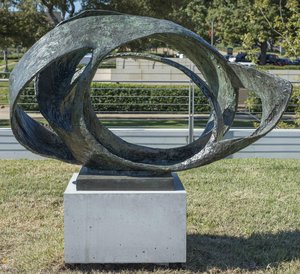
Wave


 Leggi tutto
Giclée / Stampe d'arte
Stampa giclée o su tela di qualità museale, con produzione rapida e diverse opzioni di finitura. ( Ordina la riproduzione dipinta a mano Passa all'immagine digitale)




































Scegli tra le nostre dimensioni predefinite, che rispettano le proporzioni originali dell'opera d'arte.

È possibile inserire dimensioni personalizzate per adattare l'opera a una cornice o a uno spazio specifico. Se la dimensione selezionata non corrisponde alle proporzioni dell'immagine originale, procederemo al ritaglio dell'opera o all'estensione dell'immagine con un bordo specchiato o a tinta unita. Un mockup digitale ti verrà inviato per approvazione prima dell'inizio della produzione.
Si prega di notare che l'anteprima a schermo non riflette il ritaglio o l'estensione effettivi. Solo il mockup mostrerà accuratamente la composizione finale.
Sebbene siano disponibili dimensioni personalizzate, si raccomanda di selezionare una dimensione dall'elenco predefinito per preservare le proporzioni originali.
Consegna in tutto il mondo () in 2 settimane invece delle normali 4/5 settimane. (26 Settembre)

Spedizione espressa gratuita in tutto il mondo

Tela in lino di alta qualità

Assicurazione completa sulla spedizione

Garanzia di rimborso dei dazi doganali

Garanzia di perfetta fedeltà cromatica

Politica di reso entro 100 giorni (solo per difetti di fabbricazione)

Garanzia di rimborso al 100%

Sconto per acquisti multipli
 L'opzione vetro è disponibile solo per dimensioni inferiori a 110 cm

Wave
Giclée / Stampe d'arte
Dimensioni della riproduzione
-


Prezzo totale
$ 80
The Enduring Echoes of the Sea: Barbara Hepworth’s “Wave”
Dame Barbara Hepworth's "Wave," created in 1943 during a pivotal period of artistic and personal transformation, is more than just a sculpture; it’s a profound meditation on movement, form, and the elemental power of nature. Born amidst the turmoil of World War II, Hepworth sought refuge and inspiration in the rugged Cornish coastline, a landscape that profoundly shaped her evolving aesthetic. “Wave” embodies this connection, capturing not merely the visual appearance of a breaking wave but its very essence – the dynamic tension between potential energy and released force, the suggestion of ceaseless motion frozen in stone.
The sculpture itself is remarkably understated in its execution. Crafted primarily from wood, meticulously polished to a luminous sheen, it’s a deceptively simple form: a gently curving line extending outwards from a central, circular core. This isn't an attempt at literal representation; rather, Hepworth employed a reductive approach, stripping away extraneous detail to reveal the underlying structure and rhythm of the subject. The wood, chosen for its warmth and inherent grain, provides a tactile counterpoint to the smooth, almost ethereal quality of the polished surface. The subtle variations in tone within the wood itself – hints of amber, ochre, and grey – subtly mimic the shifting hues of the sea under different lighting conditions.
Modernism’s Embrace: Form and Abstraction
“Wave” firmly establishes Hepworth as a key figure within the burgeoning movement of Modern sculpture. Rejecting traditional representational approaches, she embraced abstraction, prioritizing the exploration of form, texture, and spatial relationships. Influenced by Cubism and Surrealism, Hepworth sought to capture not just what something *looked* like but how it *felt*, translating internal experiences into tangible three-dimensional forms. This approach aligns with the broader modernist ethos of breaking away from established conventions and forging new paths in artistic expression.
The sculpture’s design reflects a conscious engagement with geometric principles, yet it avoids rigid formality. The curve is organic and flowing, suggesting the unpredictable nature of water – its capacity to both crash against the shore with violent force and gently lap at the sand. Hepworth's use of negative space—the areas surrounding and between the form—is equally crucial, creating a sense of lightness and airiness that further emphasizes the sculpture’s dynamic quality. It is this careful balance between positive and negative forms that gives “Wave” its remarkable visual power.
A Symbol of Resilience and Renewal
Beyond its purely formal qualities, "Wave" carries significant symbolic weight. Created during a time of global conflict and uncertainty, the sculpture can be interpreted as an emblem of resilience – a testament to the enduring strength and adaptability of nature. The wave itself represents constant change, ceaseless movement, and the cyclical rhythms of life and death. The polished surface reflects light, suggesting hope and renewal, while the underlying structure hints at the potential for transformation.
Hepworth’s personal experiences also informed the sculpture's meaning. Following her divorce from John Skeaping in 1933, she sought solace and creative rejuvenation in Cornwall, a landscape that offered both beauty and emotional depth. “Wave” can be seen as an expression of this journey – a celebration of freedom, independence, and the power to overcome adversity. The work’s inherent dynamism mirrors Hepworth's own evolving artistic practice, reflecting her willingness to experiment with new materials and techniques.
Collecting the Essence: Reproductions and Interior Design
Reproductions of “Wave” offer a compelling opportunity to bring this iconic sculpture into your home or office. The meticulous detail captured in high-quality reproductions allows you to appreciate Hepworth’s masterful use of form, texture, and space. Consider placing a reproduction within a light-filled room to maximize its reflective qualities, creating a focal point that draws the eye and evokes a sense of tranquility.
“Wave”’s understated elegance makes it exceptionally versatile for interior design. Its clean lines and subtle color palette complement a wide range of styles, from minimalist modern spaces to more traditional settings. The sculpture's inherent dynamism adds visual interest and energy to any room, serving as a constant reminder of the beauty and power of the natural world.
Biografia dell'artista
Primi anni e formazione
Dame Barbara Hepworth, rinomata artista e scultrice inglese, nacque il 10 gennaio 1903 a Wakefield, nello Yorkshire. Suo padre, Herbert Hepworth, era un ingegnere civile per il West Riding County Council, che nel 1921 divenne County Surveyor. Da bambina, accompagnava il padre nei viaggi in auto che faceva in tutta la contea del West Riding. Frequentò la Wakefield Girls' High School e ottenne una borsa di studio aperta nel 1917. Le estati le furono trascorse a Robin Hood's Bay, vicino a Whitby, North Yorkshire.Carriera artistica
- Dal 1920 al 1921 frequentò la Leeds School of Art; Henry Moore era un compagno di studi.
- Dal 1921 al 1924 studiò scultura alla Royal College of Art di Londra.
Opere significative ed esposizioni
- Oval Form (Trezion), una scultura in bronzo, fa parte della collezione del Kimbell Art Museum a Fort Worth, negli Stati Uniti. (visualizza su OriginalUniqueArt)
- Two Forms, una scultura, è esposta al The Hepworth Wakefield a Wakefield, nel Regno Unito. (visualizza su OriginalUniqueArt)
- Totem, una scultura in marmo, fa anche parte della collezione al The Hepworth Wakefield. (visualizza su OriginalUniqueArt)
Evoluzione artistica e influenze
Hepworth scoprì la sua passione per la scultura da bambina. Nel corso della sua carriera, sperimentò con diverse tecniche e materiali, evolvendo dal naturalismo semplificato all'astrazione pura. Fu influenzata dai movimenti artistici europei come il surrealismo e il costruttivismo, e collaborò con artisti come Ben Nicholson, Paul Nash e Henry Moore. La sua sensibilità per i materiali era notevole e praticava spesso la scultura a diretto taglio. A volte incorporava stringhe, fili e vernice colorata nelle sue sculture. Era affascinata dal gioco tra massa e spazio, e il suo approccio creava una tensione tra uno spazio aperto e interno e la massa materiale circostante.Eredità e collezioni museali
Il lavoro di Barbara Hepworth è ampiamente riconosciuto, con le sue sculture e dipinti che fanno parte di varie collezioni museali in tutto il mondo. Il The Hepworth Wakefield, intitolato all'artista, ospita numerosi capolavori di artisti rinomati, tra cui le opere stesse di Hepworth. (scopri di più su The Hepworth Wakefield su OriginalUniqueArt)Significato storico
Il lavoro pionieristico di Dame Barbara Hepworth nella scultura britannica moderna ha lasciato un segno indelebile nel mondo dell'arte. La sua eredità continua a ispirare artisti e appassionati d'arte, con le sue opere che rimangono una testimonianza del suo spirito innovativo e del genio artistico. Ulteriori informazioni su Barbara Hepworth su Wikipedia
Barbara Hepworth
1903 - 1975 , Regno Unito
Informazioni rapide
- Artisti Influenti:
- Henry Moore
- Brancusi
- Arp
- Data Di Nascita: 10 gennaio 1903
- Luogo Di Nascita: Wakefield, Regno Unito
- Movimento Artistico: Modernismo, Scultura astratta
- Nazionalità: Britannica
- Nome Completo: Barbara Hepworth
- Opere Notevoli:
- Oval Form (Trezion)
- Two Forms
- Totem
Articoli correlati

I 10 Capolavori in Bronzo che Hanno Rivoluzionato la Storia dell'Arte | OriginalUniqueArt
Esplora i 10 capolavori in bronzo che hanno segnato la storia dell'arte! Da Michelangelo a Rodin, scopri le storie e le tecniche dietro queste statue iconiche. Trova riproduzioni artistiche di alta qualità per decorare casa tua con OriginalUniqueArt.com.

Astrazione Geometrica: 10 Capolavori che Hanno Definito un Movimento Artistico
Esplora i 10 capolavori dell'Astrazione Geometrica: Mondrian, Malevich e Kandinsky rivoluzionano l'arte moderna. Scopri la storia, i colori e le tecniche di questi movimenti iconici. Stampe d'arte di alta qualità su OriginalUniqueArt.com!

The Enduring Legacy of Bronze: A Historical & Artistic Exploration for the Collector
Explore the rich history & enduring appeal of bronze sculpture with expert insights for collectors at OriginalUniqueArt. Learn about casting techniques, iconic artists, collecting tips & contemporary interpretations.

I 10 Capolavori Bronzei che Hanno Rivoluzionato la Storia dell'Arte | OriginalUniqueArt
Esplora i 10 capolavori bronzei che hanno segnato la storia dell'arte! Da Rodin a Michelangelo, scopri le storie e le tecniche dietro queste sculture iconiche. Trova riproduzioni d'arte di alta qualità per decorare la tua casa con OriginalUniqueArt.com.
Barbara Hepworth: Un Dialogo Scultoreo con Forma, Spazio e la Condizione Umana
Esplora l'universo scultoreo di Barbara Hepworth: un viaggio attraverso forma, spazio e la condizione umana. Analisi approfondite, contesto storico e l'eredità di una maestra dell'arte moderna.