Condividi
 Condividi
 Dettagli

 Scarica
 Articoli simili
 Slideshow
 Statistiche
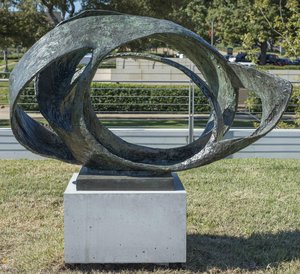
Torso II (Torcello)
 Bronze
- Sculpture
- Surrealism
 1958
1958- Modern
 90.0 x 15.0 cm
 Galleria d'Arte di Auckland - Toi o Tāmaki
 Leggi tutto
Giclée / Stampe d'arte
Stampa giclée o su tela di qualità museale, con produzione rapida e diverse opzioni di finitura. ( Ordina la riproduzione dipinta a mano Passa all'immagine digitale)




































Scegli tra le nostre dimensioni predefinite, che rispettano le proporzioni originali dell'opera d'arte.

È possibile inserire dimensioni personalizzate per adattare l'opera a una cornice o a uno spazio specifico. Se la dimensione selezionata non corrisponde alle proporzioni dell'immagine originale, procederemo al ritaglio dell'opera o all'estensione dell'immagine con un bordo specchiato o a tinta unita. Un mockup digitale ti verrà inviato per approvazione prima dell'inizio della produzione.
Si prega di notare che l'anteprima a schermo non riflette il ritaglio o l'estensione effettivi. Solo il mockup mostrerà accuratamente la composizione finale.
Sebbene siano disponibili dimensioni personalizzate, si raccomanda di selezionare una dimensione dall'elenco predefinito per preservare le proporzioni originali.
Consegna in tutto il mondo () in 2 settimane invece delle normali 4/5 settimane. (18 Settembre)

Spedizione espressa gratuita in tutto il mondo

Tela in lino di alta qualità

Assicurazione completa sulla spedizione

Garanzia di rimborso dei dazi doganali

Garanzia di perfetta fedeltà cromatica

Politica di reso entro 100 giorni (solo per difetti di fabbricazione)

Garanzia di rimborso al 100%

Sconto per acquisti multipli
 L'opzione vetro è disponibile solo per dimensioni inferiori a 110 cm

Torso II (Torcello)
Giclée / Stampe d'arte
Dimensioni della riproduzione
-


Prezzo totale
$ 80
A Meditation on Form and Silence
In the quietude of the Hepworth Wakefield gallery, there exists a profound dialogue between matter and void, captured eternally in Dame Barbara Hepworth’s Torso II (Torcello). Created in 1958, this bronze masterpiece is far more than a mere sculptural object; it is an invitation to stillness. At its heart, the work explores the delicate tension between the physical presence of the medium and the ethereal emptiness of the space it encloses. To encounter this piece is to experience a moment of deep contemplation, where the boundaries between the human form and the natural world begin to blur into a singular, harmonious expression of modernism.
The sculpture’s genesis is deeply rooted in Hepworth's travels through the Mediterranean, specifically her evocative visit to the Venice Lagoon. The piece draws its spiritual breath from the monumental Virgin and Child mosaic found in the S. Maria Assunta Cathedral on the island of Torcello. By translating the grandeur of Byzantine iconography into the language of abstract modernism, Hepworth bridges the gap between ancient sacredness and contemporary minimalism. This connection imbue the work with a sense of timelessness, suggesting that even within the most stripped-back forms, there lies an ancestral memory of divinity and maternal grace.
The Alchemy of Material and Technique
The brilliance of Torso II (Torcello) lies in its masterful manipulation of texture and light. Hepworth was a pioneer of "negative casting," a technique that allowed her to liberate form from the heavy constraints of traditional sculpture. In this particular work, the interplay between the organic and the industrial is striking. The sculpture features an elongated, rhythmic form where the warmth of the material meets the precision of the void. While the piece is celebrated as a bronze masterpiece, its visual language evokes the rugged, tactile qualities of the earth itself.
The artist’s meticulous attention to detail ensures that every surface tells a story. The way light dances across the polished surfaces creates a dynamic interplay of reflection and shadow, making the sculpture appear to shift as the viewer moves around it. For the discerning collector or interior designer, this kinetic quality offers an unparalleled sense of life within a space. Whether placed in a sun-drenched studio or a sophisticated, minimalist living area, the work acts as a focal point that commands attention through its subtle elegance rather than through sheer volume.
An Eternal Presence for the Modern Interior
For those seeking to curate an environment of intellectual depth and aesthetic serenity, Torso II (Torcello) serves as an incomparable inspiration. It embodies the essence of 20th-century British abstraction, bringing with it a legacy of strength, balance, and organic beauty. The sculpture does not merely occupy space; it defines it, creating a sanctuary of calm amidst the chaos of modern life.
Owning a high-quality reproduction of such a seminal work allows for the infusion of this sculptural poetry into one's personal collection. It offers an opportunity to surround oneself with the spirit of Dame Barbara Hepworth—a spirit that celebrates the profound beauty found in simplicity and the enduring power of the human touch on raw, elemental forms.
Biografia dell'artista
Primi anni e formazione
Dame Barbara Hepworth, rinomata artista e scultrice inglese, nacque il 10 gennaio 1903 a Wakefield, nello Yorkshire. Suo padre, Herbert Hepworth, era un ingegnere civile per il West Riding County Council, che nel 1921 divenne County Surveyor. Da bambina, accompagnava il padre nei viaggi in auto che faceva in tutta la contea del West Riding. Frequentò la Wakefield Girls' High School e ottenne una borsa di studio aperta nel 1917. Le estati le furono trascorse a Robin Hood's Bay, vicino a Whitby, North Yorkshire.Carriera artistica
- Dal 1920 al 1921 frequentò la Leeds School of Art; Henry Moore era un compagno di studi.
- Dal 1921 al 1924 studiò scultura alla Royal College of Art di Londra.
Opere significative ed esposizioni
- Oval Form (Trezion), una scultura in bronzo, fa parte della collezione del Kimbell Art Museum a Fort Worth, negli Stati Uniti. (visualizza su OriginalUniqueArt)
- Two Forms, una scultura, è esposta al The Hepworth Wakefield a Wakefield, nel Regno Unito. (visualizza su OriginalUniqueArt)
- Totem, una scultura in marmo, fa anche parte della collezione al The Hepworth Wakefield. (visualizza su OriginalUniqueArt)
Evoluzione artistica e influenze
Hepworth scoprì la sua passione per la scultura da bambina. Nel corso della sua carriera, sperimentò con diverse tecniche e materiali, evolvendo dal naturalismo semplificato all'astrazione pura. Fu influenzata dai movimenti artistici europei come il surrealismo e il costruttivismo, e collaborò con artisti come Ben Nicholson, Paul Nash e Henry Moore. La sua sensibilità per i materiali era notevole e praticava spesso la scultura a diretto taglio. A volte incorporava stringhe, fili e vernice colorata nelle sue sculture. Era affascinata dal gioco tra massa e spazio, e il suo approccio creava una tensione tra uno spazio aperto e interno e la massa materiale circostante.Eredità e collezioni museali
Il lavoro di Barbara Hepworth è ampiamente riconosciuto, con le sue sculture e dipinti che fanno parte di varie collezioni museali in tutto il mondo. Il The Hepworth Wakefield, intitolato all'artista, ospita numerosi capolavori di artisti rinomati, tra cui le opere stesse di Hepworth. (scopri di più su The Hepworth Wakefield su OriginalUniqueArt)Significato storico
Il lavoro pionieristico di Dame Barbara Hepworth nella scultura britannica moderna ha lasciato un segno indelebile nel mondo dell'arte. La sua eredità continua a ispirare artisti e appassionati d'arte, con le sue opere che rimangono una testimonianza del suo spirito innovativo e del genio artistico. Ulteriori informazioni su Barbara Hepworth su Wikipedia
Barbara Hepworth
1903 - 1975 , Regno Unito
Informazioni rapide
- Artisti Influenti:
- Henry Moore
- Brancusi
- Arp
- Data Di Nascita: 10 gennaio 1903
- Luogo Di Nascita: Wakefield, Regno Unito
- Movimento Artistico: Modernismo, Scultura astratta
- Nazionalità: Britannica
- Nome Completo: Barbara Hepworth
- Opere Notevoli:
- Oval Form (Trezion)
- Two Forms
- Totem
Articoli correlati

I 10 Capolavori in Bronzo che Hanno Rivoluzionato la Storia dell'Arte | OriginalUniqueArt
Esplora i 10 capolavori in bronzo che hanno segnato la storia dell'arte! Da Michelangelo a Rodin, scopri le storie e le tecniche dietro queste statue iconiche. Trova riproduzioni artistiche di alta qualità per decorare casa tua con OriginalUniqueArt.com.

The Enduring Legacy of Bronze: A Historical & Artistic Exploration for the Collector
Explore the rich history & enduring appeal of bronze sculpture with expert insights for collectors at OriginalUniqueArt. Learn about casting techniques, iconic artists, collecting tips & contemporary interpretations.
Barbara Hepworth: Un Dialogo Scultoreo con Forma, Spazio e la Condizione Umana
Esplora l'universo scultoreo di Barbara Hepworth: un viaggio attraverso forma, spazio e la condizione umana. Analisi approfondite, contesto storico e l'eredità di una maestra dell'arte moderna.

I 10 Capolavori Bronzei che Hanno Rivoluzionato la Storia dell'Arte | OriginalUniqueArt
Esplora i 10 capolavori bronzei che hanno segnato la storia dell'arte! Da Rodin a Michelangelo, scopri le storie e le tecniche dietro queste sculture iconiche. Trova riproduzioni d'arte di alta qualità per decorare la tua casa con OriginalUniqueArt.com.
The Enduring Legacy of Bronze: History, Technique & Artistic Expression for the Collector
Explore the rich history & enduring appeal of bronze sculpture with expert insights for collectors at OriginalUniqueArt. Learn about casting techniques, iconic artists, and collecting tips.