Anteprima in scala reale
 Invia
Invia Condividi
 Dettagli opera
 Guida
Guida

 Scarica
 Simili
 Radiografia
 Slideshow
 Q&A
Q&A Statistiche
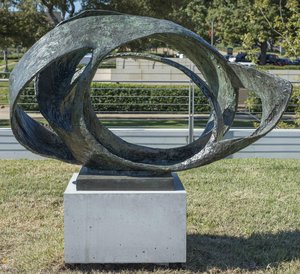
Genesis III

- 111.0 x 76.0 cm


 Espandi i dettagli
L'opera d'arte visualizzata in questa pagina è protetta dalle leggi sul diritto d'autore, il che significa che non possiamo legalmente creare o vendere una riproduzione identica. Tale protezione è garantita da accordi internazionali quali la Convenzione di Berna e dalle leggi nazionali, incluse quelle stabilite da Legge sul copyright degli Stati Uniti - Titolo 17. Tutti i diritti riservati. Le immagini presenti su questo sito sono protette da copyright e non possono essere riprodotte o utilizzate senza l'autorizzazione scritta di WahooArt.com o dei rispettivi proprietari del copyright.
Questo metodo è pienamente conforme alle normative sul diritto d'autore poiché non prevede la copia o la duplicazione dell'opera protetta. Si tratta invece di una rielaborazione creativa: un nuovo dipinto che trae ispirazione dall'originale, senza tuttavia esserne identico.
Giclée / Stampe d'arte
Stampa giclée o su tela di qualità museale, con produzione rapida e diverse opzioni di finitura. ( Acquista il dipinto realizzato a mano Passa all'immagine digitale)




P118B €10

P118H €10

P118W €10

P438Z €10

P508JH €12

P508YH €12

P805H €10

P805Z €10

P919BZ €10

P919G €10

P919XJ €10

P959ZH €10

P968JZ €12

W106C €8

W218G €10

W218JH €8

W218Y €10

W307PJ €10

W316G €10

W316PJ €8

W316Y €10

W398PJ €8

W4111J €10

W500HY €15

W500JH €15

W692G €12

W849H €8

W940BG €15

W953PJ €8




Scegli tra le nostre dimensioni predefinite, che rispettano le proporzioni originali dell'opera d'arte.

Inserisci la larghezza e l'altezza desiderate, per adattarle alla tua cornice o alla tua parete. Una stampa può essere solo ritagliata, mai resa più grande dell'immagine originale; pertanto, un formato con una forma differente comporterà la perdita di una parte dell'opera. Ti invieremo un mockup digitale da approvare prima di procedere con la stampa. L'immagine mostrata in questa pagina non rappresenta il ritaglio reale — solo il mockup lo mostra.
Consegna in tutto il mondo () in 2 settimane invece delle normali 4/5 settimane. (3 Novembre)

Spedizione espressa gratuita in tutto il mondo

Tela in lino di alta qualità

Assicurazione completa sulla spedizione

Garanzia di rimborso dei dazi doganali

Garanzia di fedeltà cromatica assoluta

Politica di reso entro 100 giorni (solo per difetti di fabbricazione)

Garanzia di rimborso al 100%

Offerta per acquisti multipli
 L'opzione vetro è disponibile solo per dimensioni inferiori a 110 cm

Genesis III
Giclée / Stampe d'arte
Dimensioni riproduzione
-


Prezzo finale calcolato
€ 71
A Quiet Universe of Circles
Barbara Hepworth’s Genesis III, a seminal work from 1966, isn't merely a depiction of two circles; it’s an invitation to contemplate the fundamental geometries of existence. Created during a period of profound personal and artistic evolution for the sculptor, this piece embodies her signature exploration of form, texture, and the interplay between abstraction and suggestion. The stark white background acts as a luminous void, amplifying the presence of the circular forms and drawing the viewer into their contained space. It’s a deliberate choice – Hepworth often favored simplicity to allow the inherent qualities of materials and shapes to speak for themselves.
- Material & Technique: Crafted primarily in oil paint on canvas, Genesis III showcases Hepworth's masterful control over layering and texture. The circles aren’t rendered with sharp edges but rather possess a subtly eroded quality, as if sculpted from memory or suggestion. The application of paint is deliberately loose, creating a sense of movement and dynamism that contrasts sharply with the stillness implied by the forms themselves.
- Compositional Balance: The asymmetrical arrangement of the circles – one positioned slightly higher left, the other lower right – generates an immediate visual tension. This imbalance isn’t jarring but rather creates a subtle push and pull, preventing the composition from feeling static or predictable. It mirrors Hepworth's broader interest in exploring balance and equilibrium within her sculptures.
- Color Palette: The restrained color palette—a dominant white punctuated by terracotta and grey—further emphasizes the forms’ presence. These earthy tones evoke a sense of grounding, anchoring the abstract shapes within a more tangible realm. The strategic use of black spots adds an element of spontaneity and visual interest, hinting at the underlying process of creation.
Echoes of Modernism & Sculpture
To fully appreciate Genesis III, it’s crucial to understand Hepworth's place within the broader context of mid-20th century art. She was a key figure in the movement towards abstraction, influenced by European avant-garde artists like Piet Mondrian and Constantin Brâncuși. However, unlike purely geometric abstractions, Hepworth retained a deep connection to her sculptural roots. The circular forms resonate with the organic shapes found in her three-dimensional works – particularly her celebrated “oval forms.” This piece can be seen as a translation of sculptural principles into a two-dimensional format, demonstrating how she explored similar themes of form, space, and material through different mediums.
Historical Context:Created in 1966, the artwork reflects a period of significant artistic experimentation. Hepworth was increasingly focused on exploring the relationship between surface and volume, often referencing her own sculptural practice. The work also aligns with the broader trends of Minimalism and Abstract Expressionism that were gaining prominence during this time.
Symbolic Resonance & Emotional Depth
The circles themselves are open to interpretation, inviting viewers to project their own meanings onto the artwork. They can be seen as representations of wholeness, cycles, or interconnectedness – fundamental concepts explored throughout Hepworth’s career. The scattered black spots, like fleeting moments in time, suggest spontaneity and energy, hinting at the dynamic process of creation. The overall mood is one of quiet contemplation—a serene invitation to lose oneself within the simplicity of form and color.
A Legacy of Form & Texture
Genesis III stands as a testament to Barbara Hepworth’s enduring legacy as one of the most innovative sculptors of the 20th century. It's a deceptively simple work, yet brimming with subtle complexities and emotional depth. Reproductions capture the delicate texture and layered application of paint that are so vital to the original’s impact. It remains a powerful example of how abstraction can be used to explore profound philosophical questions about existence, form, and the human experience.
Domande e risposte
Per quale uso è consigliata una riproduzione di "Genesis III" di Barbara Hepworth?
L'uso consigliato per una stampa di "Genesis III" è Statement.
In quale stanza si consiglia di esporre "Genesis III" di Barbara Hepworth?
Lo spazio consigliato per "Genesis III" di Barbara Hepworth è un Living Room. Il suggerimento può naturalmente essere adattato ai vostri interni.
È disponibile il download di "Genesis III"?
L'immagine di "Genesis III" di Barbara Hepworth può essere scaricata dalla pagina dedicata all'opera Scarica l'opera: download di un'immagine digitale ad alta risoluzione.
Biografia dell'artista
Primi anni e formazione
Dame Barbara Hepworth, rinomata artista e scultrice inglese, nacque il 10 gennaio 1903 a Wakefield, nello Yorkshire. Suo padre, Herbert Hepworth, era un ingegnere civile per il West Riding County Council, che nel 1921 divenne County Surveyor. Da bambina, accompagnava il padre nei viaggi in auto che faceva in tutta la contea del West Riding. Frequentò la Wakefield Girls' High School e ottenne una borsa di studio aperta nel 1917. Le estati le furono trascorse a Robin Hood's Bay, vicino a Whitby, North Yorkshire.Carriera artistica
- Dal 1920 al 1921 frequentò la Leeds School of Art; Henry Moore era un compagno di studi.
- Dal 1921 al 1924 studiò scultura alla Royal College of Art di Londra.
Opere significative ed esposizioni
- Oval Form (Trezion), una scultura in bronzo, fa parte della collezione del Kimbell Art Museum a Fort Worth, negli Stati Uniti. (visualizza su OriginalUniqueArt)
- Two Forms, una scultura, è esposta al The Hepworth Wakefield a Wakefield, nel Regno Unito. (visualizza su OriginalUniqueArt)
- Totem, una scultura in marmo, fa anche parte della collezione al The Hepworth Wakefield. (visualizza su OriginalUniqueArt)
Evoluzione artistica e influenze
Hepworth scoprì la sua passione per la scultura da bambina. Nel corso della sua carriera, sperimentò con diverse tecniche e materiali, evolvendo dal naturalismo semplificato all'astrazione pura. Fu influenzata dai movimenti artistici europei come il surrealismo e il costruttivismo, e collaborò con artisti come Ben Nicholson, Paul Nash e Henry Moore. La sua sensibilità per i materiali era notevole e praticava spesso la scultura a diretto taglio. A volte incorporava stringhe, fili e vernice colorata nelle sue sculture. Era affascinata dal gioco tra massa e spazio, e il suo approccio creava una tensione tra uno spazio aperto e interno e la massa materiale circostante.Eredità e collezioni museali
Il lavoro di Barbara Hepworth è ampiamente riconosciuto, con le sue sculture e dipinti che fanno parte di varie collezioni museali in tutto il mondo. Il The Hepworth Wakefield, intitolato all'artista, ospita numerosi capolavori di artisti rinomati, tra cui le opere stesse di Hepworth. (scopri di più su The Hepworth Wakefield su OriginalUniqueArt)Significato storico
Il lavoro pionieristico di Dame Barbara Hepworth nella scultura britannica moderna ha lasciato un segno indelebile nel mondo dell'arte. La sua eredità continua a ispirare artisti e appassionati d'arte, con le sue opere che rimangono una testimonianza del suo spirito innovativo e del genio artistico. Ulteriori informazioni su Barbara Hepworth su Wikipedia
Barbara Hepworth
1903 - 1975 , Regno Unito
Dettagli rapidi
- Artisti Influenti:
- Henry Moore
- Brancusi
- Arp
- Data Di Nascita: 10 gennaio 1903
- Luogo Di Nascita: Wakefield, Regno Unito
- Movimento Artistico: Modernismo, Scultura astratta
- Nazionalità: Britannica
- Nome Completo: Barbara Hepworth
- Opere Notevoli:
- Oval Form (Trezion)
- Two Forms
- Totem
Articoli correlati

I 10 Capolavori Bronzei che Hanno Rivoluzionato la Storia dell'Arte | OriginalUniqueArt
Esplora i 10 capolavori bronzei che hanno segnato la storia dell'arte! Da Rodin a Michelangelo, scopri le storie e le tecniche dietro queste sculture iconiche. Trova riproduzioni d'arte di alta qualità per decorare la tua casa con OriginalUniqueArt.com.

I 25 Capolavori di Kandinsky: Viaggio nell'Arte Astratta
Scopri i 25 capolavori di Kandinsky e l'essenza dell'astrazione. Esplora la collezione su OriginalUniqueArt.com.

The Enduring Form: Exploring Themes & Techniques in Sculpture Across Historical Periods
Explore the rich history of sculpture from ancient masterpieces to contemporary innovations. Discover key techniques, influential artists & investment potential for discerning art collectors.

L'Architettura del Volume: Evoluzione Tecnica e Valore Storico della Scultura
Scopri l'evoluzione tecnica della scultura tra marmo e bronzo. Esplora la storia delle forme con i nostri esperti.
Barbara Hepworth: Un Dialogo Scultoreo con Forma, Spazio e la Condizione Umana
Esplora l'universo scultoreo di Barbara Hepworth: un viaggio attraverso forma, spazio e la condizione umana. Analisi approfondite, contesto storico e l'eredità di una maestra dell'arte moderna.