Anteprima in scala reale
 Invia
Invia Condividi
 Dettagli opera
 Guida
Guida

 Scarica
 Simili
 Radiografia
 Slideshow
 Q&A
Q&A Statistiche
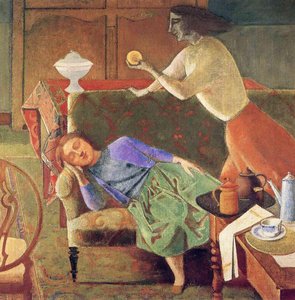
The white skirt

- 130.0 x 162.0 cm


 Espandi i dettagli
L'opera d'arte visualizzata in questa pagina è protetta dalle leggi sul diritto d'autore, il che significa che non possiamo legalmente creare o vendere una riproduzione identica. Tale protezione è garantita da accordi internazionali quali la Convenzione di Berna e dalle leggi nazionali, incluse quelle stabilite da Legge sul copyright degli Stati Uniti - Titolo 17. Tutti i diritti riservati. Le immagini presenti su questo sito sono protette da copyright e non possono essere riprodotte o utilizzate senza l'autorizzazione scritta di WahooArt.com o dei rispettivi proprietari del copyright.
Questo metodo è pienamente conforme alle normative sul diritto d'autore poiché non prevede la copia o la duplicazione dell'opera protetta. Si tratta invece di una rielaborazione creativa: un nuovo dipinto che trae ispirazione dall'originale, senza tuttavia esserne identico.
Giclée / Stampe d'arte
Stampa giclée o su tela di qualità museale, con produzione rapida e diverse opzioni di finitura. ( Acquista il dipinto realizzato a mano Passa all'immagine digitale)




P118B €10

P118H €10

P118W €10

P438Z €10

P508JH €12

P508YH €12

P805H €10

P805Z €10

P919BZ €10

P919G €10

P919XJ €10

P959ZH €10

P968JZ €12

W106C €8

W218G €10

W218JH €8

W218Y €10

W307PJ €10

W316G €10

W316PJ €8

W316Y €10

W398PJ €8

W4111J €10

W500HY €15

W500JH €15

W692G €12

W849H €8

W940BG €15

W953PJ €8




Scegli tra le nostre dimensioni predefinite, che rispettano le proporzioni originali dell'opera d'arte.

Inserisci la larghezza e l'altezza desiderate, per adattarle alla tua cornice o alla tua parete. Una stampa può essere solo ritagliata, mai resa più grande dell'immagine originale; pertanto, un formato con una forma differente comporterà la perdita di una parte dell'opera. Ti invieremo un mockup digitale da approvare prima di procedere con la stampa. L'immagine mostrata in questa pagina non rappresenta il ritaglio reale — solo il mockup lo mostra.
Consegna in tutto il mondo () in 2 settimane invece delle normali 4/5 settimane. (1 Novembre)

Spedizione espressa gratuita in tutto il mondo

Tela in lino di alta qualità

Assicurazione completa sulla spedizione

Garanzia di rimborso dei dazi doganali

Garanzia di fedeltà cromatica assoluta

Politica di reso entro 100 giorni (solo per difetti di fabbricazione)

Garanzia di rimborso al 100%

Offerta per acquisti multipli
 L'opzione vetro è disponibile solo per dimensioni inferiori a 110 cm

The white skirt
Giclée / Stampe d'arte
Dimensioni riproduzione
-


Prezzo finale calcolato
€ 71
A Quiet Encounter with Balthus
In the hushed atmosphere of Balthus’s 1937 masterpiece, The White Skirt, we are invited into a moment of profound stillness. The painting presents a solitary young woman seated within the embrace of an armchair, her presence commanding yet deeply introspective. There is an undeniable gravity to the composition; the figure does not merely sit, she exists in a state of quiet contemplation that seems to suspend time itself. As one gazes upon this portrait, the viewer is drawn into a private world where the boundaries between the subject and the observer blur, creating an intimate connection that is both haunting and deeply dignified.
The artist’s mastery of light and shadow serves as the heartbeat of the work. Emerging from a soft illumination directed from above and slightly to the left, the light dances across the textures of the scene, carving out the delicate curves of the woman's form and the heavy folds of her attire. This interplay of light creates a sense of three-dimensional depth, pulling the subject forward from the muted, somber background. The palette, a sophisticated arrangement of whites, beiges, and earthy browns, avoids the distraction of vibrant color to focus instead on the subtle nuances of tone, evoking a mood that is at once melancholic and serene.
Technique and the Language of Texture
Balthus, a painter deeply reverent of the Old Masters, utilizes an oil on canvas technique that bridges the gap between classical realism and a modern, almost impressionistic, sensibility. Upon closer inspection, the surface of the painting reveals a rich tapestry of brushstrokes. These are not merely marks of pigment but are deliberate gestures that suggest the tactile reality of the world: the smoothness of porcelain-like skin, the coarse grain of wooden furniture, and the heavy, flowing drapery of the white fabric. This meticulous attention to texture lends the piece an organic vitality, making the stillness of the subject feel even more palpable.
The composition is a masterclass in balance and organic form. The rounded contours of the chair and the fluid, sweeping lines of the woman's clothing create a rhythmic harmony that guides the eye throughout the frame. There is no jarring movement here; instead, the viewer’s gaze wanders softly through the layers of fabric and shadow, mirroring the slow, meditative pace of the subject herself. For the collector or interior designer, this piece offers a sophisticated anchor for a room, providing a focal point that commands respect without overwhelming its surroundings.
Symbolism and Emotional Resonance
Beyond its technical brilliance, The White Skirt is a vessel for profound symbolic meaning. The heavy, draped fabric that dominates the lower portion of the composition can be interpreted as a symbol of modesty, concealment, or perhaps the protective layers we wrap around our inner selves. The subject’s gaze, while not directly meeting the viewer's, suggests a deep interiority—a vulnerability shielded by a stoic exterior. This tension between what is revealed and what is hidden is what gives the painting its enduring psychological power.
For those seeking to bring a sense of history and intellectual depth into their living spaces, this reproduction offers more than just aesthetic beauty; it offers an emotional journey. It is a piece that invites conversation, prompting reflections on solitude, identity, and the quiet strength found in moments of introspection. Whether placed in a contemporary gallery-style setting or a classic study, The White Skirt serves as a timeless window into the enigmatic vision of one of the 20th century's most captivating artists.
Domande e risposte
Posso visualizzare "The white skirt" come una presentazione a schermo intero?
È disponibile un diaporama: la pagina Slideshow di "The white skirt" di Balthus.
Da dove provengono i visitatori di "The white skirt" di Balthus?
Le statistiche relative a "The white skirt" di Balthus sono consultabili nella pagina Statistiche dell'opera: visite mensili dell'opera, visite alle opere dell'artista e ripartizione dei visitatori recenti per paese e lingua.
È possibile visualizzare un'anteprima in realtà aumentata di "The white skirt"?
Puoi visualizzare "The white skirt" di Balthus sulla tua parete grazie alla pagina Anteprima in AR dell'opera, utilizzando la realtà aumentata su un dispositivo compatibile.
Biografia dell'artista
Primi anni e influenze
Balthasar Klossowski de Rola, noto con lo pseudonimo di Balthus, nacque il 29 febbraio 1908 a Parigi. La sua infanzia fu segnata da un ambiente culturale d'élite. Suo padre, Erich Klossowski, era storico dell’arte e scrisse una monografia su Daumier, mentre la madre, Elisabeth Dorothea Spiro (conosciuta come Baladine Klossowska), era pittrice e intratteneva relazioni con figure importanti della scena artistica parigina.Carriera Artistica
La carriera artistica di Balthus iniziò concretamente con la sua prima esposizione a Parigi nel 1934, che presentava opere come Lezione di chitarra, suscitando controversie per la rappresentazione esplicita della sessualità adolescenziale. Questo primo periodo fu influenzato da pittori pre-rinascimentali e dagli scritti di Emily Brontë, Lewis Carroll e Simone Martini.- La Rue (1933) e La toilette de Cathy (1933) sono opere notevoli di questo periodo, che mostrano lo stile unico di Balthus.
- Il suo compositore preferito era Wolfgang Amadeus Mozart, a testimonianza della sua predilezione per l'arte classica e sensuale.
Controversie e Vita Successiva
La vita successiva di Balthus fu segnata da controversie riguardanti le sue origini familiari. Nonostante le affermazioni sulla mancanza di ascendenza ebraica, la vera storia della sua famiglia rimane oggetto di dibattito.- Il suo matrimonio con Setsuko Ideta, una giapponese, nel 1967, aggiunse un'aura di mistero alla sua figura.
- La Fondazione Balthus, istituita dalla vedova, la Contessa Setsuko Klossowska de Rola, nel 1998, continua a promuovere la sua opera e il suo lascito.
Eredità e Influenza
L'influenza di Balthus si riscontra in numerosi artisti contemporanei, tra cui Jan Saudek, Will Barnet, Duane Michals, John Currin, Eli Levin, Emile Chambon ed Elena Zolotnitsky.- Il suo stile, prevalentemente classico, è stato influenzato da numerosi artisti, tra cui Masaccio, Piero della Francesca, Simone Martini, Poussin, Jean-Étienne Liotard, Joseph Reinhardt, Géricault, Ingres, Goya, Jean-Baptiste Camille Corot, Courbet, Edgar Degas, Félix Vallotton e Paul Cézanne.
- Come importante artista del XX secolo, l'opera di Balthus continua ad essere ampiamente riconosciuta e apprezzata.
Opere Notabili ed Esposizioni
- Ragazza alla finestra (1957), presente nel film Domicile conjugal (Bed & Board, 1970) di François Truffaut.
- Esposizioni al Museum of Modern Art (1956) e alla Galerie Pierre Matisse (1934) hanno presentato lo stile unico di Balthus.
- Visualizza altre opere di Balthus su OriginalUniqueArt: https://OriginalUniqueArt.com/@/balthasar-klossowski
- Esplora la collezione del Museum of Modern Art su OriginalUniqueArt: https://OriginalUniqueArt.com/@@/a@d3aqwm-the-museum-of-modern-art-(united-states)-a-comprehensive-overview
- Scopri di più sulla vita e l'opera di Balthus su Wikipedia: https://en.wikipedia.org/wiki/balthazar_klossowski

Balthus
1908 - 2001 , Francia
Dettagli rapidi
- Artisti Che Hanno Influenzato Questo Artista:
- Masaccio
- Piero della Francesca
- Simone Martini
- Ingres
- Courbet
- Artisti O Movimenti Influenzati Da Questo Artista:
- Jan Saudek
- Will Barnet
- Duane Michals
- Data Di Nascita: 29 febbraio 1908
- Luogo Di Nascita: Parigi, Francia
- Movimento Artistico O Stile: Pittura figurativa classica
- Nazionalità: Francese
- Nome Completo: Balthasar Klossowski de Rola
- Opere Notevoli:
- La strada
- Roberte nello specchio
- Ragazza con il gatto
Articoli correlati

I 10 Capolavori del Neoclassicismo che Hanno Definito l'Arte: Scopri Stile e Bellezza
Esplora i 10 capolavori del Neoclassicismo con ! Scopri la storia di David, Canova e altri maestri, le tecniche artistiche e l'eleganza senza tempo di questo movimento. Acquista riproduzioni d'arte di alta qualità per decorare la tua casa. Esplora la collezione online!
The Poetic Truth of Observation: Exploring 19th-Century Realism in Painting
Explore the captivating world of 19th-century Realism! Discover key artists like Courbet & Millet, masterpieces, and the powerful social commentary behind this influential art movement. Expert insights at OriginalUniqueArt.

I 10 Capolavori del Realismo Romantico che hanno Incantato la Storia dell'Arte
Esplora l'emozione del Realismo Romantico attraverso 10 capolavori senza tempo. Scopri la storia di maestri come Constable e Friedrich e lasciati ispirare da opere iconiche per il tuo arredamento. Trova riproduzioni d'arte di qualità museale su OriginalUniqueArt.com.
The Enduring Legacy of Classicism: Principles, Evolution & Influence in Western Art
Explore the enduring legacy of Classicism in Western art! Discover its historical context, key principles, iconic masterpieces & lasting influence. Learn about Renaissance and Neoclassical movements with OriginalUniqueArt.

Bianco Sublime: I 10 Dipinti Più Famosi Dominati dal Colore Bianco | .it
Esplora i 10 dipinti più celebri dominati dal bianco, da Monet a Malevich. Scopri la storia, le tecniche e l'impatto di queste opere iconiche. Trova stampe su tela e riproduzioni d'arte di alta qualità per decorare casa con stile su .