Anteprima in scala reale
 Invia
Invia Condividi
 Dettagli opera
 Guida
Guida

 Scarica
 Simili
 Radiografia
 Slideshow
 Domande e risposte
 Statistiche
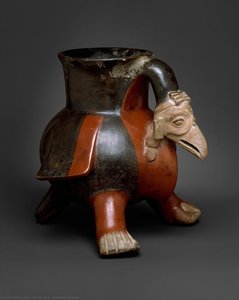
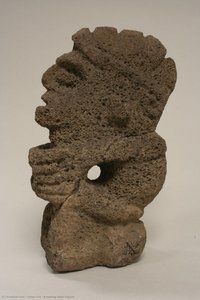
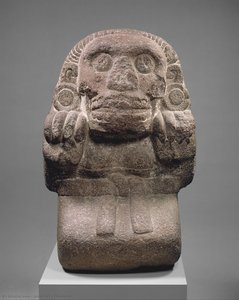
Seated Male Deity (Ehecatl)


 Espandi i dettagli
Giclée / Stampe d'arte
Stampa giclée o su tela di qualità museale, con produzione rapida e diverse opzioni di finitura. ( Acquista il dipinto realizzato a mano Passa all'immagine digitale)




P118B €10

P118H €10

P118W €10

P438Z €10

P508JH €12

P508YH €12

P805H €10

P805Z €10

P919BZ €10

P919G €10

P919XJ €10

P959ZH €10

P968JZ €12

W106C €8

W218G €10

W218JH €8

W218Y €10

W307PJ €10

W316G €10

W316PJ €8

W316Y €10

W398PJ €8

W4111J €10

W500HY €15

W500JH €15

W692G €12

W849H €8

W940BG €15

W953PJ €8




Scegli tra le nostre dimensioni predefinite, che rispettano le proporzioni originali dell'opera d'arte.

Inserisci la larghezza e l'altezza desiderate, per adattarle alla tua cornice o alla tua parete. Una stampa può essere solo ritagliata, mai resa più grande dell'immagine originale; pertanto, un formato con una forma differente comporterà la perdita di una parte dell'opera. Ti invieremo un mockup digitale da approvare prima di procedere con la stampa. L'immagine mostrata in questa pagina non rappresenta il ritaglio reale — solo il mockup lo mostra.
Consegna in tutto il mondo () in 2 settimane invece delle normali 4/5 settimane. (3 Novembre)

Spedizione espressa gratuita in tutto il mondo

Tela in lino di alta qualità

Assicurazione completa sulla spedizione

Garanzia di rimborso dei dazi doganali

Garanzia di fedeltà cromatica assoluta

Politica di reso entro 100 giorni (solo per difetti di fabbricazione)

Garanzia di rimborso al 100%

Offerta per acquisti multipli
 L'opzione vetro è disponibile solo per dimensioni inferiori a 110 cm

Seated Male Deity (Ehecatl)
Giclée / Stampe d'arte
Dimensioni riproduzione
-


Prezzo finale calcolato
€ 72
The Echoes of Stone: Unveiling the Majesty of Ehecatl
Standing before this remarkable sculpture, carved from volcanic stone or terracotta nearly six centuries ago, is akin to stepping back in time – directly into the heart of the Aztec Empire. The “Seated Male Deity (Ehecatl),” a masterpiece of Mexica artistry, transcends mere representation; it’s a potent symbol of power, spirituality, and the intricate cosmology that governed this sophisticated civilization. More than just a portrait of a god, it embodies the very essence of Aztec belief, offering a glimpse into their understanding of the world and their place within it.
The sculpture depicts Ehecatl, a figure deeply intertwined with the rhythms of existence. Often translated as “Wind God,” Ehecatl was far more than just a deity associated with breezes; he represented breath itself – the life force that animated all things. His distinctive features—a duck-like bill, prominent ears, and a serene yet commanding expression—are instantly recognizable hallmarks of Aztec artistic style. The careful detailing, particularly in the hands resting on his knees, speaks to an appreciation for human form and a desire to capture not just likeness but also character.
A Symphony of Form and Texture
The sculpture’s power lies not only in its subject matter but also in the masterful execution of its technique. The artist skillfully employed subtractive carving, patiently removing material from the stone to reveal the figure within. This process is evident in the pronounced texture of the surface – a network of ridges and valleys that speaks to the hands of a skilled artisan and the raw materiality of the medium. The use of earthy tones—ranging from reddish-browns to beiges—creates a sense of age and authenticity, as if the sculpture has weathered centuries of exposure to the elements.
Close examination reveals subtle nuances in the carving: the gentle curve of the torso, the delicate lines defining the facial features, and the carefully rendered folds of the loincloth. These details demonstrate an acute understanding of anatomy and a commitment to capturing both the physical form and the spiritual essence of Ehecatl. The composition is remarkably balanced, with the figure occupying a central position within the frame, drawing the viewer’s eye directly to its serene countenance.
Symbolism Woven into Stone
Beyond its aesthetic qualities, the sculpture is rich in symbolic meaning. The pose itself—seated and contemplative—suggests authority and wisdom. Ehecatl's hands resting on his knees convey a sense of calm control, reflecting the god’s dominion over the winds and breath. The presence of the duck-like bill has been interpreted as a symbol of communication – perhaps representing the ability to speak with the gods or to carry messages between worlds. The sculpture is also believed to be connected to the Aztec calendar system, with certain elements potentially referencing specific dates or cycles.
Furthermore, the sculpture’s creation reflects the Aztecs' deep connection to their environment and their reverence for nature. Volcanic stone was a readily available resource in central Mexico, and its use underscores the importance of natural materials in Aztec art and architecture. The sculpture serves as a tangible reminder of the empire’s reliance on the earth’s bounty and its respect for the forces that shaped their world.
A Legacy Enduring Through Time
Created during the final years of the Aztec Empire, around 1521, this sculpture offers a poignant glimpse into a civilization on the brink of collapse. The Spanish conquest would soon shatter the empire’s political and cultural foundations, but the artistic legacy of the Aztecs—embodied in works like this—continues to resonate today. The “Seated Male Deity (Ehecatl)” stands as a testament to the ingenuity, artistry, and spiritual depth of the Mexica people – a powerful reminder of their enduring influence on Mesoamerican culture.
Domande e risposte
Qual è l'uso consigliato per una stampa di "Seated Male Deity (Ehecatl)"?
Una riproduzione di "Seated Male Deity (Ehecatl)" di Impero Azteco è consigliata per Statement. Questo suggerimento deriva dal soggetto, dall'atmosfera e dai colori dell'opera.
In quale ambiente si consiglia di esporre "Seated Male Deity (Ehecatl)", considerando la sua palette cromatica?
Grazie alla sua palette Neutrals, si consiglia di inserire "Seated Male Deity (Ehecatl)" di Impero Azteco in un/una Living Room: sono proprio i suoi colori a ispirare questo suggerimento.
Chi è l'autore e in che anno è stata realizzata "Seated Male Deity (Ehecatl)"?
L'autore di "Seated Male Deity (Ehecatl)" è Impero Azteco e l'opera risale al 1521.
Biografia dell'artista
The Echoes of Stone: Exploring the Art and Legacy of the Aztec Empire
Il nome “Aztechi” – derivato dalla parola Nahuatl *ātl-ce-tlācati–tlān*, che significa “popolo di molte forme” – evoca immagini di un vasto e complesso impero che dominò Mesoamerica per secoli. Più che semplici guerrieri e conquistatori, gli Aztechi erano individui profondamente artistici, intrecciando bellezza intricata in ogni aspetto della loro vita—dalla monumentale architettura alle delicate lavorazioni delle piume, dai sacri rituali agli oggetti quotidiani. La loro arte non era semplicemente decorativa; era un linguaggio vibrante, comunicando credenze religiose, potere politico, narrazioni storiche e gerarchie sociali all’interno di una società sia rigidamente strutturata che straordinariamente innovativa.
Nati nei primi secoli del XIV secolo a Tenochtitlan, il cuore dell'Impero Azteco, le tradizioni artistiche degli Aztechi erano profondamente radicate nelle eredità delle precedenti civiltà mesoamericane. Gli Olmeci, con le loro enormi teste e sofisticati sistemi calendari, i Teotihuacani, rinomati per le loro imponenti piramidi e la pianificazione urbana, e i Toltechi, maestri nella lavorazione dei metalli e della scultura, contribuirono tutti a questo ricco arazzo artistico che gli Aztechi ereditavano. Tuttavia, gli Aztechi non erano semplicemente imitatori; sintetizzarono queste influenze con le proprie uniche sensibilità estetiche, sviluppando uno stile distintivo caratterizzato da colori audaci, intricati motivi geometrici e rappresentazioni simboliche.
A Palette of Power: Materials and Techniques
L'arte azteca era notevolmente diversificata, impiegando un’impressionante gamma di materiali e tecniche. La scultura in pietra occupava un posto di rilievo, esemplificata da sculture monumentali che raffiguravano divinità, sovrani e creature mitiche. La massiccia Pietra del Calendario Solare (Sun Stone), scoperta nel 1946, è una testimonianza della loro maestria in questo mezzo—un rilievo di pietra complesso e stratificato che combinava informazioni calendari con simbolismo cosmologico. Artigiani abili lavoravano anche con legno, argilla, piume – in particolare le piume di quetzal – giada, turchese, ossidiana e oro, riflettendo sia la ricchezza che lo status.
La lavorazione delle piume era forse l'aspetto più visivamente accattivante dell'arte azteca. Elaborate parrucche, mantelli, scudi e altri oggetti decorativi venivano creati utilizzando migliaia di piume accuratamente disposte—un processo che richiedeva una grande abilità e pazienza. Questi oggetti non erano semplicemente belli; servivano anche come potenti simboli di autorità, devozione religiosa e rango sociale. I colori stessi avevano significati specifici: il blu rappresentava il cielo, il verde simboleggiava la fertilità, il rosso indicava la guerra e il giallo il sole.
Inoltre, gli artisti aztechi erano maestri nella lavorazione del mosaico, creando splendidi pannelli decorativi utilizzando piccole piastrelle di pietra tagliate con precisione. Questi mosaici adornavano templi, palazzi e residenze private, aggiungendo un ulteriore strato di ricchezza visiva all'ambiente costruito. La loro ceramica era altrettanto impressionante, caratterizzata da intricati motivi geometrici e raffigurazioni di animali e divinità.
The Language of Symbols: Themes and Motifs
L’arte azteca è ricca di simbolismo, ogni immagine portatrice di strati di significato che richiedevano un'attenta interpretazione da parte di sacerdoti, scribi e sovrani. La divinità centrale, Huitzilopochtli, il dio della guerra e del sole, veniva spesso raffigurata in elaborate parrucche adornate con piume e pietre preziose. Quetzalcoatl, il dio serpente piumato associato alla conoscenza, alla saggezza e alla creazione, occupava un posto di rilievo nel loro pantheon ed era rappresentato in numerose immagini artistiche.
Il sistema calendario—una combinazione notevolmente sofisticata di cicli solari e rituali—era un altro motivo ricorrente. Immagini di calendari, glifi e simboli astronomici venivano incorporati in sculture, mosaici e codici (libri illustrati), riflettendo la profonda comprensione degli Aztechi del tempo e della cosmologia. Le rappresentazioni dello mais, l'alimento base della loro dieta, simboleggiavano nutrimento e fertilità. L’immagine di animali—in particolare jaguar, aquile, serpenti e colibrì—portava un significato simbolico legato al potere, al coraggio e alla divinità.
A Legacy in Fragments: Art and Historical Significance
La rapida caduta dell'Impero Azteco a seguito della conquista spagnola nel 1521 ha causato una devastante perdita per la cultura mesoamericana. Tragicamente, gran parte del loro patrimonio artistico è stato distrutto durante la conquista—templi abbattuti, sculture distrutte e codici bruciati. Tuttavia, nonostante queste perdite, frammenti dell'arte azteca sopravvivono oggi, offrendo preziose informazioni su questa straordinaria civiltà.
Esempi notevoli includono la Pietra del Calendario Solare, una scultura monumentale che dimostra la loro avanzata conoscenza dell’astronomia e della matematica; elaborate parrucche e mantelli in piume conservati nei musei di tutto il mondo; e codici sopravvissuti—libri scritti a mano contenenti resoconti storici, credenze religiose e informazioni calendari. La *Colección Andrés Blaisten* in Messico ospita una collezione significativa di arte latinoamericana, inclusi esempi delle tradizioni artistiche azteche.
L'influenza del lascito artistico dell'Impero Azteco può ancora essere vista oggi, ispirando artisti contemporanei e designer. Le loro tecniche innovative, i simbolismi potenti e il profondo legame con la natura risuonano ancora oggi con il pubblico di tutto il mondo.

Impero Azteco
1300 - 1521 , Messico
Dettagli rapidi
- Artistic Movement Or Style: Arte mesoamericana
- Artists Or Movements Influenced By This Artist: ['Arte moderno']
- Artists Who Influenced This Artist:
- Olmeca
- Teotihuacana
- Toleteca
- Date Of Birth: 1300 (Tenochtitlan)
- Date Of Death: 1521
- Full Name: Aztec Empire
- Nationality: Messicano
- Notable Artworks:
- Pietra del Sole
- Tempio della Luna
- Place Of Birth: Tenochtitlan, Messico
Articoli correlati

The Enduring Allure of Marble in Art History: From Classical Sculpture to Modern Abstraction
Explore the captivating history of marble sculpture from ancient Greece to modern art. Discover renowned artists like Canova & Michelangelo, carving techniques, and investment insights at OriginalUniqueArt.

I 10 Capolavori in Bronzo che Hanno Rivoluzionato la Storia dell'Arte | OriginalUniqueArt
Esplora i 10 capolavori in bronzo che hanno segnato la storia dell'arte! Da Michelangelo a Rodin, scopri le storie e le tecniche dietro queste statue iconiche. Trova riproduzioni artistiche di alta qualità per decorare casa tua con OriginalUniqueArt.com.

I 10 Capolavori Bronzei che Hanno Rivoluzionato la Storia dell'Arte | OriginalUniqueArt
Esplora i 10 capolavori bronzei che hanno segnato la storia dell'arte! Da Rodin a Michelangelo, scopri le storie e le tecniche dietro queste sculture iconiche. Trova riproduzioni d'arte di alta qualità per decorare la tua casa con OriginalUniqueArt.com.

The Enduring Form: Exploring Themes & Techniques in Sculpture Across Historical Periods
Explore the rich history of sculpture from ancient masterpieces to contemporary innovations. Discover key techniques, influential artists & investment potential for discerning art collectors.

L'Architettura del Volume: Evoluzione Tecnica e Valore Storico della Scultura
Scopri l'evoluzione tecnica della scultura tra marmo e bronzo. Esplora la storia delle forme con i nostri esperti.