

 Anteprima in scala reale
 Condividi
 Condividi
 Dettagli
 Guida stampabile

 Scarica
 Articoli simili
 Radiografia
 Slideshow
 Statistiche
David and Caspar
 Oil On Panel
- Post-Impressionism
 1912
1912 53.0 x 35.0 cm
 Fitzwilliam College
 Leggi tutto
Riproduzione a olio fatta a mano
Olio su tela dipinto a mano nelle tue dimensioni e con la tua cornice, realizzato su ordinazione dai nostri artisti. ( Passa alle stampe Passa all'immagine digitale)




P118B $10

P118H $10

P118W $10

P438Z $10

P508JH $12

P508YH $12

P805H $10

P805Z $10

P919BZ $10

P919G $10

P919XJ $10

P959ZH $10

P968JZ $12

W106C $8

W218G $10

W218JH $8

W218Y $10

W307PJ $10

W316G $10

W316PJ $8

W316Y $10

W398PJ $8

W4111J $10

W500HY $15

W500JH $15

W692G $12

W849H $8

W940BG $15

W953PJ $8




Scegli tra le nostre dimensioni predefinite, che rispettano le proporzioni originali dell'opera d'arte.

È possibile inserire dimensioni personalizzate per adattare l'opera a una cornice o a uno spazio specifico. Se la dimensione selezionata non corrisponde alle proporzioni dell'immagine originale, provvederemo a ritagliare l'opera o a estendere il dipinto con elementi aggiuntivi dipinti a mano. Un mockup digitale ti sarà inviato per approvazione prima dell'inizio della produzione.
Si prega di notare che l'anteprima a schermo non riflette il ritaglio o l'estensione effettivi. Solo il mockup mostrerà accuratamente la composizione finale.
Sebbene siano disponibili dimensioni personalizzate, consigliamo di selezionare una dimensione dall'elenco predefinito per preservare le proporzioni originali.
Dopo l'ordine, il team di OriginalUniqueArt.com contatterà il cliente via e-mail per ricevere le istruzioni e fornirà un'anteprima del mockup
Consegna in tutto il mondo () in 3/4 settimane anziché nelle normali 5 settimane. (27 Settembre). Nessun compromesso sulla qualità.

Spedizione espressa gratuita in tutto il mondo

Tela in lino di alta qualità

Assicurazione completa sulla spedizione

Garanzia di rimborso dei dazi doganali

Garanzia di perfetta fedeltà cromatica

Politica di reso entro 100 giorni (solo per difetti di fabbricazione)

Garanzia di rimborso al 100%

Sconto per acquisti multipli
 L'opzione vetro è disponibile solo per dimensioni inferiori a 110 cm

David and Caspar
Tecnica di riproduzione
Dimensioni della riproduzione
-


Prezzo totale
$ 300
The Enigmatic Duo: David and Caspar
Augustus Edwin John’s “David and Caspar,” painted in 1912, isn't merely a portrait; it’s a carefully constructed tableau of youthful camaraderie and profound introspection. The canvas immediately draws the viewer into a quiet, sun-drenched meadow, dominated by two figures – a young boy, identified as David, and a slightly older youth, Caspar – standing in relaxed contemplation. Their postures are remarkably naturalistic, suggesting an easy familiarity born from shared experience and mutual respect. John masterfully captures the fleeting expressions of their faces, hinting at unspoken thoughts and a deep connection that transcends mere friendship. The scene is imbued with a palpable sense of serenity, yet beneath this surface tranquility lies a subtle current of melancholy, reflecting perhaps the transient nature of youth and beauty.
John’s style during this period leaned heavily into Post-Impressionism, characterized by bold brushstrokes, vibrant color palettes, and an emphasis on capturing subjective experience rather than photographic realism. He eschewed meticulous detail in favor of conveying mood and atmosphere. Notice the loose application of paint, particularly in the rendering of the sky – a wash of blues and purples that evokes both warmth and a hint of foreboding. The figures themselves are painted with a slightly flattened perspective, contributing to the overall sense of intimacy and immediacy. The choice of medium—oil on panel—allowed John to build up layers of color and texture, creating a rich and luminous surface.
Echoes of Myth and Romanticism
The pairing of “David” and “Caspar” is deliberately evocative, immediately conjuring associations with the biblical story of David and Jonathan. While not a direct illustration of that famous tale, John clearly intended to tap into its powerful themes of loyalty, brotherhood, and sacrifice. The names themselves—David, after the shepherd king, and Caspar, referencing the biblical figure known for his wisdom—suggest a deliberate layering of symbolism. Furthermore, the painting resonates with the spirit of Romanticism, a movement that prized emotion, individualism, and the sublime beauty of nature. The meadow setting, bathed in golden light, embodies this ideal – a space of tranquility and spiritual reflection.
The inclusion of Caspar adds an intriguing layer to the composition. He’s not simply a companion; he possesses a certain gravitas, a quiet intensity that contrasts with David's youthful exuberance. Some art historians have suggested that Caspar represents the older generation, offering guidance and wisdom to the younger boy. The subtle shift in gaze between the two figures—David looking slightly upwards, as if contemplating something beyond the immediate scene—further reinforces this interpretation. The painting invites us to ponder the complexities of human relationships and the enduring power of youthful bonds.
A Window into John’s World
Augustus Edwin John was a complex and often enigmatic figure, known for his bohemian lifestyle and unconventional artistic practices. Born in Wales, he spent much of his life traveling throughout Europe, immersing himself in diverse cultures and artistic traditions. His work is deeply personal, reflecting his own experiences and emotions. “David and Caspar” offers a glimpse into this world—a world of passionate friendships, spiritual quests, and a profound appreciation for the beauty of the natural world. The painting’s enduring appeal lies not only in its technical skill but also in its ability to evoke a sense of nostalgia and wonder.
Further research reveals that John was particularly fascinated by the Romani people, whom he often depicted in his paintings. His interest in their culture led him to travel extensively throughout Europe, documenting their lives and customs. The painting’s composition—with its emphasis on natural light and simple forms—can be seen as a reflection of this fascination with the beauty of everyday life. The inclusion of Caspar, a figure who appears to be of Romani descent, adds another layer of complexity to the painting's symbolism.
Useful Links:
- David and Caspar (OriginalUniqueArt)
- David and Caspar, 1912 - Augustus John - WikiArt.org (WikiArt)
- Augustus Edwin John (Wikipedia)
Biografia dell'artista
Augustus Edwin John: Una Vita nell'Arte
- Nato: 4 gennaio 1878, Tenby, Galles
- Morto: 31 ottobre 1961, Fordingbridge, Inghilterra
Primi Anni e Formazione Artistica
- La prima parte della vita di John fu plasmata dalla sua eredità gallese e da un ambiente familiare di supporto. Sua madre gli instillò l'amore per il disegno fin da giovane.
- Frequentò la Tenby School of Art a 17 anni, dimostrando una precoce attitudine all'arte.
- Ulteriori studi alla Slade School of Fine Art, University College London (1894-1898), si rivelarono fondamentali per il suo sviluppo come artista. Eccelse lì, vincendo il Slade Summer Art Prize nel 1898.
- Un significativo trauma cranico nel 1897 portò a un drastico cambiamento nella sua personalità e nello stile artistico, segnato da una maggiore spontaneità e audacia.
Stile Artistico e Opere Principali
- Influenze: Il lavoro di John fu influenzato dai pittori dei Vecchi Maestri come Peter Paul Rubens, nonché dai contemporanei francesi come Matisse e Gauguin. Trasse ispirazione anche da Puvis de Chavannes.
- Stile: Il suo stile si evolse attraverso il Post-Impressionismo, caratterizzato da colori vivaci, pennellate espressive e un focus sulla cattura dell'essenza dei suoi soggetti.
- Ritrattistica: John è noto soprattutto per i suoi ritratti, che spesso raffiguravano figure aristocratiche e personalità letterarie. Aveva una capacità di catturare un "atteggiamento istantaneo" nei suoi modelli. Esempi notevoli includono ritratti di David Lloyd George, James Joyce e George Bernard Shaw.
- Opere Principali:
- Caspar (1909): Un toccante ritratto che mostra l'innocenza giovanile.
- Ritratti di Archibald Henry Macdonald Sinclair (1924)
- Ritratto di Francis Henry Crittall (1919)
- Air Mechanic Shaw (Colonnello T. E. Lawrence of Arabia, 1935)
- David John (1937)
- Lore Gitana: Una fascinazione per la cultura Romani portò a un periodo in cui lui e la sua famiglia viaggiarono in una caravan, influenzando i suoi temi artistici e conducendolo infine a diventare Presidente della Gypsy Lore Society.
Sviluppo e Significato Storico
- Inizialmente celebrato per i suoi disegni di figura e le innovative tecniche di pittura ad olio, il lavoro successivo di John a volte soffrì di un declino nella brillantezza pittorica, diventando più appariscente che impattante.
- Durante la Prima Guerra Mondiale, prestò servizio come artista di guerra allegato alle forze canadesi, creando ritratti memorabili dei soldati. Un successivo incidente portò al suo richiamo in Inghilterra.
- Nonostante le fluttuazioni nella ricezione critica durante tutta la sua carriera, Augustus Edwin John rimane una figura significativa nella storia dell'arte britannica. Fu uno dei pochi artisti britannici che raggiunse un ampio riconoscimento pubblico e contribuì a popolarizzare il Post-Impressionismo nel Regno Unito.
- La sua eredità risiede nella sua eccezionale abilità di disegno, nella sua capacità di catturare il carattere nei ritratti e nel suo contributo allo sviluppo della pittura moderna britannica.
Ultimi Anni ed Eredità
- John fu insignito dell'Ordine al Merito nel 1942, a riconoscimento dei suoi contributi all'arte.
- Scrisse due volumi di autobiografia, Chiaroscuro (1952) e Finishing Touches (pubblicato postumamente nel 1964).
- Sebbene la sua reputazione abbia subito un declino dopo la Seconda Guerra Mondiale, c'è stato un rinnovato interesse per il suo lavoro, in particolare per i suoi pezzi iniziali.
- La sorella di John, Gwen John, fu anch'essa una stimata artista, consolidando ulteriormente l'eredità artistica della famiglia.

Augusto Edwin John
1878 - 1961 , Galles
Informazioni rapide
- Artisti Influenti:
- Rubens
- Matisse
- Gauguin
- Data Di Morte: 31 ottobre 1961
- Data Di Nascita: 4 gennaio 1878
- Luogo Di Nascita: Tenby, Galles
- Movimento Artistico: Post-Impressionismo
- Nazionalità: Gallese
- Nome Completo: Augustus Edwin John
- Opere Notevoli:
- Caspar
- Air Mechanic Shaw
- David John
Articoli correlati

I 10 Capolavori Post-Impressionisti che Hanno Rivoluzionato l'Arte e la Decorazione d'Interni
Esplora i 10 capolavori del Post-Impressionismo con Van Gogh, Monet e Cézanne. Scopri le storie dietro questi dipinti iconici e lasciati ispirare per la tua decorazione d'interni. Stampe su tela di alta qualità su !

Impressionismo e Postimpressionismo: Evoluzione, Caratteristiche Distintive e Influenze Reciproche
Esplora l'evoluzione dell'Impressionismo e del Postimpressionismo con la nostra guida esperta. Scopri i maestri, le tecniche e l'influenza di questi movimenti artistici rivoluzionari.

John Singer Sargent: I 25 Capolavori Immortali per Arredare con Stile
Esplora i 25 capolavori di John Singer Sargent, pittore americano simbolo dell'Impressionismo e del Gilded Age. Ritratti iconici, acquerelli luminosi e storie affascinanti. Trova la tua opera d'arte ideale su OriginalUniqueArt.com!

John Constable: I 25 Capolavori che Celebrano la Bellezza della Campagna Inglese
Esplora i 25 capolavori di John Constable, il maestro del Romanticismo inglese. Paesaggi suggestivi, luce naturale e colori vibranti ti aspettano. Acquista riproduzioni d'arte di alta qualità su OriginalUniqueArt.com e porta la bellezza della campagna inglese nella tua casa.
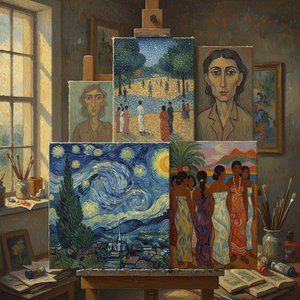
Beyond Impressionism: Exploring the Emotional Depth of Post-Impressionist Painting
Explore the profound emotional depth & innovative techniques of Post-Impressionism with OriginalUniqueArt. Discover Cézanne, Van Gogh, Gauguin & more – and their lasting impact on modern art.


