

 Anteprima in scala reale
 Invia
Invia Condividi
 Dettagli opera

 Scarica immagine
 Simili
 Radiografia
 Slideshow
RUINES D'ASCALON EN SYRIE


 Espandi i dettagli
Giclée / Stampe d'arte
Stampa giclée o su tela di qualità museale, con produzione rapida e diverse opzioni di finitura. ( Acquista il dipinto realizzato a mano Acquista immagine)




P118B $10

P118H $10

P118W $10

P438Z $10

P508JH $12

P508YH $12

P805H $10

P805Z $10

P919BZ $10

P919G $10

P919XJ $10

P959ZH $10

P968JZ $12

W106C $8

W218G $10

W218JH $8

W218Y $10

W307PJ $10

W316G $10

W316PJ $8

W316Y $10

W398PJ $8

W4111J $10

W500HY $15

W500JH $15

W692G $12

W849H $8

W940BG $15

W953PJ $8




Scegli tra le nostre dimensioni predefinite, che rispettano le proporzioni originali dell'opera d'arte.

È possibile inserire dimensioni personalizzate per adattare l'opera a una cornice o a uno spazio specifico. Se la dimensione selezionata non corrisponde alle proporzioni dell'immagine originale, procederemo al ritaglio dell'opera o all'estensione dell'immagine con un bordo specchiato o a tinta unita. Un mockup digitale ti verrà inviato per approvazione prima dell'inizio della produzione.
Si prega di notare che l'anteprima a schermo non riflette il ritaglio o l'estensione effettivi. Solo il mockup mostrerà accuratamente la composizione finale.
Sebbene siano disponibili dimensioni personalizzate, si raccomanda di selezionare una dimensione dall'elenco predefinito per preservare le proporzioni originali.
Consegna in tutto il mondo () in 2 settimane invece delle normali 4/5 settimane. (26 Agosto)

Spedizione espressa gratuita in tutto il mondo

Tela in lino di alta qualità

Assicurazione completa sulla spedizione

Garanzia di rimborso dei dazi doganali

Garanzia di fedeltà cromatica

Politica di reso entro 60 giorni (solo per difetti di fabbricazione)

Garanzia di rimborso al 100%

Offerta per acquisti multipli
 L'opzione vetro è disponibile solo per dimensioni inferiori a 110 cm

RUINES D'ASCALON EN SYRIE
Giclée / Stampe d'arte
Dimensioni riproduzione
-


Prezzo totale calcolato
$ 80
Descrizione del pezzo
RUINES D'ASCALON EN SYRIE: A Romantic Vision of Decay and Remembrance
Auguste de Forbin’s “Ruines d’Ascalon en Syrie” stands as a testament to the Romantic movement’s fascination with grandeur, melancholy, and the contemplation of history. Painted in 1830, this monumental landscape captures a scene of crumbling ruins nestled beside a tranquil river—a composition that speaks volumes about its time and continues to resonate with viewers today. Forbin, deeply influenced by artists like François Marius Granet and captivated by the allure of Roman voyages, skillfully blended observation with emotional expression, resulting in an artwork brimming with atmosphere and symbolic depth.- Composition & Perspective: The painting employs a balanced pyramidal structure, anchoring the eye on the distant horizon where hazy mountains hint at grandeur beyond reach. Vertical columns dominate the foreground, emphasizing architectural solidity while simultaneously framing the vista—a technique characteristic of Romantic landscape painters who sought to convey both physical presence and spiritual contemplation.
- Color Palette & Lighting: Dominated by earthy hues – browns, ochres, and grays – the color palette reflects the weathered stone of Ascalon’s ruins. A warm golden light emanates from behind the central vista, creating dramatic contrasts that heighten the sense of drama and illuminate the shadowed recesses of the crumbling walls. Subtle greens suggest tenacious vegetation clinging to the ancient stones, symbolizing resilience amidst decay.
- Technique & Texture: Forbin executed this piece in oil paint on canvas, utilizing visible brushstrokes to achieve a textured surface that conveys the palpable physicality of stone and foliage alike. The artist’s meticulous attention to detail—evident in the rendering of architectural features and atmospheric haze—underscores his commitment to capturing the essence of the scene with uncompromising realism.
- Symbolism & Historical Context: Ascalon, a ruined city referenced in biblical texts, served as a potent symbol for Romantic artists grappling with themes of impermanence and the decline of classical civilization. The solitary figure positioned at the forefront embodies contemplation—a quiet observer absorbing the grandeur of the past while confronting its inevitable disintegration.
- Louvre Legacy: Currently housed within the Musée du Louvre’s Département des Peintures, “Ruines d’Ascalon en Syrie” was acquired by Charles X and subsequently donated to the museum alongside four other canvases by Forbin—a testament to his enduring artistic merit and its recognition as a masterpiece of Romantic landscape painting.
- Compin, Isabelle ; Reynaud, Nicole, Catalogue des peintures du musée du Louvre. I, Paris, RMN, 1972
- Sterling, Charles ; Adhémar, Hélène, Musée national du Louvre. Peintures. Ecole française. XIXe siècle. A-C, vol. I, Paris, Editions des musées nationaux, 1958
- Compin, Isabelle ; Roquebert, Anne, Catalogue sommaire illustré des peintures du musée du Louvre et du musée d'Orsay. III, Paris, RMN, 1986
Biografia dell'artista
Auguste de Forbin: A Painter Caught Between Romantic Idealism and Napoleonic Pragmatism
Auguste de Forbin (1777 – 1841) stands as a fascinating figure in French art history, embodying the complexities of his era—a period marked by turbulent political upheaval and burgeoning artistic innovation. Born into a noble family at Château La Roque-d’Anthéron, Provence, he possessed an innate talent for drawing from a young age, nurtured by a formative friendship with François Marius Granet, a relationship that would endure throughout their lives. This early training instilled in him a sensitivity to observation and detail, qualities that would characterize his artistic endeavors. His artistic journey began amidst the fervor of the French Revolution, where he witnessed firsthand the dramatic shifts reshaping French society. The assassination of his father, Marquis de Pont-à-Mousson, during the Lyon insurrection profoundly impacted Forbin’s life, highlighting the dangers inherent in political instability. Remarkably resilient, he escaped unscathed thanks to his youth and continued his artistic pursuits alongside Granet, honing their skills in the tranquil countryside—a deliberate contrast to the tumultuous urban landscape of Paris. David's Studio: The Crucible of Style The Directory offered Forbin a crucial opportunity for artistic advancement – access to Jacques-Louis David’s prestigious studio, a bastion of neoclassical ideals. Here, he collaborated closely with Granet, absorbing the stylistic influences of David and establishing himself firmly within the dominant artistic movement. This association proved invaluable in shaping his aesthetic sensibilities and propelling him toward mastery of technique. The meticulous realism championed by David—a stark departure from Romantic sentimentality—served as a formative influence on Forbin’s approach to composition and rendering. From Rome to Napoleon: Artistic Pilgrimage and Imperial Patronage Forbin’s travels to Rome in 1804 solidified his commitment to classical art principles, immersing him in the vibrant intellectual atmosphere of francophile Roman society. He embraced a carefree lifestyle, indulging in leisure pursuits alongside Granet—a period marked by considerable artistic experimentation. Notably, he secured the patronage of Princess Pauline Borghese, Napoleon’s sister, forging a romantic relationship that lasted until 1807 and produced a celebrated villa at Aix-en-Provence. His military service during the Napoleonic Wars – Portugal and Austria – earned him recognition and honors, including the Croix d'honneur. He returned to Italy, producing monumental history paintings that showcased his ambition and artistic prowess—works reflecting both the grandeur of imperial Rome and the dynamism of Napoleon’s reign. Notable Works & Legacy Forbin’s oeuvre comprises a diverse range of subjects—primarily landscapes and historical scenes—characterized by meticulous realism combined with subtle expressive qualities. Among his most celebrated canvases are “Vue de Jérusalem,” depicting the Holy City with breathtaking architectural detail and atmospheric perspective, demonstrating Forbin's mastery of illusionistic painting techniques; "Vue de Cazzafani," portraying the ruins of Carthage with haunting beauty and poignant contemplation—a testament to his ability to convey emotion through visual imagery; and “Vue d’un cloître sur les bords de la Méditerranée, près de Carrère,” capturing the serene tranquility of a Mediterranean monastery with luminous color palettes and delicate brushwork. Auguste de Forbin's contribution to French art is significant not only for his technical skill but also for representing the intellectual currents of his era, bridging the gap between Romantic idealism and Napoleonic pragmatism—a testament to a painter who navigated the complexities of history with unwavering dedication and artistic vision. He remains an artist whose work embodies the spirit of a pivotal moment in European art history.
Auguste de Forbin
1777 - 1841 , Francia
Dati rapidi
- Artistic Movement Or Style: Neoclassicismo
- Artists Or Movements Influenced By This Artist: ['Jacques-Louis David']
- Artists Who Influenced This Artist: ['François Marius Granet']
- Date Of Birth: 1777
- Date Of Death: 1841
- Full Name: Auguste de Forbin
- Nationality: Francese
- Notable Artworks:
- Vue de Jérusalem
- Vue de Cazzafani
- Vue d’un cloître
- Place Of Birth: Laroched'antheron, Francia
Articoli correlati
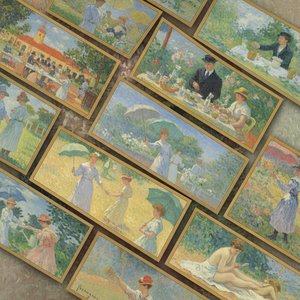
Renoir: I 25 Capolavori Essenziali per Amare l'Impressionismo | OriginalUniqueArt
Esplora i 25 capolavori di Renoir, l'icona dell'Impressionismo! Scopri la storia, le tecniche e i colori vibranti dei suoi dipinti più famosi. Trova riproduzioni artistiche di alta qualità per decorare casa tua su OriginalUniqueArt.com.

I 10 Capolavori del Paesaggio Romantico: Arte, Storia e Decorazioni di Lusso
Esplora i 10 capolavori del Paesaggio Romantico con OriginalUniqueArt.com! Caspar David Friedrich, Turner e altri maestri: storia, tecnica e colori che definiscono un'epoca. Trova riproduzioni d'arte di lusso per la tua casa. Scopri la collezione completa online!

Goya: I 25 Capolavori Immortali dell'Anima Spagnola | OriginalUniqueArt
Esplora i 25 capolavori di Francisco Goya, il genio spagnolo tra Romanticismo e Realismo. Ritratti iconici, 'Los Caprichos' e le toccanti 'Disastri della Guerra'. Trova stampe su tela e riproduzioni artistiche di alta qualità per la tua casa su OriginalUniqueArt.com.

Hubert Robert: Pittura di Rovine e Memoria Preservata – Uno Studio sull'Antiquarianismo Romantico e l'Innovazione Artistica
Esplora l'opera di Hubert Robert, maestro del paesaggio e pioniere dell'antiquarianismo romantico. Scopri la sua poetica delle rovine romane, il valore artistico e come collezionare le sue opere con OriginalUniqueArt.

The Sublime and the Picturesque: Exploring Emotion & Nature in Romantic Landscape Painting
Explore the emotional power of Romantic landscape painting! Discover the sublime & picturesque traditions, key artists like Friedrich & Cole, and find your perfect artwork at OriginalUniqueArt.


