
 Anteprima in scala reale
 Invia
Invia Condividi
 Dettagli opera

 Scarica immagine
 Simili
 Radiografia
 Slideshow
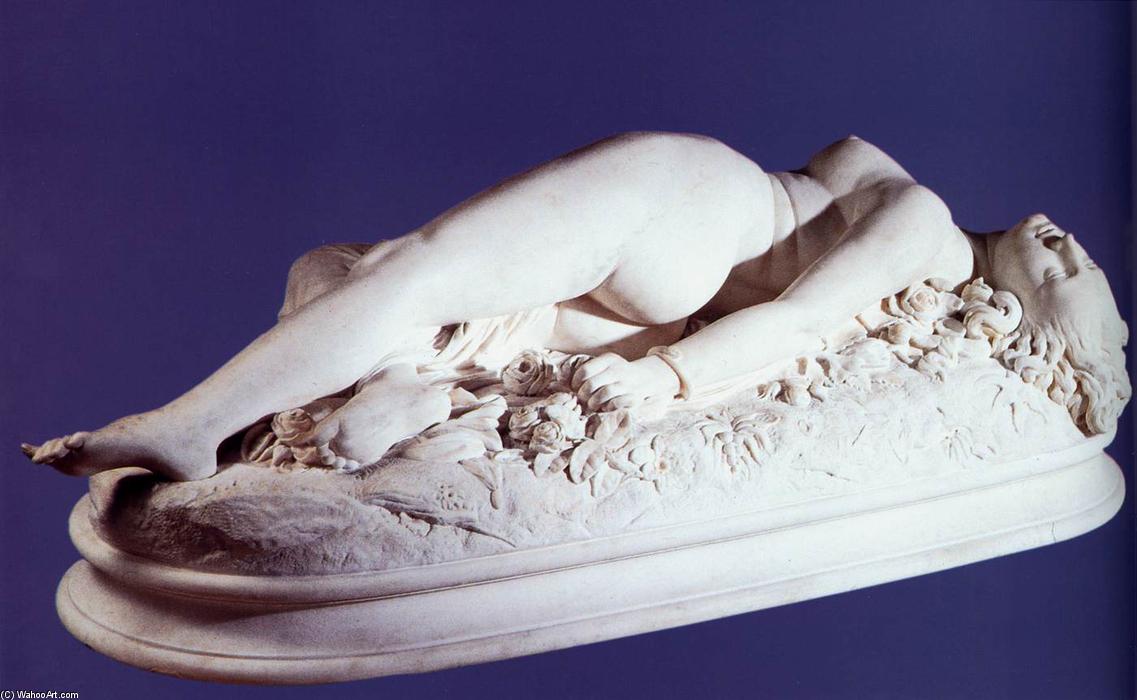
Woman Bitten by a Snake
 Neoclassicism
 1847
1847 56.0 x 180.0 cm
 Musée d'Orsay
 Espandi i dettagli
Riproduzione a olio fatta a mano
Olio su tela dipinto a mano nelle tue dimensioni e con la tua cornice, realizzato su ordinazione dai nostri artisti. ( Acquista stampa Acquista immagine)




P118B $10

P118H $10

P118W $10

P438Z $10

P508JH $12

P508YH $12

P805H $10

P805Z $10

P919BZ $10

P919G $10

P919XJ $10

P959ZH $10

P968JZ $12

W106C $8

W218G $10

W218JH $8

W218Y $10

W307PJ $10

W316G $10

W316PJ $8

W316Y $10

W398PJ $8

W4111J $10

W500HY $15

W500JH $15

W692G $12

W849H $8

W940BG $15

W953PJ $8




Scegli tra le nostre dimensioni predefinite, che rispettano le proporzioni originali dell'opera d'arte.

È possibile inserire dimensioni personalizzate per adattare l'opera a una cornice o a uno spazio specifico. Se la dimensione selezionata non corrisponde alle proporzioni dell'immagine originale, provvederemo a ritagliare l'opera o a estendere il dipinto con elementi aggiuntivi dipinti a mano. Un mockup digitale ti sarà inviato per approvazione prima dell'inizio della produzione.
Si prega di notare che l'anteprima a schermo non riflette il ritaglio o l'estensione effettivi. Solo il mockup mostrerà accuratamente la composizione finale.
Sebbene siano disponibili dimensioni personalizzate, consigliamo di selezionare una dimensione dall'elenco predefinito per preservare le proporzioni originali.
Dopo l'ordine, il team di OriginalUniqueArt.com contatterà il cliente via e-mail per le istruzioni e fornirà un'anteprima del mockup
Consegna in tutto il mondo () in 3/4 settimane anziché nelle normali 5 settimane. (25 Agosto). Nessun compromesso sulla qualità.

Spedizione espressa gratuita in tutto il mondo

Tela in lino di alta qualità

Assicurazione completa sulla spedizione

Garanzia di rimborso dei dazi doganali

Garanzia di fedeltà cromatica

Politica di reso entro 60 giorni (solo per difetti di fabbricazione)

Garanzia di rimborso al 100%

Offerta per acquisti multipli
 L'opzione vetro è disponibile solo per dimensioni inferiori a 110 cm

Woman Bitten by a Snake
Tecnica di riproduzione
Dimensioni riproduzione
-


Prezzo totale calcolato
$ 300
Descrizione dell'opera
A Serpent’s Embrace: Auguste Clésinger's *Woman Bitten by a Snake*
Auguste Clésinger’s 1847 marble sculpture, *Woman Bitten by a Snake*, is far more than a depiction of a dramatic, even unsettling, scene. It’s a potent distillation of Neoclassical ideals colliding with the burgeoning currents of Realism and Romanticism, a work that ignited controversy upon its debut at the Paris Salon and continues to hold an undeniable allure. The sculpture captures a moment of exquisite torment – a reclining nude female figure, her left arm entwined around a small serpent poised to deliver its venomous bite. The pose itself is crucial; it’s not one of passive suffering but of intense, almost ecstatic, vulnerability. Her body curves with a languid grace, yet every muscle seems taut with the sudden shock and pain of the attack. The drapery, meticulously carved to mimic the folds of luxurious fabric, cascades around her like a storm cloud, intensifying the drama and obscuring details while simultaneously emphasizing the contours of her form.
Neoclassical Roots, Romantic Intensity
Clésinger’s style firmly anchors *Woman Bitten by a Snake* within the Neoclassical tradition. The idealized beauty of the figure—a deliberate echo of classical sculpture—is evident in her balanced proportions and serene expression (despite the obvious distress). However, beneath this surface lies a distinctly Romantic sensibility. The heightened emotion, the dramatic lighting that casts deep shadows across her face and body, and the unsettling subject matter – a venomous bite – all point to an exploration of intense feeling and psychological depth, qualities often associated with the Romantic movement. The sculpture wasn’t simply about depicting a beautiful woman; it was about conveying a powerful emotional experience.
The Scandal and the Secret: A Life-Cast Revelation
The initial reception of *Woman Bitten by a Snake* at the 1847 Salon was explosive, not for its artistic merit alone, but due to a scandalous revelation. Theophile Gautier, a prominent literary critic and staunch defender of artistic integrity, exposed a secret behind Clésinger’s creation: the sculpture was based on a life-cast taken from Apollonie Sabatier, a celebrated *demi-mondaine* (a fashionable courtesan) who was also the muse of Charles Baudelaire. This practice of using actual models—particularly those with imperfections like cellulite – was considered highly unorthodox and even vulgar at the time. The revelation fueled public outrage, accusing Clésinger of exploiting his model’s physical flaws for artistic gain. The controversy surrounding the life-cast underscored a broader debate about the role of realism in art and the ethical considerations of representing the human body.
Symbolism and Interpretation: Venom, Beauty, and Desire
Beyond the scandal, *Woman Bitten by a Snake* is rich with symbolic meaning. The serpent itself is an ancient symbol of temptation, danger, and transformation – often associated with both death and rebirth. The bite represents not just physical pain but also a profound psychological wound, a loss of innocence or a confrontation with forbidden desires. The reclining pose suggests vulnerability and surrender, while the figure’s expression hints at a complex mixture of fear, pleasure, and resignation. Some scholars interpret the sculpture as an allegory for the perils of beauty and the seductive power of desire, suggesting that even in its idealized form, the female body remains susceptible to harm and corruption. The choice of marble, known for its durability and timelessness, further elevates the image, imbuing it with a sense of permanence and enduring fascination.
This reproduction captures the essence of Clésinger’s masterpiece, offering a stunning addition to any art collection or interior space. Its dramatic composition and evocative symbolism will undoubtedly spark conversation and admiration for years to come.
Biografia dell'artista
Auguste Clésinger: Vita e Eredità
Primi Anni di Vita e Formazione
- Nascita: 22 ottobre 1814, a Besançon, Francia.
- Auguste Clésincger era immerso in una famiglia d'arte; suo padre, Georges-Philippe Clésinger, era uno scultore che fornì ad Auguste la sua formazione iniziale.
- Questa precoce esposizione gli instillò una comprensione fondamentale delle tecniche scultoree e dell'estetica.
Sviluppo Artistico e Stile
- Lo stile artistico di Clésinger si evolse nel corso del XIX secolo, abbracciando inizialmente i principi Neoclassici ma incorporando gradualmente elementi di Realismo e Romanticismo.
- Egli seppe fondere con maestria la precisione tecnica con l'intensità emotiva nelle sue opere.
- Le sue sculture spesso ritraggono narrazioni drammatiche e figure sensuali, mostrando una padronanza dell'anatomia e della forma.
Opere Maggiori e Traguardi
- Donna morsa da un serpente (1847): Questa scultura causò una sensazione al Salon di Parigi a causa del suo realismo drammatico e dei sottotoni erotici. Fu modellata partendo dai calchi in vita di Apollonie Sabatier.
- Madame Sabatier (1847): Un ritratto in marmo della sua modella, Apollonie Sabatier, che consolidò ulteriormente la reputazione di Clésinger nel catturare bellezza e sensualità.
- Monumento Funebre a Chopin (1850): Commissionato dopo la morte del compositore Frédéric Chopin, questo monumento in marmo bianco nel Cimitero di Père Lachaise è un commovente tributo al musicista.
- Angelo del Dolore: Una scultura profondamente toccante che incarna il dramma e il pathos barocco.
- Creò inoltre busti di figure prominenti come Rachel Félix e Théophile Gautier, e una statua di Luisa di Savoia.
Influenze e Relazioni
- Influenzato da: Suo padre, Georges-Philippe Clésinger, gli fornì le sue prime basi artistiche.
- L'associazione di Clésinger con Apollonie Sabatier, una salonnière e amante di diversi artisti illustri tra cui Charles Baudelaire, lo espose a circoli intellettuali e artistici d'élite.
- Il suo matrimonio nel 1847 con Solange Dudevant, figlia di George Sand, lo legò ulteriormente alla società letteraria dell'epoca.
Significato Storico e Eredità
- L'opera di Clésinger riflette le correnti artistiche della Francia del XIX secolo, fungendo da ponte tra il Neoclassicismo e le emergenti tendenze Realiste.
- Riconoscimenti: Ricevette la Croce di Cavaliere della Légion d'honneur nel 1849 e fu promosso a Ufficiale nel 1864.
- Le sue sculture continuano a essere ammirate per la loro abilità tecnica, profondità emotiva e impatto drammatico. Le sue opere sono esposte in musei di rilievo come il Musée d’Orsay.
- Morte: Morì il 5 gennaio 1883 a Parigi, e riposa nel Cimitero di Père Lachaise.

auguste clésinger
1814 - 1883 , Francia
Dati rapidi
- Artistic Movement Or Style: Realismo e Romanticismo
- Artists Who Influenced This Artist: ['Georges-Philippe Clésinger']
- Date Of Birth: 22 ottobre 1814
- Date Of Death: 5 gennaio 1883
- Full Name: Auguste Clésinger
- Nationality: Francese
- Notable Artworks:
- Donna morsa da un serpente
- Angelo del dolore
- Madame Sabatier
- Place Of Birth: Besançon, Francia
Articoli correlati

The Enduring Allure of Marble in Art History: From Classical Sculpture to Modern Abstraction
Explore the captivating history of marble sculpture from ancient Greece to modern art. Discover renowned artists like Canova & Michelangelo, carving techniques, and investment insights at OriginalUniqueArt.

I 10 Capolavori Bronzei che Hanno Rivoluzionato la Storia dell'Arte | OriginalUniqueArt
Esplora i 10 capolavori bronzei che hanno segnato la storia dell'arte! Da Rodin a Michelangelo, scopri le storie e le tecniche dietro queste sculture iconiche. Trova riproduzioni d'arte di alta qualità per decorare la tua casa con OriginalUniqueArt.com.
Timeless Elegance: A Complete Guide to the Sublime Beauty and Artistry of Marble Sculpture
Discover the sublime beauty of marble art through an expert exploration of Renaissance and Neoclassical masterpieces. From the delicate textures of Carpeaux to the grandeur of Sansovino, immerse yourself in a guide to timeless elegance and sculptural perfection.
Renoir: I 25 Capolavori Essenziali per Amare l'Impressionismo | OriginalUniqueArt
Esplora i 25 capolavori di Renoir, l'icona dell'Impressionismo! Scopri la storia, le tecniche e i colori vibranti dei suoi dipinti più famosi. Trova riproduzioni artistiche di alta qualità per decorare casa tua su OriginalUniqueArt.com.

I 10 Capolavori in Bronzo che Hanno Rivoluzionato la Storia dell'Arte | OriginalUniqueArt
Esplora i 10 capolavori in bronzo che hanno segnato la storia dell'arte! Da Michelangelo a Rodin, scopri le storie e le tecniche dietro queste statue iconiche. Trova riproduzioni artistiche di alta qualità per decorare casa tua con OriginalUniqueArt.com.

