
 Anteprima in scala reale
 Invia
Invia Condividi
 Dettagli opera
 Guida
Guida

 Scarica
 Simili
 Radiografia
 Slideshow
 Q&A
Q&A Statistiche
Fashion Shop

- 60.0 x 50.0 cm


 Espandi i dettagli
Giclée / Stampe d'arte
Stampa giclée o su tela di qualità museale, con produzione rapida e diverse opzioni di finitura. ( Acquista il dipinto realizzato a mano Passa all'immagine digitale)




P118B €10

P118H €10

P118W €10

P438Z €10

P508JH €12

P508YH €12

P805H €10

P805Z €10

P919BZ €10

P919G €10

P919XJ €10

P959ZH €10

P968JZ €12

W106C €8

W218G €10

W218JH €8

W218Y €10

W307PJ €10

W316G €10

W316PJ €8

W316Y €10

W398PJ €8

W4111J €10

W500HY €15

W500JH €15

W692G €12

W849H €8

W940BG €15

W953PJ €8




Scegli tra le nostre dimensioni predefinite, che rispettano le proporzioni originali dell'opera d'arte.

Inserisci la larghezza e l'altezza desiderate, per adattarle alla tua cornice o alla tua parete. Una stampa può essere solo ritagliata, mai resa più grande dell'immagine originale; pertanto, un formato con una forma differente comporterà la perdita di una parte dell'opera. Ti invieremo un mockup digitale da approvare prima di procedere con la stampa. L'immagine mostrata in questa pagina non rappresenta il ritaglio reale — solo il mockup lo mostra.
Consegna in tutto il mondo () in 2 settimane invece delle normali 4/5 settimane. (1 Novembre)

Spedizione espressa gratuita in tutto il mondo

Tela in lino di alta qualità

Assicurazione completa sulla spedizione

Garanzia di rimborso dei dazi doganali

Garanzia di fedeltà cromatica assoluta

Politica di reso entro 100 giorni (solo per difetti di fabbricazione)

Garanzia di rimborso al 100%

Offerta per acquisti multipli
 L'opzione vetro è disponibile solo per dimensioni inferiori a 110 cm

Fashion Shop
Giclée / Stampe d'arte
Dimensioni riproduzione
-


Prezzo finale calcolato
€ 71
August Macke’s Fashion Shop – A Snapshot of Modern Life in Expressionist Color
August Robert Ludwig Macke (1887-1914) stands as one of the most poignant figures within German Expressionism, a movement born from anxieties surrounding the burgeoning industrial age and fueled by an urgent desire to convey raw emotion. His painting “Fashion Shop,” completed in 1913, encapsulates this spirit perfectly—a deceptively simple depiction of a bustling street scene transformed into a vibrant testament to artistic innovation and psychological depth. This artwork isn’t merely a representation of commerce; it's a carefully constructed visual dialogue about the relationship between humanity and its environment during a period of profound societal change.- Style: Macke’s “Fashion Shop” firmly establishes itself within the Orphism movement, a stylistic offshoot of Fauvism championed by artists like Henri Matisse. Unlike Impressionists who sought to capture fleeting moments of light and color, Orphists prioritized pure pigment—unmixed hues applied directly onto canvas—to achieve an emotional resonance that transcended mere visual accuracy. This bold chromatic approach distinguishes Macke’s work from its contemporaries and underscores his commitment to conveying feeling rather than observation.
- Technique: Macke employed a distinctive layering technique, applying thin washes of color over thicker impasto strokes. The resulting surface texture is palpable—a deliberate choice designed to heighten the painting's expressive power. Notice how the dominant reds and yellows pulsate with energy, mirroring the dynamism of the street scene while simultaneously projecting an inner turmoil that hints at Macke’s own preoccupation with existential themes.
- Historical Context: Created in 1913, “Fashion Shop” arrived during a turbulent period marked by escalating tensions leading up to World War I. The painting reflects the anxieties of its time—the rapid urbanization and industrialization reshaping European society—but also embodies a yearning for beauty and harmony amidst chaos. Macke’s deliberate use of color serves as an antidote to the grim realities of the era, offering instead a glimpse into a world brimming with vitality and potential.
- Symbolism: The inclusion of a bird perched atop the building is significant. Birds often symbolize freedom and aspiration in Symbolist art—a tradition Macke embraced—representing a desire for transcendence beyond the confines of everyday life. Simultaneously, it introduces an element of nature into the urban landscape, subtly suggesting that even amidst industrial progress, beauty and contemplation can endure.
- Emotional Impact: Viewing “Fashion Shop” evokes a feeling of both excitement and unease. The vibrant colors are invigorating, capturing the energy of the street, yet they’re tempered by the textured surface and Macke's masterful manipulation of pigment—a technique that conveys profound psychological depth. It’s a painting that invites contemplation on the complexities of modern existence and celebrates the transformative power of artistic vision.
Domande e risposte
In che anno è stata creata "Fashion Shop" di Augusto Macke?
"Fashion Shop" risale al 1914. Questa data colloca l'opera all'interno della carriera di Augusto Macke e del suo periodo storico.
Quale soggetto e quale atmosfera si incontrano in "Fashion Shop" di Augusto Macke?
"Fashion Shop" di Augusto Macke unisce cityscape, urban life, people walking, storefront, bird, color palette, harmony con un'atmosfera Serene.
Quali sono la forma e le dimensioni di "Fashion Shop" di Augusto Macke?
Il formato di "Fashion Shop" è Landscape e l'originale misura 60 x 50 cm. Entrambi sono utili quando si pianifica una riproduzione.
Biografia dell'artista
Le prime esperienze e la formazione artistica
August Robert Ludwig Macke, pittore espressionista tedesco di spicco, nacque il 3 gennaio 1887 a Meschede, nella Vestfalia. Il suo percorso artistico iniziò alla Kunstakademie di Düsseldorf (1904-1906), sotto la guida di Adolf Maennchen. Lo stile di Macke fu plasmato dall'impressionismo francese e dal post-impressionismo, per poi essere influenzato dal fauvismo.Influenze artistiche e stile
L’incontro con Robert Delaunay a Parigi (1912) introdusse Macke al cubismo cromatico, noto anche come orfismo. Questa influenza è visibile nel suo dipinto Shops Windows, una personale interpretazione dello stile di Delaunay combinata con la simultaneità delle immagini riscontrabile nel futurismo italiano. Macke fece parte del gruppo espressionista tedesco Der Blaue Reiter (Il Cavaliere Azzurro), insieme a Wassily Kandinsky, Franz Marc e Paul Klee. I suoi dipinti, come Bathing Girls with Town in the Background (100 x 80 cm, Staatsgalerie Moderner Kunst, Monaco di Baviera, Germania), mostrano il suo stile unico caratterizzato da colori vivaci e disegno audace.Opere significative e eredità
- Woman in a Green Jacket (1913, Museum Ludwig Colonia, Germania), un esempio emblematico dell'espressionismo.
- Landscape with Cows and Camel (1914, Kunsthaus Zurigo, Svizzera), un esempio paradigmatico del suo stile.
- Türkisches Café (1914), un capolavoro che mostra il suo approccio luminista durante il suo ultimo periodo.
Un tragico destino e un impatto duraturo
La vita di Macke fu interrotta prematuramente quando morì il 26 settembre 1914 al fronte, in Champagne, in Francia. Il suo ultimo dipinto, Farewell, cattura l’atmosfera cupa che si abbatté sull'Europa durante la prima guerra mondiale. Esplora altre opere di August Macke e il movimento dell'espressionismo tedesco su OriginalUniqueArt:- Woman in a Green Jacket
- Franz Marc's Fighting Forms, che mostra la collaborazione all’interno di Der Blaue Reiter
- August Macke's artist page on OriginalUniqueArt
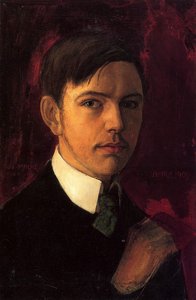
Augusto Macke
1887 - 1914 , Germania
Dettagli rapidi
- Artisti Influenti:
- Robert Delaunay
- Franz Marc
- Wassily Kandinsky
- Paul Klee
- Data Di Nascita: 3 gennaio 1887
- Luogo Di Nascita: Meschede, Germania
- Movimento Artistico: Espressionismo tedesco
- Nazionalità: Germana
- Nome Completo: August Macke
- Opere Notevoli:
- Donna con una giacca verde
- Bagnanti con città sullo sfondo
- Finestre di negozi
- Caffè turco
Articoli correlati

Espressionismo Tedesco: 10 Capolavori Rivoluzionari per Arredare con Emozione
Esplora i 10 capolavori dell'Espressionismo Tedesco con OriginalUniqueArt.com! Scopri Kirchner, Munch e Nolde, le loro emozioni intense e tecniche rivoluzionarie. Arreda la tua casa con stampe d'arte di alta qualità. Esplora la collezione online!
Oltre la Superficie: Esplorando le Dimensioni Sensoriali e l'Illuminazione nella Pittura Astratta
Esplora le dimensioni sensoriali e l'illuminazione nella pittura astratta con analisi approfondite di maestri come Richter e de Kooning. Guide per collezionisti e appassionati d'arte.

L'Anima dell'Impasto: Il Potere Materico e l'Emozione nelle Pennellate di Van Gogh
Scopri il segreto della tecnica a impasto e l'emozione di Van Gogh. Esplora la materia viva del Post-Impressionismo con noi.
The Eloquent Brushstroke: A Historical & Technical Exploration of Texture, Intent & Expression in Painting
Explore the rich history & techniques of impasto painting – from Renaissance masters to Van Gogh's expressive strokes. Discover how artists use texture to convey emotion and create lasting impact. Learn more!
The Tactile Canvas: Exploring Texture as Subject, Materiality & Meaning in Art History
Explore the rich history of texture in art! Discover how artists from Van Gogh to contemporary masters use materiality & technique to create captivating tactile experiences. Deepen your art appreciation with OriginalUniqueArt.


