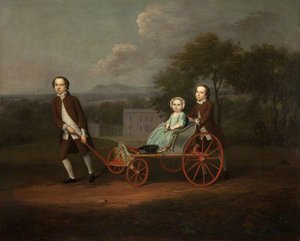
Anteprima in scala reale
 Condividi
 Condividi
 Dettagli
 Guida stampabile

 Scarica
 Articoli simili
 Radiografia
 Slideshow
 Statistiche
John Orlebar
 Olio su tela
- Opere da parete
- Georgian Portraiture
 1740
1740 51.0 x 36.0 cm
 Harris Museum - Galleria d’Arte
 Leggi tutto
Riproduzione a olio fatta a mano
Olio su tela dipinto a mano nelle tue dimensioni e con la tua cornice, realizzato su ordinazione dai nostri artisti. ( Passa alle stampe Passa all'immagine digitale)




P118B €10

P118H €10

P118W €10

P438Z €10

P508JH €12

P508YH €12

P805H €10

P805Z €10

P919BZ €10

P919G €10

P919XJ €10

P959ZH €10

P968JZ €12

W106C €8

W218G €10

W218JH €8

W218Y €10

W307PJ €10

W316G €10

W316PJ €8

W316Y €10

W398PJ €8

W4111J €10

W500HY €15

W500JH €15

W692G €12

W849H €8

W940BG €15

W953PJ €8




Scegli tra le nostre dimensioni predefinite, che rispettano le proporzioni originali dell'opera d'arte.

Inserisci la larghezza e l'altezza di cui hai bisogno, per adattarle alla tua cornice o alla tua parete. Trattandosi di un'opera dipinta a mano, in caso di dimensioni con una forma differente, l'artista può dipingere un po' più oltre i bordi dell'immagine o ritagliare leggermente — la scelta spetta a te. Ti invieremo un mockup digitale da approvare prima che la pittura abbia inizio. L'immagine mostrata in questa pagina non rappresenta il risultato reale — solo il mockup lo fa.
Dopo l'ordine, il team di OriginalUniqueArt.com contatterà il cliente via e-mail per ricevere le istruzioni e fornirà un'anteprima del mockup
Consegna in tutto il mondo () in 3/4 settimane anziché nelle normali 5 settimane. (21 Ottobre). Nessun compromesso sulla qualità.

Spedizione espressa gratuita in tutto il mondo

Tela in lino di alta qualità

Assicurazione completa sulla spedizione

Garanzia di rimborso dei dazi doganali

Garanzia di perfetta fedeltà cromatica

Politica di reso entro 100 giorni (solo per difetti di fabbricazione)

Garanzia di rimborso al 100%

Sconto per acquisti multipli
 L'opzione vetro è disponibile solo per dimensioni inferiori a 110 cm

John Orlebar
Tecnica di riproduzione
Dimensioni della riproduzione
-


Prezzo totale
€ 262
John Orlebar: Un Ritratto Elegante nell'Anima del XVIII Secolo
Questo splendido dipinto di John Orlebar, realizzato nel 1740 dall’artista Arthur William Devis, rappresenta un vero gioiello della collezione del Harris Museum – Art Gallery a Preston, Regno Unito. L’opera è una maestosa rappresentazione in olio su tela che misura 51 x 36 cm e testimonia l'abilità eccezionale dell'artista nel catturare l'essenza del suo soggetto attraverso un approccio raffinato e psicologicamente penetrante.L'Artista e la Sua Opera: Arthur William Devis
Arthur William Devis (1762–1822) fu un pittore inglese noto soprattutto per i suoi ritratti e le sue scene storiche, appartenente a una famiglia di artisti e scrittori che avevano stabilito una significativa presenza culturale. Il suo stile distintivo si caratterizza per una scrupolosa attenzione ai dettagli e una profonda comprensione dei soggetti rappresentati, qualità evidenti anche nel ritratto di John Orlebar. Questo dipinto è considerato un esempio emblematico della sua maestria artistica, poiché offre al soggetto una postura rilassata ma dignitosa, esprimendo una calma contemplativa che invita lo spettatore a riflettere sulla figura ritratta e sull'ambiente circostante. Per approfondire la conoscenza dell’artista e delle sue altre opere, è possibile visitare Arthur William Devis: John Orlebar su OriginalUniqueArt.Il Soggetto e la Composizione
La scena raffigurata nel dipinto vede John Orlebar seduto a un tavolo, circondato da libri che evocano un'atmosfera intellettuale e raffinata. Questo gesto simbolico sottolinea lo status sociale del soggetto e suggerisce una vita dedicata allo studio e alla cultura. Lo sfondo è ornato con un ricco motivo floreale e tessuto drappeggiato, creando profondità spaziale e amplificando l’effetto di intimità che caratterizza il ritratto. L'artista utilizza una prospettiva leggermente inclinata per guidare lo sguardo dello spettatore verso il soggetto principale, mantenendo al contempo una connessione con lo spazio circostante. Le linee precise delineano le pieghe della veste e dei libri, evidenziando la cura nella resa delle forme e creando un senso di equilibrio compositivo armonioso.Tecnica Pittorica e Stile
Devis impiega una tecnica pittorica complessa che prevede l'applicazione multipla di strati di olio su tela per costruire il volto del soggetto con grande dettaglio e profondità cromatica. Questo metodo consente all’artista di ottenere effetti di luce e ombra che contribuiscono a creare un senso di realismo e volumetria, elementi fondamentali nello stile della pittura neoclassica dell'epoca. L'uso sapiente dei colori – tonalità calde come il rosso e l'oro intervallate da sfumature neutre – crea una luminosità delicata che illumina il volto del soggetto e valorizza la bellezza delle sue espressioni. Questo stile si distingue per una visione ottimistica della condizione umana, esprimendo fiducia nella ragione e nell’importanza dell’esperienza individuale.Un Ritratto Che Parla di Tempo e Status
Il ritratto di John Orlebar è un documento storico prezioso che offre uno sguardo affascinante sulla società inglese del XVIII secolo e sulle aspirazioni estetiche dell'epoca. È una testimonianza della capacità dell'artista Arthur William Devis di catturare l’anima del suo soggetto attraverso un linguaggio visivo ricco di simbolismi e dettagli accurati, invitando lo spettatore a contemplare la bellezza eterna dell'arte e alla riflessione sulla condizione umana. Questo splendido esempio di ritratto neoclassico è disponibile in alta qualità su OriginalUniqueArt per offrire ai collezionisti e agli appassionati d’arte un'occasione unica per ammirare l'opera di un artista straordinario.Domande e risposte
"John Orlebar" di Arthur Devis si trova nel paese d'origine dell'artista?
No - l'opera si trova all'estero. Arthur Devis è nato/a in Regno Unito, e l'originale "John Orlebar" è conservato in un museo in United Kingdom.
Qual è la forma e le dimensioni di "John Orlebar" di Arthur Devis?
"John Orlebar" di Arthur Devis è una composizione in Portrait che misura 51 x 36 cm nell'originale.
A quale movimento artistico appartiene "John Orlebar" di Arthur Devis?
Il movimento associato a "John Orlebar" di Arthur Devis è Georgian Portraiture. Questa classificazione colloca l'opera tra artisti e opere d'arte correlati.
Biografia dell'artista
Arthur Devis (1762–1822): The Gentle Painter of Conversation Pieces
Arthur William Devis (19 February 1762 – 25 July 1787) was an English painter whose father, Anthony, was progenitor of what became a family dynasty of painters and writers. The place of Arthur Devis in art history is generally as painter of the type of portrait now called a conversation piece—a genre that flourished in Britain during the mid-eighteenth century. Unlike the grand historical canvases championed by artists like Joshua Reynolds or Johann Zoffany, Devis’s paintings focused on intimate scenes depicting individuals engaged in quiet contemplation within domestic interiors or landscapes. This stylistic choice distinguished him from his contemporaries and contributed to his relative obscurity after his death until a revival of interest in the conversation piece occurred in the twentieth century.- Early Life and Training: Arthur Devis was born in Preston, Lancashire, the eldest son of Anthony Devis, carpenter and town councillor, who ultimately became a freeman of the town and a member of the town council. His father instilled in him an appreciation for artistic craftsmanship and introduced him to Peter Tillemans, a Flemish painter whose studio in London served as his formative environment. Tillemans’s influence shaped Devis's technique and fostered his fascination with Italianate landscapes—a stylistic trend that would define much of his oeuvre.
- The Royal Academy Years: Devis enrolled at the Royal Academy Schools in 1774, where he honed his skills alongside fellow artists like Thomas Gainsborough and George Romney. His membership at the Academy provided him with access to influential patrons and fostered connections within London’s artistic circles. He exhibited regularly at the Academy from 1779 until his death in 1787, showcasing a prolific output of portraits and landscapes.
- Conversation Piece Technique: Devis perfected the conversation piece style—characterized by carefully staged scenes featuring figures posed in relaxed postures amidst richly decorated interiors or tranquil outdoor settings. He skillfully employed layered glazes and meticulous brushwork to achieve a luminous finish that captured subtle nuances of emotion and atmosphere. His canvases often depicted familial gatherings, conveying an idealized vision of domestic life.
- Notable Works: Among Devis’s most celebrated paintings are ‘Hoghton Tower from Duxon Hill,’ Lancashire (1735), a breathtaking panoramic view that exemplifies the Hudson River School aesthetic; portraits of Sir William Jones and King George III, demonstrating his ability to capture regal dignity and composure; and numerous depictions of admirals and generals—subjects reflecting Devis’s involvement in the naval world.
- Legacy: Although Devis remained largely unrecognized during his lifetime, his work has experienced a resurgence of appreciation in recent decades. Scholars recognize him as a pivotal figure in establishing the conversation piece genre and celebrate his contribution to British art history. His paintings continue to inspire admiration for their delicate beauty and psychological insight—testaments to Devis’s artistic vision and enduring legacy.
Influences and Artistic Style
Devis's artistic style was profoundly shaped by the artistic currents of his time, particularly the influence of Flemish masters like Peter Tillemans. Like many artists of his generation, Devis studied Dutch landscape painters—such as Jacob Ruysdael and Rembrandt van Rijn—to master techniques of tonal painting and atmospheric perspective. These influences informed his approach to depicting landscapes, resulting in compositions characterized by luminous colors and subtle gradations of light and shadow. Furthermore, Devis’s meticulous brushwork and layering of glazes—a hallmark of Baroque art—contributed to the textural richness and visual depth of his canvases.Family Connections and Artistic Dynasty
Arthur Devis belonged to a family renowned for its artistic talent. His father, Anthony Devis, was himself a painter and a respected figure in Preston’s civic life—a role that instilled in Arthur a deep appreciation for craftsmanship and artistic excellence. Thomas Anthony Devis, Arthur’s brother, followed in his father's footsteps as a painter, establishing a family tradition of artistic creativity. Ellin Devis, Arthur’s sister-in-law, was a teacher and writer who nurtured the intellectual curiosity of her children—including Arthur William Devis himself. This familial network fostered an environment conducive to artistic development and ensured that Devis's legacy would endure through subsequent generations.Reception and Rediscovery
During his lifetime, Arthur Devis enjoyed modest recognition within London’s artistic circles—primarily due to his membership at the Royal Academy. However, his work remained largely forgotten until the 1930s when scholars began to reassess its significance and appreciate its stylistic innovations. The rediscovery of Devis's paintings sparked renewed interest in the conversation piece genre and cemented his place as a pivotal figure in British art history—a testament to the enduring power of artistic beauty and the importance of historical scholarship.
Arthur Devis
1712 - 1787 , Regno Unito
Informazioni rapide
- Artistic Movement Or Style: Conversazione piece
- Artists Or Movements Influenced By This Artist: ['Joshua Reynolds']
- Artists Who Influenced This Artist: ['Peter Tillemans']
- Date Of Birth: Londra, Regno Unito (1712)
- Date Of Death: 1787
- Full Name: Arthur William Devis
- Nationality: Inglese
- Notable Artworks:
- Nelson Portraits
- Hoghton Tower
- Place Of Birth: Preston, Lancashire
Articoli correlati

Arthur William Devis: A Provincial Eye on Georgian Life & Naval History
Explore the life & work of Arthur William Devis (1762-1822), a key figure in Georgian portraiture and naval history painting. Discover his intimate 'conversation pieces' and captivating depictions of colonial India. Learn more at OriginalUniqueArt.

John Constable: I 25 Capolavori che Celebrano la Bellezza della Campagna Inglese
Esplora i 25 capolavori di John Constable, il maestro del Romanticismo inglese. Paesaggi suggestivi, luce naturale e colori vibranti ti aspettano. Acquista riproduzioni d'arte di alta qualità su OriginalUniqueArt.com e porta la bellezza della campagna inglese nella tua casa.

John Singer Sargent: I 25 Capolavori Immortali per Arredare con Stile
Esplora i 25 capolavori di John Singer Sargent, pittore americano simbolo dell'Impressionismo e del Gilded Age. Ritratti iconici, acquerelli luminosi e storie affascinanti. Trova la tua opera d'arte ideale su OriginalUniqueArt.com!

The Enduring Legacy of Oil on Canvas: Technique, History & Aesthetic Impact
Explore the rich history & techniques of oil painting – from Renaissance masters to Impressionism. Discover pigments, layering methods, and why this timeless medium endures. Expert insights for artists & art enthusiasts.

Oil on Canvas: A Historical & Technical Exploration of a Timeless Artistic Medium
Explore the rich history & enduring techniques of oil painting on canvas. Discover the science behind its longevity, conservation practices, and contemporary relevance. Expert insights for art enthusiasts.