

 Anteprima in scala reale
 Condividi
 Condividi
 Dettagli
 Guida stampabile

 Scarica
 Articoli simili
 Radiografia
 Slideshow
 Statistiche
Shield with Gorgon


 Leggi tutto
Riproduzione a olio fatta a mano
Olio su tela dipinto a mano nelle tue dimensioni e con la tua cornice, realizzato su ordinazione dai nostri artisti. ( Passa alle stampe Passa all'immagine digitale)




P118B €10

P118H €10

P118W €10

P438Z €10

P508JH €12

P508YH €12

P805H €10

P805Z €10

P919BZ €10

P919G €10

P919XJ €10

P959ZH €10

P968JZ €12

W106C €8

W218G €10

W218JH €8

W218Y €10

W307PJ €10

W316G €10

W316PJ €8

W316Y €10

W398PJ €8

W4111J €10

W500HY €15

W500JH €15

W692G €12

W849H €8

W940BG €15

W953PJ €8




Scegli tra le nostre dimensioni predefinite, che rispettano le proporzioni originali dell'opera d'arte.

Inserisci la larghezza e l'altezza di cui hai bisogno, per adattarle alla tua cornice o alla tua parete. Trattandosi di un'opera dipinta a mano, in caso di dimensioni con una forma differente, l'artista può dipingere un po' più oltre i bordi dell'immagine o ritagliare leggermente — la scelta spetta a te. Ti invieremo un mockup digitale da approvare prima che la pittura abbia inizio. L'immagine mostrata in questa pagina non rappresenta il risultato reale — solo il mockup lo fa.
Dopo l'ordine, il team di OriginalUniqueArt.com contatterà il cliente via e-mail per ricevere le istruzioni e fornirà un'anteprima del mockup
Consegna in tutto il mondo () in 3/4 settimane anziché nelle normali 5 settimane. (23 Ottobre). Nessun compromesso sulla qualità.

Spedizione espressa gratuita in tutto il mondo

Tela in lino di alta qualità

Assicurazione completa sulla spedizione

Garanzia di rimborso dei dazi doganali

Garanzia di perfetta fedeltà cromatica

Politica di reso entro 100 giorni (solo per difetti di fabbricazione)

Garanzia di rimborso al 100%

Sconto per acquisti multipli
 L'opzione vetro è disponibile solo per dimensioni inferiori a 110 cm

Shield with Gorgon
Tecnica di riproduzione
Dimensioni della riproduzione
-


Prezzo totale
€ 263
Shield with Gorgon – A Meditation on Mortality and Ancient Myth
The sculpture “Shield with Gorgon’s Head,” created by Arnold Böcklin in 1897, stands as a haunting testament to the artist's fascination with Greco-Roman mythology and his profound contemplation of death. Exhibited prominently at the Musée d’Orsay in Paris, this piece transcends mere representation; it invites viewers into a realm of psychological exploration where beauty intertwines with unsettling truths. Böcklin, deeply influenced by Nietzschean philosophy – specifically the concept of eternal recurrence – sought to capture not just an image but an experience, mirroring the cyclical nature of existence and confronting us with our inevitable demise.Style and Technique: Symbolist Precision
Böcklin’s style aligns perfectly with the tenets of Symbolism, a movement that rejected realism in favor of conveying emotions and ideas through suggestive imagery rather than literal depiction. Unlike Impressionists who aimed to capture fleeting moments of light and color, Böcklin meticulously crafted his sculpture using a technique rooted in meticulous observation and symbolic distillation. The artist employed a combination of modeling clay and bronze casting – a process demanding considerable skill and patience – to achieve an astonishing level of detail. Notice the subtle gradations of tone within the Gorgon’s head; these aren't merely aesthetic choices but deliberate efforts to convey texture and depth, mirroring the complexities of human emotion. The smooth surface contrasts sharply with the rough contours of the snake’s coils, creating a visual dialogue that underscores the sculpture’s thematic concerns.Historical Context: Nietzschean Echoes and Late Romantic Sentiment
Böcklin's artistic output flourished during the waning years of the Romantic era, a period characterized by an obsession with emotion, imagination, and the sublime—experiences perceived as exceeding human comprehension yet simultaneously elevating the soul. However, Böcklin’s vision extended beyond traditional Romantic tropes; he actively engaged with the burgeoning intellectual currents of his time, particularly Nietzsche's proclamation that “God is dead.” This existential crisis fueled Böcklin’s exploration of themes like nihilism and mortality—concepts central to both Nietzschean thought and Symbolist art. The sculpture reflects a broader cultural preoccupation with confronting death not as an end but as a transformative stage in the cosmic cycle, mirroring Nietzsche's assertion that life itself is an affirmation of eternal recurrence.Symbolism Unleashed: Gorgon’s Head – Terror and Transformation
The Gorgon Medusa represents more than just monstrous horror; she embodies the terrifying power of transformation—a concept inextricably linked to Böcklin’s Symbolist worldview. According to Greek mythology, Medusa possessed snakes for hair that turned anyone who gazed upon them into stone. This image served as a potent symbol of inescapable fate and the destructive force of repressed emotions. The sculptor skillfully captures this duality: the Gorgon's gaze exudes palpable terror, yet simultaneously hints at an underlying process of metamorphosis—a suggestion that confronting death can lead to profound spiritual renewal. Böcklin’s deliberate use of serpentine coils reinforces this symbolism, representing both constriction and liberation – mirroring the artist’s own preoccupation with reconciling beauty and darkness.Emotional Impact: A Confrontation With Eternity
Ultimately, “Shield with Gorgon’s Head” compels viewers to confront their own mortality—to grapple with the inescapable reality that life is finite yet perpetually reborn. The sculpture's unsettling stillness invites contemplation, prompting us to consider our place within the grand scheme of cosmic time. Böcklin doesn’t offer comfort or reassurance; instead, he presents a stark portrait of existence stripped bare – confronting us with the beauty and terror inherent in accepting death as an inevitable component of life’s eternal dance. It is precisely this unflinching gaze—this refusal to shy away from uncomfortable truths—that secures “Shield with Gorgon’s Head”'s enduring power as a masterpiece of Symbolist art and a timeless meditation on the human condition.Domande e risposte
"Shield with Gorgon" è una delle opere più popolari di Arnold Böcklin?
"Shield with Gorgon" è classificata come Iconici.
Quale tono emotivo accompagna lo stile Symbolist Romanticism di "Shield with Gorgon"?
All'interno del movimento Symbolist Romanticism, "Shield with Gorgon" è registrata con un tono Malinconico.
Esiste una scheda informativa su "Shield with Gorgon" di Arnold Böcklin per gli studenti?
È disponibile una pagina Schede didattiche per "Shield with Gorgon" di Arnold Böcklin: una scheda informativa stampabile sull'opera d'arte, progettata per studenti e uso didattico in classe.
Biografia dell'artista
Primi anni e formazione
Arnold Böcklin, pittore simbolista svizzero, nacque il 16 ottobre 1827 a Basilea, in Svizzera. Suo padre, Christian Frederick Böcklin, discendeva da una vecchia famiglia di Schaffhausen e si dedicava al commercio della seta. La madre, Ursula Lippe, era originaria della stessa città. Studiò all'Accademia di Düsseldorf sotto Schirmer, diventando amico di Anselm Feuerbach. Böcklin è associato alla scuola di pittura di Düsseldorf.Carriera artistica e simbolismo
Il percorso artistico di Böcklin lo portò in diverse città, tra cui Parigi, dove lavorò al Louvre, e Roma, dove fu influenzato dai suoi panorami. La sua opera spesso presentava figure allegoriche e mitologiche in contesti che coinvolgevano architetture classiche, esplorando temi della morte e della mortalità.- Great Park, uno dei suoi primi lavori, presentava l'antica mitologia.
- Ninfa e satiro (1858) e Sappho (1859) furono opere notevoli di questo periodo.
- Il suo ritratto di sé stesso, con la morte che suona il violino (1872), esemplificava il suo stile unico.
Evoluzione artistica e opere principali
Böcklin si distinse per la sua capacità di creare atmosfere evocative e misteriose, spesso ispirate alla mitologia classica, al romanticismo tedesco e ai paesaggi onirici. Le sue opere più celebri includono:- Isola dei morti (serie di cinque versioni, 1880-1886): Quest'opera iconica rappresenta un viaggio verso l'aldilà, con una barca che trasporta un passegger solitario verso un'isola avvolta nella nebbia. L'immagine evoca il cimitero inglese a Firenze, dove era sepolta sua figlia.
- La guerra: Un drammatico capolavoro simbolista che rappresenta la guerra e la morte.
Influenza e eredità
Böcklin ebbe una profonda influenza su artisti successivi, come Hans Thoma, e ispirò numerosi compositori romantici tardivi. La sua opera è stata interpretata come un'espressione della crisi spirituale del XIX secolo e della crescente consapevolezza della mortalità umana. Clement Greenberg descrisse il suo lavoro come "una delle espressioni più consummate del suo tempo". Il suo stile si sovrappose ai preraffaelliti, enfatizzando il mondo dei sogni e del misticismo.Collezioni museali
Le opere di Böcklin possono essere ammirate in importanti musei:- Öffentliche Kunstsammlung (Basilea, Svizzera)
- Kunstmuseum Basel (Svizzera)
- Museum Kunsthaus Zürich (Zurigo, Svizzera)
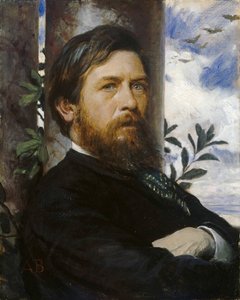
Arnold Böcklin
1827 - 1901 , Svizzera
Informazioni rapide
- Artisti Influenti: ['Anselm Feuerbach']
- Artisti Influenzati: ['Hans Thoma']
- Data Di Nascita: 16 ottobre 1827
- Luogo Di Nascita: Basilea, Svizzera
- Movimento Artistico: Simbolismo
- Nazionalità: Svizzero
- Nome Completo: Arnold Böcklin
- Opere Notevoli:
- Isola della Morte
- La Guerra
- Ninf e satiro
Articoli correlati

Theatricality & Triumph: Baroque Drama in Painting & Sculpture
Explore the dramatic world of Baroque art! Discover its history, defining characteristics, & lasting influence on painting & sculpture. Expert insights into Caravaggio, Zurbarán, and Bernini – plus high-quality reproductions at OriginalUniqueArt.

The Enduring Form: Exploring Themes & Techniques in Sculpture Across Historical Periods
Explore the rich history of sculpture from ancient masterpieces to contemporary innovations. Discover key techniques, influential artists & investment potential for discerning art collectors.

I 10 Capolavori Bronzei che Hanno Rivoluzionato la Storia dell'Arte | OriginalUniqueArt
Esplora i 10 capolavori bronzei che hanno segnato la storia dell'arte! Da Rodin a Michelangelo, scopri le storie e le tecniche dietro queste sculture iconiche. Trova riproduzioni d'arte di alta qualità per decorare la tua casa con OriginalUniqueArt.com.

The Enduring Form: Sculpture Across History, Technique & Emotional Resonance
Explore the rich history of sculpture with OriginalUniqueArt. Discover key techniques, influential artists & investment potential for discerning collectors. Expert insights into valuing and collecting timeless masterpieces.

I 10 Capolavori in Bronzo che Hanno Rivoluzionato la Storia dell'Arte | OriginalUniqueArt
Esplora i 10 capolavori in bronzo che hanno segnato la storia dell'arte! Da Michelangelo a Rodin, scopri le storie e le tecniche dietro queste statue iconiche. Trova riproduzioni artistiche di alta qualità per decorare casa tua con OriginalUniqueArt.com.


