

 Anteprima in scala reale
 Condividi
 Condividi
 Dettagli
 Guida stampabile

 Scarica
 Articoli simili
 Radiografia
 Slideshow
 Statistiche
Centauro che osserva i pesci
 Olio su tela
- Opere da parete
- Simbolismo
 1878
1878- XIX secolo
 43.0 x 70.0 cm
 Kunsthaus Zürich
 Leggi tutto
Giclée / Stampe d'arte
Stampa giclée o su tela di qualità museale, con produzione rapida e diverse opzioni di finitura. ( Ordina la riproduzione dipinta a mano Passa all'immagine digitale)




P118B €10

P118H €10

P118W €10

P438Z €10

P508JH €12

P508YH €12

P805H €10

P805Z €10

P919BZ €10

P919G €10

P919XJ €10

P959ZH €10

P968JZ €12

W106C €8

W218G €10

W218JH €8

W218Y €10

W307PJ €10

W316G €10

W316PJ €8

W316Y €10

W398PJ €8

W4111J €10

W500HY €15

W500JH €15

W692G €12

W849H €8

W940BG €15

W953PJ €8




Scegli tra le nostre dimensioni predefinite, che rispettano le proporzioni originali dell'opera d'arte.

Inserisci la larghezza e l'altezza desiderate, per adattarle alla tua cornice o alla tua parete. Una stampa può essere solo ritagliata, mai resa più grande dell'immagine originale; pertanto, un formato con una forma differente comporterà la perdita di una parte dell'opera. Ti invieremo un mockup digitale da approvare prima di procedere con la stampa. L'immagine mostrata in questa pagina non rappresenta il ritaglio reale — solo il mockup lo mostra.
Consegna in tutto il mondo () in 2 settimane invece delle normali 4/5 settimane. (21 Ottobre)

Spedizione espressa gratuita in tutto il mondo

Tela in lino di alta qualità

Assicurazione completa sulla spedizione

Garanzia di rimborso dei dazi doganali

Garanzia di perfetta fedeltà cromatica

Politica di reso entro 100 giorni (solo per difetti di fabbricazione)

Garanzia di rimborso al 100%

Sconto per acquisti multipli
 L'opzione vetro è disponibile solo per dimensioni inferiori a 110 cm

Centauro che osserva i pesci
Giclée / Stampe d'arte
Dimensioni della riproduzione
-


Prezzo totale
€ 70
A Silent Meditation on Nature and Mortality
In the quietude of Arnold Böcklin’s 1878 masterpiece, “Centaur Watching Fish,” the viewer is invited into a realm where the boundaries between the mythological and the terrestrial dissolve. This evocative oil on canvas, currently held in the prestigious Kunsthaus Zürich, serves as a profound gateway into the Symbolist movement—a period of art history dedicated to exploring the hidden psychological depths of the human soul. Rather than presenting a mere scene from ancient legend, Böcklin crafts an immersive experience that speaks to the universal themes of solitude and the silent, rhythmic pulse of the natural world. The centaur, a creature of dual nature, reclines upon a serene shoreline, his gaze fixed upon the movement beneath the water's surface, creating a moment of suspended animation that feels both eternal and fleeting.
The composition is masterfully orchestrated to evoke a sense of Romantic reverie. Utilizing a horizontal format, Böcklin emphasizes the reclining posture of the centaur, grounding the mythological figure within a landscape of soft sands and swaying grasses. The artist deliberately eschews the rigid precision of strict realism in favor of an emotional truth. Through the use of diffused lighting and gentle shadows, he establishes an atmosphere of melancholic stillness. This technique allows the viewer to feel the weight of the silence, as if the very air around the creature is heavy with contemplation. It is a painting that does not demand attention through spectacle, but rather earns it through a subtle, haunting intimacy.
The Mastery of Texture and Atmosphere
Technically, “Centaur Watching Fish” is a triumph of texture and perspective. Böcklin employs the impasto technique with remarkable skill, applying thick, deliberate layers of paint to render the coarse fur of the centaur’s equine half. This tactile richness provides a palpable sense of physicality, making the creature feel present and breathing within the frame. To balance this heavy texture, the artist utilizes atmospheric perspective to create an illusion of infinite depth. By reducing color saturation and softening the details of the distant horizon, he simulates a hazy, dreamlike distance that reinforces the theme of isolation. This method draws a direct lineage from the Romantic masters like Caspar David Friedrich, using the landscape as a mirror for spiritual introspection.
The color palette is a sophisticated arrangement of earthy tones—ochres, deep browns, and muted beiges—which lends the work an organic, timeless quality. These warm, grounded hues are contrasted by the subtle, shimmering light reflecting off the water, drawing the eye toward the focal point of the centaur’s quiet observation. For the collector or interior designer, this piece offers a unique aesthetic versatility; its somber yet tranquil mood provides a sophisticated anchor for a room, offering a sense of historical depth and intellectual gravity that more contemporary works may lack.
Symbolism: The Intersection of Myth and Being
Beyond its visual splendor, the painting functions as a complex symbolic tapestry. The centaur itself—a hybrid of human intellect and animal instinct—serves as a powerful metaphor for the duality of existence. As he watches the fish, there is a profound sense of the relationship between humanity and the untamed elements of nature. The act of watching becomes a meditation on mortality; the stillness of the figure suggests a resignation to the cycles of life and death that govern both man and beast. There is a touch of sadness in his solitude, yet it is a beautiful, dignified melancholy that celebrates the quiet dignity of existence.
For those seeking to bring a piece of this profound emotional landscape into their personal spaces, a high-quality reproduction of this work offers more than just decoration. It provides a window into a bygone era of artistic exploration, a constant reminder of the beauty found in silence and the enduring power of myth. Whether placed in a library, a study, or a curated gallery space, “Centaur Watching Fish” continues to provoke thought, inviting all who encounter it to pause, breathe, and reflect upon the silent wonders of the world.
Domande e risposte
Che atmosfera trasmette "Centauro che osserva i pesci"?
"Centauro che osserva i pesci" di Arnold Böcklin è descritto come Sognante e intimo per atmosfera. Questa classificazione può aiutare a abbinare l'opera a un ambiente.
Posso vedere "Centauro che osserva i pesci" di Arnold Böcklin sulla mia parete prima dell'acquisto?
Puoi visualizzare "Centauro che osserva i pesci" di Arnold Böcklin sulla tua parete grazie alla pagina Anteprima AR dell'opera, utilizzando la realtà aumentata su un dispositivo compatibile.
L'opera "Centauro che osserva i pesci" è complessivamente più luminosa o più scura?
La luminosità di "Centauro che osserva i pesci" di Arnold Böcklin è registrata come equilibrata, con una luminanza di Ombra morbida.
Biografia dell'artista
Primi anni e formazione
Arnold Böcklin, pittore simbolista svizzero, nacque il 16 ottobre 1827 a Basilea, in Svizzera. Suo padre, Christian Frederick Böcklin, discendeva da una vecchia famiglia di Schaffhausen e si dedicava al commercio della seta. La madre, Ursula Lippe, era originaria della stessa città. Studiò all'Accademia di Düsseldorf sotto Schirmer, diventando amico di Anselm Feuerbach. Böcklin è associato alla scuola di pittura di Düsseldorf.Carriera artistica e simbolismo
Il percorso artistico di Böcklin lo portò in diverse città, tra cui Parigi, dove lavorò al Louvre, e Roma, dove fu influenzato dai suoi panorami. La sua opera spesso presentava figure allegoriche e mitologiche in contesti che coinvolgevano architetture classiche, esplorando temi della morte e della mortalità.- Great Park, uno dei suoi primi lavori, presentava l'antica mitologia.
- Ninfa e satiro (1858) e Sappho (1859) furono opere notevoli di questo periodo.
- Il suo ritratto di sé stesso, con la morte che suona il violino (1872), esemplificava il suo stile unico.
Evoluzione artistica e opere principali
Böcklin si distinse per la sua capacità di creare atmosfere evocative e misteriose, spesso ispirate alla mitologia classica, al romanticismo tedesco e ai paesaggi onirici. Le sue opere più celebri includono:- Isola dei morti (serie di cinque versioni, 1880-1886): Quest'opera iconica rappresenta un viaggio verso l'aldilà, con una barca che trasporta un passegger solitario verso un'isola avvolta nella nebbia. L'immagine evoca il cimitero inglese a Firenze, dove era sepolta sua figlia.
- La guerra: Un drammatico capolavoro simbolista che rappresenta la guerra e la morte.
Influenza e eredità
Böcklin ebbe una profonda influenza su artisti successivi, come Hans Thoma, e ispirò numerosi compositori romantici tardivi. La sua opera è stata interpretata come un'espressione della crisi spirituale del XIX secolo e della crescente consapevolezza della mortalità umana. Clement Greenberg descrisse il suo lavoro come "una delle espressioni più consummate del suo tempo". Il suo stile si sovrappose ai preraffaelliti, enfatizzando il mondo dei sogni e del misticismo.Collezioni museali
Le opere di Böcklin possono essere ammirate in importanti musei:- Öffentliche Kunstsammlung (Basilea, Svizzera)
- Kunstmuseum Basel (Svizzera)
- Museum Kunsthaus Zürich (Zurigo, Svizzera)
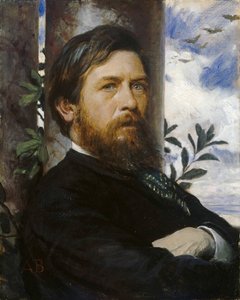
Arnold Böcklin
1827 - 1901 , Svizzera
Informazioni rapide
- Artisti Influenti: ['Anselm Feuerbach']
- Artisti Influenzati: ['Hans Thoma']
- Data Di Nascita: 16 ottobre 1827
- Luogo Di Nascita: Basilea, Svizzera
- Movimento Artistico: Simbolismo
- Nazionalità: Svizzero
- Nome Completo: Arnold Böcklin
- Opere Notevoli:
- Isola della Morte
- La Guerra
- Ninf e satiro
Articoli correlati

I 10 Capolavori del Realismo Romantico che hanno Incantato la Storia dell'Arte
Esplora l'emozione del Realismo Romantico attraverso 10 capolavori senza tempo. Scopri la storia di maestri come Constable e Friedrich e lasciati ispirare da opere iconiche per il tuo arredamento. Trova riproduzioni d'arte di qualità museale su OriginalUniqueArt.com.

The Enduring Power of Painting: A Historical & Contemporary Exploration of Form and Emotion
Explore the rich history & enduring techniques of oil painting with OriginalUniqueArt. Discover masterpieces, learn about art collecting, and find authentic handmade reproductions crafted by skilled artists.

The Enduring Legacy of Oil on Canvas: Technique, History & Aesthetic Impact
Explore the rich history & techniques of oil painting – from Renaissance masters to Impressionism. Discover pigments, layering methods, and why this timeless medium endures. Expert insights for artists & art enthusiasts.

Oil on Canvas: A Historical & Technical Exploration of a Timeless Artistic Medium
Explore the rich history & enduring techniques of oil painting on canvas. Discover the science behind its longevity, conservation practices, and contemporary relevance. Expert insights for art enthusiasts.

L'Eredità Duratura della Pittura a Olio: Tecnica, Storia e Pratica Contemporanea
Esplora la storia affascinante e le tecniche della pittura a olio. Scopri come i maestri hanno creato capolavori senza tempo e come questa arte vive oggi. : riproduzioni di alta qualità e consulenza esperta.


