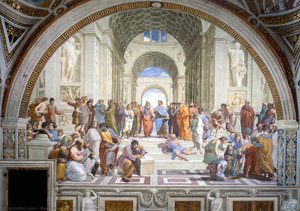
Anteprima in scala reale
 Condividi
 Condividi
 Dettagli
 Guida stampabile

 Scarica
 Articoli simili
 Radiografia
 Slideshow
 Statistiche
Descent from the Cross
 Oil On Canvas
- WallArt
- Neoclassical Revival
 Early Modern
 366.0 x 183.0 cm
 St John's College
 Leggi tutto
Giclée / Stampe d'arte
Stampa giclée o su tela di qualità museale, con produzione rapida e diverse opzioni di finitura. ( Ordina la riproduzione dipinta a mano Passa all'immagine digitale)




P118B €10

P118H €10

P118W €10

P438Z €10

P508JH €12

P508YH €12

P805H €10

P805Z €10

P919BZ €10

P919G €10

P919XJ €10

P959ZH €10

P968JZ €12

W106C €8

W218G €10

W218JH €8

W218Y €10

W307PJ €10

W316G €10

W316PJ €8

W316Y €10

W398PJ €8

W4111J €10

W500HY €15

W500JH €15

W692G €12

W849H €8

W940BG €15

W953PJ €8




Scegli tra le nostre dimensioni predefinite, che rispettano le proporzioni originali dell'opera d'arte.

Inserisci la larghezza e l'altezza desiderate, per adattarle alla tua cornice o alla tua parete. Una stampa può essere solo ritagliata, mai resa più grande dell'immagine originale; pertanto, un formato con una forma differente comporterà la perdita di una parte dell'opera. Ti invieremo un mockup digitale da approvare prima di procedere con la stampa. L'immagine mostrata in questa pagina non rappresenta il ritaglio reale — solo il mockup lo mostra.
Consegna in tutto il mondo () in 2 settimane invece delle normali 4/5 settimane. (15 Ottobre)

Spedizione espressa gratuita in tutto il mondo

Tela in lino di alta qualità

Assicurazione completa sulla spedizione

Garanzia di rimborso dei dazi doganali

Garanzia di perfetta fedeltà cromatica

Politica di reso entro 100 giorni (solo per difetti di fabbricazione)

Garanzia di rimborso al 100%

Sconto per acquisti multipli
 L'opzione vetro è disponibile solo per dimensioni inferiori a 110 cm

Descent from the Cross
Giclée / Stampe d'arte
Dimensioni della riproduzione
-


Prezzo totale
€ 70
A Monumental Vision of Faith
In the quiet, hallowed halls of St John's College, Cambridge, hangs a masterpiece that commands both silence and profound contemplation. Anton Raphael Mengs’s "Descent from the Cross" is not merely a depiction of a biblical event; it is a monumental vision of faith captured in oil on canvas. Executed around 1760, this expansive work—measuring an imposing 366 x 183 cm—serves as a bridge between the spiritual intensity of the past and the emerging intellectual clarity of the Enlightenment. The scene captures the heavy, somber moment when the body of Christ is lowered from the cross, surrounded by a group of mourners whose faces reflect a spectrum of human grief, reverence, and devotion.
The composition is masterfully orchestrated to draw the eye toward the central, cruciform arrangement of Christ’s limp form. As the light catches the pale, sculptural anatomy of the Savior, the viewer is struck by the physical weight of the moment. The figures surrounding him—some draped in religious vestments, others clutching sacred texts—create a rhythmic movement that guides the gaze through the crowded, emotional landscape. There is a palpable sense of stillness amidst the sorrow, an atmosphere where the divine meets the earthly in a singular, breathless instant of transition.
The Dawn of Neoclassical Elegance
To understand this work is to understand the pivotal shift in European aesthetics during the mid-18th century. Mengs, a titan of the Neoclassical movement, consciously sought to move away from the dizzying, ornate excesses of the Rococo style. Influenced by the rigorous theories of Johann Joachim Winckelmann, Mengs embraced a philosophy of restraint, clarity, and balanced proportions. In "Descent from the Cross," this is evident in the way he avoids unnecessary flourish, opting instead for a structured composition that mirrors the stability and moral fortitude prized during the Enlightenment.
His technique is nothing short of extraordinary. Utilizing meticulous oil glazing, Mengs achieved a luminous quality that breathes life into the skin tones and fabric of his subjects. Every brushstroke is disciplined, contributing to a sense of hyper-realistic precision that elevates the figures from mere characters to idealized icons of virtue. This technical mastery allows for subtle tonal variations that create depth and volume, making the monumental canvas feel as though it possesses its own internal light, casting a soft, spiritual glow over the entire assembly.
A Timeless Legacy for the Discerning Collector
For the art lover or the interior designer, a reproduction of this magnitude offers more than just decoration; it offers a focal point of historical and emotional gravity. The painting’s symbolism—the intersection of human suffering and divine sacrifice—resonates across centuries, making it an ideal centerpiece for spaces designed for reflection, study, or grand architectural statements. Whether placed in a private library, a formal gallery, or a sophisticated living space, the work brings with it the prestige of the Cambridge collection and the intellectual weight of the Neoclassical era.
Owning a high-quality hand-painted reproduction of Mengs’s masterpiece allows one to invite this profound sense of history into the modern home. It is an opportunity to surround oneself with the beauty of classical ideals—balance, harmony, and truth—and to celebrate a period of art history where the brush was used to capture the very essence of the human soul.
Domande e risposte
Quale tonalità di fondo attraversa "Descent from the Cross" di Anton Raphael Mengs?
Una tonalità Golden Yellow Range attraversa l'opera "Descent from the Cross" di Anton Raphael Mengs.
Che orientamento ha "Descent from the Cross" di Anton Raphael Mengs?
"Descent from the Cross" di Anton Raphael Mengs ha un formato Portrait. Il formato descrive le proporzioni della composizione.
Quale dimensione di stampa si consiglia per "Descent from the Cross" di Anton Raphael Mengs?
Per "Descent from the Cross", si consiglia un formato di stampa Large. Sono disponibili altri formati con le stesse proporzioni.
Biografia dell'artista
Anton Raphael Mengs: Un Pioniere della Pittura Neoclassica
- Nato: 22 marzo 1728, Ústí nad Labem (Aussig), Boemia (ora Repubblica Ceca)
- Morto: 29 giugno 1779, Roma, Italia
Anton Raphael Mengs è stato un pittore tedesco-boemo che ha influenzato significativamente la transizione dalla pittura rococò alla neoclassica. Attivo principalmente a Roma, Madrid e Sassonia, la sua opera incarna una miscela di grandiosità barocca con ideali classici emergenti, stabilendolo come una figura cruciale nell'arte del XVIII secolo.
Primi Anni e Formazione: L’Ombra di Ismael Mengs
Il percorso artistico di Mengs iniziò sotto la guida di suo padre, Ismael Mengs, un pittore danese che si era stabilito a Dresda. Ismael riconobbe presto il talento di suo figlio e lo portò a Roma nel 1741. Questa esperienza formativa coinvolse la copia di opere di Raffaello per l'elettore di Sassonia, plasmando profondamente le sensibilità estetiche di Anton Raphael. L’esposizione alla maestria di Raffaello gli instillò una profonda apprezzamento per la forma e la composizione classica, che sarebbero diventate tratti distintivi del suo stile.
Carriera Artistica: Affreschi, Ritratti e Ideali Classici
La carriera di Mengs fiorì presso diverse corti europee. Nel 1749, fu nominato primo pittore di Federico Augusto, elettore di Sassonia, una posizione che gli offrì un notevole patrocinio pur consentendogli di mantenere la sua base romana. La sua opera più celebrata è probabilmente il dipinto a fresco del Parnaso presso Villa Albani a Roma, che ottenne ampi consensi e consolidò la sua reputazione di artista leader. Altre commissioni significative includono un superbo affresco sulla cupola della Chiesa di Sant'Eusebio a Roma, dimostrando la sua abilità nella decorazione monumentale, e il soffitto del salone da banchetto del Palazzo Reale di Madrid, considerato uno dei suoi risultati più importanti.
- Opere Notabili: Parnassus (Villa Albani), affreschi a Sant’Eusebio, soffitto del Salone da Banchetto (Palazzo Reale, Madrid), Johann Joachim Winckelmann (1717–1768)
Sebbene influenzato dalla tradizione romana barocca, Mengs abbracciò sempre più gli ideali dell'antichità classica. Questa svolta fu significativamente alimentata dalla sua stretta collaborazione con Johann Joachim Winckelmann, un importante storico dell'arte e teorico che promosse la rinascita dell'estetica greco-romana. Insieme, sostennero un ritorno alla semplicità, alla chiarezza e alle forme idealizzate nell'arte, ponendo le basi per il movimento neoclassico.
Aspetti Chiave & Rivalità
- Conversione e Ruolo Vaticano: Mengs si convertì al cattolicesimo nel 1754 e successivamente divenne direttore della Scuola di Pittura del Vaticano, consolidando ulteriormente la sua posizione all'interno dell'élite artistica.
- La Scuola di Atene: Dipinse "La Scuola di Atene" per il Duca di Northumberland (ora al Victoria and Albert Museum), un’opera significativa che dimostra la sua padronanza dei temi e della composizione classici.
- Collaborazione Winckelmann: La sua partnership con Winckelmann fu determinante nel plasmare i principi artistici neoclassici.
- Rivalità & Amicizia: Mengs sperimentò sia rivalità (in particolare con Pompeo Batoni) che amicizia (con Giacomo Casanova), riflettendo le complesse dinamiche della scena artistica romana durante il suo tempo.
Eredità e Significato Storico
Anton Raphael Mengs morì a Roma nel 1779, lasciando dietro di sé un notevole corpus di opere che colmò il divario tra gli stili barocco e neoclassico. La sua enfasi sugli ideali classici, combinata con la sua abilità tecnica, lo rese una figura fondamentale nello sviluppo del Neoclassicismo. È ricordato non solo per i suoi impressionanti affreschi e ritratti, ma anche per i suoi contributi intellettuali alla teoria dell'arte attraverso la sua collaborazione con Winckelmann. La sua influenza può essere vista nelle generazioni successive di artisti che abbracciarono la chiarezza, l'ordine e le forme idealizzate che caratterizzavano la pittura neoclassica.

Anton Raphael Mengs
1728 - 1779 , Repubblica Ceca
Informazioni rapide
- Artistic Movement Or Style: Neoclassicismo
- Artists Or Movements Influenced By This Artist: ['Pittura Neoclassica']
- Artists Who Influenced This Artist: ['Raffaello']
- Date Of Birth: 22 marzo 1728
- Date Of Death: 29 giugno 1779
- Full Name: Anton Raphael Mengs
- Nationality: Germano-boemo
- Notable Artworks:
- Parnassus (Villa Albani)
- Affreschi a Sant’Eusebio
- Soppitto del Palazzo Reale
- La Scuola di Atene
- Place Of Birth (City And Country): Ústí nad Labem, Repubblica Ceca
Articoli correlati
The Timeless Elegance of Academic Classicism: A Journey Through Order, Precision, and the Pursuit of Perfection
Explore the profound beauty of Academic Classicism. Discover how masters used order, precision, and classical ideals to achieve timeless perfection in art history, from Neoclassical portraits to the pursuit of ideal beauty.

The Enduring Legacy of Oil on Canvas: Technique, History & Aesthetic Impact
Explore the rich history & techniques of oil painting – from Renaissance masters to Impressionism. Discover pigments, layering methods, and why this timeless medium endures. Expert insights for artists & art enthusiasts.

Neoclassical Art: The Timeless Elegance of Order, Virtue, and Classical Grace
Explore the profound elegance of Neoclassical art. Discover the principles of order, symmetry, and virtue through the works of masters like David and Mengs. Immerse yourself in a journey of classical grace and timeless aesthetic perfection.
Timeless Elegance: The Ultimate Buyer's Guide to Choosing Classical Portraits for Sophisticated Interiors
Discover how to select the perfect classical portrait for your home. Our expert guide explores matching art styles to interiors, choosing between hand-painted oils and Giclée prints, and transforming personal photos into timeless masterpieces with professional artistry.

Oil on Canvas: A Historical & Technical Exploration of a Timeless Artistic Medium
Explore the rich history & enduring techniques of oil painting on canvas. Discover the science behind its longevity, conservation practices, and contemporary relevance. Expert insights for art enthusiasts.