

 Anteprima in scala reale
 Invia
Invia Condividi
 Dettagli opera
 Guida
Guida

 Scarica
 Simili
 Radiografia
 Slideshow
 Statistiche
The Theorbo Player
 Oil On Canvas
- WallArt
- Baroque
 1615
1615- Early Modern
 119.0 x 85.0 cm
 Galleria Sabauda
 Espandi i dettagli
Riproduzione a olio fatta a mano
Olio su tela dipinto a mano nelle tue dimensioni e con la tua cornice, realizzato su ordinazione dai nostri artisti. ( Passa alle stampe Passa all'immagine digitale)




P118B €10

P118H €10

P118W €10

P438Z €10

P508JH €12

P508YH €12

P805H €10

P805Z €10

P919BZ €10

P919G €10

P919XJ €10

P959ZH €10

P968JZ €12

W106C €8

W218G €10

W218JH €8

W218Y €10

W307PJ €10

W316G €10

W316PJ €8

W316Y €10

W398PJ €8

W4111J €10

W500HY €15

W500JH €15

W692G €12

W849H €8

W940BG €15

W953PJ €8




Scegli tra le nostre dimensioni predefinite, che rispettano le proporzioni originali dell'opera d'arte.

Inserisci la larghezza e l'altezza desiderate, per adattarle alla tua cornice o alla tua parete. Trattandosi di un'opera dipinta a mano, in caso di dimensioni con un formato differente, l'artista può estendere leggermente il dipinto oltre i bordi dell'immagine o ritagliare una piccola parte — la scelta spetta a te. Ti invieremo un mockup digitale da approvare prima che la realizzazione abbia inizio. L'immagine mostrata in questa pagina non rappresenta il risultato finale — solo il mockup lo fa.
Dopo l'ordine, il team di OriginalUniqueArt.com contatterà il cliente via e-mail per ricevere le istruzioni e fornirà un'anteprima del mockup
Consegna in tutto il mondo () in 3/4 settimane anziché nelle normali 5 settimane. (27 Ottobre). Nessun compromesso sulla qualità.

Spedizione espressa gratuita in tutto il mondo

Tela in lino di alta qualità

Assicurazione completa sulla spedizione

Garanzia di rimborso dei dazi doganali

Garanzia di fedeltà cromatica assoluta

Politica di reso entro 100 giorni (solo per difetti di fabbricazione)

Garanzia di rimborso al 100%

Offerta per acquisti multipli
 L'opzione vetro è disponibile solo per dimensioni inferiori a 110 cm

The Theorbo Player
Tecnica di riproduzione
Dimensioni riproduzione
-


Prezzo finale calcolato
€ 264
The Resonance of Skill: An Encounter with The Theorbo Player
To gaze upon this portrait is to step directly into the vibrant, intellectual atmosphere of early seventeenth-century Italy. Antiveduto Gramatica’s depiction of The Theorbo Player is far more than a mere likeness; it is a carefully constructed tableau vivant, capturing not just a man, but an entire cultural moment—the confluence of artistry, scholarship, and refined leisure during the Baroque dawn. The subject commands attention with his posture and the magnificent instrument cradled in his hands. His attire, featuring that distinctive ruffled collar, whispers tales of period formality, suggesting a gentleman whose life was interwoven with the pleasures and prestige of music.
A Study in Composition and Symbolism
Gramatica’s genius lies in how he balances the central figure against the surrounding scholarly accoutrements. Notice the placement of the objects: to the left, two volumes rest upon a surface, suggesting deep learning; near the bottom right, another book anchors the composition, while a simple bowl occupies the lower left quadrant. These elements are not arbitrary additions. They function as visual signifiers, elevating the musician from mere entertainer to an educated *artista*. The Theorbo itself—a complex and resonant instrument—becomes the focal point of this intellectual portraiture. It speaks to a time when musical mastery was considered a profound form of human accomplishment, worthy of permanent commemoration alongside classical literature.
Technique and Historical Context
Painted around 1615, this work emerges from the rich, transitional period leading into full Baroque splendor. While Gramatica’s biography notes his foundational training in engraving, the resulting painting exhibits a mastery of portraiture that grounds it firmly within the era's aesthetic currents. The handling of light across the man’s suit and the polished wood of the instrument suggests a skilled application of oil paint, allowing for subtle gradations of shadow and highlight. It is a testament to an artist navigating the burgeoning styles of Rome and Siena, creating a piece that feels both historically authentic and intimately personal.
Bringing Baroque Elegance Home
For the discerning collector or designer seeking to infuse a space with the gravitas and romance of history, this reproduction offers unparalleled depth. Imagine this scene rendered in your drawing-room: the quiet dignity of the musician contrasted against the implied energy of his art form. Owning a piece like this is acquiring a narrative—a tangible connection to the patronage systems and cultural values of the early 17th century. It serves not only as decoration but as a sophisticated conversation starter, inviting viewers to contemplate the enduring power of art and intellect.
Domande e risposte
Chi ha creato "The Theorbo Player" e in quale anno?
"The Theorbo Player" è stata creata da Antiveduto Gramatica nel 1615.
Qual è la tecnica utilizzata per "The Theorbo Player" e quali sono le sue dimensioni?
"The Theorbo Player" è stata realizzata in Oil On Canvas e misura 119 x 85 cm nella sua forma originale.
L'opera "The Theorbo Player" è complessivamente più luminosa o più scura?
"The Theorbo Player" presenta una luminosità complessiva di deep_shadow e una luminanza pari a Soft Shadow.
Biografia dell'artista
Antiveduto Gramatica: Una Voce Silenziosa nel Fulgore Barocco
Antiveduto Gramatica (1571-1626) si staglia come una figura affascinante del nascente Barocco italiano, un artista la cui produzione, sebbene relativamente modesta rispetto ai contemporanei come Caravaggio o Bernini, possiede un'estetica distintiva e un profondo legazione con le correnti intellettuali del suo tempo. Nato a Siena—sebbene i dettagli precisi sulla sua nascita rimangano elusivi—la giovinezza di Gramatica fu plasmata dalle aspirazioni familiari verso la rinomanza artistica, preannunciando una carriera dedicata alla maestria della pittura. Il suo apprendistato con Giovanni Domenico Angelini a Perugia gli fornì un'inestimabile esperienza fondamentale, concentrata principalmente sulla produzione di piccole incisioni su rame, una tecnica che avrebbe influenzato le sue scelte stilistiche successive e dimostrato una comprensola comunicazione visiva che andava oltre la mera decorazione affrescata.
Gramatica si affermò rapidamente come artista indipendente a Roma intorno al 1591, approfittando del fiorente ambiente artistico favorito dal patronato papale. Ottenne fama per la sua abilità nel ritrarre uomini illustri, guadagnandosi il soprannome “gran capadamente,” in riferimento alla sua specializzazione nella resa dei volti. Questa maestria nella ritrattistica gli permise di navigare nelle complesse gerarchie sociali romane, catturando non solo la somiglianza fisica, ma l'essenza stessa dell'élite dell'epoca. Il suo legame con l'Accademia di San Luca si rivelò cruciale, consolidando i suoi rapporti con il Cardinale Francesco Maria del Monte, una figura la cui influenza si estendeva ben oltre i circoli artistici e che sosteneva gli ideali umanistici nel turbolento panorama politico di Roma. L'elezione di Gramatica a “principe” dell'accademia nel 1624 rifletteva questo legame e sottolineava l'importanza delle ricerche erudite accanto alla creazione artistica.
L'Arte del Dettaglio e della Devozione
Lo stile artistico di Gramatica è caratterizzato da un'attenzione meticolosa al dettaglio e da un'eleganza misurata che lo distingue dalle espressioni più sfarzose dell'arte barocca. A differenza di molti artisti della sua epoca che abbracciavano il drammatico chiaroscuro per creare tensione teatrale, Gramatica impiegava spesso una luce più controllata, permettendo una chiarezza che esalta le trame dei tessuti, il calore della pelle e la profonda emozione dei suoi soggetti. Ciò si coglie forse con maggiore commozione in opere come Maria Maddalena al Sepolcro, dove l'artista cattura un momento struggente di dolore e fede, utilizzando ricchi dettagli per radicare una scena storica sacra in una realtà umana e palpabile.
Il suo repertorio si estendeva magnificamente dall'iconografia religiosa alla ritrattistica profana e agli studi allegorici. Nelle sue rappresentazioni della musicalità, come ne Il suonatore di tiorba, si può osservare la ricca trama barocca e l'intimo legame tra il musicista e il suo strumento. Inoltre, la sua capacità di intrecciare simbolismo intellettuale nella sua opera è evidente in pezzi come La Musa Urania, dove una donna con uno specchio riflette lo spirito introspettivo e dotto dell'epoca. Attraverso questi soggetti così vari, Gramatica dimostrò una mano versatile, capace di spaziare dal sacro al cerebrale.
Eredità e Significato Storico
Il significato storico di Antiveduto Gramatica risiede nel suo ruolo di ponte tra le tradizioni del tardo Rinascimento e la nascente sensibilità barocca. Sebbene non abbia cercato di sovvertire l'ordine costituito con un naturalismo radicale, la sua tecnica raffinata e la capacità di infondere profondità psicologica nei ritratti hanno contribuito significativamente all'evoluzione della scuola romana. La sua vita e la sua opera fungono da testimonianza dell'importanza dell'Accademia di San Luca nel promuovere un ambiente in cui arte e intelletto potessero coesistere.
Riflettere sui contributi di Gramatica significa apprezzare le sottili sfumature del Barocco italiano:
- Precisione Tecnica: Il suo background nell'incisione ha conferito una chiarezza unica e finemente delineata ai suoi dipinti a olio.
- Profondità Intellettuale: Il suo legame con patroni umanisti come il Cardinale Del Monte ha infuso la sua opera di strati di significato simbolico.
- Maestria nella Ritrattistica: Egli rimane una figura vitale per lo studio dell'evoluzione degli studi psicologici e della rappresentazione dello status sociale nella Roma del XVII secolo.

Antiveduto Gramatica
1571 - 1626 , Italia
Dettagli rapidi
- Artistic Movement Or Style: Proto-Baroque
- Artists Who Influenced This Artist: ['Giovanni Domenico Angelini']
- Date Of Birth: 1571 Siena Italy
- Date Of Death: 1626
- Full Name: Antiveduto Gramatica
- Nationality: Italian
- Notable Artworks:
- St. Cecília and two musician angels
- Mary Magdalene at the Tomb
- Virgin and Child with Saint Anne
- Place Of Birth: Siena Italy
Articoli correlati

I 10 Capolavori Barocchi che Hanno Definito un'Epoca | Arte e Decorazioni di Lusso
Esplora i 10 capolavori barocchi di Caravaggio, Bernini e Rembrandt che hanno rivoluzionato l'arte. Scopri storie, tecniche e colori iconici. Trova riproduzioni d'arte di alta qualità per la tua casa su !

Baroque Classicism: The Grandeur of Order and Drama in 17th-Century Art History
Explore the profound elegance of Baroque Classicism. Discover how 17th-century masters synthesized dramatic emotion with classical order through the lens of the Counter-Reformation and the works of legends like Carlo Maratta and Andrea Sacchi.

Baroque Classicism: Reconciling Drama & Order in 17th-Century Art
Explore the captivating world of Baroque Classicism! Discover its history, key artists like Caravaggio & Rubens, and defining characteristics. Expert insights & high-quality reproductions at OriginalUniqueArt.

Segreti del Barocco: Luce, Dramma ed Emozione nell'Arte del XVII Secolo
Scopri i segreti del Barocco tra luce e dramma con un'analisi esperta di Caravaggio e Barocci. Immergiti nella storia dell'arte ora.
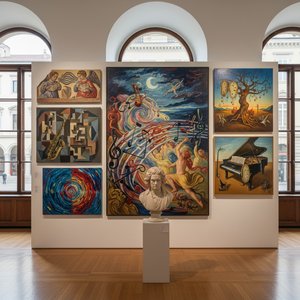
Harmonies on Canvas: Exploring the Visual Representation of Music in Art History
Explore the fascinating history of music's visual representation in art! From ancient symbolism to modern abstraction, discover how artists have captured sound and emotion on canvas. Expert insights & stunning examples.