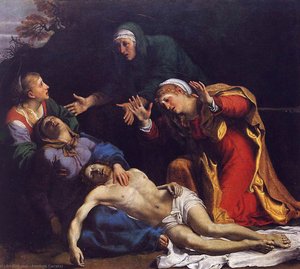
Anteprima in scala reale
 Condividi
 Condividi
 Dettagli
 Guida stampabile

 Scarica
 Articoli simili
 Radiografia
 Slideshow
 Statistiche
Pan
 Oil On Canvas
- WallArt
- Baroque
 1592
1592 109.0 x 135.0 cm
 National Gallery of Victoria
 Leggi tutto
Riproduzione a olio fatta a mano
Olio su tela dipinto a mano nelle tue dimensioni e con la tua cornice, realizzato su ordinazione dai nostri artisti. ( Passa alle stampe Passa all'immagine digitale)




P118B €10

P118H €10

P118W €10

P438Z €10

P508JH €12

P508YH €12

P805H €10

P805Z €10

P919BZ €10

P919G €10

P919XJ €10

P959ZH €10

P968JZ €12

W106C €8

W218G €10

W218JH €8

W218Y €10

W307PJ €10

W316G €10

W316PJ €8

W316Y €10

W398PJ €8

W4111J €10

W500HY €15

W500JH €15

W692G €12

W849H €8

W940BG €15

W953PJ €8




Scegli tra le nostre dimensioni predefinite, che rispettano le proporzioni originali dell'opera d'arte.

Inserisci la larghezza e l'altezza di cui hai bisogno, per adattarle alla tua cornice o alla tua parete. Trattandosi di un'opera dipinta a mano, in caso di dimensioni con una forma differente, l'artista può dipingere un po' più oltre i bordi dell'immagine o ritagliare leggermente — la scelta spetta a te. Ti invieremo un mockup digitale da approvare prima che la pittura abbia inizio. L'immagine mostrata in questa pagina non rappresenta il risultato reale — solo il mockup lo fa.
Dopo l'ordine, il team di OriginalUniqueArt.com contatterà il cliente via e-mail per ricevere le istruzioni e fornirà un'anteprima del mockup
Consegna in tutto il mondo () in 3/4 settimane anziché nelle normali 5 settimane. (19 Ottobre). Nessun compromesso sulla qualità.

Spedizione espressa gratuita in tutto il mondo

Tela in lino di alta qualità

Assicurazione completa sulla spedizione

Garanzia di rimborso dei dazi doganali

Garanzia di perfetta fedeltà cromatica

Politica di reso entro 100 giorni (solo per difetti di fabbricazione)

Garanzia di rimborso al 100%

Sconto per acquisti multipli
 L'opzione vetro è disponibile solo per dimensioni inferiori a 110 cm

Pan
Tecnica di riproduzione
Dimensioni della riproduzione
-


Prezzo totale
€ 261
A Vision of Rustic Divinity: Annibale Carracci’s Pan
Annibale Carracci's "Pan," painted circa 1592, is not merely a depiction of the Greek god; it’s an embodiment of primal nature, a vibrant assertion of earthly delight rendered with breathtaking technical skill and imbued with the burgeoning spirit of the Bolognese school. This painting transcends simple portraiture, offering instead a glimpse into a world teeming with instinct, fertility, and the intoxicating allure of the wild. Commissioned by Cesare d'Este for his opulent Palazzo dei Diamanti in Ferrara – a palace itself reflecting the lavish tastes of the Renaissance court – “Pan” was intended to be part of a larger decorative scheme, a carefully orchestrated symphony of classical mythology designed to evoke grandeur and celebrate the power of the Este family.
Carracci’s genius lies in his masterful manipulation of perspective and color. The scene unfolds with a dramatic *di sotto in sù* foreshortening – a technique borrowed from earlier Renaissance masters but perfected by Carracci – that draws the viewer into the god's immediate presence. Pan, seated atop a ram or goat (the animal’s identity deliberately ambiguous), is presented not as an imposing deity, but as a youthful, almost mischievous figure. His pose is relaxed, his expression playful, and his limbs are rendered with a remarkable sense of naturalism that distinguishes this work from the more idealized depictions prevalent at the time. The rich palette – dominated by earthy reds, ochres, and greens – creates a tactile quality, inviting the viewer to almost feel the warmth of the Italian sun on Pan’s skin and the rough texture of his attire.
The Language of Symbolism
Pan, in Greek mythology, is the god of shepherds, flocks, wild animals, music, and revelry. He embodies the untamed spirit of nature, a force both alluring and potentially dangerous. Carracci’s portrayal captures this duality perfectly. The ram or goat beneath Pan isn't simply an animal; it represents fertility, abundance, and the cyclical rhythms of life and death – essential themes within the context of the Renaissance fascination with classical antiquity. The inclusion of the pipe, a traditional instrument associated with Pan, further reinforces his role as the patron of music and dance, suggesting a celebration of earthly pleasures.
Notably, the presence of the book or scroll in Pan’s hand hints at a deeper layer of meaning. While often depicted as a wild god, Pan was also associated with prophecy and knowledge – a connection that aligns with the intellectual climate of Renaissance Italy. The object could represent his ability to interpret the signs of nature, offering a glimpse into the mysteries of the world.
A Bridge Between Eras
“Pan” stands as a pivotal work in the transition from the High Renaissance to the Baroque period. Carracci’s embrace of naturalism and dramatic perspective – hallmarks of the Bolognese school – paved the way for the heightened emotional intensity and dynamic compositions that would characterize the Baroque style. His meticulous attention to detail, combined with his innovative use of *di sotto in sù* foreshortening, demonstrates a profound understanding of both classical principles and contemporary artistic trends. The painting’s placement within a larger decorative scheme further highlights its significance as a key element in the revival of classical art during the late 16th century.
A Timeless Appeal
More than four centuries after its creation, “Pan” continues to captivate viewers with its vibrant energy and evocative imagery. It’s a painting that speaks to our enduring fascination with nature, mythology, and the primal instincts that lie at the heart of human experience. Reproductions of this masterpiece offer an opportunity to bring this extraordinary vision into any setting, adding a touch of rustic divinity and timeless beauty to your home or office.
Domande e risposte
Qual è la forma di "Pan" di Annibale Carracci e quali sono le sue dimensioni?
"Pan" di Annibale Carracci è una composizione in Landscape che misura 109 x 135 cm nell'originale.
Quale colore risalta di più in "Pan"?
Il colore dominante di "Pan" di Annibale Carracci è Espresso (#655234).
In che modo "Pan" bilancia luci e ombre?
La luminosità di "Pan" di Annibale Carracci è registrata come deep_shadow, con una luminanza di Dark.
Biografia dell'artista
Gli Inizi e la Formazione
- Nascita: Bologna, Italia (3 novembre 1560)
- Morte: Roma, Italia (15 luglio 1609)
- Annibale Carracci nacque in una famiglia di artisti a Bologna. Ricevette probabilmente la sua formazione iniziale all'interno della bottega di famiglia.
- Nel 1582, insieme ai suoi fratelli Agostino e Ludovico, Annibale fondò un atelier pittorico a Bologna noto come l’Accademia dei Desiderosi (Accademia dei desiderosi di fama e sapere). Quest'accademia divenne successivamente l'Accademia degli Incamminati (Accademia dei progressivi), che enfatizzava il disegno dal vero e la discussione artistica.
Stile Artistico e Influenze
- Lo stile di Carracci era caratterizzato da un eclettismo, combinando il disegno lineare tipico degli artisti fiorentini come Raffaello e Andrea del Sarto con i colori vibranti e gli effetti atmosferici dei pittori veneziani, in particolare Tiziano.
- Mirava a ravvivare gli ideali dell'Alto Rinascimento, allontanandosi dalle complessità del Manierismo.
- Influenze chiave includevano:
- Raffaello: Per la sua chiarezza e l’equilibrio compositivo.
- Andrea del Sarto: Per il suo approccio naturalistico alle figure.
- Tiziano: Per le sue palette di colori ricche ed espressività della pennellata.
- Correggio: Per le sue composizioni dinamiche e gli effetti illusionistici, particolarmente evidenti nei freschi.
- La sintesi di Carracci di queste influenze contribuì a definire la Scuola Bolognese di pittura, un ramo significativo dell'arte barocca.
Opere Principali e Realizzazioni
- Trionfo di Bacco e Arianna (Palazzo Farnese, Roma): Questo ciclo di affreschi monumentale è considerato uno dei capolavori di Carracci. Dimostra la sua padronanza delle tecniche illusionistiche, della composizione dinamica e del colore vibrante. L'opera raffigura scene dal mito di Bacco, dio del vino, e celebra l’amore umano sotto la guida divina.
- Gli Amori degli Dei (Palazzo Farnese, Roma): Un altro significativo ciclo di affreschi a Palazzo Farnese, che esplora temi della mitologia e dell'amore con un mix di idealismo classico e osservazione naturalistica.
- Ritratto di Giovanni Gabrieli con il liuto: Un ritratto notevole che dimostra l’abilità di Carracci nel catturare il carattere individuale e creare un senso di immediatezza.
- La Sacra Famiglia con San Giovanni Battista bambino: Un esempio dei suoi dipinti religiosi, che mostra la sua capacità di combinare pietà e innovazione artistica.
Sviluppo e Significato Storico
- Le prime opere di Carracci a Bologna lo stabilirono come una figura guida nella rinascita degli ideali classici e del naturalismo.
- Il suo trasferimento a Roma e il lavoro a Palazzo Farnese segnarono un punto di svolta, consolidando la sua reputazione e influenzando generazioni di artisti.
- Svolse un ruolo cruciale nel passaggio dal Manierismo all'arte barocca, colmando il divario tra l’estetica del Rinascimento e lo stile dinamico che avrebbe dominato il XVII secolo.
- L'Accademia degli Incamminati, fondata da Carracci e dai suoi associati, servì da modello per le successive accademie d'arte in tutta Europa, promuovendo la formazione artistica basata sull’osservazione e sui principi classici.
- La sua enfasi sul naturalismo e l'espressione emotiva aprì la strada ad artisti come Caravaggio, che svilupparono ulteriormente queste qualità nel loro stile distintivo.
Eredità
- L’influenza di Annibale Carracci si estese ben oltre la sua vita. Il suo lavoro plasmò lo sviluppo della pittura barocca in tutta Europa.
- È ricordato come una figura fondamentale nella storia dell'arte, colmando il divario tra l'estetica rinascimentale e barocca.
- I suoi affreschi a Palazzo Farnese rimangono esempi iconici di illusionismo barocco e grandiosità artistica.
- La famiglia Carracci – Annibale, Agostino e Ludovico – collettivamente lasciò un segno indelebile nell'arte italiana, stabilendo Bologna come un importante centro per l’innovazione artistica.
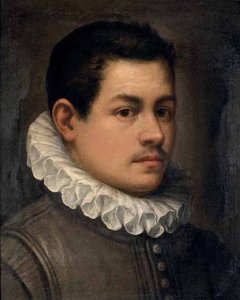
Annibale Carracci
1560 - 1609 , Italia
Informazioni rapide
- Artisti Influenti:
- Raffaello
- Andrea del Sarto
- Tiziano
- Artisti Influenzati:
- Cortona
- Lanfranco
- Andrea Pozzo
- Data Di Nascita: 3 novembre 1560
- Luogo Di Nascita: Bologna, Italia
- Movimento Artistico: Barocco, Scuola bolognese
- Nazionalità: Italiana
- Nome Completo: Annibale Carracci
- Opere Notevoli:
- Trionfo di Bacco e Arianna
- Gli amori degli dei
- Ritratto di Giovanni Gabrieli
Articoli correlati

Il Dramma Barocco: Portare Splendore ed Emozione negli Interni Contemporanei
Scopri come portare il dramma e lo splendore dell'arte barocca nei tuoi interni con . Riproduzioni di alta qualità, consulenza d'arte personalizzata e ispirazione per uno stile unico.

Italian Baroque Unlocked: High-Drama Art That Hits Hard
Dive into the high-drama world of Italian Baroque art. Discover how chiaroscuro, intense emotion, and theatrical lighting redefined aesthetics. Explore the visceral power of the Counter-Reformation through a modern lens with expert insights from OriginalUniqueArt.com.

Echoes of Olympus: Mythological Narratives in Western Art Through the Ages
Explore the captivating history of mythological narratives in Western art! From ancient Greece to modern masterpieces, discover iconic artworks & symbolism. Expert analysis and high-quality reproductions at OriginalUniqueArt.

The Visceral Stage: Exploring Dramatic Narratives & Emotional Intensity in Baroque Art
Explore the dramatic world of Baroque art! Discover iconic masters like Caravaggio & Rembrandt, their techniques, and the movement's lasting impact. Expert insights for collectors & enthusiasts at OriginalUniqueArt.
Annibale Carracci: Un Ponte tra Rinascimento e Barocco nell'Arte Bolognese
Esplora la vita e le opere di Annibale Carracci, figura chiave della Scuola bolognese e ponte tra Rinascimento e Barocco. Approfondimenti su stile, tecniche e l'eredità artistica che ha rivoluzionato la pittura italiana.