Anteprima in scala reale
 Condividi
 Condividi
 Dettagli
 Guida stampabile

 Scarica
 Articoli simili
 Radiografia
 Slideshow
 Statistiche
Hercules at the Crossroads


 Leggi tutto
Riproduzione a olio fatta a mano
Olio su tela dipinto a mano nelle tue dimensioni e con la tua cornice, realizzato su ordinazione dai nostri artisti. ( Passa alle stampe Passa all'immagine digitale)




P118B €10

P118H €10

P118W €10

P438Z €10

P508JH €12

P508YH €12

P805H €10

P805Z €10

P919BZ €10

P919G €10

P919XJ €10

P959ZH €10

P968JZ €12

W106C €8

W218G €10

W218JH €8

W218Y €10

W307PJ €10

W316G €10

W316PJ €8

W316Y €10

W398PJ €8

W4111J €10

W500HY €15

W500JH €15

W692G €12

W849H €8

W940BG €15

W953PJ €8




Scegli tra le nostre dimensioni predefinite, che rispettano le proporzioni originali dell'opera d'arte.

Inserisci la larghezza e l'altezza di cui hai bisogno, per adattarle alla tua cornice o alla tua parete. Trattandosi di un'opera dipinta a mano, in caso di dimensioni con una forma differente, l'artista può dipingere un po' più oltre i bordi dell'immagine o ritagliare leggermente — la scelta spetta a te. Ti invieremo un mockup digitale da approvare prima che la pittura abbia inizio. L'immagine mostrata in questa pagina non rappresenta il risultato reale — solo il mockup lo fa.
Dopo l'ordine, il team di OriginalUniqueArt.com contatterà il cliente via e-mail per ricevere le istruzioni e fornirà un'anteprima del mockup
Consegna in tutto il mondo () in 3/4 settimane anziché nelle normali 5 settimane. (22 Ottobre). Nessun compromesso sulla qualità.

Spedizione espressa gratuita in tutto il mondo

Tela in lino di alta qualità

Assicurazione completa sulla spedizione

Garanzia di rimborso dei dazi doganali

Garanzia di perfetta fedeltà cromatica

Politica di reso entro 100 giorni (solo per difetti di fabbricazione)

Garanzia di rimborso al 100%

Sconto per acquisti multipli
 L'opzione vetro è disponibile solo per dimensioni inferiori a 110 cm

Hercules at the Crossroads
Tecnica di riproduzione
Dimensioni della riproduzione
-


Prezzo totale
€ 263
A Crossroads of Virtue and Vice: Annibale Carracci’s “Hercules at the Crossroads”
Annibale Carracci's "Hercules at the Crossroads," painted between 1596 and 1597 for the opulent Camerino room within the Farnese Palace in Rome, is more than just a depiction of a legendary hero; it’s a meticulously crafted allegory of human choice, a vibrant testament to Renaissance ideals, and a remarkably prescient foreshadowing of Baroque dynamism. This monumental oil on canvas, now housed in the Capodimonte Museum in Naples, immediately commands attention with its dramatic composition and rich palette, drawing the viewer into a pivotal moment in Hercules’s life – a moment of profound deliberation between the allure of pleasure and the demanding path of virtue.
The scene unfolds within a verdant, almost Edenic landscape, sharply divided to mirror the two opposing forces confronting the hero. To his left, a seductive vision of Pleasure beckons, an explosion of vibrant color and theatricality. Playing cards spill from hands, musical instruments overflow, and masked figures dance in a whirlwind of indulgence – a direct reference to the hedonistic pursuits that Hercules could easily abandon for immediate gratification. The terrain here is lush and inviting, a rolling meadow promising ease and fleeting joy. Conversely, on the right, Virtue stands firm and resolute, bathed in cooler tones of blue and red. She points towards a rugged, winding road leading upwards – a steep ascent toward a winged Pegasus, symbolizing divine favor and ultimate glory. This landscape is starker, drier, and more challenging, reflecting the arduous journey demanded by moral righteousness.
The Mythic Foundation and Farnese Ideology
Carracci’s painting isn't simply illustrating a Greek myth; it’s deeply rooted in the philosophical currents of his time. The story originates from Prodicus, a Sophist who presented Hercules with two paths: one leading to immediate pleasure through worldly pursuits, the other demanding hardship and dedication to virtue. Cardinal Odoardo Farnese, the palace's librarian and a key patron of the arts, recognized the potent symbolism within this parable – a visual representation of the virtues he wished to instill in his court. Fulvio Orsini, another influential figure at the Farnese Palace, further shaped the painting’s iconography, drawing inspiration from ancient Greek tales recounted by Cicero, ensuring the narrative resonated with humanist ideals.
The choice of Hercules himself is significant. He represents not just strength and heroism but also a crucial test – a demonstration that even a demigod could be tempted by earthly desires. The painting’s placement within the Camerino room, a space designed to embody moral principles, underscores its didactic purpose. It wasn't intended as mere decoration; it was a carefully orchestrated visual sermon, guiding visitors toward a life of virtue and civic responsibility – a core tenet of Renaissance humanism.
A Synthesis of Styles: High Renaissance and Baroque Foreshadowing
Carracci’s genius lies in his masterful synthesis of artistic styles. While deeply influenced by the classical ideals of the High Renaissance, particularly Michelangelo's frescoes in the Sistine Chapel, he skillfully incorporates elements that prefigure the dramatic intensity and emotional depth characteristic of the emerging Baroque style. The figures are rendered with a remarkable sense of volume and plasticity, echoing Michelangelo’s monumental forms but imbued with a greater dynamism and expressiveness. Notice how Hercules himself is not depicted as a static hero but as a figure caught in a moment of intense contemplation – his posture conveying both strength and vulnerability.
The use of color is equally striking. The vibrant hues of Pleasure contrast sharply with the cooler tones of Virtue, creating a visual tension that mirrors the internal conflict at the heart of the myth. Carracci’s brushwork is loose and expressive, abandoning the meticulous detail favored by earlier Renaissance painters in favor of a more fluid and gestural approach – a hallmark of Baroque painting. This deliberate shift signals a move towards greater emotional impact and a heightened sense of realism.
Symbolism and Emotional Resonance
Beyond its narrative content, “Hercules at the Crossroads” is rich in symbolic detail. The poet crowned with laurels at the bottom left serves as a moral guide, assuring Hercules that virtue will ultimately lead to renown. The presence of Pegasus, representing divine favor, underscores the rewards awaiting those who choose the path of righteousness. Even the landscape itself contributes to the painting’s meaning – the lush meadow symbolizing fleeting pleasure, the rugged road signifying the arduous journey toward true fulfillment.
Ultimately, “Hercules at the Crossroads” is a profoundly moving work that speaks to the universal human struggle between desire and duty. It invites viewers to contemplate their own choices, to consider the consequences of their actions, and to embrace the virtues that will lead them towards a life of purpose and meaning. Its enduring power lies not only in its masterful execution but also in its timeless message – a reminder that true glory is found not in fleeting pleasures but in unwavering commitment to moral principles.
Domande e risposte
L'opera "Hercules at the Crossroads" si trova nel paese del suo creatore?
Sì - l'opera è conservata nel paese d'origine dell'artista. Il paese di nascita di Annibale Carracci è Italia, mentre il museo che custodisce l'originale di "Hercules at the Crossroads" si trova in Italia.
Posso vedere "Hercules at the Crossroads" di Annibale Carracci sulla mia parete prima dell'acquisto?
La pagina Anteprima AR di "Hercules at the Crossroads" di Annibale Carracci utilizza la realtà aumentata per mostrare l'opera d'arte nel tuo spazio, tramite un dispositivo compatibile.
Quale dimensione di stampa si consiglia per "Hercules at the Crossroads" di Annibale Carracci?
La dimensione di stampa consigliata per "Hercules at the Crossroads" di Annibale Carracci è Large.
Biografia dell'artista
Gli Inizi e la Formazione
- Nascita: Bologna, Italia (3 novembre 1560)
- Morte: Roma, Italia (15 luglio 1609)
- Annibale Carracci nacque in una famiglia di artisti a Bologna. Ricevette probabilmente la sua formazione iniziale all'interno della bottega di famiglia.
- Nel 1582, insieme ai suoi fratelli Agostino e Ludovico, Annibale fondò un atelier pittorico a Bologna noto come l’Accademia dei Desiderosi (Accademia dei desiderosi di fama e sapere). Quest'accademia divenne successivamente l'Accademia degli Incamminati (Accademia dei progressivi), che enfatizzava il disegno dal vero e la discussione artistica.
Stile Artistico e Influenze
- Lo stile di Carracci era caratterizzato da un eclettismo, combinando il disegno lineare tipico degli artisti fiorentini come Raffaello e Andrea del Sarto con i colori vibranti e gli effetti atmosferici dei pittori veneziani, in particolare Tiziano.
- Mirava a ravvivare gli ideali dell'Alto Rinascimento, allontanandosi dalle complessità del Manierismo.
- Influenze chiave includevano:
- Raffaello: Per la sua chiarezza e l’equilibrio compositivo.
- Andrea del Sarto: Per il suo approccio naturalistico alle figure.
- Tiziano: Per le sue palette di colori ricche ed espressività della pennellata.
- Correggio: Per le sue composizioni dinamiche e gli effetti illusionistici, particolarmente evidenti nei freschi.
- La sintesi di Carracci di queste influenze contribuì a definire la Scuola Bolognese di pittura, un ramo significativo dell'arte barocca.
Opere Principali e Realizzazioni
- Trionfo di Bacco e Arianna (Palazzo Farnese, Roma): Questo ciclo di affreschi monumentale è considerato uno dei capolavori di Carracci. Dimostra la sua padronanza delle tecniche illusionistiche, della composizione dinamica e del colore vibrante. L'opera raffigura scene dal mito di Bacco, dio del vino, e celebra l’amore umano sotto la guida divina.
- Gli Amori degli Dei (Palazzo Farnese, Roma): Un altro significativo ciclo di affreschi a Palazzo Farnese, che esplora temi della mitologia e dell'amore con un mix di idealismo classico e osservazione naturalistica.
- Ritratto di Giovanni Gabrieli con il liuto: Un ritratto notevole che dimostra l’abilità di Carracci nel catturare il carattere individuale e creare un senso di immediatezza.
- La Sacra Famiglia con San Giovanni Battista bambino: Un esempio dei suoi dipinti religiosi, che mostra la sua capacità di combinare pietà e innovazione artistica.
Sviluppo e Significato Storico
- Le prime opere di Carracci a Bologna lo stabilirono come una figura guida nella rinascita degli ideali classici e del naturalismo.
- Il suo trasferimento a Roma e il lavoro a Palazzo Farnese segnarono un punto di svolta, consolidando la sua reputazione e influenzando generazioni di artisti.
- Svolse un ruolo cruciale nel passaggio dal Manierismo all'arte barocca, colmando il divario tra l’estetica del Rinascimento e lo stile dinamico che avrebbe dominato il XVII secolo.
- L'Accademia degli Incamminati, fondata da Carracci e dai suoi associati, servì da modello per le successive accademie d'arte in tutta Europa, promuovendo la formazione artistica basata sull’osservazione e sui principi classici.
- La sua enfasi sul naturalismo e l'espressione emotiva aprì la strada ad artisti come Caravaggio, che svilupparono ulteriormente queste qualità nel loro stile distintivo.
Eredità
- L’influenza di Annibale Carracci si estese ben oltre la sua vita. Il suo lavoro plasmò lo sviluppo della pittura barocca in tutta Europa.
- È ricordato come una figura fondamentale nella storia dell'arte, colmando il divario tra l'estetica rinascimentale e barocca.
- I suoi affreschi a Palazzo Farnese rimangono esempi iconici di illusionismo barocco e grandiosità artistica.
- La famiglia Carracci – Annibale, Agostino e Ludovico – collettivamente lasciò un segno indelebile nell'arte italiana, stabilendo Bologna come un importante centro per l’innovazione artistica.
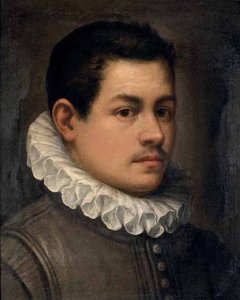
Annibale Carracci
1560 - 1609 , Italia
Informazioni rapide
- Artisti Influenti:
- Raffaello
- Andrea del Sarto
- Tiziano
- Artisti Influenzati:
- Cortona
- Lanfranco
- Andrea Pozzo
- Data Di Nascita: 3 novembre 1560
- Luogo Di Nascita: Bologna, Italia
- Movimento Artistico: Barocco, Scuola bolognese
- Nazionalità: Italiana
- Nome Completo: Annibale Carracci
- Opere Notevoli:
- Trionfo di Bacco e Arianna
- Gli amori degli dei
- Ritratto di Giovanni Gabrieli
Articoli correlati

The Dramatic Flourish: Exploring the Baroque Movement's Enduring Legacy in Art History
Explore the dramatic world of Baroque art! Discover iconic artists like Caravaggio & Rubens, defining techniques, and its lasting impact on art history. Expert insights for collectors & enthusiasts at OriginalUniqueArt.
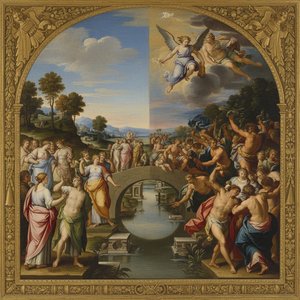
Annibale Carracci: Un Ponte tra Rinascimento e Barocco nell'Arte Bolognese
Esplora la vita e le opere di Annibale Carracci, figura chiave della Scuola bolognese e ponte tra Rinascimento e Barocco. Approfondimenti su stile, tecniche e l'eredità artistica che ha rivoluzionato la pittura italiana.

Baroque Classicism: The Grandeur of Order and Drama in 17th-Century Art History
Explore the profound elegance of Baroque Classicism. Discover how 17th-century masters synthesized dramatic emotion with classical order through the lens of the Counter-Reformation and the works of legends like Carlo Maratta and Andrea Sacchi.

I 10 Capolavori Barocchi che Hanno Definito un'Epoca | Arte e Decorazioni di Lusso
Esplora i 10 capolavori barocchi di Caravaggio, Bernini e Rembrandt che hanno rivoluzionato l'arte. Scopri storie, tecniche e colori iconici. Trova riproduzioni d'arte di alta qualità per la tua casa su !

Il Dramma Barocco: Portare Splendore ed Emozione negli Interni Contemporanei
Scopri come portare il dramma e lo splendore dell'arte barocca nei tuoi interni con . Riproduzioni di alta qualità, consulenza d'arte personalizzata e ispirazione per uno stile unico.