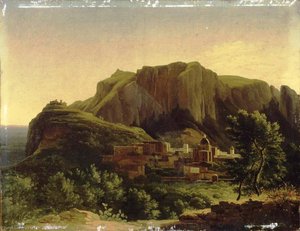
Anteprima in scala reale
 Condividi
 Condividi
 Dettagli
 Guida stampabile

 Scarica
 Articoli simili
 Radiografia
 Slideshow
 Statistiche
Le Barde


 Leggi tutto
Riproduzione a olio fatta a mano
Olio su tela dipinto a mano nelle tue dimensioni e con la tua cornice, realizzato su ordinazione dai nostri artisti. ( Passa alle stampe Passa all'immagine digitale)




P118B €10

P118H €10

P118W €10

P438Z €10

P508JH €12

P508YH €12

P805H €10

P805Z €10

P919BZ €10

P919G €10

P919XJ €10

P959ZH €10

P968JZ €12

W106C €8

W218G €10

W218JH €8

W218Y €10

W307PJ €10

W316G €10

W316PJ €8

W316Y €10

W398PJ €8

W4111J €10

W500HY €15

W500JH €15

W692G €12

W849H €8

W940BG €15

W953PJ €8




Scegli tra le nostre dimensioni predefinite, che rispettano le proporzioni originali dell'opera d'arte.

Inserisci la larghezza e l'altezza di cui hai bisogno, per adattarle alla tua cornice o alla tua parete. Trattandosi di un'opera dipinta a mano, in caso di dimensioni con una forma differente, l'artista può dipingere un po' più oltre i bordi dell'immagine o ritagliare leggermente — la scelta spetta a te. Ti invieremo un mockup digitale da approvare prima che la pittura abbia inizio. L'immagine mostrata in questa pagina non rappresenta il risultato reale — solo il mockup lo fa.
Dopo l'ordine, il team di OriginalUniqueArt.com contatterà il cliente via e-mail per ricevere le istruzioni e fornirà un'anteprima del mockup
Consegna in tutto il mondo () in 3/4 settimane anziché nelle normali 5 settimane. (25 Ottobre). Nessun compromesso sulla qualità.

Spedizione espressa gratuita in tutto il mondo

Tela in lino di alta qualità

Assicurazione completa sulla spedizione

Garanzia di rimborso dei dazi doganali

Garanzia di perfetta fedeltà cromatica

Politica di reso entro 100 giorni (solo per difetti di fabbricazione)

Garanzia di rimborso al 100%

Sconto per acquisti multipli
 L'opzione vetro è disponibile solo per dimensioni inferiori a 110 cm

Le Barde
Tecnica di riproduzione
Dimensioni della riproduzione
-


Prezzo totale
€ 263
A Vision of Myth and Melancholy: Unveiling Girodet’s “Le Barde”
Anne-Louis Girodet de Roussy-Trioson's "Le Barde" (The Bard), painted in 1806, isn’t merely a portrait; it’s a carefully constructed tableau vivant—a frozen moment of dramatic narrative and profound emotional resonance. This captivating work, now housed at the California Palace of the Legion of Honor, stands as a pivotal bridge between the rigid formality of Neoclassicism and the burgeoning, intensely personal expression of Romanticism. Girodet, a student deeply influenced by Jacques-Louis David yet yearning to break free from his teacher’s constraints, masterfully employs light, color, and gesture to evoke a scene brimming with both beauty and underlying sorrow.
The composition immediately draws the eye to a central female figure, seemingly poised on a rocky precipice. Her long hair cascades around her face, partially veiled by a delicate white veil—a subtle nod to angelic figures yet imbued with an undeniable earthly vulnerability. She’s clearly engaged in song or perhaps playing a musical instrument, though the details are deliberately obscured, inviting speculation and fueling the painting's inherent mystery. Around her gather a diverse group of onlookers: some appear captivated by her performance, others seem lost in contemplation, while a few stand with expressions of quiet concern. The figures aren’t sharply defined; instead, they blend into the background, contributing to the overall atmosphere of dreamlike ambiguity.
The Language of Light and Shadow – Girodet's Technique
Girodet’s technical prowess is immediately apparent in his masterful manipulation of light. He employs a dramatic chiaroscuro—a stark contrast between light and shadow—to sculpt the forms and heighten the emotional impact. The central figure is bathed in a soft, diffused glow, while the surrounding figures are rendered in cooler tones, creating a sense of depth and emphasizing her isolation. His brushwork is remarkably smooth and precise, particularly noticeable in the rendering of fabrics and textures – the folds of the woman’s dress, the rough surface of the rocks beneath her feet. Yet, there's also an underlying fluidity to his application of paint, hinting at the emotional turbulence simmering beneath the surface of the scene.
The color palette is restrained but evocative—primarily consisting of muted browns, grays, and blues, punctuated by flashes of white and gold. This subdued range contributes to the painting’s melancholic mood, suggesting a sense of loss or regret. Girodet's meticulous attention to detail extends beyond mere representation; he uses color to subtly convey atmosphere and psychological states.
A Romantic Echo – Symbolism and Narrative
“Le Barde” is rich in symbolic meaning, reflecting the core tenets of Romanticism—a movement that prioritized emotion, imagination, and individualism. The veiled figure can be interpreted as a representation of lost innocence or forgotten beauty, while the gathering onlookers symbolize the fleeting nature of human connection and the inevitability of time’s passage. The rocky setting itself evokes themes of isolation, vulnerability, and the precariousness of existence. There's an undeniable air of tragedy woven into the scene—a sense that something precious is being lost or has already been lost.
Furthermore, the painting subtly references classical mythology. The figure’s posture and expression evoke images of ancient bards and storytellers, suggesting a connection to timeless narratives and universal human experiences. The inclusion of diverse figures—representing various social classes and emotional states—adds another layer of complexity to the scene, inviting viewers to contemplate the multifaceted nature of human life.
A Legacy of Emotion – Girodet’s Place in Art History
Anne-Louis Girodet de Roussy-Trioson's “Le Barde” stands as a testament to his unique artistic vision—a synthesis of Neoclassical precision and Romantic emotionalism. He wasn’t simply replicating the world; he was interpreting it through the lens of his own deeply felt experiences. This painting, along with many others, demonstrates his ability to capture not just appearances but also the intangible essence of human emotion. It's a poignant reminder that art can be both beautiful and profoundly moving—a window into the complexities of the human heart.
Domande e risposte
Che atmosfera conferisce "Le Barde" di Anne-Louis Girodet a un ambiente?
L'atmosfera Romantic di "Le Barde" di Anne-Louis Girodet si sposa perfettamente con lo spazio consigliato: un/una Living Room.
In quale ambiente si consiglia di esporre "Le Barde", considerando la sua palette cromatica?
I colori Earthy di "Le Barde" di Anne-Louis Girodet si armonizzano con lo spazio consigliato: un/una Living Room.
Quale tonalità di fondo attraversa "Le Barde" di Anne-Louis Girodet?
"Le Barde" tende verso una tonalità Golden Yellow Range.
Biografia dell'artista
Anne-Louis Girodet de Roussy-Trioson: Un Pioniere del Romanticismo
- Nato: Montargis, Francia (1767)
- Morto: 1824
Primi Anni e Formazione
Il percorso di Girodet iniziò a Montargis, in Francia. Fin da piccolo, dimostrò un'attitudine per il disegno, studiando inizialmente architettura prima di dedicarsi alla pittura sotto Luquin. Successivamente entrò nello studio di Jacques-Louis David, figura di spicco dell’arte neoclassica. Questo apprendistato gli instillò una padronanza della forma e della composizione tipiche dell'epoca. Una pietra miliare significativa fu la sua vittoria al concorso Prix de Rome all'età di 22 anni con un dipinto che raffigurava la storia di Giuseppe e dei suoi fratelli. Il suo periodo in Italia (1789-1793) si rivelò cruciale, portando a opere come *Hippocrate refusant les presents d'Artaxerxes* e *Endymion-dormant*, che ottennero un notevole plauso al Salon del 1793.Stile Artistico e Opere Notabili
Lo stile di Girodet è definito dalla sua chiarezza, precisione e dall’uso drammatico della luce e dell'ombra. Pur radicandosi nei principi neoclassici, la sua opera iniziò a mostrare caratteristiche che anticipavano il Romanticismo: un'intensità emotiva accentuata e una volontà di esplorare soggetti non convenzionali. Tra le sue opere più notevoli si annoverano:- *Scène de déluge* (Il Diluvio): Una tela monumentale che dimostra la sua abilità nel rappresentare azioni ed emozioni drammatiche.
- *Atala au tombeau*: Un'intima raffigurazione di una figura tragica, che mette in mostra la sua capacità di evocare pathos e bellezza.
- *Pygmalion et Galatée*: Quest’opera ambiziosa, completata in otto anni, esemplifica la sua meticolosa attenzione ai dettagli ed esplorazione dei temi mitologici. Attualmente è ospitata al Louvre.
- Ritratti di membri della famiglia Bonaparte: Questi ritratti rivelano il suo talento nel catturare l'essenza dei suoi soggetti aderendo alle convenzioni della ritrattistica neoclassica.
- *La révolte du Caire*: Una dinamica rappresentazione di un evento storico, che dimostra la sua capacità di trasmettere azione ed emozione.
Influenza e Eredità
Il contributo di Girodet al primo movimento romantico è innegabile. La sua volontà di incorporare l'erotismo nei suoi dipinti sfidò le norme artistiche e aprì la strada a successivi artisti per esplorare temi simili con maggiore libertà. Fu un membro rispettato dell’Académie de peinture e dell’Institut de France, ricevendo onori tra cui la Légion d'honneur. Sebbene a volte eclissato da contemporanei come David, l'originale miscela di precisione neoclassica e sensibilità romantica di Girodet gli ha assicurato un posto nella storia dell'arte. Le sue opere si possono trovare in musei prestigiosi come il Musée du Château e il Louvre, e sono accessibili per la visualizzazione su piattaforme come OriginalUniqueArt.com. Ha lasciato dietro di sé un’eredità di innovazione artistica e una testimonianza della transizione dal Neoclassicismo al Romanticismo nella pittura francese.Il Musée Girodet a Montargis
- Scopri il Musée Girodet a Montargis, in Francia, che espone arte francese del XIX secolo, dipinti romantici di Girodet e sculture di Triqueti.
- Ospitato nell'Hotel Durzy storico, un luogo imperdibile per gli appassionati d'arte e gli amanti della storia.

Anne-Louis Girodet
1767 - 1824 , Francia
Informazioni rapide
- Artistic Movement Or Style: Neoclassicismo & Romanticismo
- Artists Or Movements Influenced By This Artist: ['Movimento romantico precoce']
- Artists Who Influenced This Artist: ['Jacques-Louis David']
- Date Of Birth: 29 gennaio 1767
- Date Of Death: 9 dicembre 1824
- Full Name: Anne-Louis Girodet de Roussy-Trioson
- Nationality: Francese
- Notable Artworks:
- Hippocrate refusant les presents
- Endymion-dormant
- Scène de déluge
- Atala au tombeau
- La révolte du Caire
- Pygmalion et Galatée
- Place Of Birth: Montargis, Francia
Articoli correlati
Harmonies on Canvas: Exploring the Visual Representation of Music in Art History
Explore the fascinating history of music's visual representation in art! From ancient symbolism to modern abstraction, discover how artists have captured sound and emotion on canvas. Expert insights & stunning examples.

James Bard: Luce e Paesaggio nell'Impressionismo Americano – Uno Sguardo sull'Evoluzione Marittima
Scopri James Bard, il pittore americano del XIX secolo che immortalò l'epoca dei battelli a vapore. Analisi approfondita della sua tecnica naïf e dell'evoluzione artistica americana. Valutazioni e storia delle sue opere.
I 10 Capolavori Romantici che Hanno Definito un'Epoca | .it
Esplora i 10 capolavori del Romanticismo con .it! Delacroix, Friedrich e Goya: scopri la storia, le emozioni e i colori che hanno definito un'epoca. Stampe d'arte di alta qualità per decorare la tua casa. Scopri la collezione completa online!

Anne-Louis Girodet: Bridging Neoclassicism & Romanticism with Emotional Truth
Explore the captivating world of Anne-Louis Girodet, a pivotal figure bridging Neoclassicism & Romanticism. Discover his masterpieces and unique artistic vision with OriginalUniqueArt.

The Symphony of Canvas: Capturing the Timeless Resonance of Musical Instruments in Fine Art Masterpieces
Explore the profound connection between music and fine art. From ancient iconography to Impressionist masterpieces, discover how legendary instruments are captured on canvas with unparalleled artistry and historical depth for the discerning collector.