
 Anteprima in scala reale
 Condividi
 Condividi
 Dettagli

 Scarica immagine
 Articoli simili
 Radiografia
 Slideshow
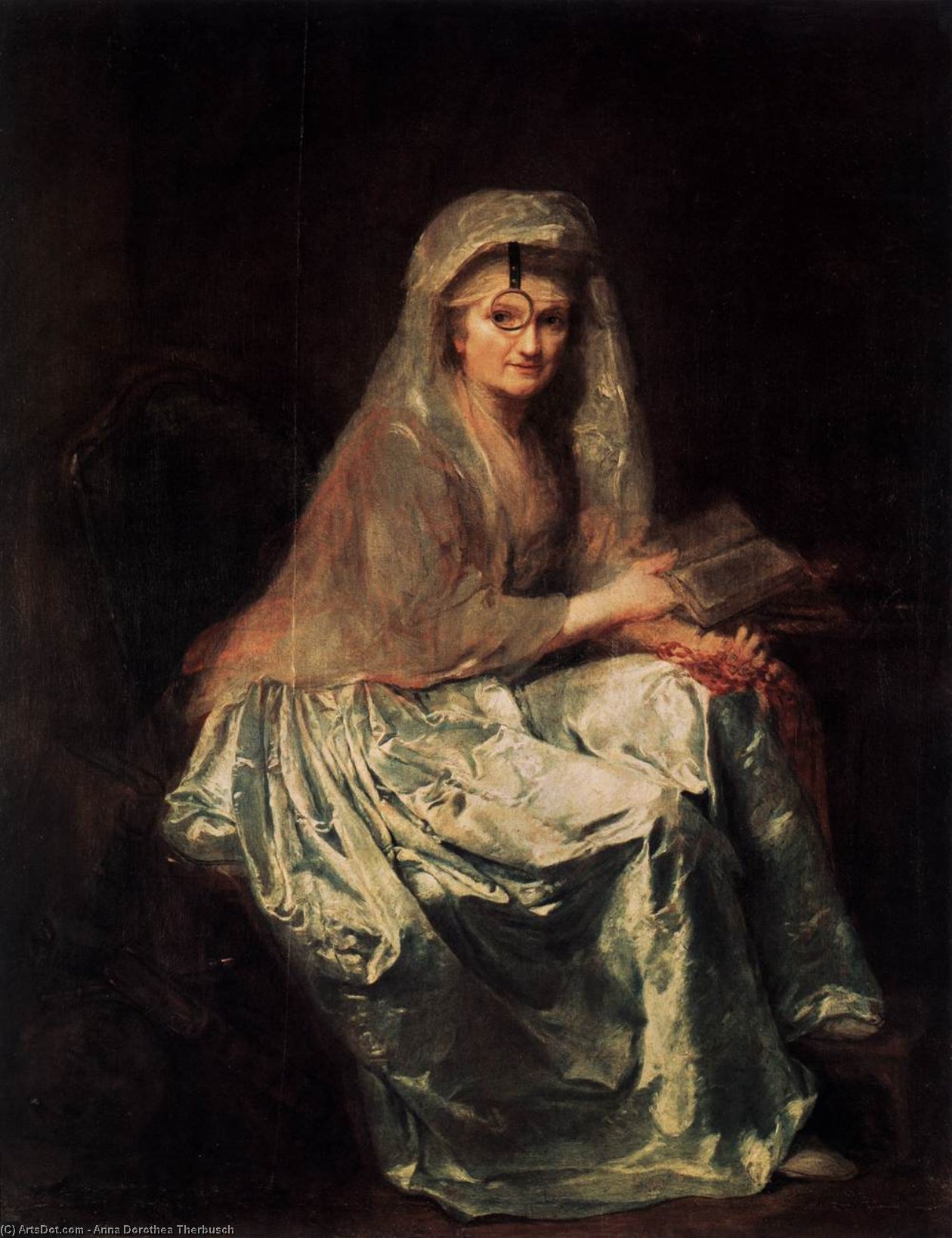
Self-Portrait
 Oil On Canvas
- WallArt
- Rococo
 1776
1776- Renaissance
 151.0 x 115.0 cm
 Staatliche Museen zu Berlin
 Leggi tutto
Acquista un'immagine digitale ad alta risoluzione e ottimizzata, di qualità nettamente superiore all'anteprima online.
Ogni file è meticolosamente preparato dai nostri specialisti interni attraverso l'uso di strumenti avanzati e un sapiente ritocco manuale. Garantiamo che ogni immagine presenti una chiarezza eccezionale, una precisione cromatica impeccabile e dettagli raffinati.
Il file finale viene consegnato via e-mail entro 72 ore, ottimizzato per un uso immediato in contesti professionali, editoriali e di stampa. Si tratta della stessa qualità affidata ai più prestigiosi studi di design, editori e gallerie d'arte.
Immagine Digitale
Scarica un file ad alta risoluzione per uso personale, per la stampa e per progetti creativi. ( Ordina stampa Ordina la riproduzione dipinta a mano)
Incluso in ogni acquisto di immagini digitali
Consegna digitale professionale e garantita
Quando scegli OriginalUniqueArt.com, non riceverai solo un'immagine: riceverai un'opera d'arte digitale professionalmente ottimizzata, realizzata con la massima precisione e accompagnata da una garanzia di soddisfazione. Ecco tutto ciò che include il tuo ordine, automaticamente:

Consegna rapida via email
Riceverai il file dell'immagine digitale ad alta risoluzione via email entro 72 ore dall'ordine, pronto per un uso immediato.

File digitale potenziato dall'IA
La tua opera d'arte viene ottimizzata professionalmente attraverso l'uso di strumenti avanzati di intelligenza artificiale e una revisione manuale, garantendo il massimo livello di dettaglio, nitidezza e accuratezza cromatica.

Riconsegna gratuita a vita
Hai eliminato o perso accidentalmente il tuo file? Non preoccuparti: te lo invieremo di nuovo in qualsiasi momento, gratuitamente.

Nessun costo di importazione, mai
Goditi la tua opera d'arte istantaneamente senza costi doganali, dazi o spese di spedizione: i download digitali sono sempre esenti da tasse.

Garanzia di fedeltà cromatica
Garantiamo che la tua immagine digitale rifletta i colori originali con la massima fedeltà, grazie all'uso di strumenti professionali e a una gestione accurata del colore.

Garanzia soddisfazione 60 giorni
Se non sei soddisfatto della tua immagine digitale, la revisioneremo o ti rimborseremo il 100% entro 60 giorni, senza domande.

Garanzia di rimborso al 100%
Non sei soddisfatto? Ricevi un rimborso completo entro 60 giorni dal ricevimento del tuo file digitale, senza dover fornire spiegazioni.

Sconti per ordini multipli
Acquista 3 immagini, risparmia il 10% - Acquista 5, risparmia il 15% - Acquista 10+, risparmia il 20%. Ideale per progetti creativi, gallerie e agenzie.
Descrizione del collezionabile
A Portrait of Introspection: Anna Dorothea Therbusch’s “Self-Portrait”
Anna Dorothea Therbusch's "Self-Portrait," painted in 1776, is more than just a likeness; it’s a profound meditation on the artist’s own identity and place within the world. This captivating work, housed at the Gemäldegalerie in Berlin, offers a rare glimpse into the mind of a woman who defied societal constraints to establish herself as a significant figure in 18th-century Rococo art. The painting immediately draws the viewer in with its intimate scale – a mere 151 x 115 cm – creating an immediate sense of closeness and invitation, as if we’ve been granted privileged access into the artist's private world.
The composition is deceptively simple yet remarkably layered. Therbusch presents herself seated before a partially obscured landscape, her gaze directed towards something just beyond our view. She wears a dark, flowing gown, its folds suggesting both elegance and a subtle melancholy. A delicate veil drapes across her head, partially concealing her face and adding an air of mystery to the portrait. The muted palette – dominated by browns, grays, and deep blues – contributes significantly to the painting’s contemplative mood. It's not a vibrant celebration of beauty, but rather a quiet exploration of inner experience.
The Rococo Soul: Style and Technique
“Self-Portrait” is a quintessential example of Therbusch’s mastery within the Rococo style. Characterized by its delicate brushwork, pastel colors, and emphasis on elegance and grace, Rococo art sought to evoke feelings of pleasure and refinement. However, unlike some of her contemporaries who embraced the frivolous aspects of the style, Therbusch imbues her self-portrait with a palpable sense of seriousness and introspection. Her technique is remarkably precise; observe the subtle gradations of tone in the fabric of her gown, or the delicate rendering of the veil’s folds. The artist skillfully employs chiaroscuro – the contrast between light and shadow – to sculpt the figure's form and create a sense of depth.
Therbusch was particularly adept at capturing subtle nuances of expression. Her slightly furrowed brow and downward gaze suggest a thoughtful, perhaps even melancholic, disposition. This is further reinforced by the inclusion of two chairs in the background – one behind her, seemingly occupied by an unseen figure, and another further back on the right, hinting at a past or a future yet to be realized. These elements subtly invite speculation about the artist’s inner life.
A Pioneer's Journey: Historical Context
Anna Dorothea Therbusch’s story is one of remarkable resilience and determination in a male-dominated art world. Born into a family with artistic roots – her father was a renowned Berlin portrait painter – she faced considerable obstacles as a female artist during the Enlightenment. Despite these challenges, she persevered, honing her skills and establishing herself as a respected figure in Prussia’s artistic circles. Her marriage to Ernst Friedrich Therbusch, an innkeeper, initially interrupted her career, but she quickly returned to painting, demonstrating her unwavering commitment to her craft.
Therbusch's journey is particularly significant because it highlights the struggles faced by women artists throughout history. She navigated a world where opportunities were limited and recognition was often elusive. Yet, through sheer talent and perseverance, she achieved considerable success, leaving behind a legacy of over 200 paintings – including this poignant self-portrait – that continue to captivate viewers today. Her work reflects the changing social landscape of her time, offering insights into the lives and experiences of women in 18th-century Europe.
Symbolism and Emotional Resonance
Beyond its technical merits, “Self-Portrait” is rich in symbolism. The veil, for instance, can be interpreted as a metaphor for introspection or perhaps even a sense of concealment – reflecting the societal pressures placed upon women during that era. The landscape beyond her gaze represents the unknown, inviting viewers to contemplate the artist’s hopes and dreams. The inclusion of the two chairs suggests themes of solitude, reflection, and perhaps a yearning for connection.
Ultimately, “Self-Portrait” is a deeply moving work that speaks to the universal human experience of self-discovery and introspection. It's not merely a portrait; it’s an intimate dialogue between artist and viewer, inviting us to contemplate our own identities and place in the world. The painting’s quiet intensity and subtle emotional depth make it a timeless masterpiece – a testament to Anna Dorothea Therbusch’s artistic genius and her remarkable journey as a pioneering female artist.
Biografia dell'artista
Anna Dorothea Therbusch: A Pioneer of Female Artistic Expression
Anna Dorothea Therbusch (1721-1782) stands as a remarkable figure in the annals of Rococo art history—a woman artist who defied societal expectations and achieved considerable renown during the Enlightenment. Born into a family steeped in artistic tradition, her father, Georg Lisiewski, was himself a celebrated Berlin portrait painter, establishing a lineage dedicated to visual representation. This upbringing instilled in Anna Dorothea a profound appreciation for painting from an early age, fostering a talent that would blossom into one of Prussia’s most prolific and admired artists.Early Life & Family
Anna Dorothea Lisiewski married Ernst Friedrich Therbusch, an innkeeper, forging a domestic life alongside her husband and raising five children. Despite the responsibilities of motherhood, she relentlessly pursued her artistic passions, demonstrating an unwavering commitment to her craft. Her father recognized her exceptional abilities and actively encouraged her artistic pursuits, providing her with invaluable instruction in painting techniques. Notably, her elder sister Anna Rosina was equally gifted, earning the moniker “Wunderkinder” – child prodigy – cementing their family’s reputation for artistic excellence.Training & Artistic Development
Her father recognized her exceptional abilities and actively encouraged her artistic pursuits, providing her with invaluable instruction in painting techniques. Notably, her elder sister Anna Rosina was equally gifted, earning the moniker “Wunderkinder” – child prodigy – cementing their family’s reputation for artistic excellence. She studied diligently under Georg Lisiewski, absorbing his mastery of portraiture and mastering the nuances of Baroque composition—a legacy that would profoundly shape Therbusch's own artistic vision. The influence of Jean-Antoine Watteau and Nicolas Lancret, prominent Rococo painters who captivated Parisian audiences with their ethereal landscapes and graceful figures, further enriched her artistic repertoire.A Rococo Visionary: Style and Technique
Therbusch’s artistic style epitomized the elegance and refinement characteristic of Rococo art—a movement that prioritized ornamentation, pastel hues, and graceful asymmetry. Her canvases frequently depicted mythological scenes infused with allegorical symbolism, reflecting the intellectual currents of her time. She skillfully employed delicate brushstrokes and meticulous attention to detail, capturing ethereal beauty and conveying nuanced emotions through expressive poses and gestures. Her masterful handling of light and shadow contributed significantly to the atmospheric depth of her paintings, creating immersive experiences for viewers. Diana mit Nymphen is a testament to Therbusch’s ability to convey grandeur and serenity through visual artistry.Recognition & Patronage: Parisian Influence
Therbusch's artistic journey took an extraordinary turn when she relocated to Paris in 1765, seeking opportunities for advancement within the vibrant artistic landscape of the French capital. Recognizing her talent and advocating for female artists—a radical stance at the time—Denis Diderot, a prominent philosopher and art critic, championed Therbusch’s cause, even posing nude for her portrait. Her acceptance into the Académie royale de peinture et de sculpture marked a pivotal moment in her career, affording her access to influential mentors and fostering collaborations with fellow artists like Philippe Hackert. Despite facing financial hardships and navigating the complexities of Parisian society, Therbusch persevered, producing some of her most celebrated works during this period—particularly those imbued with the spirit of Diderot’s intellectual fervor.Legacy & Historical Significance
Anna Dorothea Therbusch's contribution to art history transcends mere stylistic innovation; she represents a courageous assertion of female autonomy within a patriarchal society. Her success as a painter challenged conventional notions of gender roles and paved the way for future generations of women artists. Today, her paintings reside in prestigious museums across Germany—including the Gemäldegalerie Berlin and Alte Nationalgalerie—serving as enduring reminders of Therbusch’s artistic brilliance and her unwavering determination to pursue her passion despite societal obstacles. She remains a symbol of perseverance, creativity, and the transformative power of artistic expression.
Anna Dorothea Therbusch
1721 - 1782 , Germania
In breve
- Artistic Movement Or Style: Rococo
- Artists Or Movements Influenced By This Artist: ['Jean-Antoine Watteau']
- Artists Who Influenced This Artist: ['Georg Lisiewski']
- Date Of Birth: 23 luglio 1721
- Date Of Death: 9 novembre 1782
- Full Name: Anna Dorothea Therbusch
- Nationality: Germana
- Notable Artworks:
- Diana mit Nymphen
- Self-portrait
- Place Of Birth: Berlino, Germania

