

 Anteprima in scala reale
 Condividi
 Condividi
 Dettagli
 Guida stampabile

 Scarica
 Articoli simili
 Radiografia
 Slideshow
 Statistiche
Rebel Without A Cause (James Dean)


 Leggi tutto
Giclée / Stampe d'arte
Stampa giclée o su tela di qualità museale, con produzione rapida e diverse opzioni di finitura. ( Ordina la riproduzione dipinta a mano Passa all'immagine digitale)




P118B $10

P118H $10

P118W $10

P438Z $10

P508JH $12

P508YH $12

P805H $10

P805Z $10

P919BZ $10

P919G $10

P919XJ $10

P959ZH $10

P968JZ $12

W106C $8

W218G $10

W218JH $8

W218Y $10

W307PJ $10

W316G $10

W316PJ $8

W316Y $10

W398PJ $8

W4111J $10

W500HY $15

W500JH $15

W692G $12

W849H $8

W940BG $15

W953PJ $8




Scegli tra le nostre dimensioni predefinite, che rispettano le proporzioni originali dell'opera d'arte.

È possibile inserire dimensioni personalizzate per adattare l'opera a una cornice o a uno spazio specifico. Se la dimensione selezionata non corrisponde alle proporzioni dell'immagine originale, procederemo al ritaglio dell'opera o all'estensione dell'immagine con un bordo specchiato o a tinta unita. Un mockup digitale ti verrà inviato per approvazione prima dell'inizio della produzione.
Si prega di notare che l'anteprima a schermo non riflette il ritaglio o l'estensione effettivi. Solo il mockup mostrerà accuratamente la composizione finale.
Sebbene siano disponibili dimensioni personalizzate, si raccomanda di selezionare una dimensione dall'elenco predefinito per preservare le proporzioni originali.
Consegna in tutto il mondo () in 2 settimane invece delle normali 4/5 settimane. (25 Settembre)

Spedizione espressa gratuita in tutto il mondo

Tela in lino di alta qualità

Assicurazione completa sulla spedizione

Garanzia di rimborso dei dazi doganali

Garanzia di perfetta fedeltà cromatica

Politica di reso entro 100 giorni (solo per difetti di fabbricazione)

Garanzia di rimborso al 100%

Sconto per acquisti multipli
 L'opzione vetro è disponibile solo per dimensioni inferiori a 110 cm

Rebel Without A Cause (James Dean)
Giclée / Stampe d'arte
Dimensioni della riproduzione
-


Prezzo totale
$ 80
Andy Warhol Rebel Without A Cause (James Dean), from: Ads
Andy Warhol’s *Rebel Without A Cause* screenprint of James Dean is more than just a portrait; it's a distillation of mid-century American angst, filtered through the lens of Pop Art. Created in 1985, this piece isn’t a direct representation of the actor as he appeared on screen, but rather an appropriation of the Japanese promotional poster for Nicholas Ray’s seminal film. This choice is crucial – it speaks to Warhol’s fascination with mass production, celebrity culture, and the global reach of American iconography. The image itself is instantly recognizable: Dean, clad in his signature red jacket, hand casually on his hip, radiating a cool defiance that captivated a generation. But Warhol doesn't simply replicate; he transforms. He amplifies the inherent drama through bold color choices – a striking crimson background and contrasting blues within the Japanese text – imbuing the image with an almost electric energy. The slight doubling of Dean’s figure, a ghostly echo beside the primary form, hints at the fractured identity and internal turmoil that defined both the character and the actor himself.- Historical Context: Warhol's decision to rework the Japanese poster reflects a broader cultural dialogue about American cinema and its influence abroad during the 1950s. It underscores Warhol’s awareness of how images could transcend national boundaries, establishing Dean as a global icon.
- Symbolism: The crimson background symbolizes passion and intensity, mirroring the rebellious spirit embodied by James Dean. Simultaneously, the Japanese text represents cultural exchange and challenges Western artistic conventions.
- Technique: Warhol’s mastery of screenprinting is central to the work's impact. This technique allowed for mass production while maintaining a high level of visual quality. The flat planes of color and crisp lines contribute to the image's graphic character, stripping away nuance and emphasizing its iconic status.
- Emotional Impact: Warhol’s reimagining captures the essence of youthful rebellion—a yearning for freedom and defiance against societal expectations—resonating with audiences across generations.
The Echoes of a Generation
James Dean became a symbol of youthful rebellion in the 1950s, embodying a sense of alienation and disillusionment felt by many post-war Americans. His untimely death only cemented his status as an icon, transforming him into a timeless representation of lost potential and tragic beauty. Warhol, ever attuned to the currents of popular culture, recognized this potent symbolism. *Rebel Without A Cause* wasn’t just about Dean; it was about the anxieties and aspirations of an entire generation grappling with societal expectations and searching for meaning in a rapidly changing world. The use of the Japanese poster is also significant. It suggests a broader cultural impact, demonstrating how American cinema – and its stars – transcended national boundaries to become global phenomena. Warhol’s work often blurred the lines between high art and commercialism, and this piece exemplifies that approach perfectly. He elevates an advertisement into a fine art object, forcing us to reconsider our relationship with celebrity, image, and consumer culture.- Influence on Contemporary Art: Warhol's stylistic choices paved the way for countless artists who followed, challenging traditional notions of art and expanding the boundaries of creative expression.
- Reflection of Societal Concerns: The artwork speaks to anxieties surrounding identity and societal pressures—themes that continue to be explored in contemporary artistic endeavors.
Technique and Transformation: The Power of Screenprinting
Warhol’s meticulous attention to detail within the screenprinting process is paramount to *Rebel Without A Cause*'s enduring appeal. This technique prioritizes visual impact, favoring bold colors and sharp lines over subtle gradations—a deliberate decision that underscores Warhol's commitment to simplifying complex ideas into their purest form. The layering of colors adds depth and visual interest without sacrificing the image’s core message. Warhol’s stylistic choices are not merely aesthetic; they represent a fundamental shift in artistic practice, mirroring the broader cultural transformations occurring during his time.- Material Considerations: Lenox Museum Board was chosen for its durability and ability to hold vibrant colors—a strategic decision reflecting Warhol's understanding of material properties and their contribution to visual expression.
- Printing Process: Warhol’s use of screenprinting ensured consistent color reproduction across multiple prints, demonstrating his mastery of craftsmanship and upholding the standards of fine art production.
A Lasting Legacy: Warhol's Influence on Contemporary Art
The enduring fascination with *Rebel Without A Cause* stems from its ability to connect with audiences across generations—a testament to Warhol’s genius and his profound grasp of the American psyche. Owning a reproduction of this iconic image isn’t simply acquiring a beautiful artwork; it’s possessing a piece of cultural history – a reminder of Warhol's groundbreaking contribution to Pop Art and his enduring impact on visual culture. It invites contemplation about fame, rebellion, and the transformative power of a single unforgettable face.Biografia dell'artista
Andy Warhol: Una Vita nell'Arte Pop
Primi Anni di Vita ed Educazione
- Nato il: 6 agosto 1928, a Pittsburgh, Pennsylvania.
- La vita infantile di Warhol è stata segnata da una malattia – corea di Sidenham (Balli di San Vitale) – che ha portato a periodi prolungati di confinamento e ha favorito il suo interesse per l'arte.
- Ha studiato design pittorico al Carnegie Institute of Technology (ora Carnegie Mellon University), laureandosi nel 1949.
- Dopo la laurea, si è trasferito a New York City per intraprendere una carriera come illustratore pubblicitario.
Arte Commerciale e Primi Anni Professionali
- Warhol ha inizialmente lavorato come illustratore di riviste e pubblicità, ottenendo successo con i suoi disegni a linea distintivi per le pubblicazioni di moda.
- Ha sviluppato una profonda comprensione della produzione di massa e della comunicazione visiva attraverso il suo lavoro commerciale, che avrebbe influenzato fortemente il suo stile artistico in seguito.
- Le sue prime opere si sono spesso concentrate su oggetti quotidiani e beni di consumo, anticipando i temi che avrebbe esplorato nell'Arte Pop.
L'Ascesa dell'Arte Pop
- Negli anni '60, Warhol è diventato una figura di spicco del movimento Arte Pop, sfidando le concezioni tradizionali dell'arte.
- L'Arte Pop ha abbracciato la cultura popolare – pubblicità, fumetti e oggetti prodotti in serie – come soggetti legittimi per l’espressione artistica.
- Opere chiave di questo periodo includono: Campbell’s Soup Cans (1962) e Marilyn Diptych (1962).
- La tecnica di Warhol della stampa serigrafica ha permesso la produzione di massa di immagini, riflettendo la cultura del consumismo che rappresentava.
Il Laboratorio e la Produzione Artistica
- Warhol ha stabilito “The Factory”, uno spazio studio che è diventato un centro per artisti, musicisti, cineasti e socializzati.
- The Factory non era solo uno spazio di lavoro ma anche una scena: ha promosso la collaborazione e l'esperimentazione in varie discipline artistiche.
- Warhol ha abbracciato il concetto di arte come attività commerciale, sfumando i confini tra alta cultura e commercialismo.
- Ha esplorato temi di celebrità, morte e disastro nelle sue opere, spesso utilizzando la ripetizione e colori audaci per creare effetti visivi impressionanti.
Opere Principali e Stile Artistico
- Opere notevoli: Che Guevara, Nan Kempner, Mona Lisa, Flowers, Copertina dell'album Velvet Underground & Nico.
- Lo stile di Warhol è caratterizzato dall’uso della stampa serigrafica, colori audaci e ripetizione.
- Spesso ha appropriato immagini dalla cultura popolare, trasformandole in opere d'arte iconiche.
- I suoi ritratti di celebrità – Marilyn Monroe, Elvis Presley, Elizabeth Taylor – hanno catturato la fascinazione per la fama e l’immagine nella società americana.
Eredità e Significato Storico
- Il lavoro di Andy Warhol ha avuto un impatto profondo sul mondo dell'arte, sfidando le definizioni tradizionali dell’arte e aprendo la strada a nuovi movimenti artistici.
- Era anche una figura culturale significativa: apertamente omosessuale prima del Movimento per la Liberazione dei Gay.
- La sua esplorazione del consumismo, della cultura delle celebrità e dei mass media continua a risuonare con il pubblico di oggi.
- L'influenza di Warhol può essere vista nell’arte contemporanea, nella moda, nella musica e nel cinema.
- Le sue opere sono esposte nei principali musei del mondo, tra cui il The Andy Warhol Museum a Pittsburgh.

Andy Warhol
1928 - 1987 , Stati Uniti d'America
Informazioni rapide
- Data Di Nascita: 6 agosto 1928
- Luogo Di Nascita: Pittsburgh, Stati Uniti
- Movimento Artistico: Pop Art
- Nazionalità: Americano
- Nome Completo: Andy Warhol
- Opere Notevoli:
- Campbell’s Soup Cans
- Marilyn Diptych
- Che Guevara
- Flowers
- Velvet Underground & Nico
Articoli correlati
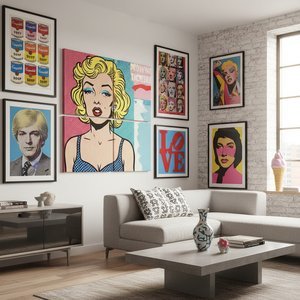
I 10 Capolavori Pop Art Che Hanno Rivoluzionato l'Arte e il Design
Esplora i 10 capolavori Pop Art di Andy Warhol, Roy Lichtenstein e altri maestri. Scopri la storia, le tecniche e l'impatto culturale di questo rivoluzionario movimento artistico. Trova riproduzioni artistiche di alta qualità su !

Andy Warhol: Le 25 Opere Iconiche che Hanno Rivoluzionato l'Arte e il Design d'Interni
Esplora le 25 opere più iconiche di Andy Warhol, il re della Pop Art. Ritratti vibranti come Marilyn Monroe e Campbell's Soup Cans: storia, tecnica e significato. Trova stampe d'arte e decorazioni per la tua casa su OriginalUniqueArt.com! Scopri tutte le sue creazioni online.

James Abbott McNeill Whistler: I 25 Capolavori che Definirono un'Epoca - Arte e Decorazioni di Lusso
Esplora i 25 capolavori di James Abbott McNeill Whistler, il maestro dell'estetismo e dei notturni. Scopri la storia, le tecniche e l'armonia unica nei suoi dipinti più famosi. Stampe d'arte e riproduzioni di alta qualità su OriginalUniqueArt.com.

Sir Alfred James Munnings: I 25 Capolavori che Celebrano la Bellezza del Cavallo e della Campagna Inglese
Esplora i 25 capolavori di Alfred James Munnings, pittore inglese celebrato per la sua arte equestre e i paesaggi rurali. Scopri storie, tecniche e colori unici. Stampe d'arte e riproduzioni su OriginalUniqueArt.com!
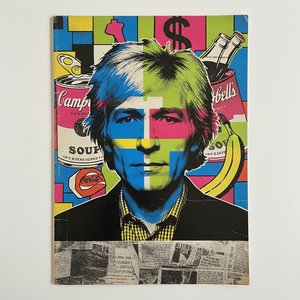
Andy Warhol: Decostruzione della Cultura Pop e Ridefinizione dell'Espressione Artistica
Esplora l'universo artistico di Andy Warhol e la rivoluzione della Pop Art. Analisi approfondite, tecniche serigrafiche, valore delle opere e consigli per collezionisti esperti. Scopri il suo impatto sull'arte contemporanea.


