Pop Art
Muhammad Ali (Andy Warhol)
Andy Warhol (1928–1987) ha realizzato Muhammad Ali. Fa parte del movimento Pop Art. È realizzato in Acrilico su tela.
- Acrilico su tela

 Anteprima in scala reale

 Dipinto a olio fatto a mano
 Invia
 Condividi
 Scheda didattica


 Scarica
 Simili
 Radiografia
 Slideshow
 Domande e risposte

 Statistiche
Muhammad Ali, in breve
- Titolo
- Muhammad Ali
- Artista
- Andy Warhol (1928–1987)
- Artista nato a
- Pittsburgh, Stati Uniti d'America
- Tecnica
- Acrilico su tela
- Movimento
- Pop Art
- Epoca
- Età Moderna
- Soggetto
- muhammad ali, andy warhol, screenprinting, pop art icon, celebrity image, color palette
Cosa raffigura Muhammad Ali?
Introduction to Pop Art and Andy Warhol
Pop art emerged in the mid-20th century as a radical reaction against the prevailing artistic conventions of postwar Europe. Artists like Warhol deliberately rejected abstract expressionism’s emotional intensity, favoring instead imagery drawn from popular culture—advertising billboards, comic books, celebrity photographs—to challenge notions of high art and elevate everyday subjects to artistic consideration. Andy Warhol epitomized this movement's ethos, transforming mundane objects into iconic artworks through repetition and vibrant color palettes. His approach wasn't merely decorative; it was a deliberate provocation aimed at questioning the boundaries between art and commerce, and inviting viewers to reconsider their relationship with mass media.Muhammad Ali: A Cultural Icon
Muhammad Ali transcended sport, becoming an unparalleled symbol of defiance, charisma, and moral conviction. His refusal to serve in Vietnam fueled a national debate about civil rights and patriotism, cementing his status as a champion for justice and equality. Warhol recognized Ali’s profound influence on the cultural landscape, capturing his commanding presence not just as a boxer but as a figure embodying resistance against oppression—a sentiment deeply resonant with the spirit of the era. The artist's decision to portray Ali in monochrome was deliberate; it stripped away the flamboyant spectacle of boxing matches, focusing instead on the boxer’s unwavering gaze and conveying an aura of solemn dignity.Warhol's Screenprinting Technique
Andy Warhol revolutionized artistic production by harnessing the power of screenprinting—a technique previously associated with industrial printing—to create his celebrated artworks. This method involved transferring ink onto fabric or paper through a stencil laid over a mesh screen, ensuring precise color application and facilitating mass reproduction without sacrificing visual impact. Warhol’s mastery of screenprinting wasn't simply about efficiency; it was about embracing the aesthetic possibilities inherent in repetition and standardization—a stylistic choice that mirrored the broader cultural preoccupation with consumerism and mass production during his time. The resulting prints possessed a remarkable consistency, reinforcing Warhol’s artistic vision and establishing him as a pioneer of contemporary art.Interpretation of Muhammad Ali by Andy Warhol
Warhol's series featuring Muhammad Ali is more than just a portrait; it’s an exploration of celebrity and its transformative power. The boxer’s face dominates the composition in shades of gray, conveying a sense of quiet contemplation amidst the dynamism of his persona. Warhol skillfully captures Ali’s gaze—direct, unflinching, and imbued with conviction—suggesting an inner strength that transcends physical prowess. This understated aesthetic underscores Warhol's belief that true artistic expression could reside in confronting uncomfortable truths about fame and its influence on identity. The monochrome palette reinforces this message, emphasizing the boxer’s dignity and stripping away any embellishments of spectacle. It invites viewers to contemplate Ali not as a hero of sport but as an embodiment of moral courage—a timeless symbol of resistance against injustice.Conclusion
Andy Warhol's Muhammad Ali series stands as a testament to pop art’s ability to engage with cultural icons and challenge artistic conventions. By skillfully employing screenprinting and distilling his subject matter into its essential form, Warhol created an artwork that transcends mere representation, communicating profound ideas about identity, morality, and the role of celebrity in shaping our perceptions of the world. The series continues to inspire admiration for its innovative technique and enduring relevance—a lasting legacy of Warhol’s artistic vision.Immagini ad alta risoluzione di Muhammad Ali
Protetti da copyright: questi file sono per uso personale e non costituiscono una licenza per la ripubblicazione.
Andy Warhol, Muhammad Ali.
Domande su Muhammad Ali, risposte
Con quale tecnica è realizzato "Muhammad Ali"?
La tecnica utilizzata per "Muhammad Ali" di Andy Warhol è Acrilico su tela. Le riproduzioni mirano a restituire l'aspetto di questa tecnica.
Cosa rappresenta "Muhammad Ali" di Andy Warhol?
"Muhammad Ali" di Andy Warhol raffigura: muhammad ali, andy warhol, screenprinting, pop art icon, celebrity image, color palette, cultural symbolism.
"Muhammad Ali" è di pubblico dominio?
Per quanto riguarda il copyright, "Muhammad Ali" è ancora protetta dal diritto d'autore.
Chi è l'artista dietro "Muhammad Ali"?
L'artista che ha creato "Muhammad Ali" è Andy Warhol. L'opera è catalogata sotto il nome di Andy Warhol.
A quale stile appartiene "Muhammad Ali"?
Il movimento associato a "Muhammad Ali" di Andy Warhol è Pop Art. Questa classificazione colloca l'opera tra artisti e opere d'arte correlati.
A quale periodo della carriera di Andy Warhol appartiene "Muhammad Ali"?
"Muhammad Ali" rappresenta il Mature Period di Andy Warhol.
Qual è la spiegazione relativa allo stato del copyright di "Muhammad Ali" di Andy Warhol?
"Muhammad Ali" di Andy Warhol è di ancora protetta dal diritto d'autore. La durata del copyright decorre dalla morte dell'artista, avvenuta nel 1987.
In che modo "Muhammad Ali" si inserisce nei temi e nello stile di Andy Warhol?
"Muhammad Ali" appartiene alla produzione Pop Art di Andy Warhol, i cui temi ricorrenti includono challenge to fine art traditions, mass culture imagery influence, iconic athlete representation, commercial production technique, celebrity status commentary, exploring fame and recognition, central piece warhol's portfolio.
In che modo il soggetto di "Muhammad Ali" si relaziona ai temi abituali di Andy Warhol?
Tra i temi ricorrenti di Andy Warhol - challenge to fine art traditions, mass culture imagery influence, iconic athlete representation, commercial production technique, celebrity status commentary, exploring fame and recognition, central piece warhol's portfolio - "Muhammad Ali" pone un particolare accento su muhammad ali, andy warhol, screenprinting, pop art icon, celebrity image, color palette, cultural symbolism.
Informazioni sull'artista, Andy Warhol

1928–1987, Stati Uniti d'America
Andy Warhol
Gli Anni Formativi di Andy Warhol Per comprendere le dinamiche dell'immagine moderna, è necessario volgere lo sguardo all'aspro scenario industriale di Pittsburgh, in Pennsylvania. Andy Warhol nacque come Andrew Warhola Jr. il 6 agosto 1928, immerso in un ambiente operaio privo di qualsiasi pretesa di alta cultura. Era il più giovane di tre figli, nato da Andrej Warhola e Julia Zavacky Warhola.
Altre opere di Andy Warhol
 Campbell's soup cans1962
 Marilyn Diptych1962
 "White car crash 19 times, Private" -> "White Car Crash 19 Volte, Privato"1963
 Marilyn, galleria leo castelli, new york1964
Saggi su Muhammad Ali
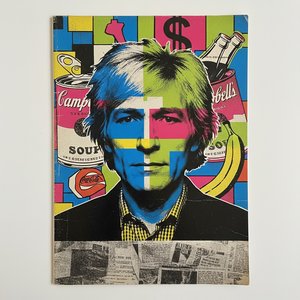 Andy Warhol: Decostruzione della Cultura Pop e Ridefinizione dell'Espressione ArtisticaEsplora l'universo artistico di Andy Warhol e la rivoluzione della Pop Art. Analisi approfondite, tecniche serigrafiche, valore delle opere…
 Icone Pop in Olio: Trasforma i tuoi idoli della cultura pop in opere d'arte su telaScopri come trasformare icone pop in dipinti a olio unici. Dai vita ai tuoi idoli con la nostra arte fatta a mano.
 10 Capolavori della Serigrafia che hanno rivoluzionato la Pop ArtScopri i capolavori della Pop Art di Warhol e Lichtenstein. Esplora la magia della serigrafia su OriginalUniqueArt.com.