

 Anteprima in scala reale
 Condividi
 Condividi
 Dettagli
 Guida stampabile

 Scarica
 Articoli simili
 Radiografia
 Slideshow
 Statistiche
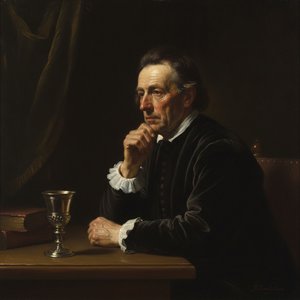
The Poor Painter in His Studio
 Oil On Canvas
- WallArt
- Dutch Golden Age
 1635
1635- Early Modern
 330.0 x 247.0 cm
 Rijksmuseum
 Leggi tutto
Giclée / Stampe d'arte
Stampa giclée o su tela di qualità museale, con produzione rapida e diverse opzioni di finitura. ( Ordina la riproduzione dipinta a mano Passa all'immagine digitale)




P118B €10

P118H €10

P118W €10

P438Z €10

P508JH €12

P508YH €12

P805H €10

P805Z €10

P919BZ €10

P919G €10

P919XJ €10

P959ZH €10

P968JZ €12

W106C €8

W218G €10

W218JH €8

W218Y €10

W307PJ €10

W316G €10

W316PJ €8

W316Y €10

W398PJ €8

W4111J €10

W500HY €15

W500JH €15

W692G €12

W849H €8

W940BG €15

W953PJ €8




Scegli tra le nostre dimensioni predefinite, che rispettano le proporzioni originali dell'opera d'arte.

Inserisci la larghezza e l'altezza desiderate, per adattarle alla tua cornice o alla tua parete. Una stampa può essere solo ritagliata, mai resa più grande dell'immagine originale; pertanto, un formato con una forma differente comporterà la perdita di una parte dell'opera. Ti invieremo un mockup digitale da approvare prima di procedere con la stampa. L'immagine mostrata in questa pagina non rappresenta il ritaglio reale — solo il mockup lo mostra.
Consegna in tutto il mondo () in 2 settimane invece delle normali 4/5 settimane. (24 Ottobre)

Spedizione espressa gratuita in tutto il mondo

Tela in lino di alta qualità

Assicurazione completa sulla spedizione

Garanzia di rimborso dei dazi doganali

Garanzia di perfetta fedeltà cromatica

Politica di reso entro 100 giorni (solo per difetti di fabbricazione)

Garanzia di rimborso al 100%

Sconto per acquisti multipli
 L'opzione vetro è disponibile solo per dimensioni inferiori a 110 cm

The Poor Painter in His Studio
Giclée / Stampe d'arte
Dimensioni della riproduzione
-


Prezzo totale
€ 70
The Intimate Crucible of Creation
To gaze upon "The Poor Painter in His Studio" is to step across the threshold and into the very heart of artistic endeavor. This scene, steeped in the rich atmosphere of the 17th-century Dutch Golden Age, offers more than just a depiction; it presents an immersion into the soul of creation itself. The composition centers on three figures—the seated artist, the attentive woman, and the small child—all gathered within the tangible clutter of a working studio. It is a tableau vivant that speaks volumes about patronage, family legacy, and the sheer dedication required to master a craft. The air feels thick with turpentine, linseed oil, and unspoken ambition.
Mastery in Shadow and Light
Technically, the painting is a breathtaking study in chiaroscuro. The dramatic interplay between deep, velvety shadows and brilliant shafts of illumination is what gives the work its profound visual weight. A single, unseen light source seems to pour in from the left, sculpting the forms of the figures and casting long, eloquent shadows across the floorboards. This masterful use of contrast does not merely illuminate; it dramatizes. The artist’s skill, characteristic of the period's finest realism, allows every texture—from the rough weave of a painter’s smock to the polished gleam of an easel—to emerge with startling clarity against the surrounding gloom.
Symbolism of Dedication and Lineage
The subject matter invites deep contemplation. The title itself hints at themes of humble dedication, suggesting that genius is not always heralded by wealth but often nurtured in quiet perseverance. The presence of the child is particularly poignant; it serves as a visual promise—a continuation of the artistic bloodline, a hope for legacy. Meanwhile, the tools scattered about, the half-finished canvases leaning against walls, are silent witnesses to countless hours of labor. These objects transform the studio from mere background into an active participant in the narrative, embodying the struggle and ultimate reward of the creative spirit.
A Timeless Echo for Modern Spaces
For those seeking art that transcends mere decoration, this reproduction offers a profound emotional anchor. Its rich, dramatic tonality—even when viewed as a grayscale photograph—lends itself to creating an atmosphere of sophisticated contemplation within any interior space. It speaks to the collector who appreciates narrative depth and technical virtuosity. Imagine this piece anchoring a library, a study, or a gallery wall; it does not simply hang there, it breathes life into the room, inviting every passerby to pause and consider the quiet dignity found at the intersection of family life and profound artistic pursuit.
Domande e risposte
Quali stati d'animo ed emozioni si fondono in "The Poor Painter in His Studio"?
In "The Poor Painter in His Studio", un'atmosfera Dramatic accompagna un'emozione Melancholic.
Chi ha creato "The Poor Painter in His Studio" e in quale stile è realizzato?
Dietro "The Poor Painter in His Studio" si trovano Andries Both e il movimento Dutch Golden Age.
Quanto è luminoso, in generale, "The Poor Painter in His Studio"?
La luminosità percepita di "The Poor Painter in His Studio" di Andries Both è deep_shadow. Può essere armonizzata con la luce dello spazio destinato all'opera.
Biografia dell'artista
Una vita catturata tra le ombre di Roma
La vita di Andries Both fu tanto effimera e drammatica quanto le scene che egli riuscì a imprimere sulla tela. Nato a Utrecht, figlio di un pittore di vetrate, i suoi primi anni furono immersi nelle ricche tradizioni dell'artigianato olandese. Sotto la tutela di Abraham Bloemaert, Both iniziò a perfezionare una visione che lo avrebbe infine condotto lontano dai paesaggi familiari dei Paesi Bassi. Il suo viaggio lo portò attraverso Rouen e, infine, nel cuore di Roma, dove divenne una figura notevole tra i bamboccianti, un vivace gruppo di pittori olandesi e fiamminghi che trovavano l'ispirazione nella realtà cruda e senza filtri della vita italiana.
A Roma, la presenza di Both fu saldamente consolidata tra il 1635 e il 1641. Condivise la sua esistenza con il fratello Jan, muovendosi tra i vibranti circoli artistici della città. I due fratelli risiedevano in Via Vittoria, nella parrocchia di San Lorenzo in Lucina, e potrebbero aver fatto parte dei Bentvueghels, un influente gruppo di artisti attivi a Roma. Questo periodo della sua vita fu segnato da una profonda immersione nei ritmi quotidiani della campagna romana e delle sue classi più umili, offrendogli una ricchezza di soggetti che avrebbe definito la sua eredità artistica.
L'arte della Bambocciata
L'opera di Both è celebrata per il suo stile Bambocciata, un genere caratterizzato da piccoli dipinti da cabinet che ritraggono gli aspetti più rumorosi e spesso umoristici della vita comune. Le sue pennellate erano ampie ed espressive, capache di trasmettere sia un senso di dura realtà che un certo fascino farsesco. Egli non si tirò indietro di fronte ai lati più degradati dell'esistenza; al contrario, li abbracciò con un occhio per il dettaglio capace di essere tanto oggettivo quanto sfacciato.
Le sue composizioni fungevano spesso da sottili ammonimenti morali. In opere come I giocatori d'azzardo, egli intrecciò magistralmente narrazioni indipendenti per criticare i vizi sociali. Attraverso la rappresentazione del gioco delle carte — un passatempo allora equiparato all'ozio e all'inganno — e di simboli suggestivi come un uovo, rappresentante la fertilità o l'infedeltà, Both invitava gli spettatori a contemplare le conseguenze dei comportamenti immorali. Questa capacità di fondere il mondano con il morale conferì alla sua opera una profondità profonda che risuonò ben oltre la semplice pittura di genere.
Influenze ed eredità artistica
La stirpe dell'arte di Both è un arazzo composto da grandi maestri. Egli trasse una significativa ispirazione dalle tradizioni nederlandesi del XVI secolo, in particolare dai soggetti contadini introdotti da Pieter Bruegel il Vecchio. Inoltre, l'influenza di pittori fiamminghi come Adriaen Brouwer e Adriaen van Ostade è evidente nelle sue figure caricaturali e nelle scene di taverna. Queste influenze gli permisero di creare personaggi che apparivano al contempo radicati nella realtà e esaltati da un senso di teatralità.
Sebbene la sua carriera sia stata tragicamente interrotta quando morì annegato in un canale veneziano mentre tornava nei Paesi Bassi, il suo impatto sulla tradizione della pittura di genere rimane significativo. Egli contribuì a coltivare un'estetica specifica che trovava la bellezza nell'invisibile e nel non raffinato, assicurando che le vite della gente comune fossero incise nella storia dell'arte europea con umorismo e verità.

Andries Both
1613 - 1642 , Paesi Bassi
Articoli correlati

Chiaroscuro and Character: A Masterclass in Light and Shadow within Dutch Golden Age Painting
Explore the profound mastery of light and shadow in Dutch Golden Age painting. From chiaroscuro to atmospheric landscapes, discover the techniques that defined an era and learn how to bring these timeless masterpieces into your home through museum-quality oil reproductions.

Chiaroscuro and Character: A Definitive Guide to Light and Shadow in the Dutch Baroque Era
Explore the dramatic mastery of the Dutch Baroque era. Discover how masters like Rembrandt used chiaroscuro to transform everyday life into timeless art. An expert guide for collectors and enthusiasts seeking to understand the profound interplay of light and shadow.

I 10 Capolavori dell'Età d'Oro Olandese: Arte, Storia e Stile per la Tua Casa
Esplora i 10 capolavori dell'Età d'Oro Olandese con ! Rembrandt, Vermeer e altri maestri rivivono in dipinti iconici. Scopri storia, tecnica e colori di opere senza tempo per arredare la tua casa con arte di qualità museale. Esplora la collezione online!
Chiaroscuro & Character: Mastering the Dramatic Light of Dutch Golden Age Art
Explore the dramatic power of Dutch Golden Age art. Discover how masters used chiaroscuro and realism to transform everyday life into timeless masterpieces. Perfect for collectors seeking sophisticated, high-impact historical aesthetics for modern luxury interiors.

Golden Light & Dutch Skies: The Timeless Magic of Dutch Golden Age Landscapes
Discover the breathtaking beauty of Dutch Golden Age landscapes. Explore the mastery of light, chiaroscuro, and 17th-century realism through an expert art history lens, celebrating the enduring legacy of the Dutch Masters for discerning collectors and art lovers.
