Anteprima in scala reale
 Invia
Invia Condividi
 Dettagli opera

 Scarica immagine
 Simili
 Radiografia
 Slideshow
resurrection


 Espandi i dettagli
Riproduzione a olio fatta a mano
Olio su tela dipinto a mano nelle tue dimensioni e con la tua cornice, realizzato su ordinazione dai nostri artisti. ( Acquista stampa Acquista immagine)




P118B $10

P118H $10

P118W $10

P438Z $10

P508JH $12

P508YH $12

P805H $10

P805Z $10

P919BZ $10

P919G $10

P919XJ $10

P959ZH $10

P968JZ $12

W106C $8

W218G $10

W218JH $8

W218Y $10

W307PJ $10

W316G $10

W316PJ $8

W316Y $10

W398PJ $8

W4111J $10

W500HY $15

W500JH $15

W692G $12

W849H $8

W940BG $15

W953PJ $8




Scegli tra le nostre dimensioni predefinite, che rispettano le proporzioni originali dell'opera d'arte.

È possibile inserire dimensioni personalizzate per adattare l'opera a una cornice o a uno spazio specifico. Se la dimensione selezionata non corrisponde alle proporzioni dell'immagine originale, provvederemo a ritagliare l'opera o a estendere il dipinto con elementi aggiuntivi dipinti a mano. Un mockup digitale ti sarà inviato per approvazione prima dell'inizio della produzione.
Si prega di notare che l'anteprima a schermo non riflette il ritaglio o l'estensione effettivi. Solo il mockup mostrerà accuratamente la composizione finale.
Sebbene siano disponibili dimensioni personalizzate, consigliamo di selezionare una dimensione dall'elenco predefinito per preservare le proporzioni originali.
Dopo l'ordine, il team di OriginalUniqueArt.com contatterà il cliente via e-mail per le istruzioni e fornirà un'anteprima del mockup
Consegna in tutto il mondo () in 3/4 settimane anziché nelle normali 5 settimane. (29 Agosto). Nessun compromesso sulla qualità.

Spedizione espressa gratuita in tutto il mondo

Tela in lino di alta qualità

Assicurazione completa sulla spedizione

Garanzia di rimborso dei dazi doganali

Garanzia di fedeltà cromatica

Politica di reso entro 60 giorni (solo per difetti di fabbricazione)

Garanzia di rimborso al 100%

Offerta per acquisti multipli
 L'opzione vetro è disponibile solo per dimensioni inferiori a 110 cm

resurrection
Tecnica di riproduzione
Dimensioni riproduzione
-


Prezzo totale calcolato
$ 300
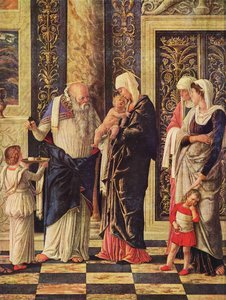
A Resurrection of Antiquity: The Visionary Spirit of Andrea Mantegna
In the quiet, transformative era of the early Renaissance, few works capture the profound intersection of divine triumph and archaeological passion as exquisitely as Andrea Mantegna’s Resurrection. Painted around 1460, this masterpiece serves as much more than a mere biblical illustration; it is a breathtaking testament to the power of rediscovery. Born near Padua, Mantegna was a child of a changing world, one where the dust of fallen Roman empires was being swept away by an intense scholarly hunger for classical truth. Through his eyes, we do not just witness the rising of Christ; we witness the rebirth of an entire aesthetic era, where the grandeur of ancient Rome is resurrected through the meticulous application of oil and pigment.
The painting presents a scene of celestial victory, portraying Jesus Christ as he ascends from the tomb. He stands atop a stone structure, his arms outstretched in a gesture that bridges the gap between the earthly and the divine. In one hand, he holds the cross, and in the other, a book, symbols that anchor his spiritual authority within the physical realm. Surrounding this central, luminous figure is a tapestry of human emotion: soldiers and onlookers are captured in various states of awe, some kneeling in reverence while others stand frozen by the miraculous event. Even the natural world participates in this sacred drama, with birds fluttering through the sky and perched upon rocks, suggesting that all of creation vibrates in harmony with this moment of eternal life.
The Sculptural Precision of a Renaissance Master
What distinguishes Mantegna’s technique from his contemporaries is an almost obsessive dedication to sculptural realism. Influenced heavily by his mentor Francesco Squarcione, Mantegna approached the wooden panel not merely as a surface for color, but as a medium for carving light and shadow. He employed a sophisticated layering process of oil paint to achieve a remarkable depth and luminosity, creating an illusion of three-dimensionality that rivals the monumental marble sculptures of antiquity. Every fold of fabric, every weathered edge of the stone tomb, and every anatomical detail of the figures is rendered with a precision that feels tactile, as if one could reach out and touch the cold, heavy weight of the Roman-inspired architecture.
This stylistic choice was deeply rooted in the historical context of the 15th century. As excavations at Pompeii and Herculaneum began to reveal the lost splendor of the Roman world, Mantegna sought to translate these archaeological findings into visual language. His use of perspective—often lowering the horizon to grant his subjects a sense of monumental scale—invites the viewer into a space that feels both historically grounded and spiritually elevated. For the discerning collector or interior designer, this painting offers more than just decoration; it provides a window into a period of intense intellectual curiosity, making it a profound focal point for any space dedicated to the appreciation of classical beauty and historical depth.
An Emotional Resonance for the Modern Collector
Beyond its technical brilliance, the Resurrection possesses an emotional gravity that remains undiminished by the passage of centuries. There is a palpable sense of tension and release within the composition—the stillness of death being shattered by the kinetic energy of life. The subtle shading and modeling of the figures evoke a sense of reverence, mirroring the awe one might feel when standing before the ruins of a great civilization. It is a work that speaks to themes of endurance, transformation, and the eternal struggle between darkness and light.
For those seeking to adorn a curated collection or a sophisticated living space, a high-quality reproduction of this work offers an unparalleled opportunity to engage with art history. The painting’s rich textures and dramatic composition provide a sense of timelessness, making it an ideal centerpiece for environments that value intellectual rigor and aesthetic elegance. To possess such a piece is to hold a fragment of the Renaissance spirit—a reminder that even from the shadows of the past, something magnificent can always be reborn.
Biografia dell'artista
primi anni di vita e carriera
Andrea Mantegna, pittore italiano innovativo e studioso di archeologia romana, nacque nel 1431 in Italia. La sua vita è segnata da un significativo distacco dalle forme più morbide del suo tempo, preferendo un trattamento audace e volumetrico dello spazio e della forma.contributo alla prospettiva
L'opera di Mantegna fu fondamentale nell'esplorazione della prospettiva, utilizzando tecniche come l'adattamento della linea dell'orizzonte per conferire una scala più ampia e un senso maggiore di gravità alle sue opere. Questo approccio segnò una svolta significativa rispetto alle forme più morbide del suo tempo, mettendo in mostra il suo stile unico.opere notevoli e associazioni
* Le pitture di Mantegna sono riconosciute per la loro robustezza scultorea, esibendo paesaggi e figure dure e riflettenti che rivelano la sua sensibilità come scultore alla forma e alla consistenza. * La sua associazione con la famiglia Bellini attraverso il matrimonio è degna di nota, poiché riflette l'interconnessione delle famiglie artistiche durante il Rinascimento.eredità nella storia dell'arte
L'influenza di Mantegna sullo sviluppo dell'arte in Italia e oltre è innegabile. Il suo approccio audace alla prospettiva e alla forma ha ispirato generazioni di artisti. Come si può vedere in la sua collezione su OriginalUniqueArt, le sue opere continuano a catturare il pubblico con la loro grandezza e stile innovativo.- principali movimenti artistici: Rinascimento, prospettiva precoce.
- opere notevoli: includono "Il lamento sul corpo morto di Cristo" e "San Giorgio".
- musei che espongono le sue opere: la National Gallery a Londra e la Pinacoteca Brera a Milano, tra gli altri.
ulteriore lettura ed esplorazione
* Per saperne di più sulla vita e sulle opere di Mantegna, consultare la collezione Palumbo-Fossati (Venezia, Italia), che presenta una breve panoramica della collezione e dei suoi pezzi più notevoli. * Esplora la storia dell'arte italiana con la cultura d'Italia su Wikipedia.
Andrea Mantegna
1431 - 1506 , Italia
Dati rapidi
- Artisti Influenti:
- Donatello
- Jacopo Bellini
- Artisti Influenzati:
- Raffaello
- Michelangelo
- Data Di Nascita: 1431
- Luogo Di Nascita: Carturo, Italia
- Movimento Artistico: Rinascimento
- Nazionalità: Italiana
- Nome Completo: Andrea Mantegna
- Opere Notevoli:
- Il lamento sul Cristo morto
- San Giorgio
- Camera degli Sposi
- Trionfi di Cesare
Articoli correlati

The Enduring Legacy of Oil on Canvas: Technique, History & Aesthetic Impact
Explore the rich history & techniques of oil painting – from Renaissance masters to Impressionism. Discover pigments, layering methods, and why this timeless medium endures. Expert insights for artists & art enthusiasts.

Oil on Canvas: A Historical & Technical Exploration of a Timeless Artistic Medium
Explore the rich history & enduring techniques of oil painting on canvas. Discover the science behind its longevity, conservation practices, and contemporary relevance. Expert insights for art enthusiasts.

The Enduring Power of Painting: A Historical & Contemporary Exploration of Form and Emotion
Explore the rich history & enduring techniques of oil painting with OriginalUniqueArt. Discover masterpieces, learn about art collecting, and find authentic handmade reproductions crafted by skilled artists.
The Timeless Charm of Oil on Board: Reimagining Texture and Light through the Impressionist Lens
Discover the profound intimacy of oil on panel. Explore how Impressionist masters used rigid supports to capture light, texture, and impasto depth through exquisite, handmade oil reproductions for discerning collectors.

L'Eredità Duratura della Pittura a Olio: Tecnica, Storia e Pratica Contemporanea
Esplora la storia affascinante e le tecniche della pittura a olio. Scopri come i maestri hanno creato capolavori senza tempo e come questa arte vive oggi. : riproduzioni di alta qualità e consulenza esperta.