

 Anteprima in scala reale
 Condividi
 Condividi
 Dettagli
 Guida stampabile

 Scarica
 Articoli simili
 Radiografia
 Slideshow
 Statistiche
Still Life
 Oil On Canvas
- WallArt
- Fauvism
 17.0 x 34.0 cm
 Fitzwilliam College
 Leggi tutto
Giclée / Stampe d'arte
Stampa giclée o su tela di qualità museale, con produzione rapida e diverse opzioni di finitura. ( Ordina la riproduzione dipinta a mano Passa all'immagine digitale)




P118B €10

P118H €10

P118W €10

P438Z €10

P508JH €12

P508YH €12

P805H €10

P805Z €10

P919BZ €10

P919G €10

P919XJ €10

P959ZH €10

P968JZ €12

W106C €8

W218G €10

W218JH €8

W218Y €10

W307PJ €10

W316G €10

W316PJ €8

W316Y €10

W398PJ €8

W4111J €10

W500HY €15

W500JH €15

W692G €12

W849H €8

W940BG €15

W953PJ €8




Scegli tra le nostre dimensioni predefinite, che rispettano le proporzioni originali dell'opera d'arte.

È possibile inserire dimensioni personalizzate per adattare l'opera a una cornice o a uno spazio specifico. Se la dimensione selezionata non corrisponde alle proporzioni dell'immagine originale, procederemo al ritaglio dell'opera o all'estensione dell'immagine con un bordo specchiato o a tinta unita. Un mockup digitale ti verrà inviato per approvazione prima dell'inizio della produzione.
Si prega di notare che l'anteprima a schermo non riflette il ritaglio o l'estensione effettivi. Solo il mockup mostrerà accuratamente la composizione finale.
Sebbene siano disponibili dimensioni personalizzate, si raccomanda di selezionare una dimensione dall'elenco predefinito per preservare le proporzioni originali.
Consegna in tutto il mondo () in 2 settimane invece delle normali 4/5 settimane. (13 Ottobre)

Spedizione espressa gratuita in tutto il mondo

Tela in lino di alta qualità

Assicurazione completa sulla spedizione

Garanzia di rimborso dei dazi doganali

Garanzia di perfetta fedeltà cromatica

Politica di reso entro 100 giorni (solo per difetti di fabbricazione)

Garanzia di rimborso al 100%

Sconto per acquisti multipli
 L'opzione vetro è disponibile solo per dimensioni inferiori a 110 cm

Still Life
Giclée / Stampe d'arte
Dimensioni della riproduzione
-


Prezzo totale
€ 69
André Derain’s Still Life: A Fragment of Abundance
André Derain's "Still Life," painted between 1921 and 1922, isn’t merely a depiction of fruit and vegetables; it’s a carefully constructed meditation on the transient beauty of everyday objects and the quiet dignity of domesticity. This work, now residing within the Art Gallery of New South Wales' collection, offers a fascinating glimpse into the artist’s evolving style – a deliberate shift away from the vibrant, almost aggressively colorful Fauvism that defined his earlier career and towards a more restrained, classically-influenced aesthetic.
The scene itself is deceptively simple: a bowl overflowing with olives and a solitary green pepper rest upon a pristine white plate. Yet, within this apparent stillness lies a remarkable dynamism. Derain’s brushstrokes are not smooth or polished; instead, they possess a palpable energy, building up layers of paint to create a textured surface that seems to shimmer in the light. The composition is dominated by the oval form of the plate, acting as a central anchor and drawing the eye inward. Notice how he utilizes broken lines and fragmented forms – echoes of Cubism but tempered with a sensitivity to color and shape reminiscent of his earlier Fauvist period.
The Echoes of Tradition and Modernity
To fully appreciate “Still Life,” it’s crucial to understand Derain's artistic journey. Following the explosive success of Fauvism, he embarked on a period of intense self-reflection, seeking inspiration in the art of the Renaissance masters – particularly Jan van Eyck and Hieronymus Bosch. This exploration led him to a renewed interest in order, harmony, and detachment, qualities he sought to embody in his later works. The muted palette—a blend of greys, browns, and subtle greens—reflects this shift away from the bold, unrestrained colors of his Fauvist phase.
However, Derain never abandoned his inherent expressive tendencies entirely. The painting retains a certain emotional resonance, a quiet intensity conveyed through the deliberate manipulation of color and texture. The olive’s dark hue, contrasted against the bright green pepper, creates a subtle tension, hinting at both abundance and decay – a poignant reminder of the fleeting nature of beauty. This duality is characteristic of Derain's work throughout his career: a constant negotiation between tradition and innovation, restraint and expression.
Symbolism and the Language of Still Life
Like many still life paintings of its era, “Still Life” carries layers of symbolic meaning. The arrangement of objects – the bowl, the plate, the fruit – can be interpreted as a visual representation of nourishment, abundance, and the cycle of seasons. The presence of olives, often associated with peace and prosperity, further reinforces this theme. Moreover, the painting’s composition subtly alludes to the tradition of *vanitas* paintings, which traditionally included objects representing mortality and the transience of earthly pleasures. The simple arrangement, devoid of overt religious iconography, suggests a more secular reflection on these themes – a quiet contemplation of life's ephemeral nature.
A Masterpiece in Reproduction
André Derain’s “Still Life” is a testament to the enduring power of seemingly simple subjects. Its evocative brushwork, subtle color palette, and layered symbolism continue to captivate viewers today. When considering a high-quality reproduction, it's important to select one that accurately captures the painting’s textural richness and nuanced tonal variations. The interplay of light and shadow, so skillfully rendered by Derain, is particularly crucial – ensuring that the reproduction conveys the same sense of depth and atmosphere as the original.
Whether displayed in a formal gallery setting or incorporated into a personal interior design scheme, “Still Life” offers a timeless reminder of beauty’s fleeting nature and the enduring appeal of everyday objects. It is a work that invites contemplation, sparking a dialogue between the viewer and the artist's profound understanding of light, color, and the human condition.
Domande e risposte
In quale stanza si consiglia di esporre "Still Life" di André Derain?
Una riproduzione di "Still Life" si adatta perfettamente a un/una Living Room.
"Still Life" di André Derain utilizza forti contrasti o armonie delicate?
L'analisi cromatica di "Still Life" di André Derain registra un Bold contrasto e una Balanced Harmony armonia.
Chi ha creato "Still Life"?
L'artista che ha creato "Still Life" è André Derain. L'opera è catalogata sotto il nome di André Derain.
Dove posso acquistare un'immagine digitale di "Still Life" di André Derain?
"Still Life" è disponibile come download di un'immagine digitale ad alta risoluzione, acquistabile direttamente su questa pagina.
Che atmosfera saprebbe conferire a una stanza una riproduzione di "Still Life" di André Derain?
Con la sua atmosfera Calm, "Still Life" è ideale per Living Room.
André Derain, autore di "Still Life", è conosciuto con altri nomi?
André Derain compare con i nomi alternativi Andre Derain.
Qual è la forma di "Still Life" di André Derain e quali sono le sue dimensioni?
"Still Life" di André Derain è una composizione in Panoramic che misura 17 x 34 cm nell'originale.
Quali sono le dimensioni dell'originale "Still Life" di André Derain?
L'originale "Still Life" di André Derain misura 17 x 34 cm.
Biografia dell'artista
Primi Anni e Formazione
- Nascita e Famiglia: André Derain nacque il 10 giugno 1880 a Chatou, Yvelines, Île-de-France, appena fuori Parigi.
- Studio Indipendente: Contrariamente ad alcune affermazioni, Derain iniziò a dipingere indipendentemente nel 1895, prima di incontrare Vlaminck o Matisse. Occasionalmente andava nella campagna con Padre Jacomin e i suoi figli.
- Formazione Scolastica: Nel 1898, studiò ingegneria all'Académie Camillo, dove incontrò Matisse e successivamente frequentò lezioni di pittura sotto Eugène Carrière.
- Abbandono dell'Ingegneria: Dopo il servizio militare (1901-1904), Derain fu persuaso da Matisse ad abbandonare la sua carriera ingegneristica e dedicarsi alla pittura. Frequentò quindi l'Académie Julian.
Fauvismo e Sviluppo Artistico Iniziale
- Collaborazione con Matisse: Derain collaborò strettamente con Henri Matisse, in particolare durante l'estate del 1905 a Collioure, dando vita a opere come "Montagne a Collioure".
- Salon d'Automne (1905): La loro esposizione al Salon d'Automne segnò un momento cruciale, portando il critico Louis Vauxcelles a coniare il termine "Fauves" ("belve selvagge") a causa del loro uso audace e non convenzionale del colore.
- Dipinti di Londra: Nel 1906, Derain fu inviato a Londra da Ambroise Vollard, producendo una serie di dipinti che raffiguravano la città in modo nuovo e sorprendente, concentrandosi sul Tamigi e sul Tower Bridge. Queste opere sono considerate tra le sue più significative.
- Influenze e Stile: Il lavoro Fauvista iniziale è caratterizzato da colori intensi, non naturalistici e pennellate espressive. Derain fu influenzato da artisti come Van Gogh e Cézanne.
Evoluzione dello Stile e Opere Successive
- Passaggio al Classicismo: Dopo il 1907, lo stile di Derain iniziò a evolversi, allontanandosi dalla tavolozza puramente Fauvista verso tonalità più attenuate e una maggiore enfasi sulla forma. Questo periodo (1911-1914) è talvolta definito la sua "fase gotica".
- Influenza del Cubismo & dei Maestri Antichi: Il lavoro di Derain in questo periodo riflette il suo studio dei Maestri Antichi, incorporando elementi del Cubismo e un rinnovato interesse per le forme classiche.
- Design per Balletto: Nel 1919, progettò il balletto "La Boutique Fantasque" per Diaghilev, dimostrando la sua versatilità come artista.
- Opere Notevoli: Tra le opere chiave di questo periodo figurano "Arlecchino e Pierrot", "Il ritorno di Ulisse" (un grande murale) e vari paesaggi e nature morte che mostrano la sua evoluzione stilistica.
Eredità e Significato Storico
- Co-fondatore del Fauvismo: Derain è riconosciuto come una figura chiave nello sviluppo del Fauvismo, insieme a Matisse, contribuendo in modo significativo al movimento artistico moderno dei primi anni del XX secolo.
- Visione Unica di Londra: La sua serie di dipinti che raffigurano Londra ha offerto una prospettiva nuova e distintiva sulla città, allontanandosi dalle rappresentazioni artistiche precedenti.
- Riconoscimento nel Dopoguerra: Dopo la Prima Guerra Mondiale, Derain ottenne un rinnovato apprezzamento per i suoi contributi a un ritrovato classicismo nell'arte.
- Ultimi Anni e Controversie: Nonostante abbia vinto il premio Carnegie nel 1928, Derain affrontò controversie durante la Seconda Guerra Mondiale a causa della sua presenza in Germania ed è stato successivamente ostracizzato da alcuni ex sostenitori.
- Morte e Ricordo: André Derain morì l'8 settembre 1954. La sua opera continua ad essere celebrata per i suoi colori audaci, le composizioni espressive e il significativo contributo alla storia dell'arte moderna.
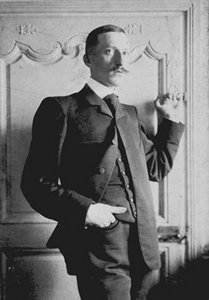
André Derain
1880 - 1954 , Francia
Informazioni rapide
- Artisti Influenti:
- Henri Matisse
- Pablo Picasso
- Data Di Nascita: 10 giugno 1880
- Influenze Artistiche:
- Impressionismo
- Post-impressionismo
- Luogo Di Nascita: Chatou, Francia
- Movimento Artistico: Fauvismo
- Nazionalità: Francese
- Nome Completo: André Derain
- Opere Notevoli:
- Arlecchino e Pierrot
- Ponti di Londra
Articoli correlati
André Derain: Visionario del Fauvismo e l'Evoluzione del Colore Moderno
Esplora la vita e le opere di André Derain, pioniere del Fauvismo. Scopri l'evoluzione del suo stile audace e l'impatto sull'arte moderna. Riproduzioni di alta qualità su OriginalUniqueArt.
I 10 Capolavori Fauvisti che Hanno Rivoluzionato l'Arte Moderna |
Esplora i 10 capolavori Fauvismo di Matisse, Derain e Vlaminck. Scopri la storia, i colori audaci e l'impatto di questo rivoluzionario movimento artistico. Riproduzioni d'arte di alta qualità su .

Opere d'Arte Audaci: I Capolavori che Definiscono un Carattere Forte | OriginalUniqueArt
Esplora 10 opere d'arte audaci che esprimono forza e passione! Da Van Gogh a Frida Kahlo, scopri la storia, i colori e le emozioni dietro capolavori iconici. Trova stampe di alta qualità per arredare con personalità su OriginalUniqueArt.com.

Silent Narratives: Exploring the Enduring Appeal of Still Life Painting Across Centuries
Explore the rich history of still life painting with OriginalUniqueArt. Discover Dutch Masters, decode vanitas symbolism & learn about collecting timeless art. Expert insights and museum-quality reproductions.
I 10 Capolavori Fauvisti che Hanno Rivoluzionato l'Arte Moderna | OriginalUniqueArt
Esplora i 10 capolavori del Fauvismo con OriginalUniqueArt. Scopri Matisse, Derain e altri maestri dell'arte moderna e le loro tele dai colori audaci. Trova riproduzioni artistiche di alta qualità per la tua casa! Esplora la collezione online.


