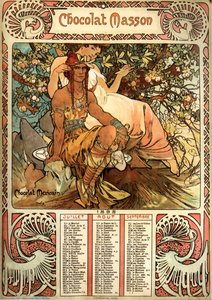
Anteprima in scala reale
 Condividi
 Condividi
 Dettagli
 Guida stampabile

 Scarica
 Articoli simili
 Radiografia
 Slideshow
 Statistiche
untitled (1561)


 Leggi tutto
Giclée / Stampe d'arte
Stampa giclée o su tela di qualità museale, con produzione rapida e diverse opzioni di finitura. ( Ordina la riproduzione dipinta a mano Passa all'immagine digitale)




P118B €10

P118H €10

P118W €10

P438Z €10

P508JH €12

P508YH €12

P805H €10

P805Z €10

P919BZ €10

P919G €10

P919XJ €10

P959ZH €10

P968JZ €12

W106C €8

W218G €10

W218JH €8

W218Y €10

W307PJ €10

W316G €10

W316PJ €8

W316Y €10

W398PJ €8

W4111J €10

W500HY €15

W500JH €15

W692G €12

W849H €8

W940BG €15

W953PJ €8




Scegli tra le nostre dimensioni predefinite, che rispettano le proporzioni originali dell'opera d'arte.

Inserisci la larghezza e l'altezza desiderate, per adattarle alla tua cornice o alla tua parete. Una stampa può essere solo ritagliata, mai resa più grande dell'immagine originale; pertanto, un formato con una forma differente comporterà la perdita di una parte dell'opera. Ti invieremo un mockup digitale da approvare prima di procedere con la stampa. L'immagine mostrata in questa pagina non rappresenta il ritaglio reale — solo il mockup lo mostra.
Consegna in tutto il mondo () in 2 settimane invece delle normali 4/5 settimane. (24 Ottobre)

Spedizione espressa gratuita in tutto il mondo

Tela in lino di alta qualità

Assicurazione completa sulla spedizione

Garanzia di rimborso dei dazi doganali

Garanzia di perfetta fedeltà cromatica

Politica di reso entro 100 giorni (solo per difetti di fabbricazione)

Garanzia di rimborso al 100%

Sconto per acquisti multipli
 L'opzione vetro è disponibile solo per dimensioni inferiori a 110 cm

untitled (1561)
Giclée / Stampe d'arte
Dimensioni della riproduzione
-


Prezzo totale
€ 70
A Symphony of Ornamentation: The Soul of Art Nouveau
To step into the world of Alphonse Mucha is to surrender to a dreamscape where the boundaries between fine art and decorative elegance dissolve into a single, flowing rhythm. His work, particularly seen in pieces like untitled (1561), serves as a breathtaking portal to the Belle Époque, an era defined by a profound longing for beauty amidst the encroaching rigidity of the industrial age. Mucha did not merely paint; he orchestrated a visual language composed of sinuous lines, organic motifs, and a sense of ethereal movement that would eventually define the Art Nouveau movement. His mastery lies in his ability to transform the flat surface of a canvas or poster into a lush, multidimensional experience, where every curve feels alive with the pulse of nature.
The composition of this particular work invites the viewer into an opulent interior, a sanctuary of craftsmanship and refined taste. At its heart lies a magnificent, ornate table, acting as an anchor for a room that breathes with warmth and grandeur. The palette is a rich tapestry of autumnal tones—deep reds, burnt oranges, and earthy browns—which bathe the scene in a soft, diffused light. This warmth creates an atmosphere of intimacy and luxury, making the space feel less like a static room and more like a living, breathing extension of the natural world. For the discerning collector or interior designer, such a piece offers more than mere decoration; it provides a focal point of historical depth and sensory richness.
Symbolism and the Language of Nature
Beyond its immediate aesthetic splendor, the artwork is steeped in the symbolic vocabulary that Mucha championed throughout his illustrious career. The presence of the peacock motif within the stained glass window is particularly poignant; in the lexicon of Art Nouveau, the peacock represents a duality of beauty, pride, and immortality. This element, paired with the intricate geometric patterns and stylized floral flourishes, connects the domestic interior to the wild, untamed elegance of the natural realm. Mucha’s ability to weave these symbols into the very fabric of the architecture suggests a philosophy where art is not separate from life, but rather an essential component of a well-lived existence.
The interplay of textures further enhances this symbolic narrative. The smooth, polished surfaces of the wood contrast beautifully with the reflective glint of metal accents and the translucent, textured quality of the glass. This tactile variety engages the viewer on a subconscious level, evoking the sensation of touching the fine materials of a bygone era. It is this meticulous attention to detail—the way light catches a curved edge or settles into a deep shadow—that gives the piece its enduring emotional resonance. It evokes a sense of nostalgia for a time when craftsmanship was a sacred pursuit and every decorative element told a story of grace and intention.
A Timeless Legacy for the Modern Collector
For those seeking to infuse their contemporary spaces with character and historical weight, a high-quality reproduction of Mucha’s vision offers unparalleled inspiration. Whether placed in a grand salon or a quiet study, the artwork commands attention through its sophisticated balance of complexity and harmony. It serves as a bridge between the past and the present, bringing the romanticism of the late 19th century into the modern home. The piece does not merely occupy space; it transforms it, creating an environment of contemplative beauty and refined luxury.
Investing in such a work is an embrace of the Art Nouveau spirit—a celebration of the organic, the decorative, and the profoundly beautiful. As a centerpiece for interior design, it provides a foundation of warmth and narrative depth that complements both classical and modern aesthetics. To possess a piece of Mucha’s legacy is to hold a fragment of a golden age, ensuring that the flowing lines and luminous colors of his incomparable vision continue to inspire generations of art lovers and connoisseurs alike.
Domande e risposte
A quale fase dello sviluppo di Alphonse Maria Mucha appartiene "untitled (1561)"?
"untitled (1561)" rappresenta il Mature Period di Alphonse Maria Mucha.
"untitled (1561)" presenta forti contrasti chiaroscurali?
"untitled (1561)" di Alphonse Maria Mucha mostra un contrasto Gentle tra le sue zone chiare e scure.
Cosa rappresenta "untitled (1561)"?
I temi presenti in "untitled (1561)" di Alphonse Maria Mucha includono luxury interior, decorative design, peacock motif, art nouveau style, elegant composition, rich color palette, ornate furniture. Insieme, essi riassumono il soggetto dell'opera.
Biografia dell'artista
Primi Anni e Formazione
- Nato: 15 luglio 1860, a Ivanačice, Moravia (oggi parte della Repubblica Ceca)
- Dimostrò talento artistico fin da giovane età.
- Studiò all'Accademia di Belle Arti di Praga ma si disilluse degli approcci tradizionali.
- Si trasferì a Parigi nel 1887 per perseguire il suo stile.
Stile Artistico e Opere Notabili
- Conosciuto per lo distintivo stile Art Nouveau caratterizzato da linee fluide, forme organiche e un senso di movimento.
- Influenzato da artisti come Pierre-Auguste Renoir e Gustave Moreau.
- Opere Notabili:
- La Rivolta Slava - Mostra la fusione dei motivi tradizionali cechi con elementi moderni Art Nouveau.
- Salon des Cent
- Dipinti ispirati a opere come Le Figlie di Tespio di Gustave Moreau, e La Ribambelle des Gobelins di Piero Dorazio.
- Illustrazioni basate su Giovani Agricoltori che Filano il Lino di Sir Hubert von Herkomer.
- Frequentemente raffigurava donne idealizzate in abiti fluenti circondate da lussureggianti fiori.
Momenti Chiave della Carriera e Commissioni Importanti
- Collaborazione con Sarah Bernhardt: Creò poster e disegni per l'attrice Sarah Bernhardt, a partire dal poster per Gismonda (1894), che lanciò la sua carriera.
- Esposizione Universale di Parigi (1900): Il suo stile Art Nouveau ottenne riconoscimento internazionale in questa esposizione. Decorò il Padiglione della Bosnia ed Erzegovina e collaborò al Padiglione Austriaco.
- Patronato di Charles Richard Crane: Ricevette supporto da Charles Richard Crane, che gli permise di creare la monumentale serie La Gerarchia Slava (1912-30).
- Cecoslovacchia Indipendente: Progettò francobolli, banconote e documenti governativi per la Cecoslovacchia appena indipendente.
Influenze ed Eredità
- Influenzato dalle tradizioni artistiche ceche e dai movimenti artistici europei moderni.
- Il suo stile unico aprì la strada alle future generazioni di artisti nell'Art Nouveau e Secessionismo.
- Ha ispirato altri artisti come Eva Prokopcová.
- L'eredità si estende oltre le sue opere d'arte per influenzare il design e l'estetica.
Vita Successiva e Morte
- Sposò Maruska (Marie/Maria) Chytilová nel 1906.
- Visitò gli Stati Uniti dal 1906 al 1910, dove nacque la loro figlia Jaroslava.
- Morì il 14 luglio 1939 a Praga, Cecoslovacchia.

Alphonse Maria Mucha
1860 - 1939 , Repubblica Ceca
Informazioni rapide
- Artisti Influenti:
- Pierre-Auguste Renoir
- Gustave Moreau
- Artisti Influenzati: ['Eva Prokopcová']
- Data Di Morte: 14 luglio 1939
- Data Di Nascita: 15 luglio 1860
- Luogo Di Nascita: Brno, Repubblica Ceca
- Movimento Artistico: Art Nouveau
- Nazionalità: Ceco
- Nome Completo: Alphonse Maria Mucha
- Opere Notevoli:
- La Rivolta Slava
- Salon des Cent
- Le figlie di Tespio
- Slav Epic
Articoli correlati
Art Nouveau: I 10 Capolavori che Hanno Definito un'Epoca | .it
Esplora i 10 capolavori che hanno definito l'Art Nouveau! Scopri le storie di Mucha, Klimt e altri maestri. Quadri iconici, colori vibranti e decorazioni uniche per la tua casa. Trova riproduzioni d'arte di alta qualità su .
Alphonse Mucha: Un'Esplorazione Completa del Maestro dell'Art Nouveau e del Simbolismo Decorativo
Esplora la vita e l'opera di Alphonse Mucha, il maestro dell'Art Nouveau. Analisi approfondita del suo stile unico, dai manifesti iconici a 'Salomè'. Scopri l'eredità duratura di questo artista rivoluzionario.
Art Nouveau Guide: Integrating Elegant Curves and Organic Design into Luxury Hotel Interiors
Master Art Nouveau integration for luxury hotel interiors. Discover expert strategies for utilizing organic curves, whiplash lines, and botanical motifs to create sophisticated, high-end hospitality spaces with scalable, professional art procurement solutions.
The Flowing Line & Flourishing Form: Exploring Art Nouveau's Aesthetic Legacy
Explore the captivating world of Art Nouveau! Discover its origins, key artists like Horta & Mucha, regional styles, innovative techniques, and lasting influence on architecture & design. A comprehensive guide for art enthusiasts.

The Elegance of Art Nouveau: Discovering Beauty in Nature’s Sinuous Curves and the Belle Époque Spirit
Immerse yourself in the romantic allure of Art Nouveau. Explore the sinuous curves and floral elegance of the Belle Époque through our exquisite, hand-painted reproductions. Discover a timeless connection to nature’s beauty with our museum-quality collection.