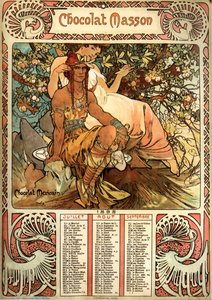
Anteprima in scala reale
 Condividi
 Condividi
 Dettagli
 Guida stampabile

 Scarica
 Articoli simili
 Radiografia
 Slideshow
 Statistiche
The Slav Epic


 Leggi tutto
Giclée / Stampe d'arte
Stampa giclée o su tela di qualità museale, con produzione rapida e diverse opzioni di finitura. ( Ordina la riproduzione dipinta a mano Passa all'immagine digitale)




P118B €10

P118H €10

P118W €10

P438Z €10

P508JH €12

P508YH €12

P805H €10

P805Z €10

P919BZ €10

P919G €10

P919XJ €10

P959ZH €10

P968JZ €12

W106C €8

W218G €10

W218JH €8

W218Y €10

W307PJ €10

W316G €10

W316PJ €8

W316Y €10

W398PJ €8

W4111J €10

W500HY €15

W500JH €15

W692G €12

W849H €8

W940BG €15

W953PJ €8




Scegli tra le nostre dimensioni predefinite, che rispettano le proporzioni originali dell'opera d'arte.

Inserisci la larghezza e l'altezza desiderate, per adattarle alla tua cornice o alla tua parete. Una stampa può essere solo ritagliata, mai resa più grande dell'immagine originale; pertanto, un formato con una forma differente comporterà la perdita di una parte dell'opera. Ti invieremo un mockup digitale da approvare prima di procedere con la stampa. L'immagine mostrata in questa pagina non rappresenta il ritaglio reale — solo il mockup lo mostra.
Consegna in tutto il mondo () in 2 settimane invece delle normali 4/5 settimane. (23 Ottobre)

Spedizione espressa gratuita in tutto il mondo

Tela in lino di alta qualità

Assicurazione completa sulla spedizione

Garanzia di rimborso dei dazi doganali

Garanzia di perfetta fedeltà cromatica

Politica di reso entro 100 giorni (solo per difetti di fabbricazione)

Garanzia di rimborso al 100%

Sconto per acquisti multipli
 L'opzione vetro è disponibile solo per dimensioni inferiori a 110 cm

The Slav Epic
Giclée / Stampe d'arte
Dimensioni della riproduzione
-


Prezzo totale
€ 70
The Slav Epic: A Monument to Slavic Identity
Alphonse Mucha’s *The Slav Epic* stands as one of the most ambitious and visually arresting projects of the Art Nouveau era. Completed between 1912 and 1926, this monumental cycle of twenty paintings isn't merely a collection of historical scenes; it’s a profound statement about Slavic identity, spirituality, and the enduring power of myth. Commissioned by the Czech government as a celebration of Czechoslovakia’s newly gained independence, Mucha poured his heart and soul into creating an epic that would resonate with the Slavic people across vast geographical distances – a testament to their shared heritage and cultural resilience.
The sheer scale of *The Slav Epic* is immediately striking. Each canvas measures over six by eight meters (approximately 20 x 26 feet), demanding attention and immersing the viewer in Mucha’s meticulously crafted world. This monumental format was deliberate, intended to evoke a sense of grandeur and importance, reflecting the significance he placed on portraying the Slavic narrative with unparalleled depth and detail. The paintings are not simply decorative; they were conceived as a powerful visual chronicle, designed to inspire pride and unity within the Slavic nations.
A Symphony of Art Nouveau Style
Muchas distinctive style is immediately recognizable – a hallmark of his Art Nouveau period. Flowing lines dominate every composition, creating an almost liquid quality that seems to animate the figures and landscapes. Organic forms are prevalent, drawing inspiration from nature—floral motifs intertwine with human forms, reflecting a deep connection to the natural world. The use of color is particularly masterful; rich, saturated hues – deep blues, vibrant reds, earthy greens, and shimmering golds – create an atmosphere of both solemnity and opulence. This careful orchestration of color isn’t just aesthetically pleasing; it serves to heighten the emotional impact of each scene.
The figures themselves are idealized representations of Slavic people, often depicted in flowing robes that emphasize movement and grace. Mucha's women – frequently adorned with elaborate headdresses and jewelry – embody a sense of timeless beauty and spiritual power. He skillfully employs techniques like sfumato (the blurring of edges) to create a soft, atmospheric effect, further enhancing the dreamlike quality of his work. The artist’s meticulous attention to detail, from the texture of fabrics to the expressions on the figures' faces, elevates these paintings beyond mere illustrations and transforms them into powerful works of art.
Symbolism and Narrative
Each of the twenty canvases tells a specific story from Slavic history and mythology. The cycle is divided roughly in half, with ten panels depicting events from Czech history and the other ten exploring broader Slavic narratives. Notable scenes include “The Bulgarian Tsar Simeon,” where the young ruler welcomes Methodius and Cyril to his kingdom, symbolizing the spread of Christianity among the Slavs; and “The Apotheosis of the Slavs,” a triumphant finale depicting the Slavic people’s ultimate victory and their arrival in their homeland.
Beyond the literal narratives, *The Slav Epic* is rich in symbolism. Recurring motifs – such as the wheat stalk (representing fertility and abundance) and the stylized depiction of the sun – carry deeper meanings related to Slavic spirituality and worldview. Mucha’s work reflects a deep engagement with Slavonic mythology, incorporating elements from ancient legends and folklore into his compositions. The paintings are not simply historical records; they are carefully constructed allegories designed to evoke a sense of national pride and cultural identity.
A Legacy of Artistic Vision
Alphonse Mucha’s *The Slav Epic* remains a testament to the artist's extraordinary vision and technical skill. It is a monumental achievement that transcends its historical context, continuing to captivate viewers with its beauty, power, and profound message. Reproductions of this iconic artwork offer an unparalleled opportunity to experience the full impact of Mucha’s genius – a chance to own a piece of art history that celebrates the enduring spirit of the Slavic people.
Domande e risposte
Quale posto occupa "The Slav Epic" all'interno della produzione artistica di Alphonse Maria Mucha?
"The Slav Epic" appartiene all'opera Art Nouveau di Alphonse Maria Mucha, i cui temi ricorrenti includono renoir, moreau influences, slavic mythology themes, czech nationalism reflects, monumental project ambition, muchas signature style.
Quanta luce sembrano riflettere i colori di "The Slav Epic"?
"The Slav Epic" di Alphonse Maria Mucha ha una luminanza di Bright Balance. La luminanza descrive quanta luce sembrano riflettere i colori.
Chi vende copie dipinte a mano di "The Slav Epic" di Alphonse Maria Mucha?
"The Slav Epic" è disponibile come una riproduzione a olio dipinta a mano su tela di lino. L'ordine può essere effettuato nella sua pagina Riproduzione dipinta a mano, con la possibilità di scegliere tra diverse dimensioni.
Biografia dell'artista
Primi Anni e Formazione
- Nato: 15 luglio 1860, a Ivanačice, Moravia (oggi parte della Repubblica Ceca)
- Dimostrò talento artistico fin da giovane età.
- Studiò all'Accademia di Belle Arti di Praga ma si disilluse degli approcci tradizionali.
- Si trasferì a Parigi nel 1887 per perseguire il suo stile.
Stile Artistico e Opere Notabili
- Conosciuto per lo distintivo stile Art Nouveau caratterizzato da linee fluide, forme organiche e un senso di movimento.
- Influenzato da artisti come Pierre-Auguste Renoir e Gustave Moreau.
- Opere Notabili:
- La Rivolta Slava - Mostra la fusione dei motivi tradizionali cechi con elementi moderni Art Nouveau.
- Salon des Cent
- Dipinti ispirati a opere come Le Figlie di Tespio di Gustave Moreau, e La Ribambelle des Gobelins di Piero Dorazio.
- Illustrazioni basate su Giovani Agricoltori che Filano il Lino di Sir Hubert von Herkomer.
- Frequentemente raffigurava donne idealizzate in abiti fluenti circondate da lussureggianti fiori.
Momenti Chiave della Carriera e Commissioni Importanti
- Collaborazione con Sarah Bernhardt: Creò poster e disegni per l'attrice Sarah Bernhardt, a partire dal poster per Gismonda (1894), che lanciò la sua carriera.
- Esposizione Universale di Parigi (1900): Il suo stile Art Nouveau ottenne riconoscimento internazionale in questa esposizione. Decorò il Padiglione della Bosnia ed Erzegovina e collaborò al Padiglione Austriaco.
- Patronato di Charles Richard Crane: Ricevette supporto da Charles Richard Crane, che gli permise di creare la monumentale serie La Gerarchia Slava (1912-30).
- Cecoslovacchia Indipendente: Progettò francobolli, banconote e documenti governativi per la Cecoslovacchia appena indipendente.
Influenze ed Eredità
- Influenzato dalle tradizioni artistiche ceche e dai movimenti artistici europei moderni.
- Il suo stile unico aprì la strada alle future generazioni di artisti nell'Art Nouveau e Secessionismo.
- Ha ispirato altri artisti come Eva Prokopcová.
- L'eredità si estende oltre le sue opere d'arte per influenzare il design e l'estetica.
Vita Successiva e Morte
- Sposò Maruska (Marie/Maria) Chytilová nel 1906.
- Visitò gli Stati Uniti dal 1906 al 1910, dove nacque la loro figlia Jaroslava.
- Morì il 14 luglio 1939 a Praga, Cecoslovacchia.

Alphonse Maria Mucha
1860 - 1939 , Repubblica Ceca
Informazioni rapide
- Artisti Influenti:
- Pierre-Auguste Renoir
- Gustave Moreau
- Artisti Influenzati: ['Eva Prokopcová']
- Data Di Morte: 14 luglio 1939
- Data Di Nascita: 15 luglio 1860
- Luogo Di Nascita: Brno, Repubblica Ceca
- Movimento Artistico: Art Nouveau
- Nazionalità: Ceco
- Nome Completo: Alphonse Maria Mucha
- Opere Notevoli:
- La Rivolta Slava
- Salon des Cent
- Le figlie di Tespio
- Slav Epic