Anteprima in scala reale
 Condividi
 Condividi
 Dettagli
 Guida stampabile

 Scarica
 Articoli simili
 Radiografia
 Slideshow
 Statistiche
Fate


 Leggi tutto
Riproduzione a olio fatta a mano
Olio su tela dipinto a mano nelle tue dimensioni e con la tua cornice, realizzato su ordinazione dai nostri artisti. ( Passa alle stampe Passa all'immagine digitale)




P118B €10

P118H €10

P118W €10

P438Z €10

P508JH €12

P508YH €12

P805H €10

P805Z €10

P919BZ €10

P919G €10

P919XJ €10

P959ZH €10

P968JZ €12

W106C €8

W218G €10

W218JH €8

W218Y €10

W307PJ €10

W316G €10

W316PJ €8

W316Y €10

W398PJ €8

W4111J €10

W500HY €15

W500JH €15

W692G €12

W849H €8

W940BG €15

W953PJ €8




Scegli tra le nostre dimensioni predefinite, che rispettano le proporzioni originali dell'opera d'arte.

È possibile inserire dimensioni personalizzate per adattare l'opera a una cornice o a uno spazio specifico. Se la dimensione selezionata non corrisponde alle proporzioni dell'immagine originale, provvederemo a ritagliare l'opera o a estendere il dipinto con elementi aggiuntivi dipinti a mano. Un mockup digitale ti sarà inviato per approvazione prima dell'inizio della produzione.
Si prega di notare che l'anteprima a schermo non riflette il ritaglio o l'estensione effettivi. Solo il mockup mostrerà accuratamente la composizione finale.
Sebbene siano disponibili dimensioni personalizzate, consigliamo di selezionare una dimensione dall'elenco predefinito per preservare le proporzioni originali.
Dopo l'ordine, il team di OriginalUniqueArt.com contatterà il cliente via e-mail per ricevere le istruzioni e fornirà un'anteprima del mockup
Consegna in tutto il mondo () in 3/4 settimane anziché nelle normali 5 settimane. (13 Ottobre). Nessun compromesso sulla qualità.

Spedizione espressa gratuita in tutto il mondo

Tela in lino di alta qualità

Assicurazione completa sulla spedizione

Garanzia di rimborso dei dazi doganali

Garanzia di perfetta fedeltà cromatica

Politica di reso entro 100 giorni (solo per difetti di fabbricazione)

Garanzia di rimborso al 100%

Sconto per acquisti multipli
 L'opzione vetro è disponibile solo per dimensioni inferiori a 110 cm

Fate
Tecnica di riproduzione
Dimensioni della riproduzione
-


Prezzo totale
€ 259
The Enigma of Destiny: Unveiling Mucha’s "Fate"
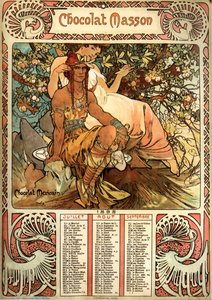
In the pantheon of Art Nouveau, few names resonate with as much grace and decorative mastery as Alphonse Mucha. His work, often characterized by a seamless marriage of fine art and ornamental elegance, finds one of its most profound expressions in the painting "Fate." This arresting portrait transcends mere representation, inviting the viewer into a silent, contemplative dialogue. At first glance, the composition presents two women, their figures positioned with a striking symmetry that anchors the frame. Yet, there is an immediate sense of mystery; each woman uses her hand to obscure her face, creating a veil of anonymity that suggests a deep, internal world hidden from the observer. This deliberate act of concealment serves as a gateway to the piece's deeper emotional resonance, evoking feelings of vulnerability, introspection, and the profound weight of the unknown.
The technical brilliance of Mucha is on full display through his signature use of organic, undulating lines—the very heartbeat of the Art Nouveau movement. The drapery that cascades around the central figures does not merely hang; it flows with a rhythmic vitality, mimicking the fluid motion of wind or water. This sinuousness provides a breathtaking contrast to the more rigid, rectilinear elements within the scene, such as the dining table and the delicate cups placed in the background. Through this masterful manipulation of geometry, Much and his contemporaries sought to break away from the mechanical rigidity of the industrial age, instead celebrating the rhythmic pulse of the natural world. For the collector or interior designer, this interplay of soft curves and structured forms offers a sophisticated visual balance that can anchor a room with both movement and stability.
Symbolism and the Soul of Art Nouveau
Beyond its aesthetic allure, "Fate" is a tapestry woven with rich symbolic threads drawn from Slavic folklore and Christian iconography. The act of covering one's eyes is far more than a stylistic choice; it represents a spiritual retreat—an attempt to turn away from the distractions of the material world to grasp the elusive nature of destiny itself. The dining table, visible in the soft-focus background, serves as a poignant symbol of nourishment and communion, suggesting that even amidst the uncertainty of life's journey, there remains a fundamental human need for connection and sustenance. This duality—the tension between the external world of social ritual and the internal world of spiritual searching—is what gives the painting its enduring psychological depth.
The color palette further enhances this atmosphere of quiet intrigue. By utilizing muted tones of beige, pale green, and soft earth hues, Mucha creates a dreamlike environment that feels both timeless and ethereal. This subdued chromatic range ensures that the focus remains on the emotional gestures of the subjects rather than being overwhelmed by vibrant spectacle. For those seeking to incorporate a piece of history into a modern living space, a high-quality reproduction of "Fate" offers more than just decoration; it provides a window into the Belle Époque, bringing an aura of intellectual contemplation and sophisticated mystery to any curated collection or thoughtfully designed interior.
Domande e risposte
Quale stato d'animo ed emozione esprime "Fate" di Alphonse Maria Mucha?
In "Fate", un'atmosfera Elegant accompagna un'emozione Mysterious.
In quale ambiente si consiglia di esporre "Fate", considerando la sua palette cromatica?
Con la sua palette Neutrals, "Fate" di Alphonse Maria Mucha è consigliato per un/una Living Room. I colori sono uno dei motivi di questo suggerimento.
Qual è la luminosità di "Fate" di Alphonse Maria Mucha?
"Fate" di Alphonse Maria Mucha ha una luminanza di Bright Balance. La luminanza descrive quanta luce sembrano riflettere i colori.
Dove dovrebbe essere appesa una riproduzione di "Fate" di Alphonse Maria Mucha?
Il formato Square di "Fate" di Alphonse Maria Mucha è consigliato per un/una Living Room. Il formato e lo spazio insieme guidano il posizionamento di una riproduzione.
Quanto è conosciuta "Fate" di Alphonse Maria Mucha?
"Fate" è classificata come Iconic.
Che orientamento ha "Fate" di Alphonse Maria Mucha?
"Fate" di Alphonse Maria Mucha ha un formato Square. Il formato descrive le proporzioni della composizione.
Esistono opere simili a "Fate"?
La pagina Opere simili di "Fate" di Alphonse Maria Mucha presenta opere correlate.
Che tipo di colori utilizza "Fate"?
I colori di "Fate" compongono una tavolozza Neutrals. Questa classificazione descrive le famiglie di colori dominanti.
Biografia dell'artista
Primi Anni e Formazione
- Nato: 15 luglio 1860, a Ivanačice, Moravia (oggi parte della Repubblica Ceca)
- Dimostrò talento artistico fin da giovane età.
- Studiò all'Accademia di Belle Arti di Praga ma si disilluse degli approcci tradizionali.
- Si trasferì a Parigi nel 1887 per perseguire il suo stile.
Stile Artistico e Opere Notabili
- Conosciuto per lo distintivo stile Art Nouveau caratterizzato da linee fluide, forme organiche e un senso di movimento.
- Influenzato da artisti come Pierre-Auguste Renoir e Gustave Moreau.
- Opere Notabili:
- La Rivolta Slava - Mostra la fusione dei motivi tradizionali cechi con elementi moderni Art Nouveau.
- Salon des Cent
- Dipinti ispirati a opere come Le Figlie di Tespio di Gustave Moreau, e La Ribambelle des Gobelins di Piero Dorazio.
- Illustrazioni basate su Giovani Agricoltori che Filano il Lino di Sir Hubert von Herkomer.
- Frequentemente raffigurava donne idealizzate in abiti fluenti circondate da lussureggianti fiori.
Momenti Chiave della Carriera e Commissioni Importanti
- Collaborazione con Sarah Bernhardt: Creò poster e disegni per l'attrice Sarah Bernhardt, a partire dal poster per Gismonda (1894), che lanciò la sua carriera.
- Esposizione Universale di Parigi (1900): Il suo stile Art Nouveau ottenne riconoscimento internazionale in questa esposizione. Decorò il Padiglione della Bosnia ed Erzegovina e collaborò al Padiglione Austriaco.
- Patronato di Charles Richard Crane: Ricevette supporto da Charles Richard Crane, che gli permise di creare la monumentale serie La Gerarchia Slava (1912-30).
- Cecoslovacchia Indipendente: Progettò francobolli, banconote e documenti governativi per la Cecoslovacchia appena indipendente.
Influenze ed Eredità
- Influenzato dalle tradizioni artistiche ceche e dai movimenti artistici europei moderni.
- Il suo stile unico aprì la strada alle future generazioni di artisti nell'Art Nouveau e Secessionismo.
- Ha ispirato altri artisti come Eva Prokopcová.
- L'eredità si estende oltre le sue opere d'arte per influenzare il design e l'estetica.
Vita Successiva e Morte
- Sposò Maruska (Marie/Maria) Chytilová nel 1906.
- Visitò gli Stati Uniti dal 1906 al 1910, dove nacque la loro figlia Jaroslava.
- Morì il 14 luglio 1939 a Praga, Cecoslovacchia.

Alphonse Maria Mucha
1860 - 1939 , Repubblica Ceca
Informazioni rapide
- Artisti Influenti:
- Pierre-Auguste Renoir
- Gustave Moreau
- Artisti Influenzati: ['Eva Prokopcová']
- Data Di Morte: 14 luglio 1939
- Data Di Nascita: 15 luglio 1860
- Luogo Di Nascita: Brno, Repubblica Ceca
- Movimento Artistico: Art Nouveau
- Nazionalità: Ceco
- Nome Completo: Alphonse Maria Mucha
- Opere Notevoli:
- La Rivolta Slava
- Salon des Cent
- Le figlie di Tespio
- Slav Epic
Articoli correlati
Gustav Klimt: I 25 Capolavori Immortali dell'Arte e Decorazioni di Lusso
Esplora i 25 capolavori di Gustav Klimt, pittore simbolo dell'Art Nouveau. Scopri la storia, le tecniche e l'oro iconico delle sue opere più famose come 'Il Bacio'. Trova riproduzioni d'arte di alta qualità per decorare casa con stile su OriginalUniqueArt.com
Alphonse Mucha: Un'Esplorazione Completa del Maestro dell'Art Nouveau e del Simbolismo Decorativo
Esplora la vita e l'opera di Alphonse Mucha, il maestro dell'Art Nouveau. Analisi approfondita del suo stile unico, dai manifesti iconici a 'Salomè'. Scopri l'eredità duratura di questo artista rivoluzionario.
The Elegance of Art Nouveau: Embracing Nature's Fluid Beauty and the Belle Époque Spirit
Discover the enchanting world of Art Nouveau. Explore the organic beauty, flowing lines, and Belle Époque elegance that defined an era of unparalleled craftsmanship and natural inspiration.
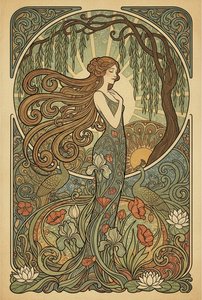
The Flowing Line & Flourishing Form: Exploring Art Nouveau's Aesthetic Legacy
Explore the captivating world of Art Nouveau! Discover its origins, key artists like Horta & Mucha, regional styles, innovative techniques, and lasting influence on architecture & design. A comprehensive guide for art enthusiasts.
Art Nouveau: I 10 Capolavori che Hanno Definito un'Epoca | .it
Esplora i 10 capolavori che hanno definito l'Art Nouveau! Scopri le storie di Mucha, Klimt e altri maestri. Quadri iconici, colori vibranti e decorazioni uniche per la tua casa. Trova riproduzioni d'arte di alta qualità su .