Anteprima in scala reale
 Condividi
 Condividi
 Dettagli
 Guida stampabile

 Scarica
 Articoli simili
 Radiografia
 Slideshow
 Statistiche
(80)


 Leggi tutto
Riproduzione a olio fatta a mano
Olio su tela dipinto a mano nelle tue dimensioni e con la tua cornice, realizzato su ordinazione dai nostri artisti. ( Passa alle stampe Passa all'immagine digitale)




P118B €10

P118H €10

P118W €10

P438Z €10

P508JH €12

P508YH €12

P805H €10

P805Z €10

P919BZ €10

P919G €10

P919XJ €10

P959ZH €10

P968JZ €12

W106C €8

W218G €10

W218JH €8

W218Y €10

W307PJ €10

W316G €10

W316PJ €8

W316Y €10

W398PJ €8

W4111J €10

W500HY €15

W500JH €15

W692G €12

W849H €8

W940BG €15

W953PJ €8




Scegli tra le nostre dimensioni predefinite, che rispettano le proporzioni originali dell'opera d'arte.

Inserisci la larghezza e l'altezza di cui hai bisogno, per adattarle alla tua cornice o alla tua parete. Trattandosi di un'opera dipinta a mano, in caso di dimensioni con una forma differente, l'artista può dipingere un po' più oltre i bordi dell'immagine o ritagliare leggermente — la scelta spetta a te. Ti invieremo un mockup digitale da approvare prima che la pittura abbia inizio. L'immagine mostrata in questa pagina non rappresenta il risultato reale — solo il mockup lo fa.
Dopo l'ordine, il team di OriginalUniqueArt.com contatterà il cliente via e-mail per ricevere le istruzioni e fornirà un'anteprima del mockup
Consegna in tutto il mondo () in 3/4 settimane anziché nelle normali 5 settimane. (21 Ottobre). Nessun compromesso sulla qualità.

Spedizione espressa gratuita in tutto il mondo

Tela in lino di alta qualità

Assicurazione completa sulla spedizione

Garanzia di rimborso dei dazi doganali

Garanzia di perfetta fedeltà cromatica

Politica di reso entro 100 giorni (solo per difetti di fabbricazione)

Garanzia di rimborso al 100%

Sconto per acquisti multipli
 L'opzione vetro è disponibile solo per dimensioni inferiori a 110 cm

(80)
Tecnica di riproduzione
Dimensioni della riproduzione
-


Prezzo totale
€ 262
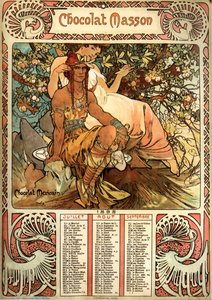
A Vision of Femininity and Mythic Harmony
In the golden twilight of the nineteenth century, few names evoke the sinuous elegance of the Belle Époque quite like Alphonse Mucha. His masterpiece, “The Slavonic Uprising,” stands as a breathtaking testament to the Art Nouveau movement, a period defined by its rejection of rigid academic structures in favor of organic, flowing lines and opulent ornamentation. Within this composition, we encounter a profound engagement with mythology and symbolism, where the boundaries between the human spirit and the natural world begin to dissolve. Mucha does not merely present a portrait; he invites the viewer into a dreamscape where idealized femininity meets the deep, resonant echoes of Slavic folklore.
The central figure of the work serves as an anchor for this mythic narrative—a woman whose presence is both ethereal and commanding. Draped in silks that seem to catch an unseen breeze, she embodies a sense of graceful movement that is characteristic of Mucha’s celebrated style. As her hair cascades down her shoulders like a waterfall of shimmering gold, it reflects the artist's meticulous fascination with botanical textures and natural forms. This fluidity is further enhanced by the presence of birds that dance through the composition, adding layers of depth and a rhythmic pulse to the scene, as if the very air around her is alive with song and motion.
The Alchemy of Line and Color
To behold this work is to witness a masterclass in technical precision. Mucha’s approach was far from accidental; it was a disciplined study of anatomy and botanical illustration blended with an almost magical use of color. Utilizing the delicate layering of thin washes—often employing tempera on canvas—he achieved a luminous surface that appears to glow from within. This technique creates a shimmering, pearlescent quality that makes the subject appear as though she is bathed in a soft, celestial light.
Every detail, from the intricate patterns on her garments to the delicate feathers of her avian companions, is rendered with an astonishing level of care. For the discerning collector or interior designer, this level of detail offers a profound visual richness. The way the colors interact—soft pastels meeting deeper, more resonant tones—creates a balanced palette that can anchor a room with both sophistication and warmth. It is a symphony of line and color that captures the eye and holds it, rewarding repeated observation with new discoveries in every curve and shadow.
Symbolism and the Soul of Art Nouveau
Beyond its aesthetic splendor, “The Slavonic Uprising” is deeply rooted in a complex web of allegory. Mucha’s work often sought to elevate the human experience through visual storytelling, weaving together Christian iconography and Slavic legends to create something transcendent. The interplay between the woman and the birds suggests a harmony between civilization and nature, a central theme of the Art Nouveau ethos. This piece is not just an object of beauty; it is a narrative vessel that carries the weight of cultural identity and spiritual aspiration.
For those seeking to bring a sense of historical depth and emotional resonance into a curated space, this reproduction offers more than mere decoration. It provides a window into a lost era of romanticism and intellectual curiosity. Whether placed in a grand salon or a quiet study, the painting radiates an aura of timeless elegance, making it an incomparable choice for anyone looking to inspire awe and contemplation through the enduring power of fine art.
Domande e risposte
A quale artista è attribuito "(80)"?
"(80)" è attribuito a Alphonse Maria Mucha.
"(80)" è privo di copyright?
Per quanto riguarda il copyright, "(80)" è di pubblico dominio - il suo copyright è scaduto.
Posso vedere "(80)" di Alphonse Maria Mucha sotto diverse luci?
"(80)" può essere esaminata strato dopo strato nella pagina Raggi X dell'opera, un visualizzatore ispirato al banco luminoso di un restauratore con undici letture ottiche dell'immagine.
Biografia dell'artista
Primi Anni e Formazione
- Nato: 15 luglio 1860, a Ivanačice, Moravia (oggi parte della Repubblica Ceca)
- Dimostrò talento artistico fin da giovane età.
- Studiò all'Accademia di Belle Arti di Praga ma si disilluse degli approcci tradizionali.
- Si trasferì a Parigi nel 1887 per perseguire il suo stile.
Stile Artistico e Opere Notabili
- Conosciuto per lo distintivo stile Art Nouveau caratterizzato da linee fluide, forme organiche e un senso di movimento.
- Influenzato da artisti come Pierre-Auguste Renoir e Gustave Moreau.
- Opere Notabili:
- La Rivolta Slava - Mostra la fusione dei motivi tradizionali cechi con elementi moderni Art Nouveau.
- Salon des Cent
- Dipinti ispirati a opere come Le Figlie di Tespio di Gustave Moreau, e La Ribambelle des Gobelins di Piero Dorazio.
- Illustrazioni basate su Giovani Agricoltori che Filano il Lino di Sir Hubert von Herkomer.
- Frequentemente raffigurava donne idealizzate in abiti fluenti circondate da lussureggianti fiori.
Momenti Chiave della Carriera e Commissioni Importanti
- Collaborazione con Sarah Bernhardt: Creò poster e disegni per l'attrice Sarah Bernhardt, a partire dal poster per Gismonda (1894), che lanciò la sua carriera.
- Esposizione Universale di Parigi (1900): Il suo stile Art Nouveau ottenne riconoscimento internazionale in questa esposizione. Decorò il Padiglione della Bosnia ed Erzegovina e collaborò al Padiglione Austriaco.
- Patronato di Charles Richard Crane: Ricevette supporto da Charles Richard Crane, che gli permise di creare la monumentale serie La Gerarchia Slava (1912-30).
- Cecoslovacchia Indipendente: Progettò francobolli, banconote e documenti governativi per la Cecoslovacchia appena indipendente.
Influenze ed Eredità
- Influenzato dalle tradizioni artistiche ceche e dai movimenti artistici europei moderni.
- Il suo stile unico aprì la strada alle future generazioni di artisti nell'Art Nouveau e Secessionismo.
- Ha ispirato altri artisti come Eva Prokopcová.
- L'eredità si estende oltre le sue opere d'arte per influenzare il design e l'estetica.
Vita Successiva e Morte
- Sposò Maruska (Marie/Maria) Chytilová nel 1906.
- Visitò gli Stati Uniti dal 1906 al 1910, dove nacque la loro figlia Jaroslava.
- Morì il 14 luglio 1939 a Praga, Cecoslovacchia.

Alphonse Maria Mucha
1860 - 1939 , Repubblica Ceca
Informazioni rapide
- Artisti Influenti:
- Pierre-Auguste Renoir
- Gustave Moreau
- Artisti Influenzati: ['Eva Prokopcová']
- Data Di Morte: 14 luglio 1939
- Data Di Nascita: 15 luglio 1860
- Luogo Di Nascita: Brno, Repubblica Ceca
- Movimento Artistico: Art Nouveau
- Nazionalità: Ceco
- Nome Completo: Alphonse Maria Mucha
- Opere Notevoli:
- La Rivolta Slava
- Salon des Cent
- Le figlie di Tespio
- Slav Epic
Articoli correlati

The Elegance of Art Nouveau: Discovering Beauty in Nature’s Sinuous Curves and the Belle Époque Spirit
Immerse yourself in the romantic allure of Art Nouveau. Explore the sinuous curves and floral elegance of the Belle Époque through our exquisite, hand-painted reproductions. Discover a timeless connection to nature’s beauty with our museum-quality collection.
Alphonse Mucha: Un'Esplorazione Completa del Maestro dell'Art Nouveau e del Simbolismo Decorativo
Esplora la vita e l'opera di Alphonse Mucha, il maestro dell'Art Nouveau. Analisi approfondita del suo stile unico, dai manifesti iconici a 'Salomè'. Scopri l'eredità duratura di questo artista rivoluzionario.
The Elegance of Art Nouveau: Embracing Nature's Fluid Beauty and the Belle Époque Spirit
Discover the enchanting world of Art Nouveau. Explore the organic beauty, flowing lines, and Belle Époque elegance that defined an era of unparalleled craftsmanship and natural inspiration.
Timeless Elegance: A Curated Guide to the Flowing Beauty of Art Nouveau Masterpieces
Discover the enchanting world of Art Nouveau. Explore the flowing lines of Alphonse Mucha and learn how to integrate these timeless, organic masterpieces into your collection with expert guidance on fine art appreciation and preservation.
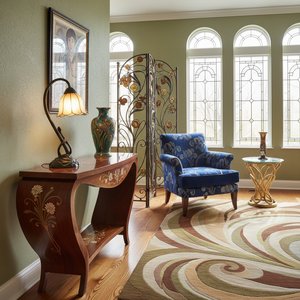
Art Nouveau: I 10 Capolavori che Hanno Definito un'Epoca | .it
Esplora i 10 capolavori che hanno definito l'Art Nouveau! Scopri le storie di Mucha, Klimt e altri maestri. Quadri iconici, colori vibranti e decorazioni uniche per la tua casa. Trova riproduzioni d'arte di alta qualità su .