

 Anteprima in scala reale
 Invia
Invia Condividi
 Dettagli opera
 Guida
Guida

 Scarica
 Simili
 Radiografia
 Slideshow
 Q&A
Q&A Statistiche
Saint Jacques le Majeur


 Espandi i dettagli
Giclée / Stampe d'arte
Stampa giclée o su tela di qualità museale, con produzione rapida e diverse opzioni di finitura. ( Acquista il dipinto realizzato a mano Passa all'immagine digitale)




P118B €10

P118H €10

P118W €10

P438Z €10

P508JH €12

P508YH €12

P805H €10

P805Z €10

P919BZ €10

P919G €10

P919XJ €10

P959ZH €10

P968JZ €12

W106C €8

W218G €10

W218JH €8

W218Y €10

W307PJ €10

W316G €10

W316PJ €8

W316Y €10

W398PJ €8

W4111J €10

W500HY €15

W500JH €15

W692G €12

W849H €8

W940BG €15

W953PJ €8




Scegli tra le nostre dimensioni predefinite, che rispettano le proporzioni originali dell'opera d'arte.

Inserisci la larghezza e l'altezza desiderate, per adattarle alla tua cornice o alla tua parete. Una stampa può essere solo ritagliata, mai resa più grande dell'immagine originale; pertanto, un formato con una forma differente comporterà la perdita di una parte dell'opera. Ti invieremo un mockup digitale da approvare prima di procedere con la stampa. L'immagine mostrata in questa pagina non rappresenta il ritaglio reale — solo il mockup lo mostra.
Consegna in tutto il mondo () in 2 settimane invece delle normali 4/5 settimane. (29 Ottobre)

Spedizione espressa gratuita in tutto il mondo

Tela in lino di alta qualità

Assicurazione completa sulla spedizione

Garanzia di rimborso dei dazi doganali

Garanzia di fedeltà cromatica assoluta

Politica di reso entro 100 giorni (solo per difetti di fabbricazione)

Garanzia di rimborso al 100%

Offerta per acquisti multipli
 L'opzione vetro è disponibile solo per dimensioni inferiori a 110 cm

Saint Jacques le Majeur
Giclée / Stampe d'arte
Dimensioni riproduzione
-


Prezzo finale calcolato
€ 71
A Vision of Divine Serenity: Alonso Cano’s Saint Jacques le Majeur
In the grand, dramatic theater of the Spanish Baroque, few figures command the canvas with as much quiet authority as Alonso Cano’s Saint Jacques le Majeur. To encounter this masterpiece is to step into a moment of profound spiritual stillness, a deliberate pause amidst the turbulent religious fervor of the seventeenth century. The painting presents Saint James the Greater not as a warrior in the heat of battle, but as a figure of deep, contemplative grace. Seated upon a simple stone pedestal, the saint radiates a sense of peace that transcends the earthly realm, inviting the viewer into a shared space of devotion and introspection.
Cano, an artist whose life was as multifaceted and complex as his brushwork, possessed a rare ability to marry the physical with the metaphysical. In this work, he utilizes the hallmark techniques of the Baroque period to sculpt form out of shadow. Through the masterful application of chiaroscuro, a brilliant light source emerges from the front-left, illuminating the saint’s weathered face and the soft folds of his garments while allowing the background to recede into an atmospheric, dark void. This interplay of light and shadow does more than create depth; it directs the soul's eye toward the subject's expression, emphasizing a sense of divine presence that feels almost palpable.
The Language of Symbolism and Technique
Every element within the composition serves a higher narrative purpose, making this piece an exquisite choice for those who appreciate art with intellectual and emotional depth. The saint’s raised hand, palm open in a gesture of blessing, acts as a bridge between the divine and the spectator, offering a silent benediction to all who behold it. Leaning against his shoulder, the pilgrim's staff serves as a vital attribute, grounding the figure in his historical identity as a traveler and a pillar of faith. The earthy palette—rich with deep browns, muted greens, and warm pinkish skin tones—complements the organic textures of the stone and fabric, creating a grounded, tactile reality.
For the discerning collector or interior designer, this painting offers a sophisticated anchor for any curated space. The technique employed by Cano involves a meticulous layering of oil glazes, which lends the skin an inner luminosity and the drapery a heavy, luxurious weight. These visible yet refined brushstrokes provide a textural richness that is particularly striking in high-quality reproductions. Whether placed in a sunlit gallery or a moody, library-style study, the artwork brings with it an aura of timelessness and dignity.
An Enduring Legacy for Modern Interiors
Beyond its historical significance, Saint Jacques le Majeur possesses a transformative emotional impact. It does not merely decorate a room; it alters its atmosphere, infusing it with a sense of solemnity and grace. The painting’s ability to evoke such intense, quiet emotion makes it a profound choice for those seeking to create environments of reflection and prestige. As a reproduction, it allows the grandeur of the Spanish Baroque to reside within contemporary homes, offering a window into an era where art was the ultimate vessel for the human spirit's highest aspirations.
Domande e risposte
Quale emozione e quale stato d'animo trasmette "Saint Jacques le Majeur" di Alonso Cano?
"Saint Jacques le Majeur" di Alonso Cano trasmette una sensazione Spiritual all'interno di un'atmosfera complessivamente Dramatic.
Quali colori dominano "Saint Jacques le Majeur" di Alonso Cano?
"Saint Jacques le Majeur" di Alonso Cano utilizza una tavolozza Earthy, con Espresso (#5c472e) come colore dominante.
Che posto occupa "Saint Jacques le Majeur" all'interno della produzione artistica di Alonso Cano?
"Saint Jacques le Majeur" appartiene alla produzione Baroque di Alonso Cano, i cui temi ricorrenti includono biblical narrative, baroque style, spiritual symbolism, patronage influence, artist legacy.
Biografia dell'artista
Un Uomo del Rinascimento di Granada
Alonso Cano Almansa si erge come una figura singolare dell'Età dell'Oro spagnola, un vero poliedrico il cui spirito creativo rifiutava di essere confinato a un unico medium. Nato a Granada, Spagna, fu un talento raro capace di padroneggiare le distinte discipline della pittura, della scultura e dell'architettura con uguale fervore. Il suo viaggio artistico ebbe inizio sotto la guida del padre, Miguel Cano, da cui ereditò i principi fondamentali dell'architettura; questa comprensione strutturale avrebbe successivamente informato la profondità spaziale e la presenza monumentale che caratterizzano le sue opere visive.
La sua formazione fu un intreccio delle più prestigiose influenze presenti nel mondo dell'arte spagnola. Nel campo della pittura, affinò la sua pennellata all'interno dell'accademia di Juan del Castillo e studiò sotto Francisco Pacheco, l'insigne maestro di Velázquez. Questa stirpe lo collegò direttamente al cuore del movimento Barocco, infondendo nelle sue tele un senso di tensione drammatica e luminosità spirituale. Contemporaneamente, la sua maestria scultorea fu forgiata sotto la tutela di Juan Martínez Montañello, permettendogli di infondere vita nella pietra e nel legno con un profondo senso di grazia anatomica e risonanza emotiva.
La Maestria tra Forma e Spirito
L'opera di Cano è caratterizzata da un'extraordinaria capacità di catturare il divino all'interno della forma umana. Come scultore, ottenne una fama duratura attraverso opere come la Madonna e il Bambino nella chiesa di Lebrija e le sue figure colossali e imponenti di San Pietro e San Paolo. Queste opere dimostrano una padronanza delle proporzioni e una capacità di evocare una profonda devozione religiosa attraverso la loro stessa presenza fisica.
Nelle sue pitture, Cano utilizzò le tecniche drammatiche dell'era Barocca per creare momenti di intenso incontro spirituale. Le sue composizioni presentano spesso:
- L'interazione tra luce e ombra, dove fonti luminose invisibili illuminano figure sacre, come nella sua rappresentazione di San Giovanni Evangelista a Patmos.
- Un'intimità emotiva, visibile in opere come Noli me Tangere, dove la tensione tra grazia divina e desiderio umano è palpabile.
- Il peso del sacrificio, catturato attraverso il sobrio e drammatico scenario de Il Cristo Morto Sostenuto da un Angelo.
Eredità e Riconoscimento Reale
L'importanza del talento di Alonso Cano fu riconosciuta ai massimi livelli della corte spagnola. Il suo prestigio lo portò alla nomina di primo architetto reale e pittore di Filippo IV. La sua influenza si estese persino all'educazione della generazione successiva, servendo come istruttore per il principe Baldassarre Carlo. Questa vicinanza al potere gli permise di lasciare un segno indelebile nel paesaggio architettonico della Spagna; in particolare, fu architetto capo della Cattedrale di Granada, progettandone la magnifica facciata che fu infine eretta dopo la sua scomparsa.
Al di là dei suoi titoli ufficiali, l'eredità di Cano è preservata nella trama stessa della cultura andalusa. La sua capacità di intrecciare il rigore strutturale dell'architettura, l'emozione tattile della scultura e la luminosa narrazione della pittura assicura il suo posto come uno dei maestri più versatili ed essenziali del Barocco spagnolo.

Alonso Cano
1601 - 1667 , Spagna
Dettagli rapidi
- Artisti Che Hanno Influenzato Questo Artista:
- Miguel Cano
- Juan del Castillo
- Francisco Pacheco
- Juan Martínez Montañés
- Data Di Morte: 1667
- Data Di Nascita: 1601
- Luogo Di Nascita: Granada, Spagna
- Movimento O Stile Artistico: Barocco
- Nazionalità: Spagnola
- Nome Completo: Alonso Cano Almansa
- Opere D'Arte Note:
- San Giovanni Evangelista a Patmos
- Il Cristo morto sostenuto da un angelo
- Noli me Tangere
- La Crocifissione
- Madonna col Bambino
Articoli correlati

The Dramatic Flourish: Exploring the Baroque Movement's Enduring Legacy in Art History
Explore the dramatic world of Baroque art! Discover iconic artists like Caravaggio & Rubens, defining techniques, and its lasting impact on art history. Expert insights for collectors & enthusiasts at OriginalUniqueArt.

Sir Alfred James Munnings: I 25 Capolavori che Celebrano la Bellezza del Cavallo e della Campagna Inglese
Esplora i 25 capolavori di Alfred James Munnings, pittore inglese celebrato per la sua arte equestre e i paesaggi rurali. Scopri storie, tecniche e colori unici. Stampe d'arte e riproduzioni su OriginalUniqueArt.com!
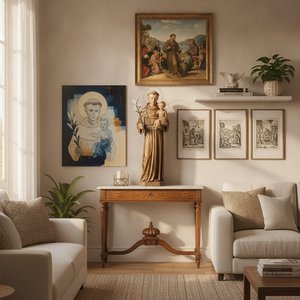
Discover the Divine: Inspiring Saint Anthony Artworks to Elevate Your Home Decor
Transform your home with the profound beauty of Saint Anthony artworks. Explore exquisite Baroque reproductions by Murillo and Zurbarán, hand-painted on 100% cotton canvas to bring divine serenity and timeless elegance to your interior design.

James Abbott McNeill Whistler: I 25 Capolavori che Definirono un'Epoca - Arte e Decorazioni di Lusso
Esplora i 25 capolavori di James Abbott McNeill Whistler, il maestro dell'estetismo e dei notturni. Scopri la storia, le tecniche e l'armonia unica nei suoi dipinti più famosi. Stampe d'arte e riproduzioni di alta qualità su OriginalUniqueArt.com.

Giclée Prints: Archival Quality & Aesthetic Nuances for the Discerning Collector
Explore the world of giclée prints with OriginalUniqueArt. Learn about archival quality, aesthetic nuances & investment potential. Expert guidance for discerning art collectors seeking museum-quality reproductions and lasting value.


