Menu
Text size

() ·

A painting made for you, by hand

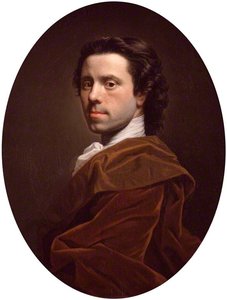
George III (1738–1820)

Riproduzione a olio fatta a mano

Olio su tela dipinto a mano nelle tue dimensioni e con la tua cornice, realizzato su ordinazione dai nostri artisti. ( Passa alle stampe Passa all'immagine digitale)

Descrizione del reperto

Admire Allan Ramsay’s regal portrait of George III! This neoclassical masterpiece showcases dramatic lighting & meticulous detail on canvas. Explore royal authority & 18th-century elegance.

Biografia dell'artista

Esplora i ritratti eleganti di Allan Ramsay (1713-1784) della società e dell'aristocrazia scozzese. Scopri il suo stile rococò, la sua tecnica magistrale e le sue opere iconiche come quella della Regina Carlotta.

from ·

Chapter 1

How large should it be?

Slide to change the size; the picture on the left shows the frame at its real width. The proportions of the original are kept.

Formato standard
su misura
CM
INCH

Scegli tra le nostre dimensioni predefinite, che rispettano le proporzioni originali dell'opera d'arte.

larghezza
altezza

Inserisci la larghezza e l'altezza desiderate, per adattarle alla tua cornice o alla tua parete. Trattandosi di un'opera dipinta a mano, in caso di dimensioni con un formato differente, l'artista può estendere leggermente il dipinto oltre i bordi dell'immagine o ritagliare una piccola parte — la scelta spetta a te. Ti invieremo un mockup digitale da approvare prima che la realizzazione abbia inizio. L'immagine mostrata in questa pagina non rappresenta il risultato finale — solo il mockup lo fa.

Chapter 2

How should it arrive?

Choose the edges of the stretched canvas

Choose your frame

Corner sample of the WhiteWrap canvas edge finish, stretched on legno massello bars
White €1
Corner sample of the BlurSideWrap canvas edge finish, stretched on legno massello bars
Blurside €1
Corner sample of the ExtendedWrap canvas edge finish, stretched on legno massello bars
Extended €1
Corner sample of the P118B picture frame: polistirene stampato, 5 cm wide and 3 cm thick
P118B €10
Corner sample of the P118H picture frame: polistirene stampato, 5 cm wide and 3 cm thick
P118H €10
Corner sample of the P118W picture frame: polistirene stampato, 5 cm wide and 3 cm thick
P118W €10
Corner sample of the P438Z picture frame: polistirene stampato, 5.5 cm wide and 3.5 cm thick
P438Z €10
Corner sample of the P508JH picture frame: polistirene stampato, 7 cm wide and 3.5 cm thick
P508JH €12
Corner sample of the P508YH picture frame: polistirene stampato, 7 cm wide and 3.5 cm thick
P508YH €12
Corner sample of the P805H picture frame: polistirene stampato, 5 cm wide and 3.5 cm thick
P805H €10
Corner sample of the P805Z picture frame: polistirene stampato, 5 cm wide and 3.5 cm thick
P805Z €10
Corner sample of the P919BZ picture frame: polistirene stampato, 7 cm wide and 3.5 cm thick
P919BZ €10
Corner sample of the P919G picture frame: polistirene stampato, 7 cm wide and 3.5 cm thick
P919G €10
Corner sample of the P919XJ picture frame: polistirene stampato, 7 cm wide and 3.5 cm thick
P919XJ €10
Corner sample of the P959ZH picture frame: polistirene stampato, 5 cm wide and 3 cm thick
P959ZH €10
Corner sample of the P968JZ picture frame: polistirene stampato, 6 cm wide and 4 cm thick
P968JZ €12
Corner sample of the W106C picture frame: legno massello, 5 cm wide and 3 cm thick
W106C €8
Corner sample of the W218G picture frame: legno massello, 5 cm wide and 3 cm thick
W218G €10
Corner sample of the W218JH picture frame: legno massello, 5 cm wide and 3 cm thick
W218JH €8
Corner sample of the W218Y picture frame: legno massello, 5 cm wide and 3 cm thick
W218Y €10
Corner sample of the W307PJ picture frame: legno massello, 6 cm wide and 3 cm thick
W307PJ €10
Corner sample of the W316G picture frame: legno massello, 6 cm wide and 3 cm thick
W316G €10
Corner sample of the W316PJ picture frame: legno massello, 6 cm wide and 3 cm thick
W316PJ €8
Corner sample of the W316Y picture frame: legno massello, 6 cm wide and 3 cm thick
W316Y €10
Corner sample of the W398PJ picture frame: legno massello, 5 cm wide and 3 cm thick
W398PJ €8
Corner sample of the W4111J picture frame: legno massello, 6.5 cm wide and 3.5 cm thick
W4111J €10
Corner sample of the W500HY picture frame: legno massello, 7 cm wide and 5 cm thick
W500HY €15
Corner sample of the W500JH picture frame: legno massello, 7 cm wide and 5 cm thick
W500JH €15
Corner sample of the W692G picture frame: legno massello, 8 cm wide and 4 cm thick
W692G €12
Corner sample of the W849H picture frame: legno massello, 5 cm wide and 3 cm thick
W849H €8
Corner sample of the W940BG picture frame: legno massello, 7.5 cm wide and 4.5 cm thick
W940BG €15
Corner sample of the W953PJ picture frame: legno massello, 6 cm wide and 3.5 cm thick
W953PJ €8
Corner sample of the H24-GOLD picture frame: legno intagliato e gessato, 10 cm wide and 6 cm thick
H24-GOLD €30
Corner sample of the H24-SILVER picture frame: legno intagliato e gessato, 10 cm wide and 6 cm thick
H24-SILVER €30
Corner sample of the H36-GOLD picture frame: legno intagliato e gessato, 15 cm wide and 6.5 cm thick
H36-GOLD €45
Corner sample of the H36-SILVER picture frame: legno intagliato e gessato, 15 cm wide and 6.5 cm thick
H36-SILVER €45
Anteprima cornice
Con cornice

Moulding: . Overall size with the frame: .

Chapter 3

Who paints it, and should anything change?

Examples of what can be changed: Replace face with customer photo; Add pet (e.g., replace cat with dog); Include hidden message in background; Change background landscape or elements.
After order, OriginalUniqueArt.com team will email client for instructions and provide a mockup preview

Consegna in tutto il mondo () in 3/4 settimane anziché nelle normali 5 settimane. (30 Ottobre). Nessun compromesso sulla qualità.

Chapter 4

The finishing touches

A nameplate, as in a museum?

Dettagli della targhetta in bronzo inciso

This elegant plaque features the artist's name and the title of the artwork, finely engraved for a timeless presentation.

It is made from bronze with a refined, elegant finish. The text is precisely laser-engraved for a sharp and permanent result. Measuring 9x2 cm, the plaque is compact yet easy to read. It's built to be durable and scratch-resistant, offering a professional, museum-quality look. Mounting is simple thanks to the included adhesive backing.

Dettagli della targhetta in acrilico trasparente

The plaque includes essential engraved details such as the artist's name, the title of the artwork, the date it was created, the type of media used-like oil on canvas or watercolor-a brief description of the piece, and a QR code that links to the complete artwork information.

It is crafted from clear acrylic, offering a sleek, modern appearance. The text is UV-engraved in black to ensure strong visual contrast. With a size of 10x15 cm, it ensures optimal readability. It comes equipped with two metal hooks for secure wall mounting. The plaque is designed to be weather-resistant, making it suitable for various environments, and it includes interactive features that work seamlessly with smartphone scanning.

Dettagli della targhetta in acrilico nero

This elegant plaque includes engraved information such as the artist's name, the title of the artwork, the date it was created, the type of media used (like oil on canvas or watercolor), a short description of the artwork, and a QR code for quick access to more information.

The plaque itself is made from refined black acrylic with a premium finish. The text is laser-engraved in white for high contrast and readability. Its size is 10x15 cm, designed to be easy to read. It comes with two metal hooks for professional mounting. The design is sleek and fits any interior style. It is also weather-resistant and durable, with built-in digital integration for mobile compatibility.

A protective varnish?

When do you need it?

Chapter 5

Your painting, as you ordered it

George III (1738–1820)

Tecnica di riproduzione

Dimensioni riproduzione

-

Artisti di alto livello

Maggiore dettaglio, finezza e tempi di produzione dedicati

-

Cornice per riproduzione

-

-

Per opere d'arte o riproduzioni con un lato superiore a 105 cm (circa 41 pollici), la cornice verrà spedita in forma di kit smontato. Questo metodo garantisce una consegna sicura e previene danni durante il trasporto.

Montaggio professionale richiesto - non è un prodotto fai-da-te.
Il kit deve essere assemblato e la tela tesa da un esperto cornice professionista, utilizzando colla per legno (non inclusa), una pinza per tendere la tela e morsetti per mantenere i listelli in squadra durante l'asciugatura della colla. Un montaggio errato o una tensione non uniforme della tela possono danneggiare permanentemente l'opera d'arte e non sono coperti dalla nostra garanzia.

  • Tutte le barre in legno massello sono incluse, tagliate con precisione alle dimensioni corrette.

  • Da assemblare con le viti fornite e con la colla per legno per gli incastri degli angoli, che non è inclusa e dovrà essere reperita dal vostro corniceio.

  • Sono necessari strumenti professionali non inclusi: una pinza tendicanvas (tenditore) e dei morsetti per mantenere i listelli in squadra durante l'asciugatura della colla.

Importante:
Gli incastri d'angolo richiedono colla per legno, i listelli devono essere mantenuti in posizione con dei morsetti finché la colla non è completamente asciutta, e il tensionamento della tela sulla cornice assemblata richiede una pinza per tendere la tela. Nessuno di questi strumenti è incluso nel kit. Si prega di consultare un incorniciatore professionista esperto prima di ordinare questa misura.

Didascalia

-

-

Vernice protettiva

Vernice lucida (esalta i colori, protegge da luce e umidità)

-

Personalizza la mia opera

Esempi di personalizzazione: sostituire il volto con una foto del cliente; aggiungere un animale domestico (ad esempio, sostituire un gatto con un cane); inserire un messaggio nascosto nello sfondo; cambiare il paesaggio o gli elementi dello sfondo.

-

Consegna rapida

Consegna in tutto il mondo () in 3/4 settimane anziché nelle normali 5 settimane. (30 Ottobre). Nessun compromesso sulla qualità.

-

Spedizione espressa

Spedizione in tutto il mondo () in 5 settimane. (6 Novembre).

Spedizione inclusa

Prezzo finale calcolato

€ 265

Prezzo totale € 265

L'opzione vetro è disponibile solo per dimensioni inferiori a 110 cm

Included with every order

  • Spedizione espressa gratuita in tutto il mondo
  • Tela in lino di alta qualità
  • Assicurazione completa sulla spedizione
  • Garanzia di rimborso dei dazi doganali
  • Garanzia di fedeltà cromatica assoluta
  • Politica di reso entro 100 giorni (solo per difetti di fabbricazione)
  • Garanzia di rimborso al 100%
  • Offerta per acquisti multipli

A Regal Portrait: Allan Ramsay’s George III

Allan Ramsay's portrait of King George III, completed around 1761-2, is more than just a likeness; it’s a carefully constructed embodiment of power, authority, and the nascent complexities of the British monarchy. This masterful work, rendered in oil on canvas, transcends mere representation to become a window into the era's political climate and artistic sensibilities – specifically, the rise of Neoclassicism within portraiture. The painting immediately commands attention with its dramatic lighting, a key element that draws the viewer’s eye directly to the King’s face, imbuing him with an almost palpable sense of presence.

Ramsay, a leading figure in 18th-century Scottish art, expertly employs linear perspective to create a sense of depth and spatial arrangement. The throne, rendered as a robust square, anchors the composition while the draped fabric behind George III flows into a dark, indistinct background – a deliberate choice that serves to highlight the subject’s importance and elevate his status. The use of geometric shapes—squares for the throne, rectangles for the robes—contrasts with the more organic curves of the King's face, suggesting a balance between rigid formality and human warmth.

A Study in Neoclassical Detail

Examining the brushwork reveals Ramsay’s meticulous technique. Layered glazes build up color depth and luminosity, particularly noticeable in the rich textures of the royal robes – a testament to his ability to capture the sheen of velvet and the weight of heavy fabrics. The artist skillfully renders skin tones with subtle variations, avoiding overly smooth surfaces; instead, he introduces a slight roughness that lends a sense of realism and immediacy. The careful attention to detail extends to the rendering of the King’s attire: the intricate embroidery, the gleaming gold accents, and the precise folds of his garments all speak to the immense wealth and power associated with the monarchy.

The painting's palette is restrained yet sophisticated, dominated by deep reds, blues, and browns – colors traditionally linked with royalty and authority. The lighting, originating from a strong left-hand source, casts dramatic shadows that sculpt George III’s features, emphasizing his brow, cheekbones, and the solemnity of his expression. This chiaroscuro effect not only adds visual interest but also contributes to the overall sense of gravitas and dignity.

Symbolism and Historical Context

George III reigned from 1760 until his death in 1820, a period marked by significant political and military upheaval. The portrait itself is deeply symbolic, reflecting the King’s role as head of state during a time of considerable change. The crown, prominently displayed, represents sovereignty and divine right – concepts that were increasingly challenged during George III's reign. The robes, rich in color and ornamentation, symbolize his wealth and status, while the scepter and orb further reinforce his authority.

Ramsay’s work was commissioned during a pivotal moment in British history—the early years of George III’s rule. The King's reign coincided with the Seven Years’ War and the subsequent American Revolution, events that profoundly shaped the course of British history. The portrait, therefore, can be interpreted as an attempt to project an image of stability and strength at a time of considerable uncertainty. It is also important to note that this particular painting was one of many commissioned by the King, reflecting his desire to solidify his position and assert his authority.

A Legacy of Elegance

Allan Ramsay’s portrait of George III stands as a remarkable achievement of Neoclassical portraiture. It is a testament to the artist's technical skill, his understanding of symbolism, and his ability to capture the essence of a historical figure. Reproductions of this iconic image continue to resonate with viewers today, offering a glimpse into the grandeur and complexities of 18th-century Britain. The painting’s enduring appeal lies not only in its aesthetic beauty but also in its ability to evoke a sense of history, power, and timeless elegance.

Domande e risposte

Quanto sono vivaci i colori di "George III (1738–1820)"?

La saturazione del colore di "George III (1738–1820)" è Subtle Color e la sua intensità è Monochromatic.

Quali stati d'animo ed emozioni si fondono in "George III (1738–1820)"?

L'atmosfera che traspare da "George III (1738–1820)" di Allen Ramsay è Elegant, e il suo tono emotivo è Nostalgic.

Quanto sono armoniosi i colori di "George III (1738–1820)" di Allen Ramsay?

L'armonia cromatica di "George III (1738–1820)" è descritta come Strong Color Unity.

More about this painting

Anteprima in scala reale Anteprima in AR Passa alle stampe Passa all'immagine digitale Invia
Dettagli opera Guida Aggiungi ai preferiti Scarica Simili Radiografia Slideshow Q&A Statistiche

In numbers

  • 29frames to choose from
  • standard sizes, in its own proportions
  • 5weeks to paint and deliver it
Allen Ramsay

Allen Ramsay

1713 - 1784, United Kingdom

Quick facts about Allen Ramsay

  • Artistic Movement Or Style: Rococo & Neoclassical
  • Artists Who Influenced This Artist:
    • Hans Hysing
    • Francesco Solimena
    • Imperiali (Francesco Fernandi)
  • Country: United Kingdom
  • Date Of Birth: 1713-10-13
  • Full Name: Allan Ramsay
  • Nationality: Scottish
  • Notable Artworks:
    • Queen Charlotte with her two eldest sons
    • Mary Degg, Lady Robert Manners
    • Head of Duncan Forbes of Culloden
  • Place Of Birth: Edinburgh

Biografia dell'artista

Allan Ramsay: Una Vita di Eleganza e Arte

Primi Anni e Formazione

Nato a Edimburgo, in Scozia il 13 ottobre 1713, Allan Ramsay emerse come un illustre pittore di ritratti scozzese la cui opera catturava l'eleganza e la raffinatezza del suo tempo. Il suo percorso artistico iniziò all’età di venti anni quando viaggì a Londra per studiare sotto la guida del pittore svedese Hans Hysing, seguito da istruzioni presso l’Accademia di St. Martin’s Lane. Questa formazione fondamentale gli fornì una solida base in tecnica e composizione.

Influenze Italiane e Sviluppo Artistico

Lo sviluppo artistico di Ramsay prese una svolta significativa con i suoi viaggi a Roma e Napoli, dove trascorse tre anni (1736-1738) lavorando sotto la tutela di Francesco Solimena e Imperiali (Francesco Fernandi). Questi maestri italiani influenzarono profondamente il suo stile, favorendo una maggiore comprensione dei principi classici e migliorando le sue capacità di catturare la somiglianza e il carattere. Assorbì l’estetica rococò prevalente pur sviluppando un apprezzamento per gli ideali neoclassici.

Una Carriera Fiorita e Opere Notabili

Ritornato in Gran Bretagna nel 1738, Ramsay stabilì rapidamente una carriera di successo come pittore di ritratti. La sua capacità di rappresentare i suoi soggetti con accuratezza ed eleganza presto gli valse una distinta clientela. Alcune delle sue opere più notevoli includono:

  • Queen Charlotte (1744-1818) con i suoi due figli maggiori (Royal Collection, Londra): Una rappresentazione regale che mostra la presenza materna della Regina.
  • Mary Degg, Lady Robert Manners (Scottish National Gallery, Edimburgo): Un ritratto elegante che dimostra l’abilità di Ramsay di catturare la bellezza aristocratica.
  • Ritratto del capo di Duncan Forbes of Culloden: Questo primo lavoro attirò l'attenzione del Duca di Argyll e fu successivamente presentato sulle banconote della Royal Bank of Scotland.

Nomina Reale e Apice dell’Attività

Un momento cruciale nella carriera di Ramsay arrivò nel 1761 con la sua nomina a Pittore Principale in Ordine Ordinario di Giorgio III. Questa posizione prestigiosa consolidò il suo status tra l'élite artistica e assicurò un flusso costante di commissioni dalla famiglia reale e dall’alta società. Diventò *il* pittore di ritratti dell’epoca georgiana.

Vita Successiva e Eredità

La vita successiva di Ramsay vide uno spostamento verso gli interessi letterari, riflettendo i suoi ampi interessi intellettuali. Tuttavia, tragedie personali – una dislocazione accidentale dell’avambraccio destro e la perdita della sua seconda moglie nel 1782 – hanno influito sulla sua salute e produttività. Morì nel 1784.

Nonostante queste sfide, Ramsay ha lasciato un'eredità duratura come uno dei più celebrati pittori di ritratti della Scozia. Come Samuel Johnson osservò, “Amo Ramsay. Non troverai un uomo nella cui conversazione ci sono più istruzioni, più informazioni ed eleganza di quelle che si trovano nel discorso di Ramsay”. Le sue opere continuano ad essere ammirate per la loro abilità tecnica, l'estetica raffinata e le rappresentazioni perspicaci della società del XVIII secolo.

Significato Storico

Il contributo di Allan Ramsay si estende oltre il suo talento artistico. Ha svolto un ruolo cruciale nel plasmare la cultura visiva della Scozia durante un periodo di significativi cambiamenti sociali e politici. I suoi ritratti forniscono preziose informazioni sulla vita, la moda e i valori dell'aristocrazia e della gentry scozzese. Le sue opere si possono trovare in luoghi come il municipio di Ayr e la Scottish National Portrait Gallery.

Informazioni rapide

  • Movement: Neoclassical
  • Artistic style: Portraiture
  • Subject or theme: Royal portrait
  • Influences: Classical ideals
  • Dimensions: 214 x 150 cm

Quiz d'arte

Per ogni domanda è presente una sola risposta corretta.

Domanda 1:
What is the primary artistic style evident in Allan Ramsay’s portrait of George III?
Domanda 2:
The lighting in the portrait is most notably characterized by:
Domanda 3:
According to the description, what type of perspective is used in the composition?
Domanda 4:
What material is primarily used for the throne depicted in the portrait?
Domanda 5:
Allan Ramsay was commissioned to paint this portrait by which figure?