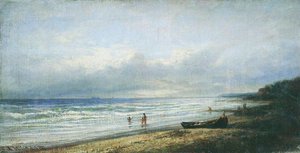
Anteprima in scala reale
 Condividi
 Condividi
 Dettagli
 Guida stampabile

 Scarica
 Articoli simili
 Radiografia
 Slideshow
 Statistiche
In the Park


 Leggi tutto
Giclée / Stampe d'arte
Stampa giclée o su tela di qualità museale, con produzione rapida e diverse opzioni di finitura. ( Ordina la riproduzione dipinta a mano Passa all'immagine digitale)




P118B $10

P118H $10

P118W $10

P438Z $10

P508JH $12

P508YH $12

P805H $10

P805Z $10

P919BZ $10

P919G $10

P919XJ $10

P959ZH $10

P968JZ $12

W106C $8

W218G $10

W218JH $8

W218Y $10

W307PJ $10

W316G $10

W316PJ $8

W316Y $10

W398PJ $8

W4111J $10

W500HY $15

W500JH $15

W692G $12

W849H $8

W940BG $15

W953PJ $8




Scegli tra le nostre dimensioni predefinite, che rispettano le proporzioni originali dell'opera d'arte.

È possibile inserire dimensioni personalizzate per adattare l'opera a una cornice o a uno spazio specifico. Se la dimensione selezionata non corrisponde alle proporzioni dell'immagine originale, procederemo al ritaglio dell'opera o all'estensione dell'immagine con un bordo specchiato o a tinta unita. Un mockup digitale ti verrà inviato per approvazione prima dell'inizio della produzione.
Si prega di notare che l'anteprima a schermo non riflette il ritaglio o l'estensione effettivi. Solo il mockup mostrerà accuratamente la composizione finale.
Sebbene siano disponibili dimensioni personalizzate, si raccomanda di selezionare una dimensione dall'elenco predefinito per preservare le proporzioni originali.
Consegna in tutto il mondo () in 2 settimane invece delle normali 4/5 settimane. (26 Settembre)

Spedizione espressa gratuita in tutto il mondo

Tela in lino di alta qualità

Assicurazione completa sulla spedizione

Garanzia di rimborso dei dazi doganali

Garanzia di perfetta fedeltà cromatica

Politica di reso entro 100 giorni (solo per difetti di fabbricazione)

Garanzia di rimborso al 100%

Sconto per acquisti multipli
 L'opzione vetro è disponibile solo per dimensioni inferiori a 110 cm

In the Park
Giclée / Stampe d'arte
Dimensioni della riproduzione
-


Prezzo totale
$ 80
A Journey Through Verdant Serenity
In the quiet embrace of 1872, Alexei Petrovich Bogoliubov captured a moment of profound stillness in his masterpiece, "In the Park." This evocative oil on canvas invites the viewer to step away from the clamor of modern life and wander into a secluded woodland sanctuary. The painting depicts a gentle path winding through a dense, lush forest, where a solitary figure moves with quiet purpose amidst the towering trees. At the heart of this composition lies a humble bench, positioned as an invitation for rest or deep contemplation, suggesting that nature is not merely a backdrop but a destination for the soul. Through his masterful use of light and shadow, Bogoliubov transforms a simple stroll through the woods into a spiritual encounter with the natural world.
The technique employed in this work reveals a sophisticated bridge between the precision of classical realism and the burgeoning energy of Impressionism. While the artist’s background at the Saint Petersburg Academy of Arts provided him with a foundation in meticulous detail, "In the Park" breathes with a loose, atmospheric vitality. The foliage is rendered through broken brushstrokes that allow light to dance across the leaves, creating a sense of movement as if a soft breeze were passing through the canopy. The color palette is a rich tapestry of earthy greens and deep browns, punctuated by sudden, brilliant flashes of yellow and orange that mimic the dappled sunlight filtering through the branches. This interplay of color and texture lends the painting a tactile quality, making the forest feel almost palpable to the observer.
The Soul of the Russian Landscape
To understand the emotional resonance of this piece, one must consider Bogoliubov’s unique place in art history. Influenced by the legendary Ivan Ayvazovsky and the naturalistic spirit of the Barbizon School, Bogoliubov possessed a rare ability to capture the essence of a landscape rather than just its topography. In "In the Park," there is a palpable sense of solitude that does not feel lonely, but rather restorative. The composition utilizes a strong diagonal line—the path itself—to draw the eye deep into the receding perspective, pulling the viewer into the heart of the woods. This structural choice creates an immersive experience, making the painting feel less like a window and more like an open doorway.
For the discerning collector or interior designer, this artwork offers much more than mere decoration; it provides an emotional anchor for any space. The subtle use of blues and purples in the shadows adds a layer of mystery and depth, ensuring that the painting maintains its intrigue even upon repeated viewings. Whether placed in a sunlit gallery or a quiet study, "In the Park" brings with it an aura of tranquility and timelessness. It serves as a constant reminder of our fundamental connection to the earth, making it a perfect centerpiece for those seeking to infuse their surroundings with peace, elegance, and the enduring beauty of the natural world.
Biografia dell'artista
Primi anni e formazione
Alexei Petrovich Bogoliubov nacque il 16 marzo 1824 in un villaggio della Pomerania, nel governatorato di Novgorod. Suo padre, Pyotr Gavriilovich Bogolyubov, era un colonnello in pensione, mentre suo nonno materno, Alexander Radishchev, era un noto filosofo e critico sociale. Nel 1841, Alexei si diplomò alla scuola militare e prestò servizio nella marina imperiale russa, viaggiando in molti paesi. Nel 1849, iniziò a frequentare le lezioni dell'Accademia di Belle Arti di San Pietroburgo, dove studiò sotto Maxim Vorobiev.Carriera e influenze
Bogoliubov fu fortemente influenzato da Ivan Aivazovsky, un pittore russo di marine. Nel 1853, concluse l'accademia con una medaglia d'oro maggiore. Si ritirò dalla marina militare e fu nominato artista presso il quartier generale della Marina. Dal 1854 al 1860, viaggiò per l'Europa, lavorando prolificamente. A Roma, incontrò Alexander Ivanov, che lo convinse a concentrarsi maggiormente sul disegno. A Düsseldorf, frequentò lezioni da Andreas Achenbach. A Parigi, ammirò gli artisti della Scuola Barbizon, tra cui Camille Corot e Charles-François Daubigny.Opere notevoli ed esposizioni
I dipinti di Bogoliubov sono caratterizzati dal loro realismo e romanticismo. È noto per i suoi numerosi paesaggi e marine, in particolare le sue scene di battaglia navale. Opere significative possono essere trovate su OriginalUniqueArt.com. Espose le sue opere nell'Accademia Imperiale delle Arti e ricevette il titolo di professore. Nel 1871, fu eletto all'Accademia Imperiale delle Arti.Evoluzione artistica e adesione ai Peredvizhniki
Bogoliubov si avvicinò al movimento degli Itineranti (Peredvizhniki), partecipando a tutte le loro esposizioni. Divenne membro del loro consiglio, ma aveva riserve sulle loro idee sociali. Nel 1873, lasciò l'accademia in solidarietà con i suoi colleghi itineranti. Dopo il 1873, Bogoliubov visse principalmente a Parigi a causa di una condizione cardiaca. La sua casa era come una colonia russa, con frequenti visitatori tra cui Ivan Turgenev, Ilia Repin e Vasily Polenov.Eredità e ultimi anni
L'eredità di Alexei Petrovich Bogoliubov continua ad ispirare artisti e amanti dell'arte. Le sue opere rappresentano un ponte tra il Romanticismo e il Realismo nella pittura russa, combinando una solida base accademica con l'osservazione diretta della natura e la sensibilità artistica influenzata dalla Scuola Barbizon. La sua capacità di catturare scene navali storiche con precisione e realismo lo ha reso un pittore significativo nel panorama artistico russo del XIX secolo.
Alexei Petrovich Bogoliubov
1824 - 1896 , Russia
Informazioni rapide
- Artistic Movement Or Style: Realismo e Romanticismo
- Artists Who Influenced This Artist:
- Ivan Ayvazovsky
- Camille Corot
- Charles-François Daubigny
- Date Of Birth: 16 marzo 1824
- Date Of Death: 3 febbraio 1896
- Full Name: Alexei Petrovich Bogoliubov
- Nationality: Russo
- Place Of Birth: Novgorod, Russia
Articoli correlati

I 10 Capolavori del Paesaggio Romantico: Arte, Storia e Decorazioni di Lusso
Esplora i 10 capolavori del Paesaggio Romantico con OriginalUniqueArt.com! Caspar David Friedrich, Turner e altri maestri: storia, tecnica e colori che definiscono un'epoca. Trova riproduzioni d'arte di lusso per la tua casa. Scopri la collezione completa online!

I 10 Capolavori Impressionisti che Hanno Rivoluzionato il Paesaggio Pittorico
Esplora i 10 capolavori impressionisti che hanno rivoluzionato il paesaggio pittorico! Monet, Renoir e altri maestri catturati in stampe su tela di alta qualità. Scopri la storia dell'arte e trova l'opera perfetta per arredare casa tua con OriginalUniqueArt.com.

Evocations of Place: A Historical Journey Through Landscape Art
Explore the rich history of landscape art with OriginalUniqueArt. Discover renowned artists, movements like Impressionism & Romanticism, and expert guidance for collecting timeless pieces. Find your perfect serene escape today!
Capturing Light: A Masterclass in the Ethereal Beauty of Impressionistic Landscapes
Explore the ethereal beauty of Impressionist landscapes. Discover how masters like Monet captured fleeting light through color and texture, and learn to curate these timeless, luminous masterpieces for your home collection.

I 10 Capolavori Impressionisti che Hanno Rivoluzionato il Paesaggio Pittorico
Esplora i 10 capolavori impressionisti che hanno rivoluzionato il paesaggio pittorico! Monet, Renoir e altri maestri catturati in stampe su tela di alta qualità. Trova l'arte perfetta per la tua casa su OriginalUniqueArt.com.